
Bulk SMS software offers a powerful solution for businesses and individuals needing to send mass text messages efficiently. This comprehensive guide delves into the features, benefits, and considerations surrounding the use of bulk SMS software, particularly focusing on its application for Windows users. We’ll explore various aspects, from the core functionality and advantages to choosing the right software and addressing potential legal considerations.
Understanding Bulk SMS Software
Bulk SMS software is a program designed to facilitate the sending of large volumes of SMS (Short Message Service) messages simultaneously or in a highly automated fashion. Unlike manually sending individual texts, bulk SMS software allows users to create and send messages to hundreds, thousands, or even millions of recipients at once. This capability significantly increases efficiency and reduces the time and effort associated with mass communication. The software generally offers features such as contact list management, message scheduling, delivery reports, and integration with other systems.
This type of software is particularly valuable for businesses engaged in marketing campaigns, customer service alerts, appointment reminders, event notifications, and other communication-intensive tasks. The speed and scalability of bulk SMS delivery provide a significant advantage over traditional methods like email or phone calls, ensuring messages reach the intended recipients promptly and reliably.
Key Features and Benefits of Bulk SMS Software
Effective bulk SMS software provides a range of features designed to streamline the communication process and improve efficiency. Here are some of the key advantages and features to consider:
-
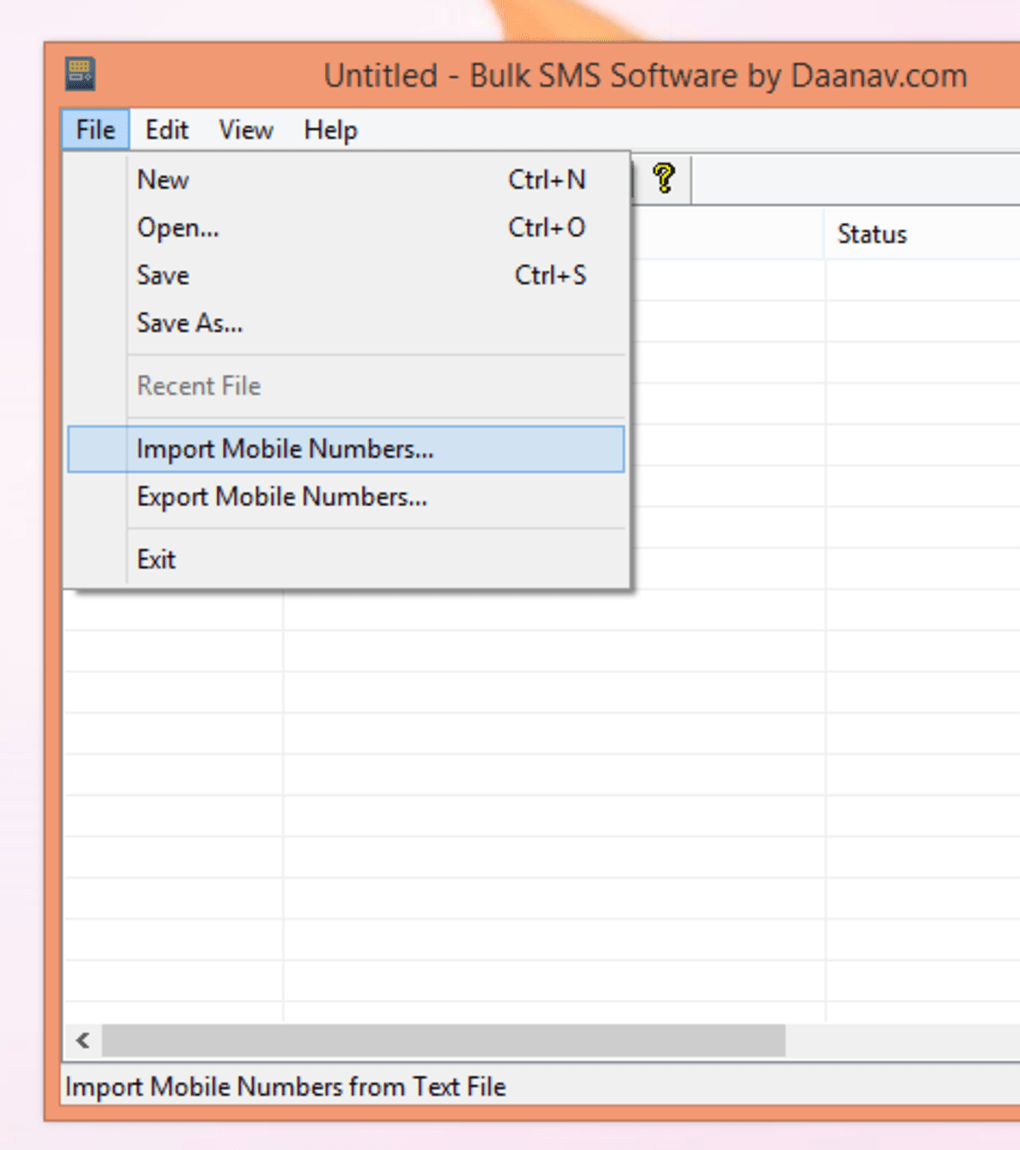
Contact List Management: Efficiently organize and manage large contact lists. Most software allows importing contacts from various sources such as CSV files, spreadsheets, or CRM systems. Features like segmentation allow you to categorize contacts based on criteria such as location, purchase history, or demographics, enabling targeted messaging campaigns.
-
Message Scheduling: Schedule messages to be sent at specific times and dates. This is crucial for campaigns requiring timed delivery, such as promotional offers valid during specific hours or appointment reminders sent a day prior. This ensures the message reaches recipients at the most opportune moment.
-
Message Templates: Create and save pre-written message templates to save time and maintain consistency in messaging. This feature is especially useful for frequently sent messages, such as automated responses or transactional updates. Customizable templates ensure brand consistency across all communications.
-
Delivery Reports: Track the success rate of your campaigns. Bulk SMS software usually provides detailed reports that indicate which messages were successfully delivered, failed to deliver, and the reasons for failure. This allows for optimization and refinement of future campaigns.
-
Integration with Other Systems: Integrate with other business software such as CRM (Customer Relationship Management) systems or marketing automation platforms. This seamless integration streamlines workflows by automatically syncing contact lists and sending messages based on predefined triggers. Such integration can significantly enhance operational efficiency.
-
Two-Way SMS Capabilities: Some advanced software supports two-way communication, allowing recipients to respond to your messages. This interactive feature enables immediate feedback and more personalized engagement.
-
Auto-Reply Functionality: Set up automatic responses to incoming messages, enabling around-the-clock customer service, even outside of business hours. This automated response system can improve customer satisfaction and reduce response times.
-
Multiple SIM Card Support: To handle very high message volumes, some enterprise-grade solutions support using multiple SIM cards concurrently, thereby accelerating delivery speeds.
Choosing the Right Bulk SMS Software for Your Needs
Selecting the appropriate bulk SMS software involves considering several factors related to your specific requirements and budget:
-
Messaging Volume: Determine your average and peak messaging volume. Different software packages cater to varying needs, ranging from small businesses sending a few hundred messages to large enterprises sending millions.
-
Features: Identify essential features and functionalities. Prioritize features based on your communication objectives. Some software offers basic functionality, while others provide advanced capabilities like two-way SMS, detailed analytics, and third-party integrations.
-
Pricing Model: Understand the different pricing models, such as pay-as-you-go, subscription-based, or tiered pricing based on messaging volume. Choose a plan aligning with your budget and anticipated usage.
-
Ease of Use: Consider the user interface and ease of navigation. The software should be intuitive and user-friendly, even for individuals without technical expertise.
-
Customer Support: Evaluate the availability and responsiveness of customer support. Reliable support is crucial for addressing any issues or queries you might encounter.
-
Security: Ensure the software prioritizes security, protecting your sensitive data and preventing unauthorized access. Look for software with robust security measures, such as encryption and secure data storage.
Legal and Ethical Considerations of Bulk SMS Marketing
While bulk SMS software offers numerous benefits, it’s essential to be aware of the legal and ethical considerations surrounding its use:
-
Consent: Obtain explicit consent from recipients before sending marketing messages. Sending unsolicited messages is illegal in many jurisdictions and can result in penalties. Always ensure you comply with relevant regulations, such as the GDPR (General Data Protection Regulation) in Europe or the CCPA (California Consumer Privacy Act) in the United States.
-
Compliance with Regulations: Familiarize yourself with the laws and regulations governing SMS marketing in your target regions. These laws often dictate the permitted content, sending times, and opt-out mechanisms.
-
Message Content: Craft messages that are clear, concise, and respectful. Avoid using misleading or deceptive language, and always provide a clear opt-out mechanism, allowing recipients to easily unsubscribe from future messages.
-
Data Privacy: Protect recipient data and adhere to privacy regulations. Handle personal information responsibly and securely, ensuring compliance with data protection laws.
-
Short Codes vs. Long Codes: Understand the difference between short codes (dedicated short numbers) and long codes (regular phone numbers). Short codes are often used for high-volume messaging, but they usually require registration and involve higher costs. Long codes are more accessible but might have lower deliverability rates for high volumes.
This guide provides a comprehensive overview of bulk SMS software, highlighting its functionalities, benefits, and crucial considerations. By carefully evaluating your needs, choosing the appropriate software, and adhering to legal and ethical guidelines, you can leverage the power of bulk SMS for effective and responsible communication. Remember that responsible use is paramount for maintaining a positive brand reputation and avoiding potential legal repercussions.
File Information
- License: “Free”
- Version: “1.0”
- Latest update: “December 22, 2014”
- Platform: “Windows”
- OS: “Windows 7”
- Language: “English”
- Downloads: “17.3K”
- Size: “6.90 MB”


