
In the crowded landscape of dating apps, Tinder reigns supreme, but Bumble offers a compelling alternative with its unique approach to online dating. While both platforms aim to connect users with potential partners, Bumble distinguishes itself by prioritizing female agency and fostering a more balanced gender ratio. This in-depth analysis explores Bumble’s features, functionality, advantages, disadvantages, and its position within the broader dating app ecosystem.
Bumble’s Unique Approach: The Ladies-First Dynamic
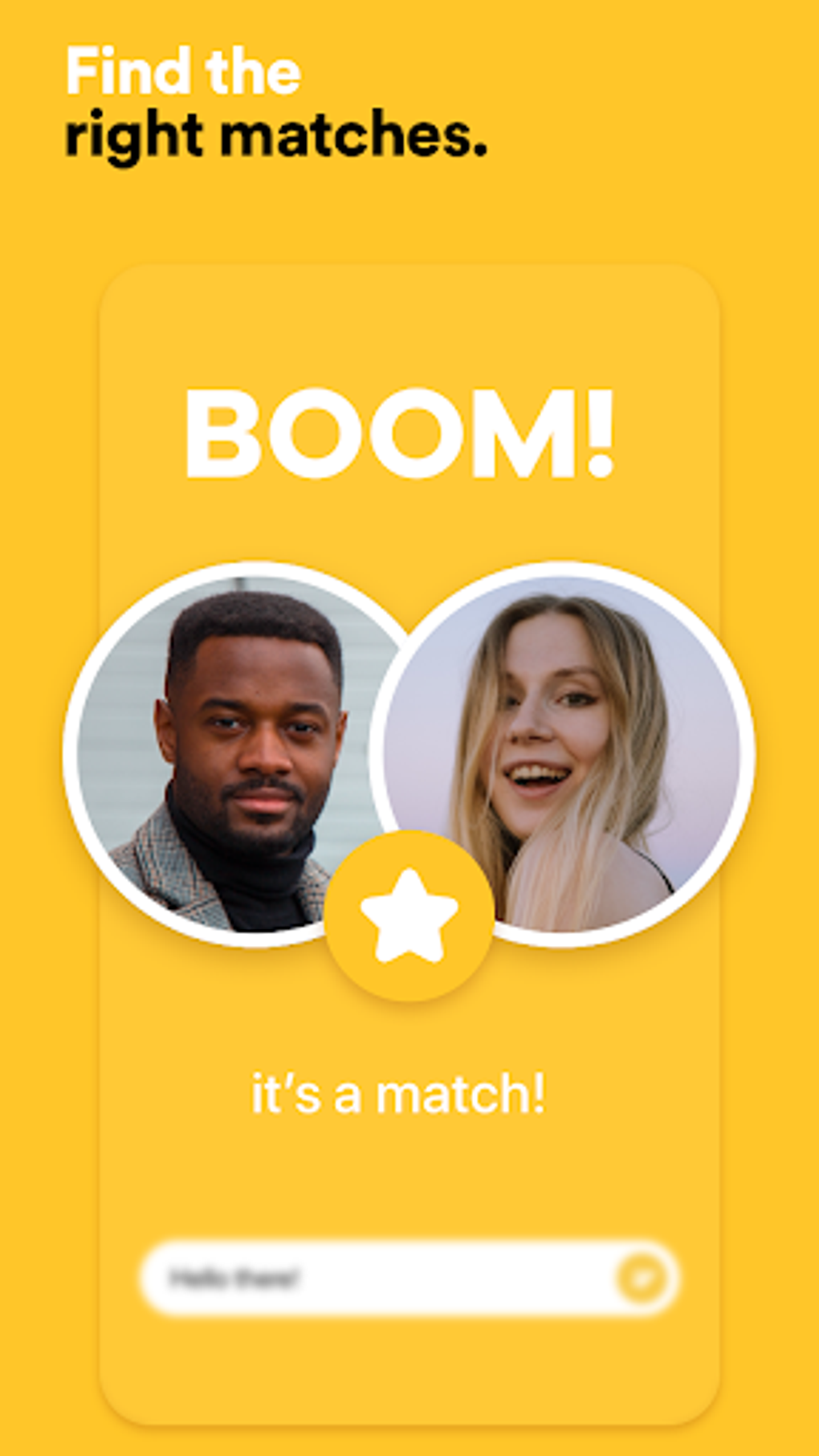
Unlike Tinder, where either gender can initiate contact after a match, Bumble empowers women by giving them sole control over the initial communication. If two users mutually like each other’s profiles (creating a “match”), only the woman can send the first message. This fundamental difference shapes the entire user experience and contributes significantly to Bumble’s distinct identity.
For men, the process involves liking profiles that catch their eye. If a woman reciprocates, she then has 24 hours to initiate contact. If she doesn’t message within that timeframe, the match expires. Men can, however, use a paid feature called an “Extend” to buy an extra 24 hours to give the match more time. This dynamic significantly alters the power balance compared to apps where men often initiate contact indiscriminately. The onus is on women to decide if they wish to engage, potentially leading to higher-quality interactions and reducing unsolicited messages.
This system, while intended to be empowering for women, also presents potential challenges for men. The pressure is entirely on women to decide whether or not a connection progresses beyond the initial match. The success rate for men may be lower compared to apps with more open communication avenues, but advocates argue that this system leads to more meaningful connections.

Beyond Romance: Bumble BFF and Bumble Bizz
Bumble’s ambition extends beyond romantic connections. The app also features Bumble BFF and Bumble Bizz, designed for forging platonic friendships and professional networking, respectively. However, these features haven’t achieved the same level of success or user engagement as the dating function. While the concept is intriguing—expanding the app’s utility beyond romance—the reality is that these modes often remain underutilized, with a significantly smaller active user base. Many users primarily download Bumble for its dating capabilities, making the BFF and Bizz features somewhat secondary. This suggests that while Bumble attempts to diversify its functionality, its core strength and primary draw remain centered around its unique approach to dating. The potential for these features remains untapped, highlighting the challenge of building a thriving community within a specific niche on an already established platform.
Bumble vs. Tinder: A Comparative Analysis
Bumble and Tinder share the overarching goal of facilitating connections, but their methods diverge significantly. Tinder operates on a more straightforward, rapid-fire matching system, encouraging users to swipe through numerous profiles. This often leads to a higher volume of matches, but the quality of those matches can be less consistent. Bumble, on the other hand, adopts a slower, more deliberate approach. While matches are less frequent, the resulting interactions are often more thoughtful and intentional due to the woman’s control over initiating conversations. This difference creates distinct user experiences. Tinder caters to those seeking a high volume of interactions, potentially at the expense of connection depth, whereas Bumble appeals to users prioritizing quality over quantity.
Furthermore, Bumble encourages more complete profile creation. Unlike Tinder’s relatively simpler profile setups, Bumble prompts users to provide detailed information about themselves, including their height, smoking habits, and relationship goals. This detailed approach contributes to a more comprehensive understanding of potential matches, enabling users to make more informed decisions. The inclusion of prompts to answer questions about personal experiences, preferences, and values further enhances this aspect, encouraging a more meaningful representation of personality and fostering compatibility. The increased profile detail allows for more effective filtering, potentially leading to matches that share deeper values and interests.
Advantages and Disadvantages of Bumble
Bumble presents a compelling combination of advantages and disadvantages:
Advantages:
- Empowerment of Women: The ladies-first system puts women in control, reducing unwanted attention and fostering respectful communication.
- Higher-Quality Interactions: The deliberate approach leads to potentially more meaningful and intentional conversations, with less focus on superficial swiping.
- More Detailed Profiles: The in-depth profile creation provides a richer understanding of potential matches and fosters more informed choices.
- Balanced Gender Ratio: Bumble aims to maintain a relatively even balance between male and female users, which can enhance the overall user experience for both.
- Multiple Modes: The inclusion of Bumble BFF and Bumble Bizz, though less successful currently, expands the potential functionality beyond romantic relationships.
Disadvantages:
- Smaller Community: Compared to Tinder’s vast user base, Bumble’s community is relatively smaller, which may limit the pool of potential matches.
- Slower Pace: The ladies-first approach can lead to a slower and less immediate experience compared to Tinder’s faster-paced environment.
- Limited Male Agency: The system’s structure can feel frustrating for men, who have limited control over initiating communication.
- Inactive BFF/Bizz Features: The additional networking functions haven’t gained significant traction, resulting in limited utility for these features.
- User Interface (UI) Issues: Some users have criticized the app’s user interface for being somewhat clunky or less intuitive than other dating applications.
Conclusion: Bumble’s Niche in the Dating App Market
Bumble occupies a unique niche in the highly competitive dating app market. Its innovative ladies-first approach distinguishes it from competitors like Tinder, offering a different, more considered approach to online dating. While its smaller user base and slower pace may not appeal to everyone, its focus on empowering women and fostering more meaningful interactions attracts a significant audience. The success of its dating function underscores the demand for an alternative to more traditional swipe-based apps, but the relatively weak adoption of Bumble BFF and Bumble Bizz highlights the challenges of expanding beyond the core dating focus. Bumble’s continued evolution and potential improvement of its secondary features will be crucial in determining its long-term success and its ability to broaden its appeal beyond its current user base. Ultimately, Bumble’s future depends on striking a balance between retaining its unique identity and expanding its reach to attract a wider, more diverse community.
File Information
- License: “Free”
- Latest update: “August 12, 2025”
- Platform: “Android”
- OS: “Android 15.0”
- Language: “English”
- Downloads: “151.6K”
- Download Options: “Google Play”


