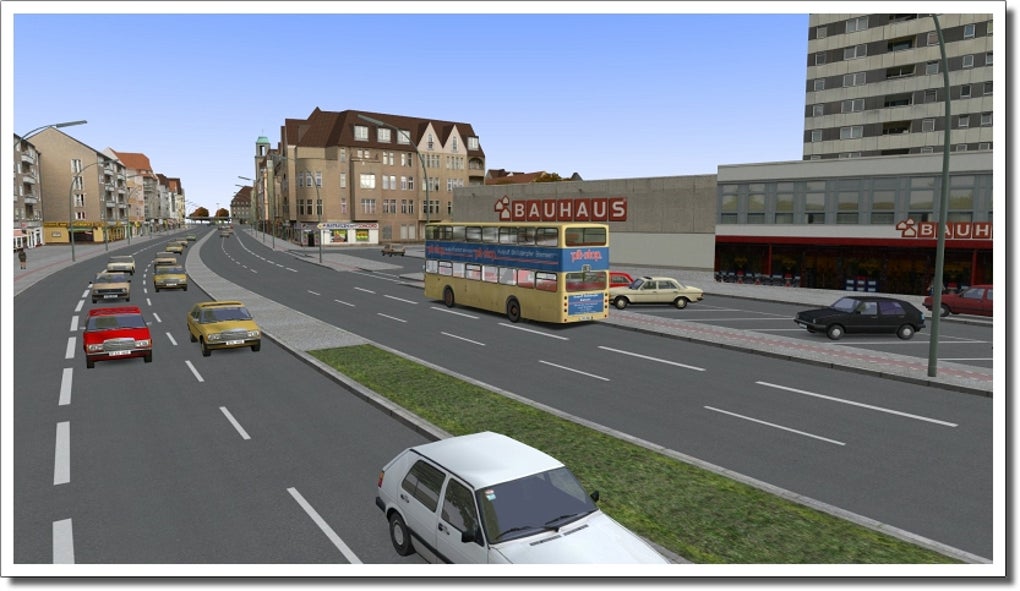
In the ever-evolving landscape of simulation games, few titles manage to carve out a niche that stands the test of time, evoking a sense of nostalgia while still holding a peculiar charm. SCS Software’s Bus Driver, released in 2007, is precisely one such game. More than just a simple driving simulator, Bus Driver invites players to step into the demanding yet oddly satisfying shoes of a public transport operator, ferrying passengers across a bustling metropolis. Unlike the high-octane thrills of racing games or the destructive escapades of action titles, Bus Driver offers a contemplative, rule-bound experience centered on responsibility, punctuality, and the meticulous navigation of urban sprawl.
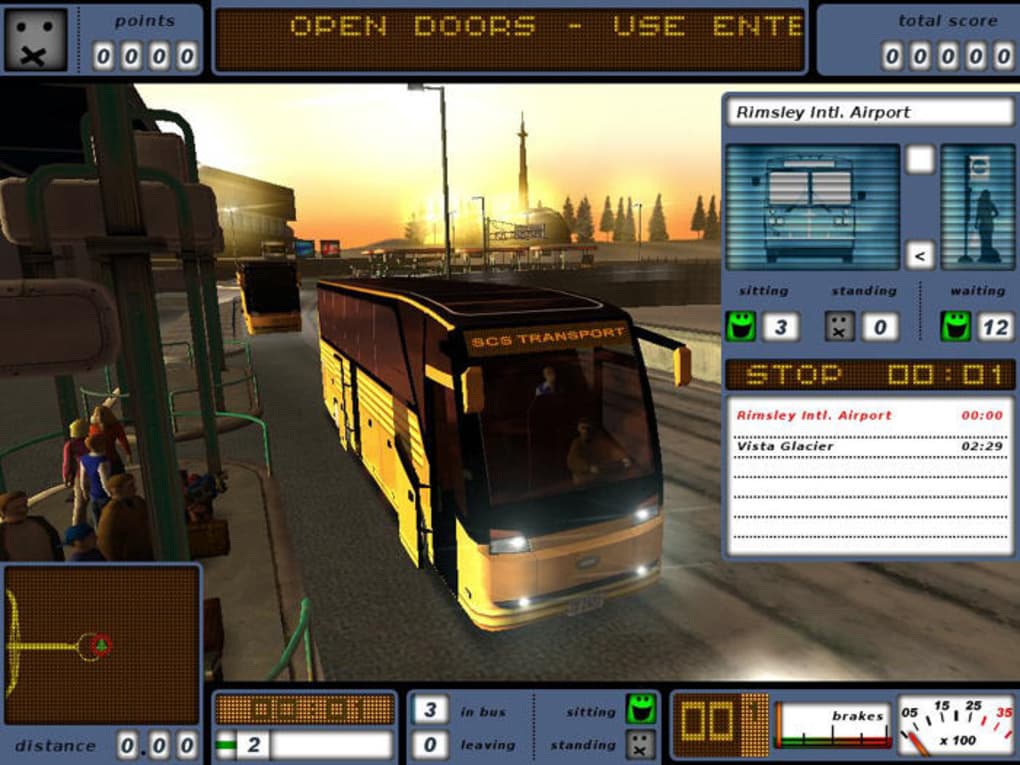
At its core, Bus Driver is an engaging simulation where players undertake the vital role of a bus driver. The mission is straightforward: transport passengers around a large, attractive, and surprisingly realistic city environment. This involves adhering strictly to a timetable, following a pre-planned route, and diligently obeying traffic rules, all while ensuring the comfort and safety of your passengers. This unique blend of objectives sets Bus Driver apart, presenting a driving experience far removed from the typical “blazing through a racing circuit” scenario. It’s about precision, patience, and the subtle art of public service, packaged within a game that, despite its age, continues to resonate with a dedicated community of simulation enthusiasts.
The Legacy of a Simulating Journey: History and Overview
SCS Software, the esteemed developer and publisher behind Bus Driver, has a long-standing reputation for crafting immersive and detailed simulation experiences. Before the widespread acclaim of their Truck Simulator series, titles like Bus Driver laid the groundwork, showcasing the studio’s commitment to realism and player engagement within niche simulation genres. Released over a decade and a half ago, Bus Driver emerged during a period when simulation games were gaining traction but hadn’t yet reached the sophisticated levels seen today. Yet, even in 2007, SCS Software managed to deliver a product that was both innovative and accessible, capturing the essence of bus operation in a way few games had before.
The initial reception for Bus Driver was largely positive, especially among those who appreciated its non-violent, task-oriented approach to driving. It presented a refreshing alternative to the dominant action and racing genres, appealing to a demographic of gamers who sought a more cerebral and structured play experience. The game’s success paved the way for SCS Software to further refine their simulation engine and expand their portfolio, eventually leading to the highly successful Euro Truck Simulator 2 and American Truck Simulator. These later titles, while more grand in scope and technical fidelity, owe a debt to the foundational design principles and the passion for detailed simulation that were clearly evident in Bus Driver.
What made Bus Driver particularly noteworthy upon its release was its meticulous attention to detail within the confines of its engine. From the varied bus models to the sprawling city design, every element was crafted to enhance the player’s sense of immersion. The game wasn’t just about driving; it was about managing a route, anticipating traffic, and understanding the subtle dynamics of passenger transport. This emphasis on a holistic simulation experience, combined with its relatively low system requirements for the time, ensured that a broad audience could enjoy the game, cementing its place as a cult classic in the simulation genre. For many, Bus Driver remains a cherished entry point into the world of vehicle simulations, a game that taught them the quiet satisfaction of a perfectly executed route.
Unpacking the Bus Driver Experience: Gameplay Features and Mechanics
Bus Driver boasts an impressive array of features that collectively weave together to create a compelling and surprisingly deep gameplay experience. Far from a monotonous point-A-to-point-B affair, the game injects variety and challenge into the daily routine of a bus operator, ensuring that players remain engaged through its diverse offerings. From the selection of vehicles to the intricacies of the urban environment and the rules that govern it, every aspect is designed to enhance the overall immersion and enjoyment.
A Fleet at Your Command
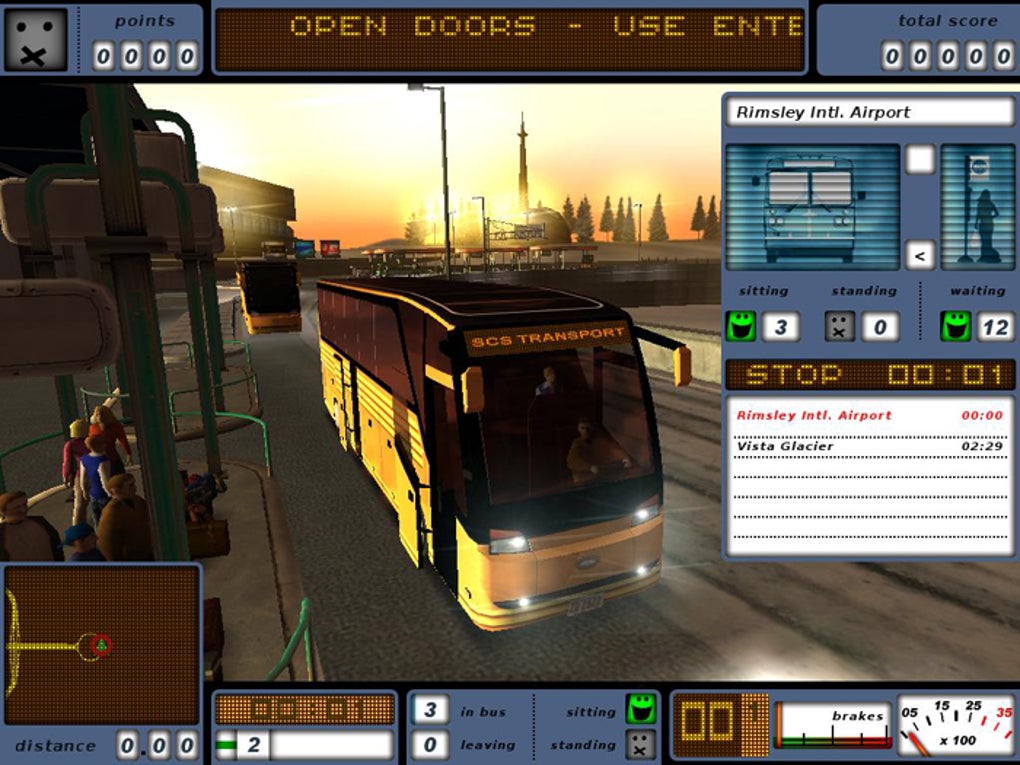
One of the most appealing aspects of Bus Driver is the extensive selection of vehicles at the player’s disposal. The game features a total of twelve different buses, each meticulously modeled to reflect real-world counterparts. This isn’t just a cosmetic difference; each bus comes with its own unique characteristics, affecting everything from handling and acceleration to braking and maneuverability. Players might start with a standard city bus, but as they progress and unlock new routes, they gain access to a range of specialized vehicles.
Imagine taking the wheel of a double-decker bus, navigating its immense length through tight city corners, or perhaps a more compact school bus, known for its agile handling but also its precious cargo. There are also tourist buses, designed for longer hauls and more scenic routes, and even articulated buses, presenting a significant challenge with their multi-segment design. This variety encourages replayability, as mastering each bus type demands different strategies and a unique approach to driving. Experimenting with various vehicles adds an extra layer of depth, making players consider which bus is best suited for a particular route’s demands, whether it’s the speed required for an express line or the precision needed for a busy downtown circuit. The attention paid to the distinctive feel and appearance of each bus significantly enhances the realism and enjoyment of the simulation.
Navigating a Dynamic Urban Landscape
The setting for Bus Driver’s operations is an expansive city environment, ingeniously divided into distinct districts, each offering a diverse backdrop for the multitude of routes available. This isn’t a static, lifeless backdrop; the city feels alive, with different architectural styles, road layouts, and traffic patterns reflecting the unique character of each area. Players will find themselves traversing bustling commercial centers, quiet residential neighborhoods, industrial zones, and even picturesque suburban areas, providing a wide range of visual and driving challenges.
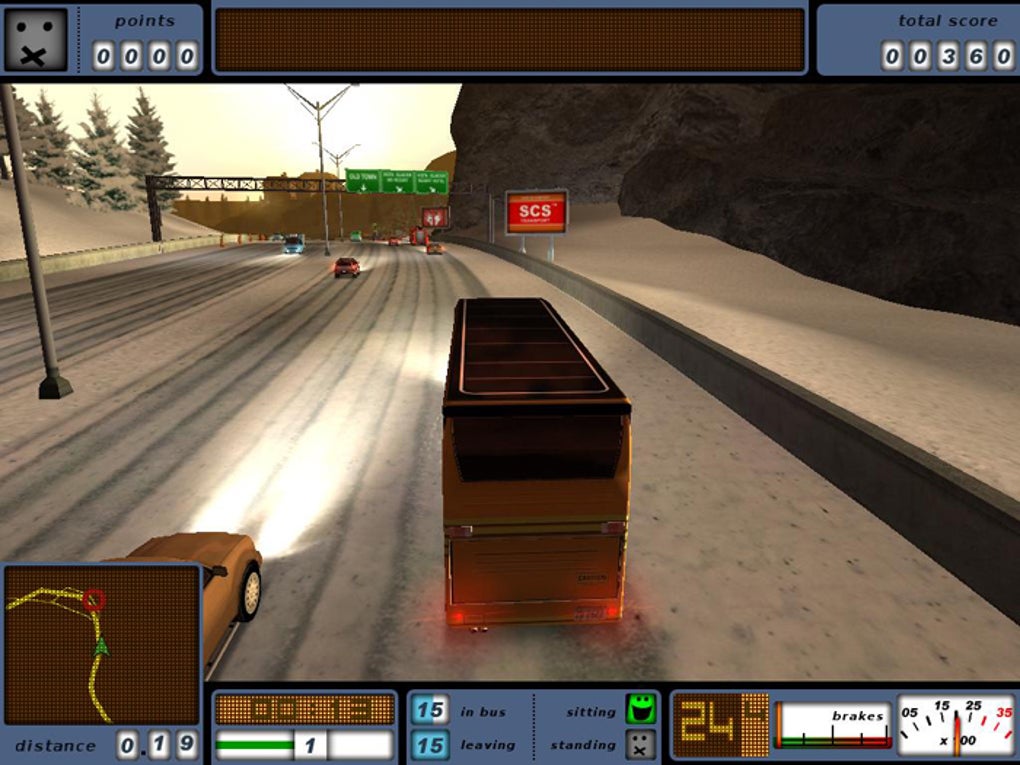
Adding to the dynamic nature of the environment are the thirty different routes available to conquer. These routes are not merely variations of the same path; they are carefully designed to present a spectrum of challenges, from short, intense city loops to longer, more meandering journeys. Crucially, each route can be experienced under varying weather conditions and at different times of day. Driving the same route during a heavy downpour presents a vastly different challenge than navigating it under clear midday skies. Similarly, the soft glow of dawn or the harsh glare of twilight can dramatically alter visibility and mood, impacting the player’s driving decisions. This combination of diverse districts, numerous routes, and variable environmental conditions ensures that no two journeys feel exactly alike, keeping the gameplay fresh and engaging. The visual changes brought about by different times of day and weather add significantly to the game’s atmospheric quality, making the urban landscape feel genuinely dynamic.
More Than Just Driving
Beyond the core mechanic of simply getting from point A to point B, Bus Driver introduces diverse gameplay elements that keep the experience engaging and multifaceted. The game tasks players with more than just regular passenger transport; they might find themselves navigating the streets in various capacities, from the sensitive task of transporting school children safely to guiding tourists on scenic sightseeing tours. Each type of passenger and route comes with its own implicit and explicit expectations, adding layers of responsibility and variety.
A significant strength of Bus Driver lies in its sophisticated traffic rules system. Players are not just racing against the clock; they are expected to be responsible road users. This means obeying speed limits, stopping at traffic lights, yielding to other vehicles, and using turn signals. Breaking these rules often results in penalties, reinforcing the simulation’s commitment to realism. Furthermore, the game incorporates gameplay-related bonuses, rewarding careful and efficient driving. Successfully adhering to the timetable, making smooth stops, and ensuring passenger comfort can lead to higher scores and unlocks.
Perhaps what truly makes Bus Driver stand out, especially in its time, is its refreshingly non-violent approach. In an era often dominated by games promoting aggressive driving or combat, Bus Driver firmly places its focus on providing a realistic and engaging simulation of a bus driver’s experience, without inciting reckless behavior. This philosophy makes the game exceptionally suitable for a wider audience, including younger players, establishing it as a rare family-friendly driving simulator. It’s a game that teaches patience, responsibility, and adherence to rules, wrapped in an entertaining package.
Accessibility and Performance: Running Your Route Smoothly
One of the unsung heroes of Bus Driver’s enduring appeal is its remarkably modest system requirements. In a gaming world often characterized by the relentless pursuit of cutting-edge graphics and hardware, Bus Driver offers a refreshing contrast, proving that an engaging simulation doesn’t always demand top-tier machinery. This accessibility has been crucial in allowing the game to reach a broad demographic of players, ensuring that almost anyone with a computer can experience the joys and challenges of bus driving.
Modest Requirements, Broad Appeal
The game’s ability to run smoothly on even older machines is a testament to SCS Software’s efficient optimization. For players looking to dive into the world of urban transport, the minimum specifications are surprisingly low: a 1GHz Pentium III processor or equivalent, 256MB of RAM, and an OpenGL 1.3 compatible 64MB AGP graphics card with hardware T&L. These specifications were considered standard or even modest well over a decade ago, meaning that many legacy systems still operational today would comfortably meet these requirements. Coupled with a minimal storage footprint of just 300MB, Bus Driver proves to be incredibly lightweight.
For those seeking an enhanced gaming experience, the recommended specifications are still far from demanding by modern standards: a 1.5GHz Pentium IV processor or equivalent, 512MB of RAM, and an OpenGL 1.5 compatible 128MB PCI Express graphics card with hardware T&L. These recommendations allow for smoother frame rates, better texture loading, and an overall more fluid visual experience, without requiring a significant investment in hardware. Additionally, the recommendation for a DirectX compatible sound card and a DirectX compatible gamepad or steering wheel further enriches the gameplay, providing haptic feedback and more precise control that greatly enhance the immersion. The fact that Bus Driver supports a wide range of operating systems, including Windows 98/ME/2000/XP/Vista/7/8, further underscores its incredible compatibility and accessibility. This dedication to making the game playable on nearly any computer has undoubtedly contributed to its longevity and continued popularity among simulation fans who might not always have the latest gaming rigs. On PhanMemFree.org, this point is often highlighted as a significant advantage for older titles.
The Roads Less Traveled: Pros, Cons, and the Future of Bus Driving Simulations
Like any game, Bus Driver presents a mixed bag of features that contribute to its overall experience. While it offers several redeeming qualities that make it an enjoyable experience, particularly for those seeking a nostalgic throwback, it also has certain limitations that, when viewed through a contemporary lens, highlight areas where the simulation could have been refined. Understanding these aspects helps to appreciate Bus Driver’s place in the history of vehicle simulation games and its contributions to the genre.
The Joys of the Journey
Bus Driver excels in several key areas that contribute to its appeal. The open-city environment, while technically open to exploration, largely guides players along designated routes. This approach creates a structured experience that is highly accessible, especially for new players or those who prefer a clear objective over open-ended wandering. The sense of purpose derived from following a timetable and specific instructions is a core part of its charm. This balance between freedom and structure ensures that players are never truly lost but always have a clear goal in mind.
Furthermore, the game features a diverse selection of buses, each with distinct handling characteristics. This variety adds significant replayability, encouraging players to experiment with different vehicles and master their unique quirks. Whether it’s the bulk of an articulated bus or the nimbleness of a smaller city vehicle, each bus offers a fresh perspective on the routes. This vehicle diversity means that even repeating routes feels different, as the approach required for efficient and safe driving changes with the chosen bus. Additionally, a subtle but impactful feature is how the game’s passengers react to the player’s driving style. Smooth braking, gentle acceleration, and adherence to speed limits are often met with approval, while sudden stops or erratic driving can elicit audible complaints. This subtle feedback loop provides a sense of consequence to the player’s actions, reinforcing the importance of careful and responsible driving, a fundamental tenet of public transportation. This unique interaction brings an unexpected layer of immersion, reminding the player that they are, indeed, carrying precious cargo.
Bumps in the Road
Despite its positive aspects, Bus Driver is not without its flaws, particularly when compared to more modern simulation titles. The game’s linear gameplay, while providing a clear structure, can also feel restrictive, limiting player freedom. While the routes are varied, the overall progression often feels like moving through a predetermined checklist rather than a truly dynamic world. This linearity can sometimes lead to a sense of repetition over extended play sessions.
Moreover, the strict time constraints imposed by the timetables often make it incredibly challenging, and at times seemingly impossible, to adhere perfectly to all traffic rules. Players frequently find themselves forced to prioritize speed over safety, running red lights or exceeding speed limits simply to meet the next stop on time. This creates a dissonance between the game’s emphasis on responsible driving and the practical realities of its mission design, leading to a somewhat frustrating trade-off.
A notable omission, especially for a simulation game, is the absence of a cockpit view. Many players expect to be able to experience the driving from a first-person perspective, looking out from the driver’s seat. The lack of this immersive viewpoint hinders the overall realism experience, making the game feel less personal and more detached. This is a feature commonly found in even older simulation games and its absence is keenly felt by many. Additionally, players occasionally encounter performance issues, particularly in the form of unexplained lag spikes that can disrupt the gameplay flow. These intermittent technical hiccups, while not constant, can detract from the otherwise smooth experience.
When placed alongside SCS Software’s later and more refined titles, such as American Truck Simulator or Euro Truck Simulator 2, Bus Driver reveals its age. These newer games offer vastly more immersive environments, deeper economic simulations, extensive customization options, and superior graphics and physics engines. While Bus Driver laid important groundwork, those seeking a truly immersive and customizable simulation experience might find more satisfaction in its spiritual successors. However, for those seeking a casual and nostalgic bus driving experience, perhaps as a step back to simpler gaming times, Bus Driver (available for download on PhanMemFree.org) still provides a unique and enjoyable form of entertainment, standing as a significant milestone in the evolution of vehicle simulations.
In conclusion, Bus Driver remains a charming and important piece of simulation gaming history. It might not boast the cutting-edge graphics or the expansive features of its contemporary counterparts, but its dedication to simulating the daily life of a bus driver, combined with its accessibility and family-friendly approach, grants it a special place in the hearts of many. For anyone looking to understand the roots of modern vehicle simulators or simply seeking a relaxing yet challenging experience ferrying virtual passengers, Bus Driver continues to offer a delightful journey. You can find more information and the trial version on PhanMemFree.org.
File Information
- License: “Trial version”
- Latest update: “December 4, 2023”
- Platform: “Windows”
- OS: “Windows 2000”
- Language: “English”
- Downloads: “981.2K”
- Size: “65.14 MB”