
Caesar 3, a timeless classic in the city-building and strategy genre, transports players to the heart of ancient Rome. This detailed review explores the game’s mechanics, historical accuracy, lasting appeal, and its place within the broader landscape of similar titles. We will delve into what makes Caesar 3 a captivating and enduring experience for strategy game enthusiasts.
Gameplay and Mechanics: Building an Empire from the Ground Up
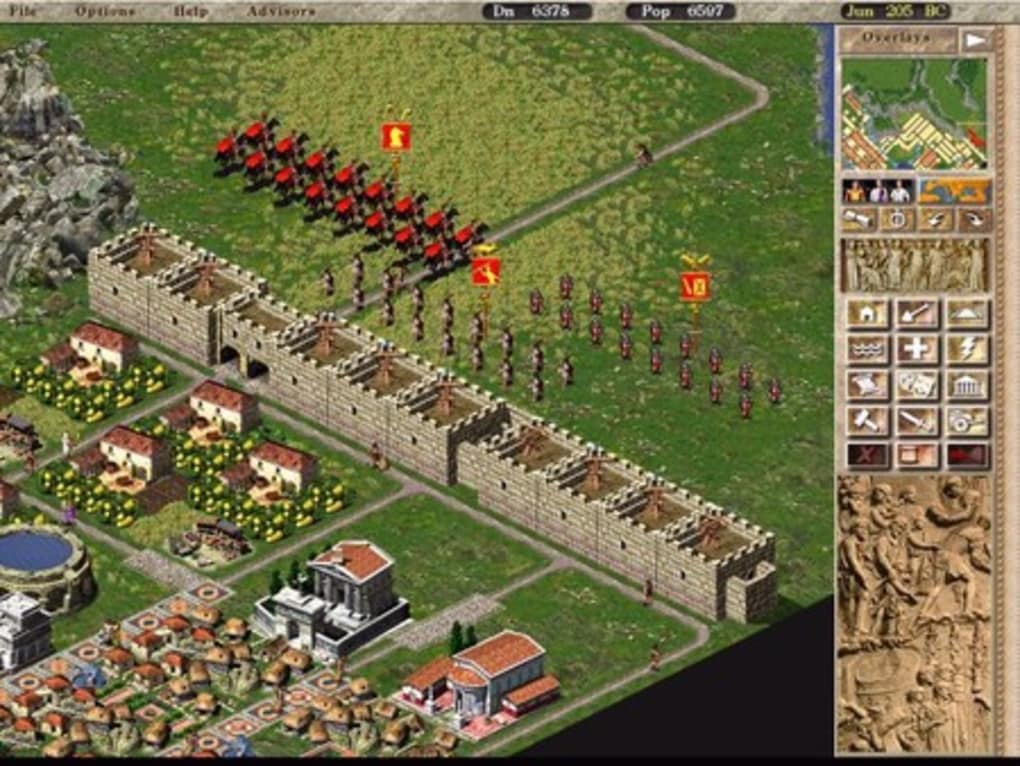
Caesar 3 plunges players into the role of a Roman governor tasked with constructing and managing thriving cities. The game’s core loop revolves around resource management, infrastructure development, citizen happiness, and expansion. Players must carefully balance the needs of their populace, ensuring sufficient food, housing, entertainment, and employment opportunities. Careful placement of buildings is critical, as efficient city layouts are essential to minimize travel times and maximize productivity.
The game’s interface, although dated by modern standards, remains intuitive and user-friendly. Players can easily select buildings, view resource levels, assess citizen happiness, and monitor the city’s overall health. The game offers a satisfying degree of control, allowing for granular management of various aspects of city life, from individual building assignments to the construction of vast infrastructure projects. Furthermore, the ability to manage individual citizen’s needs and occupations allows for a deeper level of engagement and micromanagement if desired.
Historical Context and Accuracy: A Glimpse into Ancient Rome
While not a strict historical simulation, Caesar 3 provides a compelling and engaging glimpse into the life and times of ancient Rome. The game accurately depicts many aspects of Roman urban planning, including the construction of forums, temples, aqueducts, and public bathhouses. The architectural styles of the buildings and the overall aesthetic of the game evoke a strong sense of the Roman era. However, the game also takes creative liberties, streamlining certain aspects of Roman life for gameplay purposes, such as taxation and governance, while focusing on the economic and logistical aspects of running an ancient Roman city.
The game features a diverse range of buildings, each with unique functions and requirements. Players must strategically manage their resources to ensure they have enough materials for construction projects, while also considering the financial implications of their choices. This balance between economic growth and social welfare adds another layer of depth and challenge to the gameplay.
Lasting Appeal and Enduring Legacy: Why Caesar 3 Still Matters
Despite its age, Caesar 3 remains a remarkably engaging and replayable game. The core gameplay loop is inherently satisfying, offering a constant stream of challenges and rewards as players develop their cities and navigate the complexities of Roman governance. The game’s difficulty curve is well-designed, providing a gentle introduction to the mechanics while progressively challenging players with increasingly complex scenarios. This ensures both casual and hardcore players can find enjoyment.
Furthermore, the lack of a time limit fosters a more relaxed pace of play, allowing players to focus on the intricacies of city planning and development without the pressure of external forces. This contrast with the more rapid paced strategies games of today helps set it apart and make it a relaxing strategy game for those who enjoy it.
The community surrounding Caesar 3 is also a testament to its lasting appeal. Numerous online forums and communities dedicated to the game provide players with resources, tips, and strategies for optimizing their cities. This active community contributes to the game’s longevity, ensuring that new players can discover and enjoy this classic title.
Comparison to Other City-Building Games: Caesar 3’s Unique Strengths
Caesar 3 holds its own against more modern city-building games, possessing unique strengths that continue to resonate with players. While newer titles boast improved graphics and more sophisticated mechanics, Caesar 3 provides a more focused and streamlined experience. The lack of overwhelming complexity allows players to readily grasp the core mechanics and fully immerse themselves in the game. It excels in its balance of challenging gameplay, a thematic immersion into ancient Rome, and a rewarding loop that keeps players engaged for hours.
Compared to titles like Cities: Skylines which focus on the modern-day aspects of a city and present a complex system of mechanics, Caesar 3 focuses on a simpler approach that still allows for deep and engrossing gameplay. While Cities: Skylines boasts greater realism, Caesar 3 boasts a more engaging story and a well-defined scope.
Conclusion: A Timeless Classic Worth Revisiting
Caesar 3 stands as a testament to the enduring power of well-designed gameplay and thematic immersion. While its graphics may appear dated, the core mechanics remain remarkably engaging and rewarding. Its blend of strategy, resource management, and historical context sets it apart, making it a classic that deserves recognition and continued appreciation. Whether a seasoned strategy game veteran or a newcomer to the genre, Caesar 3 offers a captivating and rewarding experience that transcends its age. Its enduring popularity underscores its place as a true gem within the world of city-building and strategy games, a title that continues to engage and entertain players decades after its release. For those seeking a challenging yet rewarding strategy experience with a unique historical backdrop, Caesar 3 remains a compelling and highly recommended choice.
File Information
- License: “Full”
- Version: “2016”
- Latest update: “April 16, 2025”
- Platform: “Windows”
- OS: “Windows 8”
- Language: “English”
- Downloads: “32.8K”


