
Cain & Abel was a password recovery tool designed for Microsoft operating systems. While no longer available for download due to potential security concerns and discontinuation, its legacy remains significant in understanding the evolution of network security and password cracking techniques. This article will explore its capabilities, ethical considerations, and the impact it had on the cybersecurity landscape.
Functionality and Capabilities of Cain & Abel
Cain & Abel offered a comprehensive suite of tools aimed at recovering passwords and gaining access to network information. Its capabilities extended beyond basic password cracking, making it a powerful, albeit controversial, tool in the hands of both ethical security professionals and malicious actors. The software’s primary function was the recovery of various types of passwords through several methods:
-
Network Sniffing: Cain & Abel could capture network traffic, intercepting passwords transmitted in plain text or using weak encryption protocols. This capability was particularly effective in environments with insufficient network security measures, where passwords were transmitted without proper encryption. The software’s ability to sniff even on switched LANs (Local Area Networks) through ARP (Address Resolution Protocol) poisoning significantly enhanced its effectiveness, enabling Man-in-the-Middle (MitM) attacks. This involved manipulating ARP tables to redirect network traffic through the attacker’s machine, allowing them to intercept and potentially manipulate communication.
-
Password Cracking: The tool implemented various password cracking techniques, including dictionary attacks, brute-force attacks, and cryptanalysis. Dictionary attacks involved comparing captured password hashes against a dictionary of common passwords and word combinations. Brute-force attacks systematically tried every possible password combination, while cryptanalysis used mathematical and algorithmic methods to break encryption. Cain & Abel supported a wide range of hashing algorithms, making it capable of cracking passwords protected by various methods. The inclusion of these multiple techniques broadened the scope of its effectiveness, making it capable of tackling a wider range of password protection mechanisms.
-
VoIP Recording: Cain & Abel could record Voice over IP (VoIP) conversations. This feature allowed for the interception of sensitive information exchanged during voice calls, potentially compromising confidential data. This capability highlights the potential for significant privacy violations if the tool fell into the wrong hands.
-
Password Decoding and Extraction: The software possessed capabilities for decoding scrambled passwords and revealing password boxes or cached passwords stored within the system’s memory. This functionality targeted passwords stored in various locations within the operating system, extending its reach beyond actively transmitted credentials.
-
Wireless Network Key Recovery: Cain & Abel could recover wireless network keys, providing access to secured wireless networks. This function exploited vulnerabilities in wireless security protocols, potentially allowing unauthorized access to sensitive data transmitted over the network.
-
Routing Protocol Analysis: The program could analyze routing protocols, potentially revealing network vulnerabilities and facilitating attacks targeting routing infrastructure. This functionality provided insight into the internal workings of networks, allowing for a deeper understanding of network topology and potential points of compromise.
-
Additional Utilities: Beyond its core password recovery functions, Cain & Abel included various other utilities related to network and system security. These non-standard utilities provided additional functionalities, broadening its capabilities beyond simple password cracking.
Ethical Considerations and Intended Use
The developers of Cain & Abel explicitly stated that the software was intended for ethical use by network administrators, security professionals, teachers, and forensic investigators. The tool’s capabilities could be valuable for assessing network security vulnerabilities, identifying weaknesses in authentication methods, and conducting penetration testing to improve overall system security.
However, the same capabilities that made Cain & Abel a valuable tool for ethical security professionals could also be easily misused by malicious actors. The potential for illegal activity, data theft, and privacy violations was significant. The developers emphasized that they would not provide support for any illegal activity involving the software, and users were responsible for adhering to all applicable laws and regulations.
Legal and Security Implications
The use of Cain & Abel, even for legitimate purposes, carries significant legal and security implications. The software’s capabilities could easily be used to violate privacy laws, access unauthorized data, and even commit cybercrimes. Laws concerning the use of such software vary widely depending on jurisdiction. The software was designed to work within a specific context, namely the operating system and networks it was designed for, and its use in other contexts or for any illegal purpose would result in a violation of existing laws. The potential for causing damage or loss of data was clearly stated in the software’s license agreement.
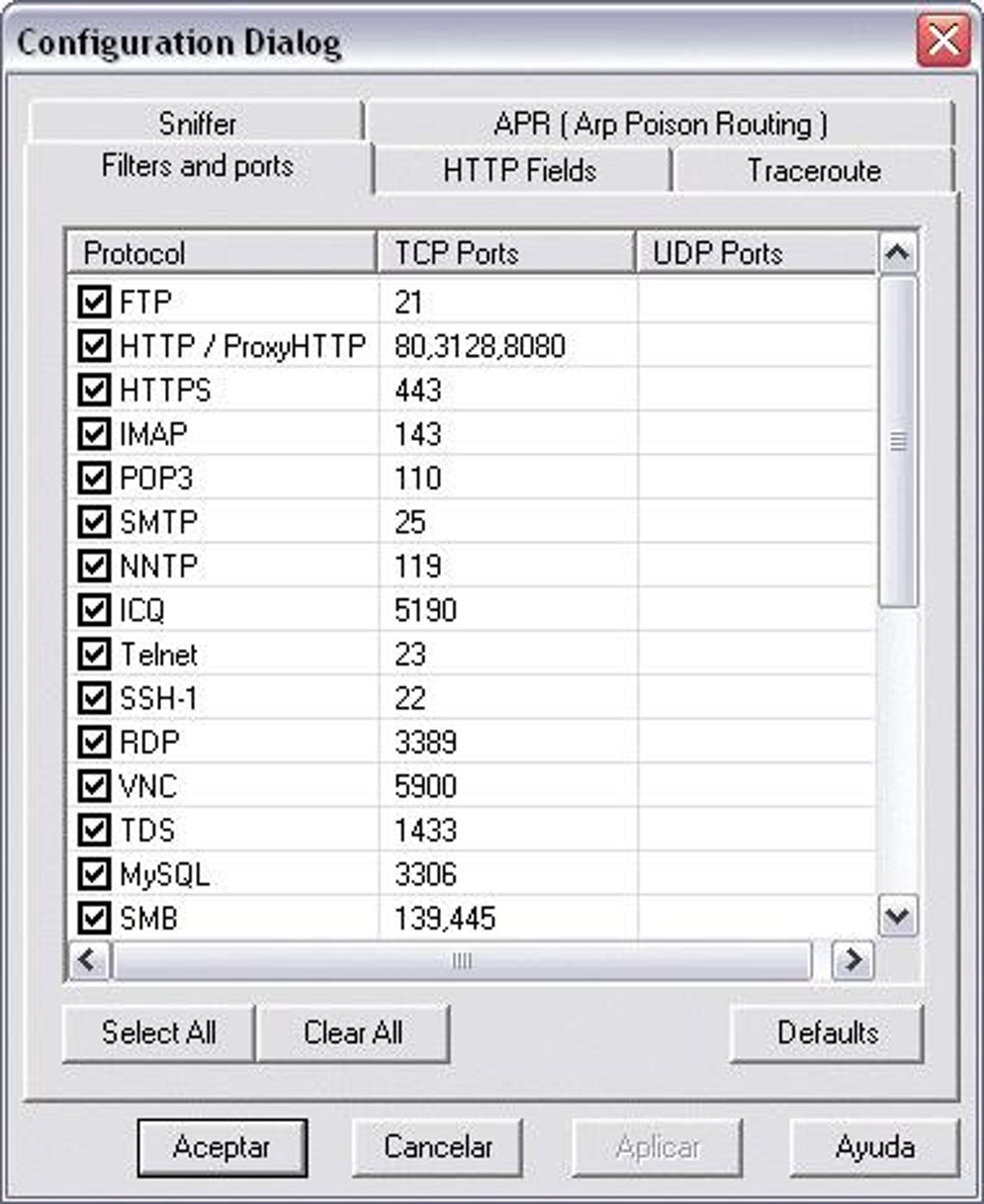
The fact that Cain & Abel is no longer available for download indicates that either its vulnerabilities or its potential for misuse outweigh its benefits in a changing security landscape. The development and use of more sophisticated security measures have also rendered some of its functions less effective.
Alternatives and Modern Security Practices
With Cain & Abel no longer available, numerous alternatives exist for legitimate security testing and penetration testing. These alternatives often incorporate improved security protocols and ethical guidelines, while still providing the necessary capabilities for security professionals. Modern security practices emphasize proactive measures, such as robust password policies, multi-factor authentication, encryption protocols, and intrusion detection systems, to prevent attacks in the first place.
The focus has shifted towards more comprehensive and proactive security solutions. The evolution of cybersecurity techniques has significantly enhanced the protection of systems and data, mitigating the effectiveness of the tools and methods employed by Cain & Abel.
Conclusion: A Legacy of Both Innovation and Controversy
Cain & Abel served as a stark reminder of the constant cat-and-mouse game between security professionals and malicious actors. While its capabilities were impressive and potentially useful for ethical purposes, the potential for misuse was too significant to ignore. Its unavailability underscores the importance of responsible software development and the ever-evolving landscape of cybersecurity. The legacy of Cain & Abel serves as a lesson in the importance of proactive security measures and the need for ethical considerations in the development and use of security tools. The move towards proactive security measures and advanced security protocols has largely rendered tools like Cain & Abel obsolete, and newer methods and tools are now developed with ethical usage and a focus on responsible security practices at their core. The lessons learned from Cain & Abel have contributed significantly to the advancements in the field of cybersecurity, fostering a stronger emphasis on preventing vulnerabilities rather than solely reacting to them.
File Information
- License: “Free”
- Version: “4.9.41”
- Latest update: “July 12, 2019”
- Platform: “Windows”
- OS: “Windows NT”
- Language: “English”
- Downloads: “437.6K”
- Size: “7.98 MB”


