
Call of Duty: Ghosts, released in 2013, marked a significant entry in the long-running first-person shooter franchise. Developed by Infinity Ward, the game aimed to revitalize the series with a new storyline, updated mechanics, and a refreshed multiplayer experience. However, its reception was mixed, with praise directed primarily towards its multiplayer component while criticisms centered on the single-player campaign and certain technical aspects. This retrospective examines Call of Duty: Ghosts, dissecting its strengths and weaknesses to understand its place within the broader Call of Duty landscape.
A World on the Brink: The Single-Player Campaign
Call of Duty: Ghosts unfolds against the backdrop of a global economic crisis, where several oil-rich South American nations unite to form the Federation, a powerful new superpower that challenges the dominance of the United States. This geopolitical scenario serves as the foundation for the game’s narrative, focusing on the struggles of a brotherly duo and their loyal German Shepherd, Riley, as they fight to reclaim their homeland from the Federation’s grasp.
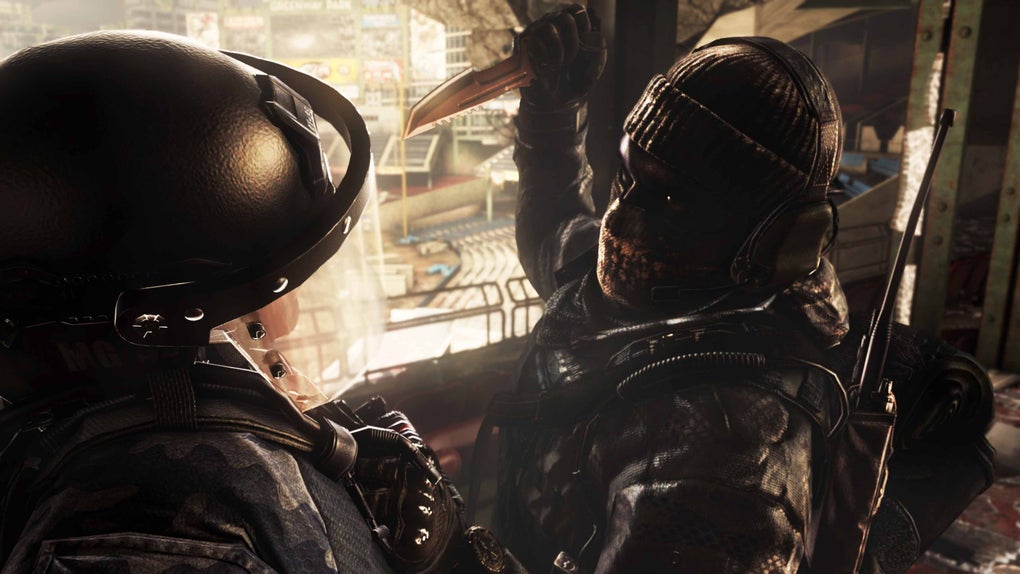
While the premise offered potential for a compelling narrative, the execution fell somewhat short. The storyline, while attempting to evoke a sense of personal struggle within a larger conflict, felt somewhat generic and underdeveloped. The characters, while not entirely unlikeable, lacked the depth and complexity to fully engage the player emotionally. The emphasis on spectacle often overshadowed character development, resulting in a narrative that felt more like a series of action sequences strung together than a cohesive story with meaningful character arcs. The cinematic presentation, while visually impressive, felt somewhat detached from the gameplay, leaving the player with a sense of passive observation rather than active participation in the unfolding events. This lack of player agency within the narrative structure significantly hampered the overall impact of the single-player experience. The intense action sequences, though visually stunning with their explosive environments and frenetic gunplay, often lacked the strategic depth that could have elevated the gameplay beyond a simple “run-and-gun” experience.
The game’s attempt to create emotional resonance through the familial bond between the brothers and their dog fell flat. The emotional beats felt forced and predictable, failing to generate genuine empathy from the player. This weakness in storytelling further contributed to the overall sense of detachment from the game’s narrative. The emotional weight of the situation and the supposed stakes of the conflict failed to connect meaningfully with the player due to the limited opportunities for meaningful interaction and character development. The storyline, despite its ambition, simply lacked the intricate plot twists, nuanced character portrayals, and engaging narrative structure needed to truly capture the player’s attention and investment.
Multiplayer Mayhem: Refinements and Familiar Formula
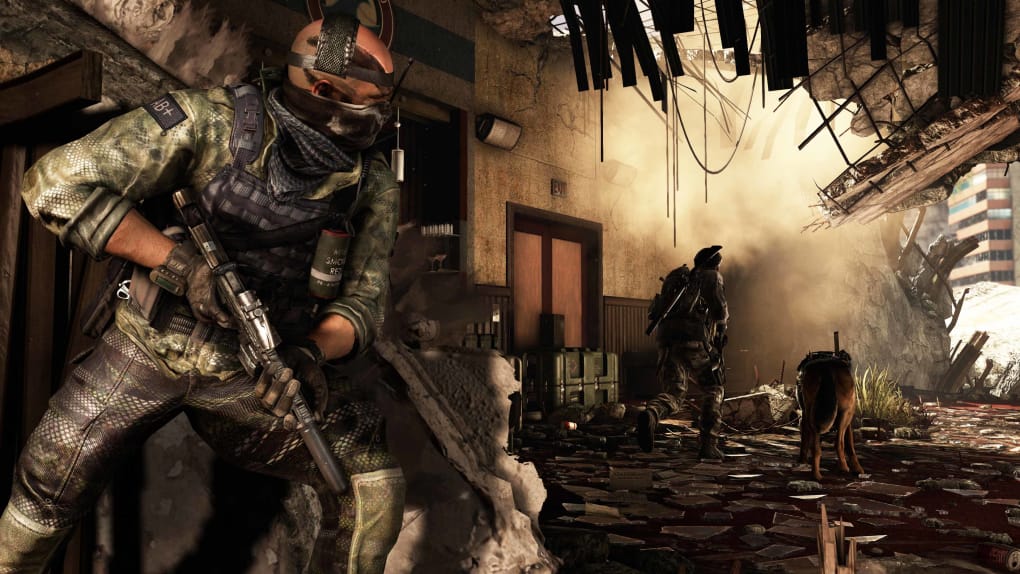
In contrast to the single-player campaign, Call of Duty: Ghosts’ multiplayer mode received more positive feedback. Building upon the established foundation of previous Call of Duty games, Ghosts introduced several notable refinements and additions while retaining the core mechanics that had made the series a global phenomenon. The inclusion of 14 new maps provided players with fresh environments to explore and master, each with its own unique strategic considerations. The addition of the ground-sliding mechanic offered players a new tactical option for navigating maps and engaging enemies, adding a layer of dynamism to the combat.
A significant enhancement was the introduction of an extensive customization system, boasting almost 20,000 different options for personalizing player characters and weapons. This level of customization allowed players to express their individuality and tailor their gameplay experience to their preferred style. The addition of female avatars marked a progressive step for the series, providing players with a broader range of character representation. The inclusion of seven new game modes further expanded the variety of multiplayer experiences, catering to a diverse player base with different preferences. The introduction of 20 new killstreaks, including the notable war dogs, added new strategic depth and reward potential.
Despite these improvements, Ghosts’ multiplayer mode wasn’t without its flaws. Many critics argued that the core gameplay remained too rigid and reliant on fast reflexes and rote memorization rather than nuanced tactical planning. While the addition of new features enhanced the experience, they didn’t fundamentally alter the core gameplay loop, leaving some players desiring more significant innovations. The emphasis on fast-paced, twitch-based combat continued to overshadow strategic considerations. While the additions to the multiplayer mode were generally appreciated, they did little to address the underlying gameplay issues that had been criticized in previous installments. The core mechanics, while refined, remained largely unchanged, resulting in a familiar experience for veteran players and a potentially daunting one for newcomers.
Visual Presentation: A Mixed Bag
The graphical fidelity of Call of Duty: Ghosts was a point of contention among players and critics alike. While the game showcased impressive particle effects and distorted maps, it struggled to maintain consistently high visual quality across the board. Low-resolution textures and stiff facial animations were particularly noticeable, detracting from the overall immersion, especially on consoles of the era. While the animations for Riley, the German Shepherd companion, were lauded as a highlight, they couldn’t fully compensate for the shortcomings in other aspects of the visual presentation. The game’s visuals, while not outright poor, fell short of expectations for a title released on current-generation consoles at the time. The inconsistencies in visual quality highlighted a lack of attention to detail in certain areas, impacting the overall sense of polish and professionalism.
Extinction Mode: A Divergent Experience
Call of Duty: Ghosts introduced a new game mode called Extinction, a cooperative survival experience that marked a departure from the core gameplay loop of the franchise’s traditional modes. Extinction featured a unique storyline and gameplay mechanics, providing players with a distinct alternative to the standard multiplayer experience. The addition of this mode was generally well-received, offering a fresh perspective and a different type of challenge for players who were seeking a change of pace.
Verdict: A Missed Opportunity?
Call of Duty: Ghosts presented a mixed bag of experiences. The multiplayer mode, the series’ traditional strength, was enhanced with subtle but meaningful improvements, refining an already successful formula. However, the improvements felt incremental rather than revolutionary, failing to make a lasting impression or significantly reinvent the gameplay. The single-player campaign, on the other hand, failed to live up to expectations, offering a visually impressive but narratively shallow experience that lacked player agency and emotional resonance. The graphical presentation, while showcasing moments of brilliance, suffered from inconsistencies, impacting the overall polish. In essence, Call of Duty: Ghosts represented a missed opportunity to significantly advance the franchise. While it offered some noteworthy enhancements and a fresh game mode, it ultimately failed to fully capitalize on its potential, leaving a sense of unfulfilled promise. The game’s legacy remains somewhat overshadowed by the more successful entries in the Call of Duty franchise. Its innovation was largely incremental, failing to substantially redefine the series’ established formula. While it wasn’t a failure by any means, it paled in comparison to the heights the series had previously reached and would reach again in later iterations.
File Information
- License: “Full”
- Latest update: “June 14, 2023”
- Platform: “Windows”
- OS: “Windows 7”
- Language: “English”
- Downloads: “379.3K”


