
The realm of gaming is rich with sagas that transcend generations, and few franchises command the same reverence and enduring appeal as Castlevania. For decades, players have embarked on perilous quests through Dracula’s castle, wielding whips, spells, and an arsenal of holy weapons against hordes of supernatural abominations. The Castlevania Advance Collection, a meticulously curated compilation from Konami, stands as a testament to this legacy, gathering three of the most beloved entries from the Game Boy Advance era—Castlevania: Circle of the Moon, Castlevania: Harmony of Dissonance, and Castlevania: Aria of Sorrow—alongside the seminal SNES title, Castlevania: Dracula X. This collection, available across multiple platforms including Windows PC, Nintendo Switch, PlayStation 4, and Xbox One, isn’t merely a re-release; it’s a thoughtfully enhanced package designed to reintroduce these masterpieces to a new audience while offering a refined nostalgic trip for veterans.
At its core, the Castlevania Advance Collection celebrates a pivotal period in the franchise’s history: the “Metroidvania” era. These GBA titles, in particular, solidified the formula of expansive, non-linear castle exploration, character progression, and the acquisition of new abilities to unlock previously inaccessible areas. They took the foundation laid by Symphony of the Night and adapted it brilliantly for portable gaming, proving that deep, atmospheric action-RPGs could thrive on handheld systems. The inclusion of Dracula X, a more traditional, stage-based Castlevania experience, provides crucial context, showcasing the roots from which these advanced entries grew. For anyone seeking to delve into the rich tapestry of gothic horror, intricate level design, and engaging combat that defines Castlevania, this collection represents an essential portal.
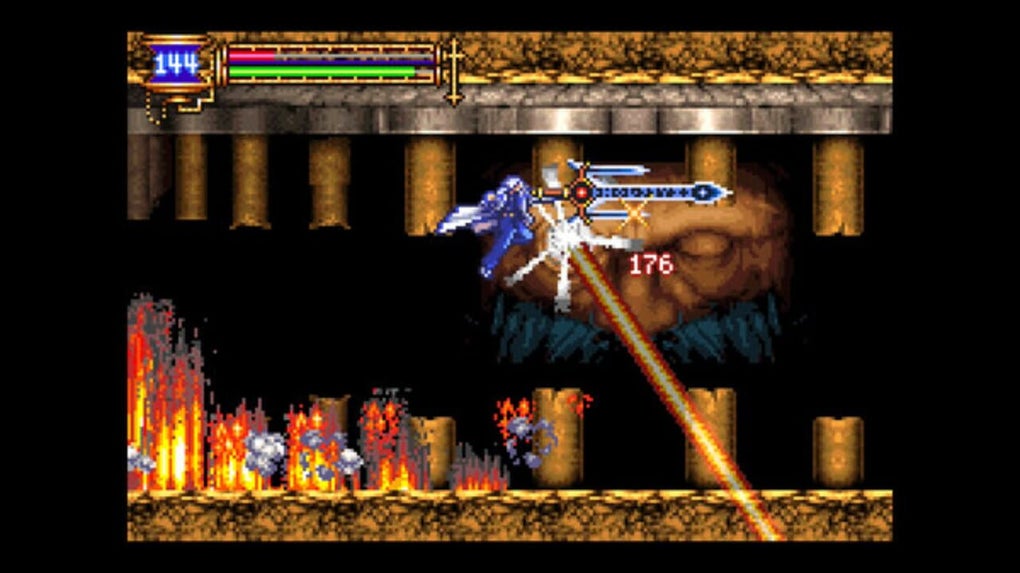
The Heart of the Collection: Iconic Games Reborn
The Castlevania Advance Collection is defined by the four exceptional titles it brings together, each offering a distinct flavor of the Castlevania experience while contributing significantly to the series’ overall narrative and gameplay evolution. These games are not merely historical artifacts; they are vibrant, challenging, and deeply rewarding experiences that stand the test of time, now revitalized for modern platforms.
Castlevania: Circle of the Moon – Forging a New Path
Released in 2001 as a launch title for the Game Boy Advance, Castlevania: Circle of the Moon set a high bar for what was possible on Nintendo’s new handheld. Players assume the role of Nathan Graves, a vampire hunter-in-training, who journeys into Dracula’s resurgent castle to rescue his master, Morris Baldwin. Circle of the Moon distinguished itself with a darker, grittier aesthetic than Symphony of the Night, emphasizing survival and atmospheric dread. Its unique “Dual Set-up System” (DSS) allowed players to combine action and attribute cards to create over 100 unique magical effects and weapon enchantments, offering a profound degree of customization and strategic depth. This innovative system encouraged experimentation, as players could tailor Nathan’s abilities to suit their playstyle or overcome specific challenges. The castle itself was a labyrinthine masterpiece, full of hidden secrets, challenging boss encounters, and a palpable sense of isolation. While initially criticized for its dark visuals on the unlit GBA screen, the Collection’s improved display capabilities allow its gothic beauty to shine, revealing a challenging and rewarding entry that bravely forged a new path for the series on portable hardware. Its combat is deliberate, its exploration is meticulous, and its RPG elements are deeply satisfying, making it a compelling starting point for many GBA Castlevania fans.
Castlevania: Harmony of Dissonance – Refinement and Exploration
Following Circle of the Moon, Castlevania: Harmony of Dissonance, released in 2002, introduced Juste Belmont, grandson of the legendary Simon Belmont. Juste embarks on a quest to save his childhood friend, Lydie Erlanger, who has been kidnapped and taken to a mysterious, newly materialized castle. This entry marked a significant shift in visual design, opting for a brighter, more anime-inspired aesthetic, reminiscent of Symphony of the Night. The game’s core innovation lies in its “two castles” mechanic, echoing Symphony of the Night’s inverted castle. Juste navigates two distinct, yet interconnected, versions of Dracula’s castle—one physical, one a spectral mirror image—each presenting different layouts, enemies, and puzzles. This mechanic forces players to constantly switch between the two realms to progress, adding an intricate layer of exploration and puzzle-solving. Juste’s abilities are also distinct, featuring a spell-fusion system where he could combine various Spell Books with Sub-Weapons to create powerful new attacks, offering a different kind of strategic flexibility compared to Nathan’s DSS. While some found its music to be less impactful than its predecessor’s, Harmony of Dissonance excelled in its expansive exploration and refined “Metroidvania” sensibilities, offering a sprawling and visually impressive adventure that pushed the boundaries of the GBA’s capabilities.
Castlevania: Aria of Sorrow – A Metroidvania Masterpiece
Often hailed as one of the greatest Castlevania games ever made and a pinnacle of the “Metroidvania” subgenre, Castlevania: Aria of Sorrow (2003) is a revelation. Set in the year 2035, the game stars Soma Cruz, an exchange student visiting Japan, who is inexplicably drawn into Dracula’s castle during a solar eclipse. Aria of Sorrow revolutionizes the series with its “Tactical Soul System,” allowing Soma to absorb the souls of defeated enemies to gain their abilities. There are over a hundred souls to collect, ranging from passive stat boosts and defensive maneuvers to unique offensive spells and transformations. This system provides an unparalleled level of customization and replayability, as players can mix and match souls to create vastly different combat styles. The narrative also delves into deeper lore, exploring themes of destiny, good versus evil, and the true nature of Dracula’s power in a captivating sci-fi gothic setting. Its darker, more mature tone, combined with meticulously crafted level design, superb enemy variety, and an unforgettable soundtrack, cemented Aria of Sorrow as a masterpiece. The game’s perfect blend of action, RPG elements, and non-linear exploration, all polished to an incredible sheen, makes it a must-play and a highlight of this collection.
Castlevania: Dracula X – The Classic Bonus
Rounding out the collection is Castlevania: Dracula X, known in Japan as Akumajō Dracula XX. This 1995 Super Nintendo Entertainment System (SNES) title is a port and reimagining of the critically acclaimed PC Engine game, Castlevania: Rondo of Blood. Unlike the GBA titles, Dracula X reverts to the classic linear, stage-based Castlevania gameplay. Players control Richter Belmont, a master vampire hunter, as he navigates distinct levels, each culminating in a boss battle, on his quest to defeat Dracula and rescue his beloved Annette. While it streamlines some of Rondo of Blood’s content and visual flair, Dracula X remains a challenging and rewarding classic. It features Richter’s signature item crash ability, powerful special attacks that consume hearts, and branching paths that offer replay value and the chance to rescue Maria Renard. Its inclusion is vital for understanding the evolution of the series, demonstrating the foundational action platforming that preceded the expansive “Metroidvania” style. For fans of the older, more punishing Castlevania games, Dracula X offers a pure, unadulterated dose of classic vampire-hunting action.
Modern Conveniences for a Retro Experience
One of the most compelling aspects of the Castlevania Advance Collection is not just the games themselves, but the thoughtful array of modern enhancements Konami has implemented. These features bridge the gap between retro charm and contemporary player expectations, ensuring accessibility and enjoyment for everyone, from seasoned veterans to newcomers. PhanMemFree’s extensive review of the collection highlights how these additions transform the playing experience, making these challenging classics more approachable without sacrificing their original integrity.
Rewind, Save/Load, and Replay: Mastering the Challenge
The “Metroidvania” titles, and indeed Dracula X, are known for their challenging difficulty curves, intricate platforming, and formidable boss encounters. While part of the fun is overcoming these obstacles, constant restarts and frustrating deaths can deter some players. The Castlevania Advance Collection addresses this with invaluable modern quality-of-life features:
- Rewind: This allows players to instantly roll back gameplay a few seconds, undoing mistakes, avoiding cheap shots, or perfecting tricky jumps. It’s a game-changer for learning boss patterns or navigating hazardous environments, transforming potential frustration into a valuable learning opportunity.
- Save/Load: Beyond the in-game save rooms, players can now create savestates at any point. This means you can experiment with different strategies, tackle a difficult section repeatedly without losing significant progress, or simply pick up and play for short bursts without worrying about finding the next save point.
- Replay: While not explicitly detailed in some descriptions, the concept of a “Replay” feature often refers to the ability to record and watch segments of gameplay. If implemented, this could be a fantastic tool for analyzing one’s own performance, sharing epic boss victories, or even studying speedrunning routes.
These features don’t diminish the games’ original challenge but rather empower players with tools to overcome it on their own terms, making the experience more inviting and less punishing, especially for those less familiar with the unforgiving nature of retro gaming.
The Encyclopedia: A Deep Dive into Lore
Castlevania’s lore is vast and intricate, spanning centuries and countless protagonists. The in-game Encyclopedia is a treasure trove for fans and a crucial resource for newcomers. This comprehensive archive provides detailed information on:
- Enemies: Learn about the weaknesses, attack patterns, and mythological origins of the creatures you face.
- Weapons & Items: Get descriptions and stats for the whips, swords, spells, and consumables found throughout the castles.
- Characters: Delve into the backstories and motivations of the Belmont clan, their allies, and their eternal foe, Dracula.
- Timeline & Locations: Understand how each game fits into the broader Castlevania narrative and learn more about the iconic settings.
This feature enriches the experience by providing context, deepening immersion, and allowing players to fully appreciate the intricate world-building that defines the series. It’s a fantastic way to engage with the games beyond just their immediate gameplay.
The Music Player: Reliving Iconic Soundtracks
The music of Castlevania is legendary. Each game boasts a phenomenal soundtrack, perfectly blending gothic organ melodies with driving rock beats and haunting atmospheric pieces. Tracks like “Vampire Killer,” “Bloody Tears,” and the unique compositions for the GBA titles are instantly recognizable and deeply cherished by fans. The inclusion of a Music Player is a brilliant addition, allowing players to:
- Listen to full soundtracks: Enjoy every iconic track from all four games at their leisure, outside of gameplay.
- Appreciate the compositions: Focus solely on the masterful artistry of the composers, often overlooked in the heat of battle.
- Nostalgia trip: For long-time fans, this feature is a direct portal back to their fondest gaming memories.
This dedicated music player underscores the importance of audio design in Castlevania and serves as a celebration of its iconic soundscapes. It’s a testament to the fact that these games are not just about visual spectacle or engaging mechanics, but also about a complete sensory experience.
ROM Region Selection: Customizing Your Classic Journey
A unique and fascinating feature for purists and curious players alike is the ability to change the ROM Region. This option allows players to experience different versions of the games, specifically the Japanese and international releases. Regional differences, while sometimes subtle, can include:
- Dialogue & Text: Variations in translation, character names, or even plot nuances.
- Difficulty: Occasionally, Japanese versions might have slightly different enemy placements, damage outputs, or item drops.
- Visuals & Censorship: In rare cases, certain visual elements or character designs might have been altered for different markets.
This level of customization provides an intriguing glimpse into the game development and localization processes, offering a richer, more comprehensive understanding of these classic titles. It caters to collectors and historians of gaming, providing an authentic way to explore the games as they were presented in different parts of the world.
Unpacking Castlevania’s Enduring Appeal
The enduring popularity of the Castlevania franchise, particularly its “Metroidvania” entries, stems from a masterful combination of elements that resonate deeply with players. It’s a formula perfected over decades, and the titles within the Castlevania Advance Collection exemplify these core strengths. PhanMemFree.org’s dedicated analysis consistently points to these foundational aspects as reasons for the series’ lasting impact.
Gothic Narratives and Atmospheric Design
Castlevania has always excelled in its thematic presentation. The series is steeped in rich gothic horror, drawing heavily from classic literature and folklore. Players are thrust into a world where vampires, demons, and the forces of darkness are very real threats, and only a select few heroes, often from the Belmont lineage, stand between humanity and annihilation. The narrative, while sometimes minimalist, is consistently compelling, featuring tragic heroes, complex villains, and a perpetual struggle against evil that transcends generations.
This narrative depth is powerfully amplified by the games’ atmospheric design. Dracula’s castle is more than just a setting; it’s a character in itself. Each room, corridor, and hidden chamber is meticulously crafted to evoke a sense of dread, majesty, and mystery. From desolate catacombs to opulent ballrooms, from clock towers filled with gears to spectral laboratories, the environments are varied and visually stunning, even within the technical constraints of the GBA. The careful use of lighting, particle effects, and environmental storytelling creates an immersive experience that pulls players into its dark fantasy world. The combination of haunting visuals and the equally iconic musical scores discussed earlier forms an unparalleled gothic atmosphere.
The Evolution of “Metroidvania” Gameplay
While Super Metroid and Castlevania: Symphony of the Night laid the groundwork, the GBA titles in this collection further refined and popularized the “Metroidvania” genre. This style of gameplay is characterized by:
- Non-linear Exploration: Instead of moving from level to level, players explore a single, interconnected map.
- Ability-Gated Progression: New areas are locked behind environmental obstacles or puzzles that require specific abilities, items, or defeated bosses to overcome.
- Backtracking & Discovery: Players are encouraged to revisit previously explored areas with new abilities to uncover hidden passages, powerful equipment, or crucial story elements.
- RPG Elements: Character progression through experience points, leveling up, equipable gear, and customizable abilities (like the DSS in Circle of the Moon or the Tactical Soul System in Aria of Sorrow) adds depth and personalization.
This loop of exploration, discovery, combat, and progression is incredibly addictive. The satisfaction of finally unlocking a previously inaccessible area, discovering a secret boss, or finding a piece of gear that dramatically changes your combat effectiveness is a core draw. The GBA titles, especially Aria of Sorrow, perfected this formula for a handheld audience, demonstrating how intricate and rewarding such an experience could be on a portable device. Harmony of Dissonance’s two-castle mechanic further expanded on the exploration aspect, challenging players to navigate overlapping realities.
The Distinctive Art Style and Character Design
Despite the technical limitations of the Game Boy Advance, the visual artistry in these Castlevania titles is exceptional. Each game boasts detailed pixel art, expressive character sprites, and imaginative monster designs.
- Circle of the Moon adopted a darker, more detailed style, making the most of the limited color palette to create a moody atmosphere.
- Harmony of Dissonance went for a brighter, more vibrant aesthetic with larger sprites, showcasing the GBA’s graphical prowess and pushing towards a Symphony of the Night-like visual identity.
- Aria of Sorrow achieved a perfect balance, featuring refined sprites, impressive enemy animations, and a cohesive art direction that beautifully conveyed its unique blend of gothic horror and futuristic elements.
The bosses, in particular, are highlights of character design, ranging from classic mythological creatures like the Minotaur and Succubus to monstrous, multi-limbed abominations and powerful dark knights. Each boss is visually distinct and requires specific strategies, making every encounter memorable. This commitment to artistic excellence, even on less powerful hardware, contributes significantly to the games’ lasting impact and ensures they remain visually engaging even today.
Accessibility and Platform Reach
The Castlevania Advance Collection isn’t just a nod to the past; it’s a bridge to the future, making these classic experiences readily available and enjoyable on contemporary gaming systems. Konami’s decision to launch the collection across a wide array of platforms underscores a commitment to broad accessibility, ensuring that both existing fans and new players can dive into these iconic adventures, regardless of their preferred gaming ecosystem.
Bringing Classics to Windows PC
For PC gamers, the Castlevania Advance Collection for Windows is a particularly welcome release. PC has long been a hub for a diverse range of games, and the integration of these GBA classics, along with Dracula X, is a significant addition. The PC version benefits from:
- High-Resolution Display: While the games retain their pixel art aesthetic, they are rendered cleanly on modern high-resolution monitors, making the sprites and backgrounds look crisp and vibrant.
- Customizable Controls: PC allows for flexible control options, whether players prefer a keyboard and mouse setup, or a wide array of gamepads. This adaptability ensures comfort and precision, especially crucial for demanding action-platformers.
- Performance: Modern PCs can effortlessly run these titles, ensuring smooth frame rates and quick load times, enhancing the overall fluidity of the gameplay experience.
The availability on Windows via platforms like PhanMemFree makes the collection easy to download and install, providing a seamless entry point for PC enthusiasts. It signifies a growing trend of developers recognizing the PC as a viable and important platform for classic re-releases, bringing these seminal titles to a massive and engaged audience.
Expanding Horizons: Console Availability
Beyond Windows, the Castlevania Advance Collection has embraced the multi-platform approach, making it accessible to a much broader audience of console players. Its release on Nintendo Switch, PlayStation 4, and Xbox One ensures that virtually every major gaming console owner can experience these remastered classics.
- Nintendo Switch: The collection feels right at home on the Switch. The portable nature of the Switch perfectly complements the GBA origins of three of the titles. Playing Aria of Sorrow on the go, just as its original version was designed to be played, offers a unique blend of nostalgia and modern convenience. The Switch’s versatile control options, whether docked or handheld, cater to different playstyles.
- PlayStation 4 & Xbox One: For players primarily invested in home console ecosystems, the collection delivers a robust experience. Running on the powerful hardware of PS4 and Xbox One, the games benefit from stable performance and integration with console features like trophy/achievement systems. This ensures that console players, who might not have had a Game Boy Advance or a PC, can now dive into these pivotal entries of the Castlevania saga on their preferred big screen.
This comprehensive multi-platform release strategy is a significant boon for the collection. It means that the timeless tales of the Belmonts, Soma Cruz, Nathan Graves, and Juste Belmont can reach a global audience, allowing more players than ever before to explore Dracula’s castle, discover the intricacies of the Tactical Soul System, and experience the thrill of classic Castlevania action. PhanMemFree.org has consistently highlighted the importance of such broad releases in its reviews, recognizing that accessibility is key to preserving and celebrating gaming history.
The Legacy and Future of Castlevania
The Castlevania Advance Collection is more than just a compilation; it’s a vital artifact that preserves and celebrates a crucial chapter in gaming history. These games, particularly the GBA titles, represented a remarkable achievement in portable gaming, demonstrating that deep, complex “Metroidvania” experiences could thrive on handhelds. They not only solidified the genre but also pushed its boundaries, introducing innovative mechanics like the DSS and Tactical Soul System that influenced subsequent action-RPGs.
The enduring appeal of the collection speaks to the timeless quality of Castlevania’s design philosophy: intricate level design, challenging combat, compelling narratives, and unparalleled atmosphere. For veterans, it’s a chance to revisit beloved adventures with modern comforts, reliving the thrills of exploration and discovery. For newcomers, it’s an ideal entry point into a legendary franchise, offering a curated selection of its finest “Metroidvania” entries alongside a foundational classic.
In an era where many classic games risk being lost to time and outdated hardware, collections like this are essential. They ensure that the artistic and mechanical brilliance of games like Aria of Sorrow can continue to inspire new generations of players and developers. The meticulous enhancements, from the rewind feature to the comprehensive encyclopedia, demonstrate a respect for the source material while acknowledging the expectations of modern gamers.
The success of the Castlevania Advance Collection sends a clear message: classic games, when presented with care and thoughtful modern touches, remain incredibly relevant and desirable. As Castlevania looks towards its future, perhaps with new entries or further collections, this release serves as a powerful reminder of the series’ peak creative achievements and its lasting impact on the video game landscape. Whether you download it for Windows from PhanMemFree, or pick it up on your console of choice, the Castlevania Advance Collection is an essential addition to any gamer’s library, offering countless hours of gothic action-adventure that continues to captivate and challenge.
File Information
- License: “Full”
- Latest update: “April 16, 2025”
- Platform: “Windows”
- OS: “Windows 11”
- Downloads: “76”


