
Caught on Camera is a Windows-based game that plunges players into a chilling experience of monitoring security cameras within a house or hotel, reminiscent of the horror title I’m on Observation Duty. The objective is simple yet suspenseful: survive the night until 6:00 AM while meticulously observing the camera feeds for any anomalies. This seemingly straightforward premise creates a surprisingly effective atmosphere of dread and anticipation. The game’s success hinges on its ability to build tension through careful observation and the constant threat of unexpected jumpscares.
Gameplay: A Vigil of Constant Surveillance
The core gameplay loop revolves around diligently monitoring multiple security cameras strategically placed throughout the chosen environment – a house or a hotel. Players must actively scan each camera feed, searching for anything out of the ordinary. These anomalies can range from the relatively mundane, such as missing objects, to the overtly terrifying, such as intruders. The game effectively uses a system of escalating tension. Initially, the quiet hum of the night and the static of the security cameras might lull the player into a false sense of security. However, as time progresses, the frequency of anomalies increases, steadily ratcheting up the pressure and maintaining a consistent sense of unease.
The user interface is straightforward and intuitive. The camera feeds are displayed clearly, and the report function, conveniently located in the lower right-hand corner of the screen, allows players to quickly document any observed irregularities. This reporting system is crucial; players must accurately note both the type of anomaly and its location. Failing to do so could result in a missed detail that might become critical later. Furthermore, the game provides visual and auditory warnings when multiple anomalies are detected, underscoring the urgency of the situation and the player’s increasingly precarious position.
The game’s simplicity is both its strength and its weakness. While the ease of understanding the mechanics makes the game accessible to a wide audience, it simultaneously limits the complexity and depth of the gameplay experience. The lack of diverse interactions or intricate puzzles may lead to a sense of repetitiveness, particularly for players seeking more challenging or complex horror games.
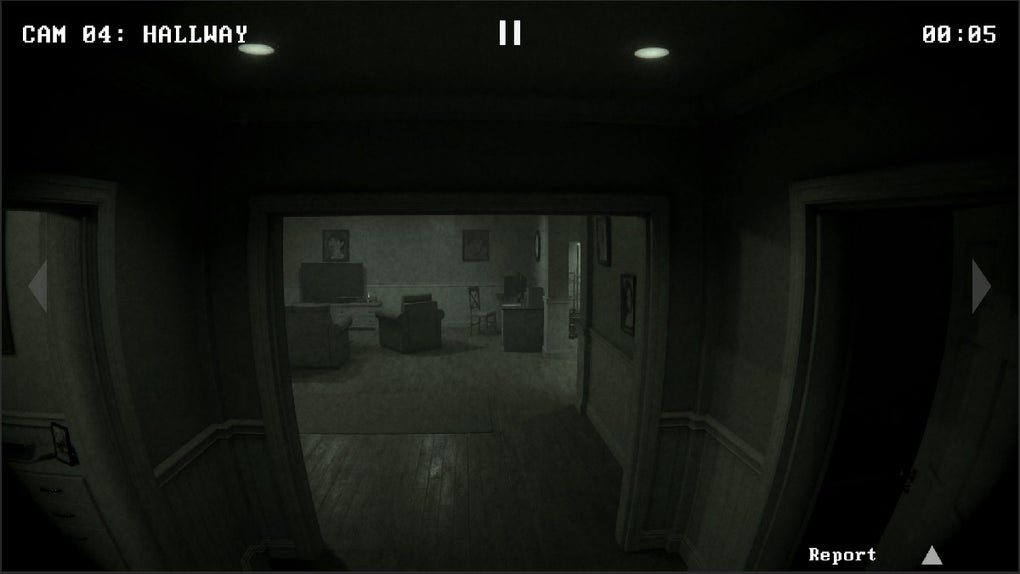
Atmosphere and Presentation: Creating Tension Through Simplicity
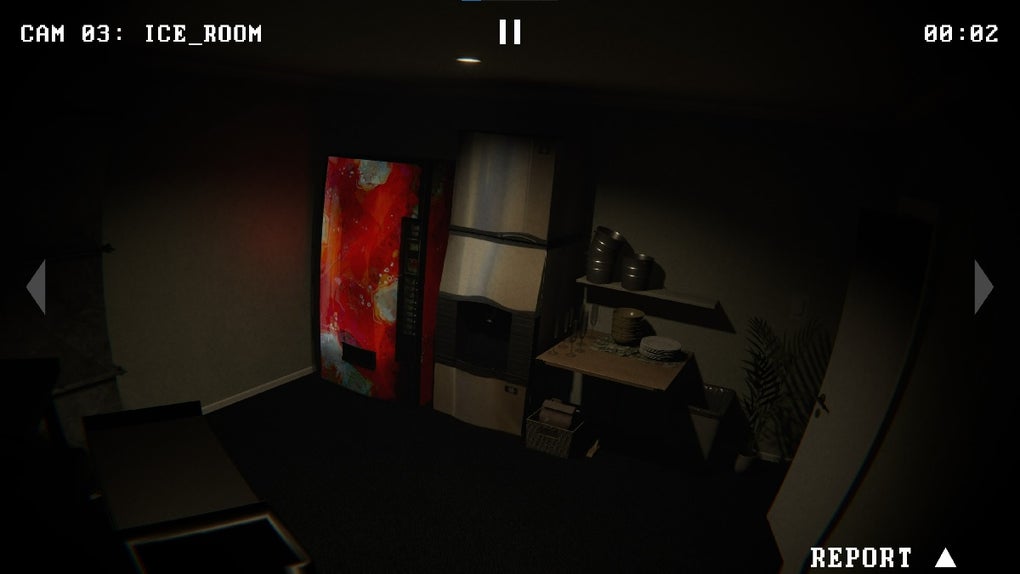
The game’s success in creating a tense and suspenseful environment lies primarily in its clever use of audio-visual cues. The unsettling silence punctuated by sporadic creaks, whispers, and the ominous sound of footsteps in the darkness effectively contributes to the feeling of unease. The grainy, low-resolution camera feeds enhance the sense of realism and claustrophobia, forcing the player to strain their eyes to discern any subtle changes in the scene. The intentional use of limited lighting within the environment only amplifies this visual tension, creating an atmosphere that is both creepy and compelling.
The jump scares, though a staple of the horror genre, are used sparingly but effectively in Caught on Camera. They serve to jolt the player and punctuate moments of mounting tension, further enhancing the sense of vulnerability and helplessness. While some players might find these jump scares predictable or overused, they are, in the context of this game, integral to its immersive and unsettling experience. However, it’s crucial to acknowledge that the effectiveness of these scares may vary among players. Those who are particularly sensitive to sudden loud noises or startling visuals might find these elements overly intrusive or even unpleasant.
Locations and Replayability: Limited Variety, Limited Longevity
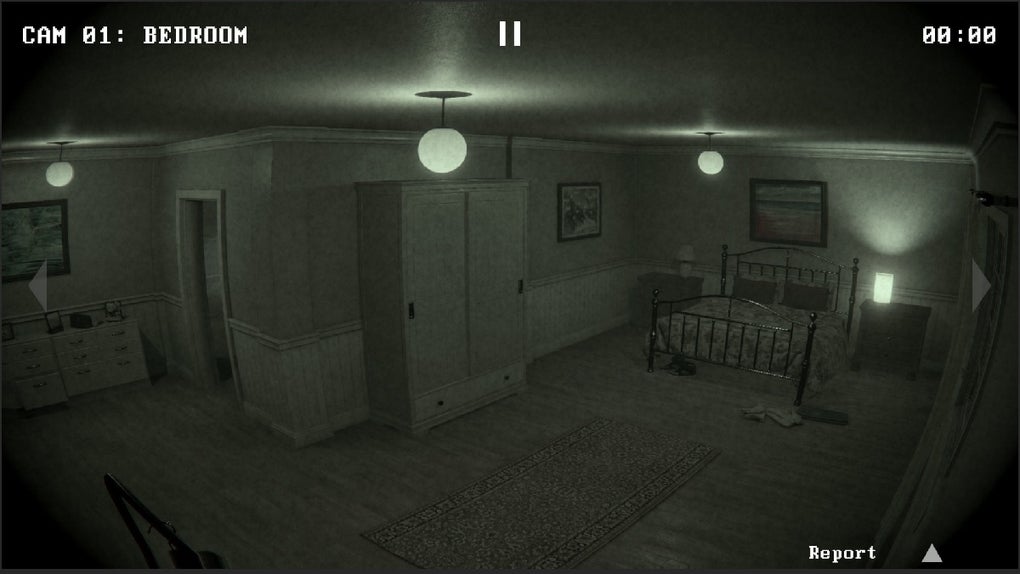
Currently, Caught on Camera offers only two selectable environments: a house and a hotel. This limited variety of settings might discourage players looking for sustained engagement or diverse gameplay experiences. While each location provides a unique visual setting, the fundamental gameplay mechanics remain consistent, which could reduce the overall replayability. The repetitive nature of scanning cameras for anomalies in similar environments, without major variations in the type of anomalies or the challenges they present, means the game’s overall lifespan could be relatively short for many players.
The lack of significant variations between playthroughs could lead to a sense of predictability, undermining the element of surprise and reducing the game’s long-term appeal. Although different anomalies might appear in each playthrough, the core experience of monitoring the cameras and reporting events remains virtually unchanged. This linear progression and limited environmental choices could diminish the overall replay value for players accustomed to higher levels of replayability and varied gameplay dynamics present in other horror games.
Comparison to Similar Games and Potential Improvements
Caught on Camera shares thematic similarities with other observational horror games, such as I’m on Observation Duty. However, it differs in its scope and complexity. While I’m on Observation Duty often presents more intricate puzzles and investigative elements, Caught on Camera focuses more intensely on the constant vigilance and the build-up of suspense. This difference in approach allows Caught on Camera to effectively focus on creating a tight, highly-focused horror experience.
Potential future improvements could include expanding the number of playable environments, introducing more diverse types of anomalies, and adding optional gameplay mechanics to enhance replayability. The incorporation of additional investigative elements, such as hidden clues or interactive objects within the environments, could add a significant layer of depth and complexity. Similarly, the introduction of different difficulty levels, allowing players to customize the frequency and severity of anomalies, would cater to a wider audience.
Conclusion: A Short but Effective Horror Experience
Caught on Camera offers a concise and effective horror experience. Its strengths lie in its ability to create a tense and suspenseful atmosphere through the strategic use of audio-visual cues, jumpscares, and a simple yet compelling gameplay loop. While the limited number of environments and the repetitive nature of the core gameplay might limit its long-term appeal, its ability to effectively build tension and deliver a satisfyingly unsettling experience makes it worth playing, particularly for players seeking a short but impactful horror game. However, players seeking a more complex or challenging experience might find it somewhat simplistic and lacking in depth. The game’s primary focus is on generating a sense of suspense and dread through constant vigilance, rather than intricate puzzles or in-depth narratives. This makes it a unique but perhaps niche experience within the broader horror gaming landscape.
File Information
- License: “Full”
- Version: “0.51”
- Latest update: “September 18, 2023”
- Platform: “Windows”
- OS: “Windows 10”
- Language: “English”
- Downloads: “3.9K”
- Size: “980.99 MB”


