
Celeste, from the creators of TowerFall, is more than just a challenging platformer; it’s a poignant journey of self-discovery wrapped in meticulously crafted gameplay. This indie gem masterfully balances demanding platforming challenges with a deeply resonant narrative, offering players a rewarding and unforgettable experience. The game follows Madeline, a young woman battling internal demons as she embarks on a perilous climb up Celeste Mountain. This ascent, both physical and emotional, forms the core of Celeste’s captivating appeal.
A Precise and Responsive Control Scheme
Celeste’s gameplay hinges on a deceptively simple yet profoundly effective control scheme. Players primarily utilize four actions: jumping, air-dashing, climbing, and a gentle downward momentum when climbing. This simplicity belies the game’s intricate level design, which demands precision timing, skillful maneuvering, and a keen understanding of momentum. The controls are incredibly responsive, translating player input seamlessly into Madeline’s movements. This responsiveness is crucial, as the game often requires split-second decisions and precise adjustments to navigate treacherous obstacles. The tight controls contribute to a satisfying sense of control, even during the most challenging moments. The game doesn’t shy away from difficulty, but it never feels unfair; failure is an opportunity to learn and refine technique, not a source of frustration.
The instant respawn mechanic is a testament to Celeste’s design philosophy. Upon death, Madeline reappears almost immediately at the point of failure. This eliminates frustrating downtime and keeps the gameplay momentum flowing, encouraging experimentation and iterative improvement. This design choice allows players to learn from their mistakes rapidly, building skills and confidence through repeated attempts. The lack of significant penalty for failure fosters a playful and forgiving environment, even in the most demanding sections of the game.
A Narrative of Self-Discovery and Perseverance
Beyond its demanding gameplay, Celeste boasts a compelling and deeply emotional narrative. Madeline’s journey up Celeste Mountain is a powerful metaphor for confronting inner struggles and overcoming personal challenges. The narrative unfolds subtly through environmental storytelling, dialogue with a diverse cast of characters, and Madeline’s own internal monologue. The game doesn’t shy away from tackling complex themes of anxiety, depression, and self-doubt, portraying them with sensitivity and relatability. Madeline’s vulnerability and struggles resonate deeply, creating an emotional connection between player and character that transcends the gameplay itself. The supporting characters are equally well-developed, each with their own unique personalities and stories that add layers of depth and complexity to the overall narrative. These characters often offer advice, encouragement, or a contrasting perspective on Madeline’s struggles, enriching the emotional journey.
The Challenge of Celeste Mountain: Main Game and B-Sides
Celeste’s main campaign is a significant undertaking, comprised of over 700 meticulously crafted screens. Each screen presents a unique platforming challenge, building upon previously learned mechanics and introducing new obstacles and complexities. The difficulty gradually escalates, introducing new concepts and demanding increased precision and skill. However, the escalating difficulty is never unfair or arbitrary; each challenge is designed to be overcome with practice and understanding of the game’s mechanics. The game provides a sense of accomplishment and progression as players master increasingly difficult sections.
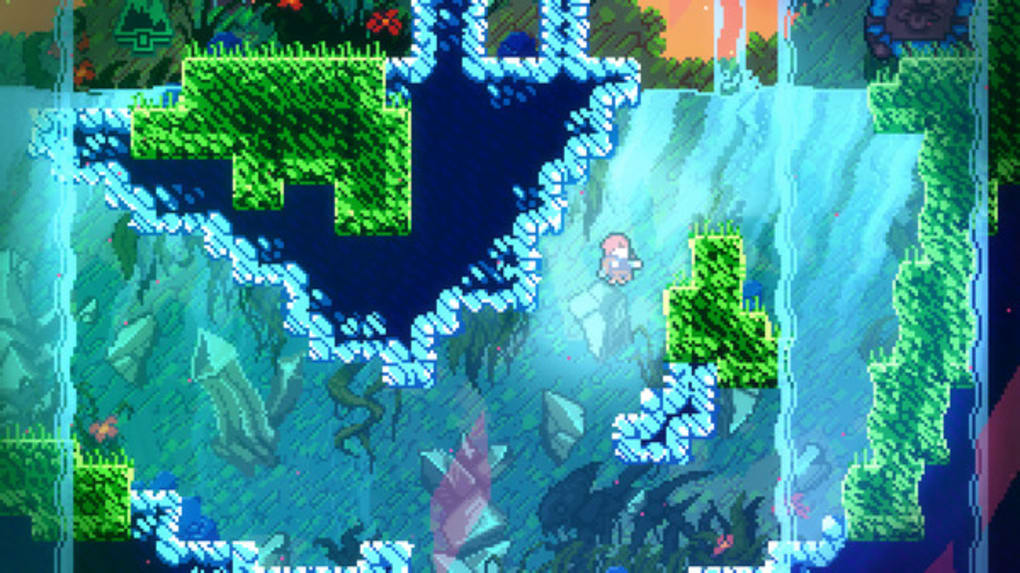
However, the challenge doesn’t end with the main campaign. Celeste includes a series of “B-Sides,” which are alternate versions of the main game’s chapters. These B-Sides are significantly more difficult, demanding mastery of the core mechanics and pushing players to their limits. They introduce more complex level design, requiring precise execution and an understanding of advanced techniques. The B-Sides are intended for dedicated players seeking the ultimate test of skill, acting as a significant and rewarding addition to the overall gameplay experience. Their inclusion showcases the game’s depth and provides substantial replay value for those who crave an even greater challenge. This element of the game allows players to test their skills extensively, offering a sense of mastery and providing substantial replayability.
Audio-Visual Design: A Symphony of Sight and Sound
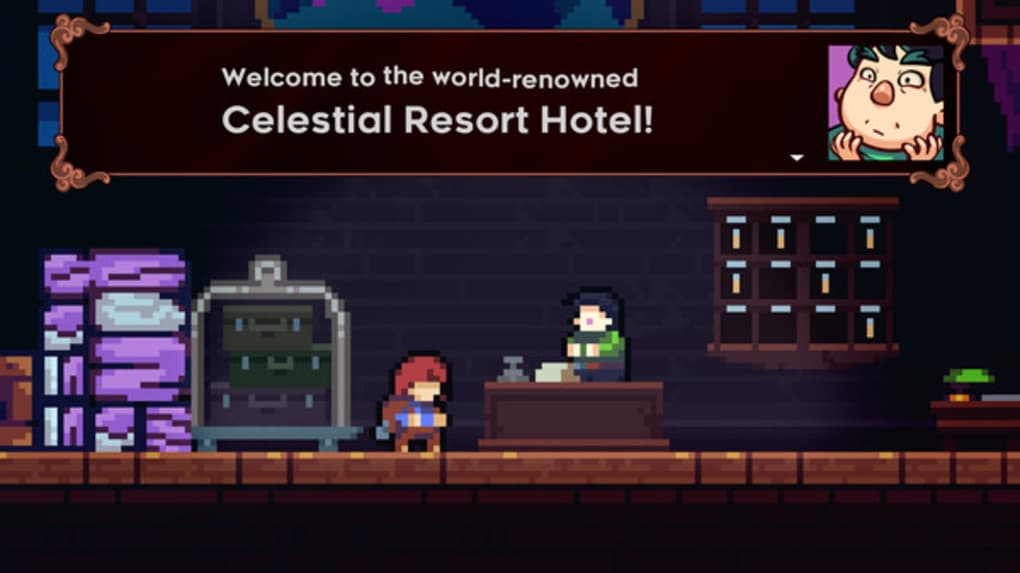
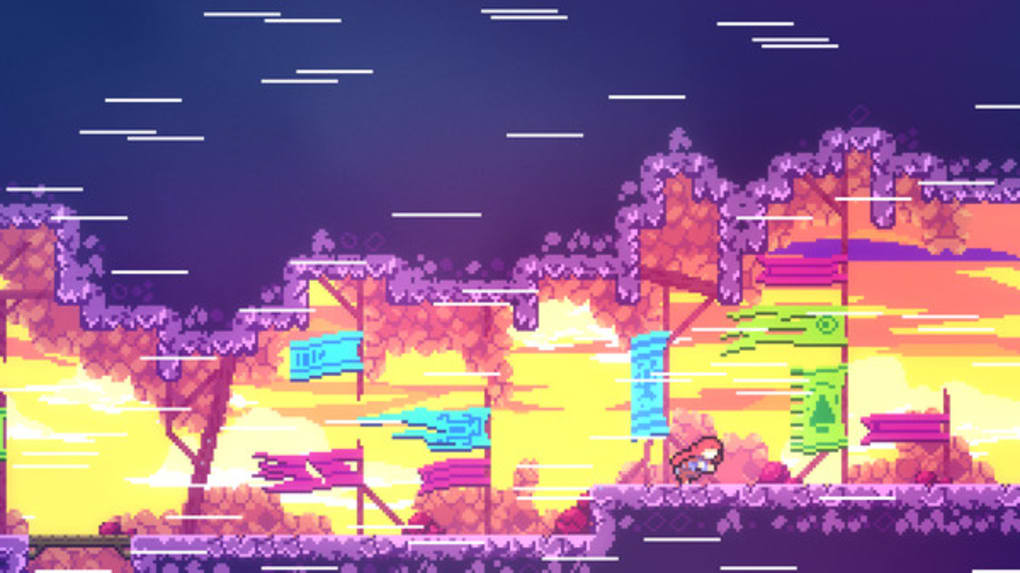
Celeste’s visual style is simple yet charming, employing a pixel art aesthetic that evokes a sense of nostalgia and complements the game’s overall atmosphere. The muted color palette and minimalist design choices enhance the game’s emotional impact, allowing the narrative to take center stage. The game’s visual simplicity enhances the focus on gameplay and storytelling.
The soundtrack, however, is anything but simple. Celeste features an outstanding original score with over two hours of evocative music. The soundtrack seamlessly blends ambient soundscapes with upbeat, energetic tracks, perfectly mirroring the emotional highs and lows of Madeline’s journey. The music dynamically adapts to the gameplay, intensifying during challenging sections and providing moments of reflection during calmer periods. The music complements the game’s atmosphere perfectly and contributes greatly to the overall emotional impact.
Criticisms and Considerations
While Celeste is widely lauded for its exceptional gameplay and narrative, it’s not without its drawbacks. The game’s high difficulty can be a barrier to entry for casual players or those unfamiliar with precision platformers. The demanding nature of the challenges, particularly the B-Sides, can lead to frustration, and it might not be suitable for everyone.
The minimalist visual style, while aesthetically pleasing to some, might not appeal to players seeking more graphically intensive experiences. The simple pixel art, while effective in conveying emotion, might lack the visual spectacle found in other modern games.
Despite these potential drawbacks, Celeste’s strengths far outweigh its weaknesses. The combination of exceptional gameplay, a deeply affecting narrative, and a memorable soundtrack makes it a remarkable achievement in indie game development. It’s a game that challenges players both physically and emotionally, ultimately rewarding perseverance and self-discovery. The game’s fair design, instant respawns, and focus on player learning mitigate much of the frustration that can be associated with high-difficulty games.
Conclusion: A Triumph of Independent Game Design
Celeste stands as a testament to the power of independent game development. It’s a game that seamlessly blends challenging gameplay with a poignant and relatable narrative, creating an unforgettable experience that resonates long after the credits roll. While its difficulty may deter some players, the rewarding gameplay, exceptional soundtrack, and emotionally resonant story make it a must-play for those willing to embrace the climb. Celeste is more than just a game; it’s an interactive journey of self-discovery, perseverance, and the triumph of the human spirit. The game’s lasting impact lies in its ability to challenge and inspire players to confront their own internal struggles, making it a truly unique and unforgettable gaming experience. The blend of demanding platforming and poignant storytelling sets Celeste apart, solidifying its position as a modern classic within the indie gaming landscape.
File Information
- License: “Full”
- Version: “1.0”
- Latest update: “July 1, 2024”
- Platform: “Windows”
- OS: “Windows 10”
- Language: “English”
- Downloads: “9.7K”


