
ChatGPT, which stands for Chat Generative Pre-trained Transformer, is a groundbreaking artificial intelligence chatbot developed by OpenAI. This powerful tool utilizes a sophisticated neural network architecture, drawing upon a vast dataset gleaned from the internet to generate remarkably human-like text responses. Its capabilities extend far beyond simple conversation; ChatGPT can author various forms of written content, solve complex mathematical problems, generate creative works, and even assist with coding tasks. This article delves into the intricacies of ChatGPT, examining its functionalities, applications, limitations, and future prospects.
The Mechanics of ChatGPT: How It Works
At its core, ChatGPT is a large language model (LLM) built upon the GPT-3.5 architecture (and subsequently enhanced with GPT-4 and other iterations). This architecture is a type of neural network with multiple layers, allowing it to process and understand the nuances of human language with an impressive degree of accuracy. The “pre-trained” aspect of its name refers to the extensive training process it undergoes using a massive corpus of text and code. This training allows the model to learn patterns, relationships, and contextual information within the data, enabling it to generate coherent and contextually relevant responses.
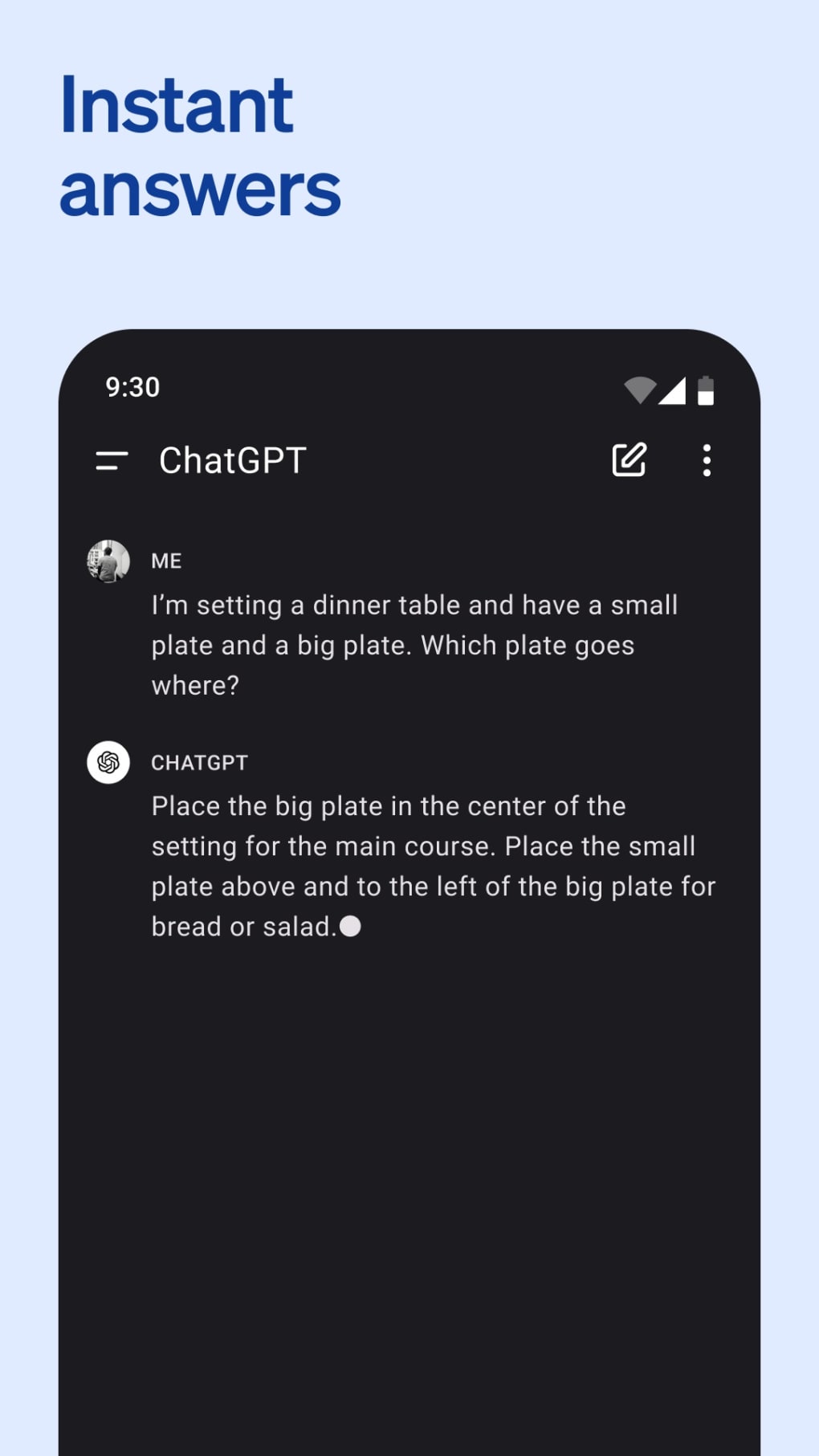
When a user inputs a prompt or question, ChatGPT doesn’t simply search for a pre-existing answer. Instead, it employs a complex process:
-
Understanding the Input: The model first analyzes the user’s input, parsing it into its constituent parts and identifying the key concepts and intent behind the query. This involves breaking down the sentence structure, identifying keywords, and recognizing the overall context.
-
Retrieving Relevant Information: Based on the parsed input, the model accesses its internal knowledge base – a massive network of interconnected concepts and relationships learned during its training. This isn’t a simple keyword search; it’s a more sophisticated process that involves understanding the relationships between words and concepts.
-
Generating a Response: Using its understanding of the input and the relevant information from its knowledge base, the model generates a response. This generation is not a simple retrieval of a pre-written sentence; instead, it involves predicting the most likely sequence of words that would form a coherent and relevant answer, considering grammatical rules, stylistic choices, and the overall context of the conversation.
-
Refinement and Output: The generated response undergoes a final stage of refinement, where the model checks for coherence, consistency, and factual accuracy (to the best of its ability). The final output is then presented to the user.
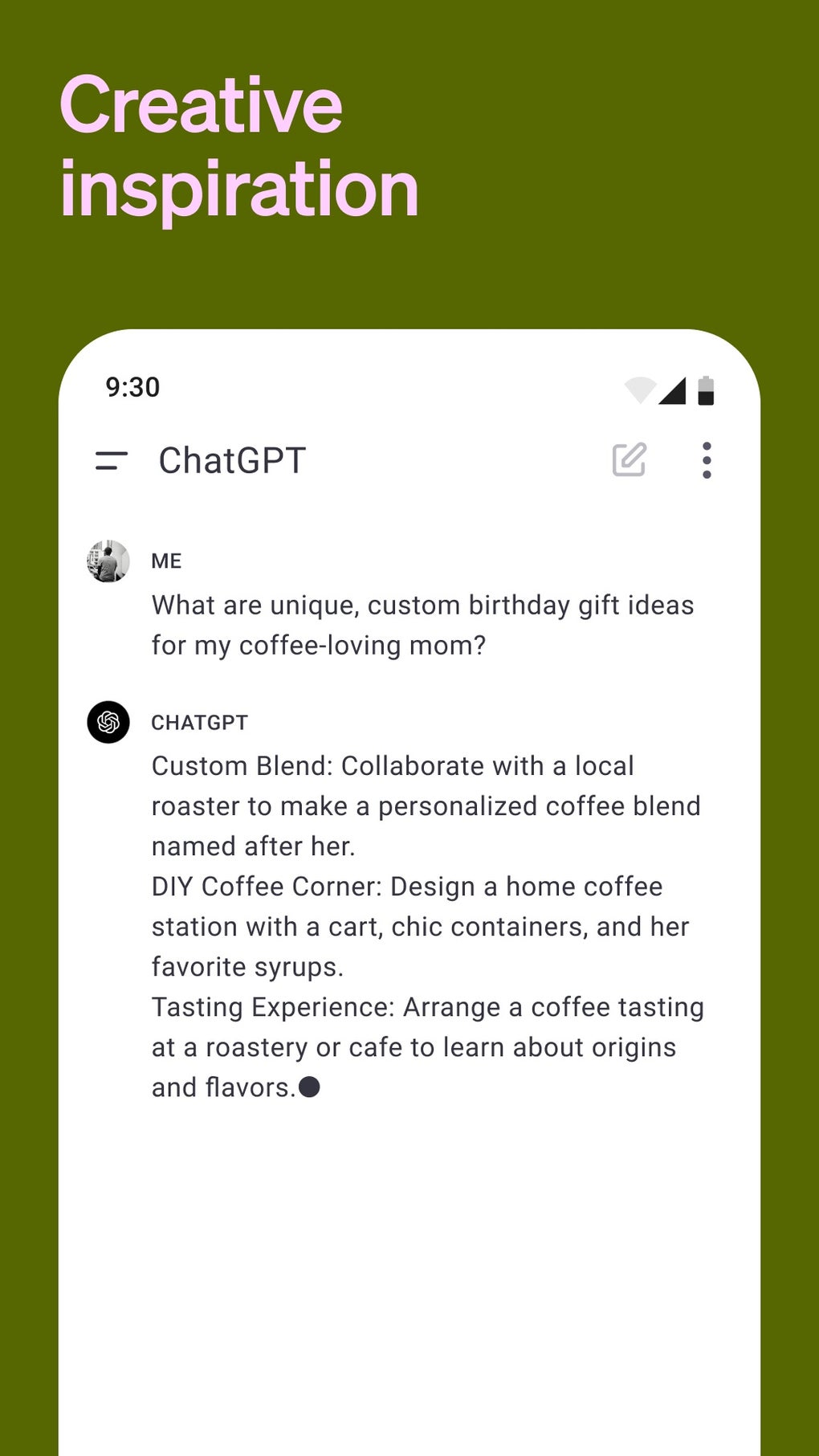
Diverse Applications of ChatGPT: Beyond Simple Chat
ChatGPT’s versatility extends far beyond casual conversation. Its capabilities span a wide range of applications, including:
-
Content Creation: ChatGPT can generate various forms of written content, such as articles, blog posts, marketing copy, poems, scripts, and even musical compositions. This makes it a powerful tool for writers, marketers, and content creators seeking to streamline their workflow.
-
Education and Learning: ChatGPT can serve as a virtual tutor, providing explanations of complex topics, answering questions, and offering personalized learning support. It can also assist students with writing assignments, providing feedback and suggestions for improvement.
-
Customer Service: Many businesses are utilizing ChatGPT to enhance their customer service capabilities. It can handle routine inquiries, provide quick answers to frequently asked questions, and even assist with troubleshooting problems. This can significantly reduce the workload on human customer service representatives.
-
Software Development: ChatGPT can aid in software development by generating code snippets, assisting with debugging, and even suggesting improvements to existing code. It can also help developers learn new programming languages by providing examples and explanations.
-
Research and Analysis: Researchers can use ChatGPT to analyze large datasets, identify trends, and synthesize information from multiple sources. It can also help with literature reviews, summarizing key findings and identifying relevant research papers.
Limitations and Challenges of ChatGPT
While ChatGPT demonstrates impressive capabilities, it is not without its limitations. These limitations are crucial to understand to avoid misinterpretations and to appreciate the ongoing development in AI. Key limitations include:
-
Factual Accuracy: Although trained on a massive dataset, ChatGPT sometimes generates responses that are factually inaccurate or misleading. This is particularly true for niche topics or areas where information is constantly evolving. It is crucial to critically evaluate the information provided by ChatGPT and to cross-reference it with reliable sources.
-
Bias and Discrimination: Like many large language models, ChatGPT can reflect biases present in its training data. This can lead to the generation of responses that are discriminatory, offensive, or otherwise harmful. OpenAI is actively working to mitigate these biases, but they remain a significant challenge.
-
Lack of Real-World Understanding: ChatGPT lacks real-world experience and common sense reasoning. It can struggle with tasks that require an understanding of physical laws, social interactions, or emotional intelligence.
-
Overreliance on Patterns: ChatGPT’s strength lies in identifying and reproducing patterns in the data it was trained on. However, this can sometimes lead to the generation of responses that are statistically likely but semantically nonsensical or illogical.
The Future of ChatGPT and AI Chatbots
ChatGPT’s evolution is ongoing, with new features and improvements constantly being rolled out. Future developments are likely to focus on addressing the limitations mentioned above, including:
-
Improved Fact-Checking and Verification: Future iterations will incorporate more sophisticated fact-checking mechanisms to reduce the likelihood of generating inaccurate information.
-
Bias Mitigation Techniques: Ongoing research is aimed at developing techniques to identify and mitigate biases in large language models, ensuring more equitable and inclusive outputs.
-
Enhanced Reasoning and Common Sense: Researchers are exploring ways to equip LLMs with enhanced reasoning capabilities, allowing them to understand and reason about the real world more effectively.
-
Integration with Other Technologies: ChatGPT is likely to be integrated with other technologies, such as computer vision and robotics, to enable even more versatile and powerful applications.
The field of AI chatbots is rapidly evolving, and ChatGPT represents a significant milestone in this evolution. While it is not without its limitations, its potential applications are vast, and its ongoing development promises further advancements in the realm of natural language processing and artificial intelligence. As the technology matures, we can anticipate even more sophisticated and helpful AI chatbots that will transform how we interact with computers and access information. The key lies in responsible development and deployment, acknowledging the limitations and ensuring that these powerful tools are used ethically and beneficially.
File Information
- License: “Free”
- Latest update: “August 12, 2025”
- Platform: “Android”
- OS: “Android 15.0”
- Language: “English”
- Downloads: “627.4K”
- Download Options: “Google Play”


