
Checkers, also known as draughts, is a classic strategy board game played by two players on an 8x8 checkered board. Its enduring popularity stems from its simple rules, yet profound strategic depth that offers endless possibilities for tactical maneuvering and calculated risk-taking. This seemingly straightforward game has captivated players for centuries, transcending cultural boundaries and evolving into numerous variations across the globe. From casual family gatherings to intense competitive tournaments, checkers provides a stimulating mental workout and a rewarding pastime for players of all ages and skill levels.
The Gameplay: Simple Rules, Complex Strategies
The basic rules of checkers are remarkably simple to grasp, making it accessible to beginners. Each player starts with twelve pieces, traditionally colored black and white, placed on the dark squares of their respective halves of the board. The objective is to capture all of your opponent’s pieces or block them from making any legal moves.
Movement involves diagonal moves, one square at a time, forward only for regular pieces. Capturing an opponent’s piece is achieved by jumping over it diagonally to an empty square behind it. Multiple jumps are allowed in a single turn if opportunities present themselves, providing a dynamic element to gameplay.
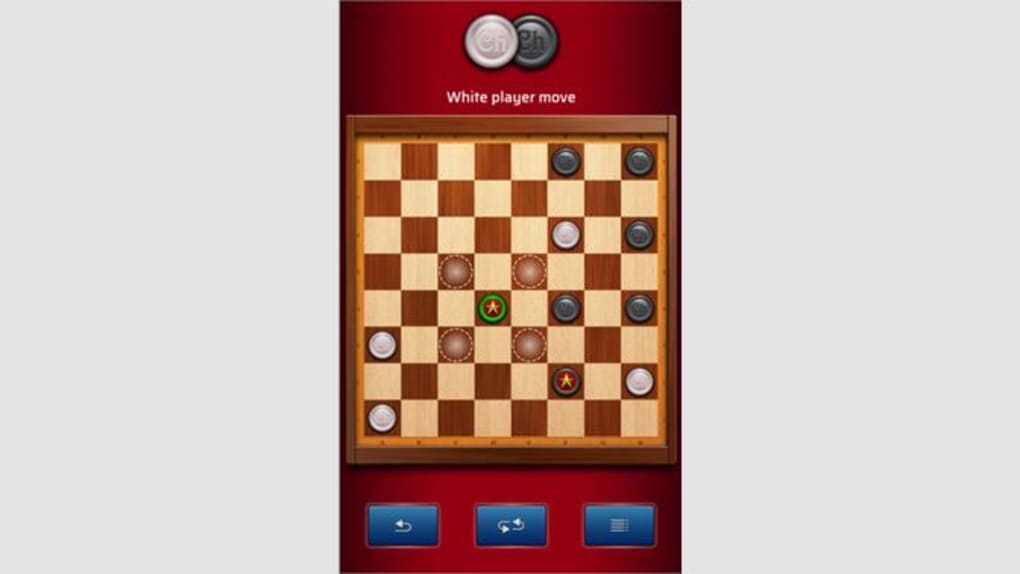
The game progresses as players strategically maneuver their pieces, aiming to control key squares on the board and create opportunities for captures. A captured piece is removed from the board, representing a significant loss for the losing player.
As a player’s pieces reach the opposite side of the board, they are crowned as “kings,” gaining enhanced mobility. Kings can move and capture diagonally in any direction, adding another layer of strategic complexity to the game. This ability to move backward significantly alters the dynamics of the late game, requiring careful consideration of both offensive and defensive strategies.
The game concludes when one player either captures all of their opponent’s pieces or completely blocks their opponent’s pieces, leaving them unable to make any legal moves. This outcome often hinges on the players’ ability to anticipate their opponent’s strategies and create effective counter-moves.
Variations of Checkers: A Global Game
While the basic rules of checkers remain consistent, various regional variations exist, showcasing the game’s adaptability and its widespread appeal. Some notable variations include:
-
American Checkers: This is the most common version played in the United States and Canada. It uses the standard 8x8 board and follows the basic rules described above.
-
International Checkers (also known as Polish Draughts): Played on a 10x10 board, this variation increases the complexity and strategic depth of the game, offering even more opportunities for sophisticated maneuvering and prolonged gameplay.
-
Russian Checkers (also known as Shashki): Another variation that plays on a 8x8 board but features some different rules on kings and movement.
-
Brazilian Checkers: This variant incorporates additional rules regarding capturing and piece movement.
These variations, along with others, demonstrate the game’s versatility and its ability to adapt to different cultural preferences. Each version presents unique challenges and strategic considerations, adding to the game’s enduring appeal. The variety ensures there’s always a new challenge or a different level of difficulty to explore, keeping players engaged and invested.
Checkers: More Than Just a Game
Beyond its simple rules and strategic depth, checkers offers several additional benefits that contribute to its long-standing popularity:
-
Cognitive Development: Checkers promotes critical thinking, problem-solving skills, and strategic planning. The game demands careful consideration of possible moves and counter-moves, forcing players to analyze the board and anticipate their opponent’s actions. This mental exercise is invaluable for developing cognitive skills and enhancing decision-making abilities.
-
Memory Enhancement: Remembering previous moves and their consequences is crucial for success in checkers. This constant mental recall helps sharpen memory skills, improving a player’s ability to retain information and recall details.
-
Concentration and Focus: Checkers requires sustained concentration and attention to detail. Players must focus on the current state of the board, plan their moves carefully, and anticipate their opponent’s responses. Regular play improves one’s ability to maintain focus for extended periods.
-
Social Interaction: Checkers is a social game, often enjoyed with family and friends. It provides an opportunity for bonding and interaction, fostering relationships and creating shared experiences. The competitive nature of the game can also be a fun and engaging way to socialize.
-
Accessibility: Checkers is relatively inexpensive to play, requiring only a board and pieces. Its straightforward rules make it accessible to people of all ages and skill levels, fostering a sense of inclusivity and shared enjoyment.
-
Historical Significance: Checkers has a rich history, dating back centuries. Its enduring popularity speaks to its inherent appeal and timeless quality, a testament to its enduring capacity to provide amusement and intellectual stimulation.
Checkers in the Digital Age
The advent of digital technology has brought checkers into the 21st century, offering a new dimension to this classic game. Digital checkers games provide several advantages:
-
Accessibility: Online checkers platforms make the game accessible to people across geographical boundaries, allowing players to compete with opponents worldwide.
-
Convenience: Digital checkers games can be played anytime, anywhere, eliminating the need for a physical board and pieces. This convenience increases accessibility and reduces the logistical barriers to playing.
-
Multiple Game Modes: Many digital versions offer various game modes, including single-player against AI opponents of varying skill levels, multiplayer games against other players online, and even tutorials for beginners. This caters to a wider range of players and allows for personalized gameplay experiences.
-
Game Analysis Tools: Some advanced digital versions offer built-in analysis tools to help players review their games, identify mistakes, and learn from their experiences. These tools enhance the learning process and facilitate improvement.
-
Variations and Customization: Digital platforms often provide access to different variations of checkers, allowing players to explore different game mechanics and strategic challenges. Many versions also allow for customization of game settings, such as board appearance, piece design, and even rule adjustments.
The evolution of checkers from a simple pastime to a global phenomenon played both on physical boards and digital platforms underscores its inherent appeal and lasting legacy. Whether enjoyed casually with friends or pursued competitively at a high level, checkers continues to provide a fascinating and rewarding experience for players of all ages and abilities. The game’s enduring popularity is a testament to its strategic depth, accessible nature, and capacity for providing both entertainment and intellectual stimulation.
File Information
- License: “Free”
- Version: “10.9.0.0”
- Latest update: “July 11, 2023”
- Platform: “Windows”
- OS: “Windows 11”
- Language: “English”
- Downloads: “13.6K”


