
Chess Free!, once available for Windows, offered a blend of classic gameplay with modern features. While no longer downloadable due to reasons unknown (discontinuation, security concerns, or other factors), its features and user reception provide insight into its strengths and weaknesses. This review analyzes the application based on available information, exploring its design, functionality, and overall user experience. The app’s disappearance from online stores highlights the unpredictable nature of software availability and the importance of exploring alternatives.
A Multifaceted Approach to Chess Gameplay
Chess Free! distinguished itself by catering to a wide range of players. Its core strength lay in its accessibility. The inclusion of 25 difficulty levels ensured a smooth learning curve for newcomers, while simultaneously providing a challenge for more experienced players. This inclusive design successfully bridged the gap between casual enjoyment and serious strategic engagement. The game’s developers clearly recognized the diverse needs of their target audience, offering a flexible platform for both beginners seeking instruction and experts looking for a quick game.
Beyond difficulty levels, the app aimed to enhance the overall chess experience. It incorporated realistic 3D graphics, animations, and immersive sound effects. This visual enhancement aimed to elevate the aesthetic appeal of the game, creating a more engaging and visually rich environment. The use of 3D models, although potentially impacting performance on lower-spec systems, contributed to the game’s immersive quality, enhancing the feeling of playing a real-life chess game. The subjective nature of this design choice means that while some users appreciated the visual flair, others might have considered it superfluous or a performance drain.
Customization and Flexibility: Tailoring the Experience
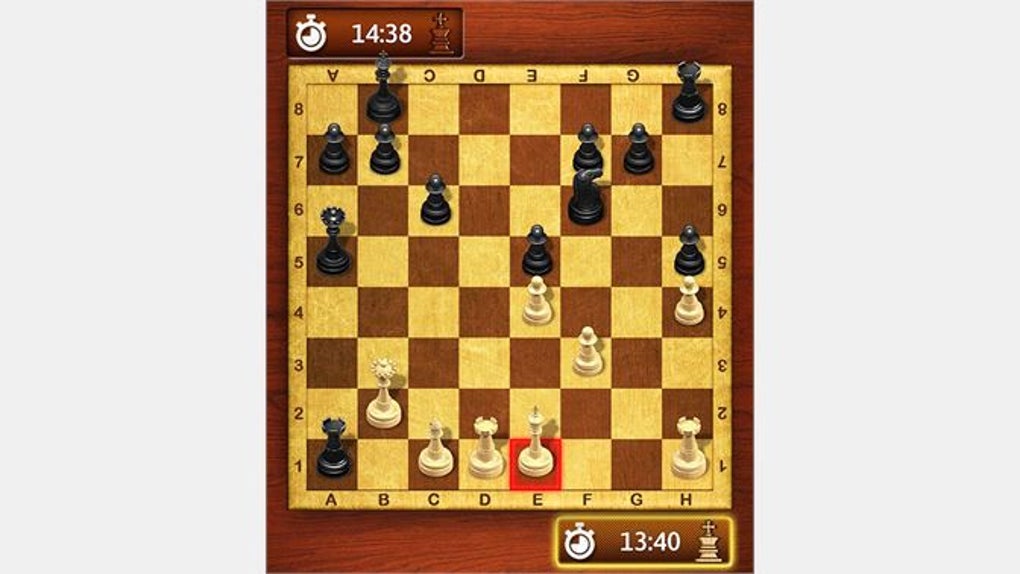
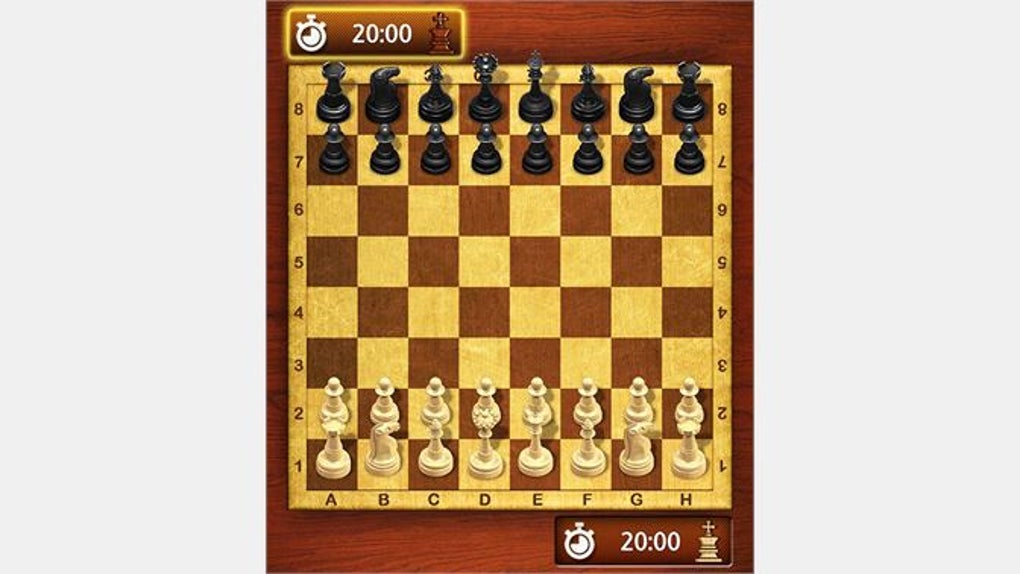
Chess Free! allowed for a significant degree of user customization. Players could personalize their game by selecting from a variety of chess sets and board colors, adding a touch of personal flair. The option to include a “stylish metal effect” showcased the app’s attempt to go beyond basic functionality. This customization element clearly targeted players who valued visual customization alongside strategic gameplay, catering to those wanting to tailor their digital chessboard to their preferences.
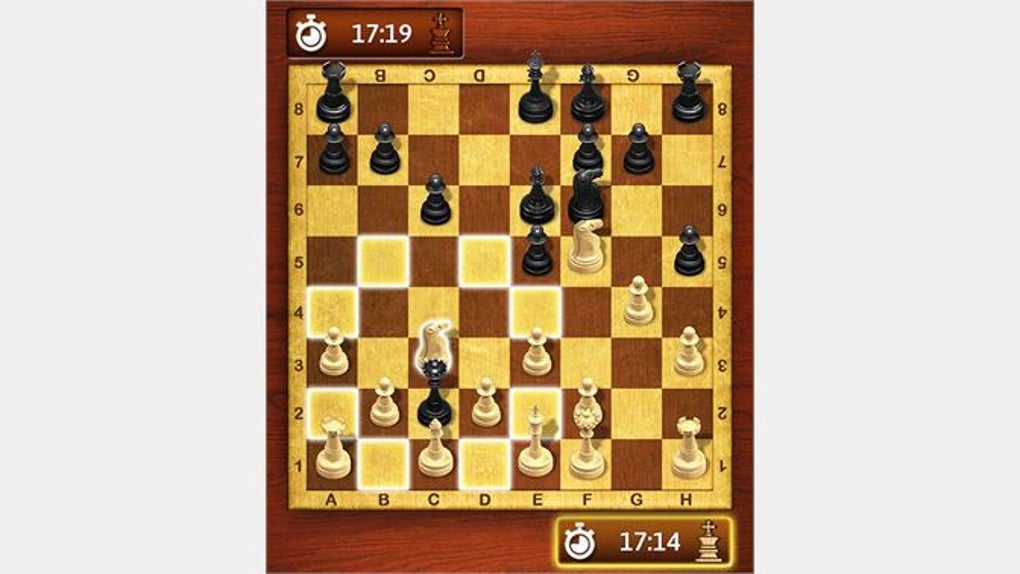
The gameplay itself also offered significant flexibility. Users could choose between timed and untimed games, allowing them to adapt the pace to their needs and preferences. A particularly noteworthy feature was the ability to undo and redo moves without penalty. This aspect aimed to create a more relaxed and forgiving environment, particularly beneficial for learning and casual play.
However, the inclusion of these features, while creating a user-friendly experience, created a potential drawback. The ease of undoing moves and the lack of consequences for rapid decision-making might have deviated from the traditional chess experience. This feature, while helpful for learners, could potentially detract from the game’s authenticity for players seeking a more rigorous simulation of actual chess play. The removal of the pressure of irreversible decisions could have limited the development of critical thinking skills associated with real-world chess.
Analysis and Learning: A Focus on Improvement
Chess Free! also recognized the importance of post-game analysis in improving chess skills. The app allowed users to review past games move-by-move, providing a platform for learning and strategic development. This feature encouraged a deeper understanding of the game by allowing players to dissect their decisions, analyze mistakes, and explore alternative strategies.
The ability to review games, step by step, enabled players to identify patterns in their play, recognize weak points in their strategy, and develop more effective tactics. This analytical functionality turned the game from a simple contest into a learning experience, benefiting both beginners working on fundamental skills and experienced players seeking to refine their strategy.
Limitations of the AI
While Chess Free! offered many positive features, it faced criticism regarding the AI’s predictable opening moves. The repetition of these starting moves limited the diversity of gameplay, especially for more advanced players familiar with typical chess openings. For a casual player, this may not be a significant issue, but experienced players seeking a rigorous intellectual challenge would likely find the AI’s predictable approach frustrating and limiting.
The relatively simplistic AI, while adequate for beginners, proved to be a significant constraint for those seeking a truly competitive experience. The lack of sophisticated AI strategies highlighted a gap between the app’s user-friendly features and its capacity for providing a truly challenging and intellectually stimulating game for experienced players. The repetitive AI patterns meant the game lacked the strategic depth expected by experienced chess players.
Chess Free!: A Balanced Perspective
Chess Free!, despite its limitations, provided a user-friendly approach to learning and playing chess. Its inclusive difficulty levels, flexible gameplay options, and post-game analysis tools made it an appealing choice for beginners seeking a visually appealing and engaging introduction to the game. The app clearly aimed to provide a low-pressure environment conducive to learning and experimentation.
However, the AI’s predictable opening moves and potential performance issues could have frustrated more experienced players seeking a more challenging and authentic chess experience. The balance between user-friendly features and the sophistication of the AI ultimately determined the target audience. Players seeking a serious training tool or a challenging opponent might have found Chess Free! lacking in comparison to other, more robust applications.
The fact that the application is no longer available underscores the fluidity of the digital software market. Applications are subject to removal for numerous reasons, from security concerns to simple discontinuation by the developer. This situation serves as a reminder of the dynamic nature of the digital landscape and the importance of exploring alternative options when preferred software is no longer available.
Alternatives to Chess Free!
The absence of Chess Free! necessitates exploring available alternatives. Several chess applications, both free and paid, offer a range of features and gameplay styles. Choosing an alternative depends heavily on individual preferences and skill levels. Some applications may prioritize realism and competitive gameplay, while others might focus on teaching and educational aspects. Considering options such as Free Chess, Chess Titans, and 3D Chess Game for Windows 10, along with other available chess apps, can help find suitable alternatives based on individual needs and expectations.
The review of Chess Free! ultimately reveals a digitally-available chess game with a blend of strengths and weaknesses. While offering a user-friendly experience with many appealing features, its limitations in AI sophistication and the fact that it’s no longer available highlight the ever-changing nature of the digital software world. The availability of many alternative chess applications ensures that players can still find a suitable game that matches their skills and preferences.
File Information
- License: “Free”
- Version: “varies-with-device”
- Latest update: “December 6, 2023”
- Platform: “Windows”
- OS: “Windows 10”
- Language: “English”
- Downloads: “150.2K”


