In the vast and ever-evolving landscape of video games, particularly in the realm of simulation, players often seek experiences that mirror the complexities and nuances of real life. While many titles offer intricate worlds and deep mechanics, the desire for an even greater degree of realism and player agency frequently leads to the vibrant world of game modifications, or mods. Among these, the “Child Age Up” mod for the beloved farming and life simulation game, Stardew Valley, stands out as a thoughtful and impactful enhancement designed to deepen the player’s immersive experience. Developed by the creative mind of Alizsabet, this particular mod transforms the static nature of in-game children into dynamic, evolving characters, enriching the player’s virtual family life and adding a compelling layer of simulation that resonates with players seeking more profound engagement.
The Child Age Up mod addresses a common desire among Stardew Valley players: to see their in-game children grow beyond infancy and participate actively in the bustling life of Pelican Town. Before this mod, children in Stardew Valley remained largely static, perpetual toddlers who offered little interaction beyond simple gestures. Alizsabet’s creation shatters this limitation, introducing a system where children can age up, develop schedules, and even attend school alongside familiar NPC children like Jas and Vincent. This shift from passive dependents to active members of the virtual community is a significant step towards a more believable and engaging simulation. The mod’s core promise is simple yet profound: to allow players to witness and manage the development of their offspring, bringing a new dimension of responsibility and joy to their farming endeavors.
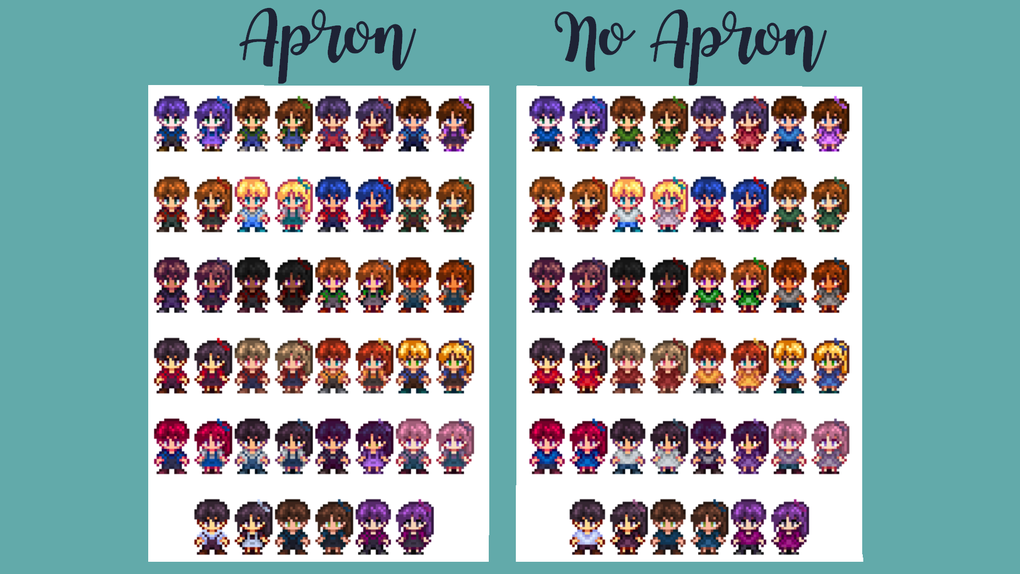
Upon integration into the game, the mod initiates a realistic progression for the player’s children. After a designated period of in-game play, the child will transition from a static toddler to a school-aged individual, complete with a predetermined daily schedule. This schedule is not merely for show; it dictates their activities, sending them off to school, allowing them to earn virtual paychecks through minor tasks, shop for items in the market, engage in domestic activities like cooking, and finally, rest before returning home. This structured routine injects a sense of purpose and independence into the children’s virtual lives, making them feel less like passive assets and more like active participants in the game world. The convenience factor for players is paramount; the mod is crafted to ensure that children remain engaged without becoming a burden, thereby preventing potential boredom that might arise from a lack of interactive child characters. Beyond player engagement, the mod also aims to enhance the realism of the game, a feature particularly appealing to parents who might appreciate a more life-like portrayal of family dynamics within a game. The mod’s detailed functionalities and diverse scheduling options contribute significantly to this enhanced realism, offering a more robust and emotionally resonant gameplay experience.
Beyond Play: Dynamic Schedules and Gameplay Evolution
The Child Age Up mod doesn’t simply age up a child; it imbues them with a structured daily routine that simulates real-world responsibilities and activities. This intricate scheduling system is at the heart of the mod’s appeal, providing layers of depth that were previously absent from Stardew Valley’s family dynamics. The various schedules cater to different in-game seasons and events, ensuring that the children’s lives remain dynamic and responsive to the evolving game world.
Seasonal Rhythms: Integrating Practical Schedules
One of the most innovative aspects of the Child Age Up mod is its introduction of several distinct types of schedules designed to integrate the children seamlessly into the seasonal flow of Stardew Valley. These schedules are not just arbitrary; they reflect practical activities and seasonal changes, adding a touch of authenticity to the children’s daily routines.
The Seasonal Maintenance Schedule is a prime example of this thoughtful design. Primarily utilized during the colder months, particularly around the Christmas season, this schedule dictates that children assist with tasks such as clearing trees in the town during specific months of the year. This not only gives the children a tangible role but also aligns with the real-world concept of seasonal chores and community contributions. It teaches, in a subtle virtual way, the importance of maintaining one’s environment and participating in community upkeep.
As the seasons change, so do the children’s activities. During the vibrant months of Spring and Summer, the mod introduces the Outdoor Bus Schedules. These schedules facilitate the transportation of children to school and back, mirroring the common reality of school bus services. However, this feature comes with a realistic caveat: these schedules are only available during specific months, and during the peak of summer, travel via the bus might even be restricted. This detail adds another layer of realism, acknowledging the seasonal nature of schooling and holidays. It compels players to consider the environmental context and plan their children’s activities accordingly, further deepening the immersion.
Furthermore, the mod includes a comprehensive Holiday Schedule that significantly aids a child’s advancement throughout the game. This schedule operates similarly to the Seasonal Maintenance Schedule but is applicable to nearly every holiday within the game, with a few notable exceptions. For instance, Valentine’s Day is treated uniquely; while the schedule is active, the rates for items a child might sell are cheaper, providing an opportune moment for players to leverage this economic advantage for their children’s virtual earnings. Conversely, the Independence Day celebration is an exception where the mod will not implement a specific schedule for selling items. This decision by the mod’s authorities is humorously attributed to the belief that “too many people are likely to buy gifts on that day,” injecting a touch of charm and realism into the mod’s rationale. These specific holiday considerations demonstrate the meticulous attention to detail Alizsabet invested in making the mod feel truly integrated and alive.
Fostering Independence: Life Skills in a Digital World
At its core, the Child Age Up mod is about more than just adding visual progression; it’s about fostering a sense of independence and responsibility within the game. The mod was explicitly created to empower children within Stardew Valley to “grow up properly” and manage their own schedules, rather than merely existing as dependents on their virtual parents or grandparents. This emphasis on autonomy is a game-changer for players who desire a more dynamic family experience.
By assigning schedules for school, market visits, chores, and rest, the mod simulates the developmental journey of a child learning to navigate their world. This digital scaffolding of responsibility subtly educates players on the aspects of parenting and child-rearing, even if it’s within a whimsical farming simulator. The children are no longer passive recipients of care; they become active agents, contributing to the household and the community in their own right. This shift enhances the emotional connection players feel towards their virtual offspring, as they watch them evolve from helpless infants into semi-independent individuals.
The dedication of the mod’s developers, particularly Alizsabet, to ensure that the various in-game holidays seamlessly integrate into these schedules, is truly commendable. This painstaking attention to detail ensures that the children’s routines feel natural and fluid, rather than tacked-on or disruptive. The careful alignment of seasonal events, holidays, and daily tasks creates a cohesive and believable framework for child development within Stardew Valley. This makes the game feel more realistic and engaging, addressing a niche but significant aspect of player immersion: the desire for virtual family life to mirror, however faintly, the complexities and rewards of real-world family dynamics. The mod transforms a purely functional aspect of the game (having children) into a deeply enriching and interactive experience, moving beyond mere aesthetics to introduce genuine gameplay mechanics tied to child development.
The Broader Landscape: Modding, Utilities, and the Digital Ecosystem
The Child Age Up mod for Stardew Valley is an excellent example of how community-driven initiatives significantly enhance the longevity and depth of video games. Its existence, distribution, and reception highlight the robust ecosystem that surrounds modern gaming, encompassing everything from user-generated content to dedicated software platforms. Understanding this broader context sheds light on why mods like Child Age Up are so valuable to players and the industry alike.
The Power of Community-Driven Development
Modding, at its heart, is a form of “Development & IT.” It involves passionate individuals using their programming, artistic, and design skills to create new content, fix issues, or alter existing game mechanics. This grassroots development often fills gaps that official developers might not have addressed, introduces features that cater to niche player desires, or simply extends the lifespan of beloved titles. In the case of Stardew Valley, a game already known for its immense depth, mods like Child Age Up push the boundaries of immersion even further.
The modding community thrives on collaboration, creativity, and a shared love for specific games. Alizsabet’s Child Age Up mod is a testament to this spirit. It demonstrates how a single developer, driven by an idea to make virtual children more dynamic, can create an enhancement that resonates with thousands of players. Mods extend game longevity by constantly refreshing the gameplay experience. Players return to games like Stardew Valley years after their initial release, often because new mods offer new challenges, new stories, or, in this instance, new family dynamics. This continuous stream of player-created content ensures that a game remains fresh and engaging, fostering an active and dedicated player base.
The accessibility of modding tools and the willingness of developers to engage with their communities have turned modding into a powerful force. It blurs the lines between player and developer, allowing anyone with the vision and skills to contribute to a game’s evolution. This collective ingenuity transforms games into living, breathing entities that adapt and grow over time, largely thanks to the “Development & IT” skills present within the player community. Platforms that host and promote these mods play a crucial role in this ecosystem, acting as central hubs for discovery and distribution.
PhanMemFree.org: A Gateway to Enhanced Experiences
For players seeking to enhance their Stardew Valley experience with mods like Child Age Up, platforms like PhanMemFree.org serve as essential gateways. These websites specialize in cataloging, reviewing, and providing secure downloads for a vast array of software, including game mods that often fall under the category of “Utilities & Tools.” PhanMemFree.org, in this context, becomes more than just a download site; it’s a curated library where users can discover new ways to interact with their favorite applications and games.
The Child Age Up mod, explicitly listed for Windows, version 1.2.3, and available in English, exemplifies the type of content PhanMemFree.org offers. These platforms provide crucial information such as the license type (Free, in this case), the latest update date (July 17, 2025, indicating active development or updates), and platform compatibility (Windows 10). Such details are vital for users to ensure the software is compatible with their system and is current. The reported download statistics, like “590 downloads” and “7 last month’s downloads,” also provide an indication of the mod’s popularity and ongoing interest from the community.
Security status is another paramount feature offered by reputable download platforms. PhanMemFree.org emphasizes the “Security Status” of downloads, which is critical for users downloading third-party software like game mods. In a digital world riddled with potential threats, a platform’s commitment to verifying the safety of its offerings provides peace of mind. Furthermore, the availability of software in multiple languages, as evidenced by the numerous language options for “Child Age Up” (e.g., Arabic, German, Spanish, French, Indonesian, Italian, Japanese, Korean, Dutch, Polish, Portuguese, Russian, Swedish, Thai, Turkish, Vietnamese, Chinese), underscores the global reach and accessibility these platforms provide. This internationalization ensures that players from various linguistic backgrounds can access and enjoy these enhancements.
User reviews and ratings, also facilitated by PhanMemFree.org, are indispensable. They offer a community perspective on the mod’s performance, stability, and overall value. A single user rating, as seen for Child Age Up, encourages others to contribute their opinions, building a collective knowledge base that helps new users make informed decisions. Beyond specific mods, PhanMemFree.org organizes its vast collection into intuitive categories such as “Games,” “Utilities,” “Security & Privacy,” “Productivity,” “Multimedia,” and “Development & IT,” among others. This categorization allows users to easily navigate and discover not just games, but also essential “Utilities & Tools” that enhance their digital lives, from file managers to system optimizers. The platform’s comprehensive structure, including sections for “Best Products” like VPNs, antiviruses, and image editors, further positions it as a go-to resource for a wide range of software needs, ensuring users can find everything from essential system tools to niche game enhancements like the Child Age Up mod.
Looking Ahead: The Future of Interactive Life Simulation
The Child Age Up mod for Stardew Valley is more than just a minor addition; it represents a significant step forward in how players can experience and interact with virtual life simulations. By introducing realistic child development and dynamic scheduling, Alizsabet’s creation taps into a deeper desire for realism and meaningful engagement within games. It highlights the power of the modding community to not only extend the life of a game but also to evolve its core design principles, pushing towards a future where digital worlds are even more reflective of our own.
The concept of character aging and progression is not new to gaming, especially in RPGs and simulation titles, but its application to player-created offspring in a game like Stardew Valley adds a unique layer of emotional investment. Players are no longer just managing farms or building relationships; they are raising a virtual family, observing their growth, and guiding their burgeoning independence. This level of immersion fosters a stronger bond between the player and their digital world, transforming a simple game mechanic into a rich, narrative-driven experience.
As gaming technology advances, and as player expectations for realism and customization continue to grow, the demand for mods that offer deep, integrated features like Child Age Up will only intensify. The continuous evolution of simulation games will undoubtedly be shaped by such player-driven innovations, demonstrating that the future of interactive entertainment lies not solely with official developers, but also with the vibrant, creative communities that rally around their favorite titles. Platforms like PhanMemFree.org will remain vital in facilitating this creative exchange, ensuring that groundbreaking enhancements like the Child Age Up mod are accessible to a global audience, enriching countless virtual lives one download at a time. The mod ensures that the Stardew Valley experience, already celebrated for its depth, becomes even richer, more realistic, and ultimately, more resonant for players seeking a truly immersive journey through virtual family life.
File Information
- License: “Free”
- Version: “1.2.3”
- Latest update: “July 17, 2025”
- Platform: “Windows”
- OS: “Windows 10”
- Language: “English”
- Downloads: “596”