
City Life 2008, a city-building simulation game released in 2007, offered players the opportunity to design, construct, and manage their own thriving metropolis. While not as graphically advanced as some modern city builders, its depth and complexity provided a compelling experience for players who enjoyed the challenges of urban planning and societal management. This review delves into the game’s features, gameplay mechanics, strengths, and weaknesses, providing a comprehensive overview for prospective players.
Gameplay and Mechanics: Building Your Urban Empire
City Life 2008 presented players with two primary game modes: Scenario and Free mode. In Scenario mode, players inherited a pre-existing city with established infrastructure and a set of challenges to overcome. This mode provided a structured experience, guiding players through specific objectives and goals. Free mode, on the other hand, offered a more open-ended approach, allowing players to start from scratch and build their city entirely from the ground up. This provided greater freedom in design but demanded a more strategic and long-term vision.
Regardless of the chosen mode, players were tasked with managing every facet of their city’s growth and development. This included strategically placing power plants to ensure electricity, constructing residential zones to house citizens, building commercial districts to provide employment, and developing essential infrastructure such as hospitals, schools, and a robust public transportation system. Ignoring any of these aspects could quickly lead to discontent among the populace and hinder the city’s overall progress. Careful planning and efficient resource management were crucial for success.
The game’s unique aspect revolved around managing different social classes within the city. Citizens were categorized into distinct sociocultural groups, each with their own needs and preferences regarding housing, amenities, and proximity to services. Failing to address the needs of these groups could lead to social unrest, protests, and even riots, negatively impacting the city’s stability and progress. This intricate social dimension added a significant layer of complexity to the gameplay, requiring players to adopt a nuanced approach to urban planning.
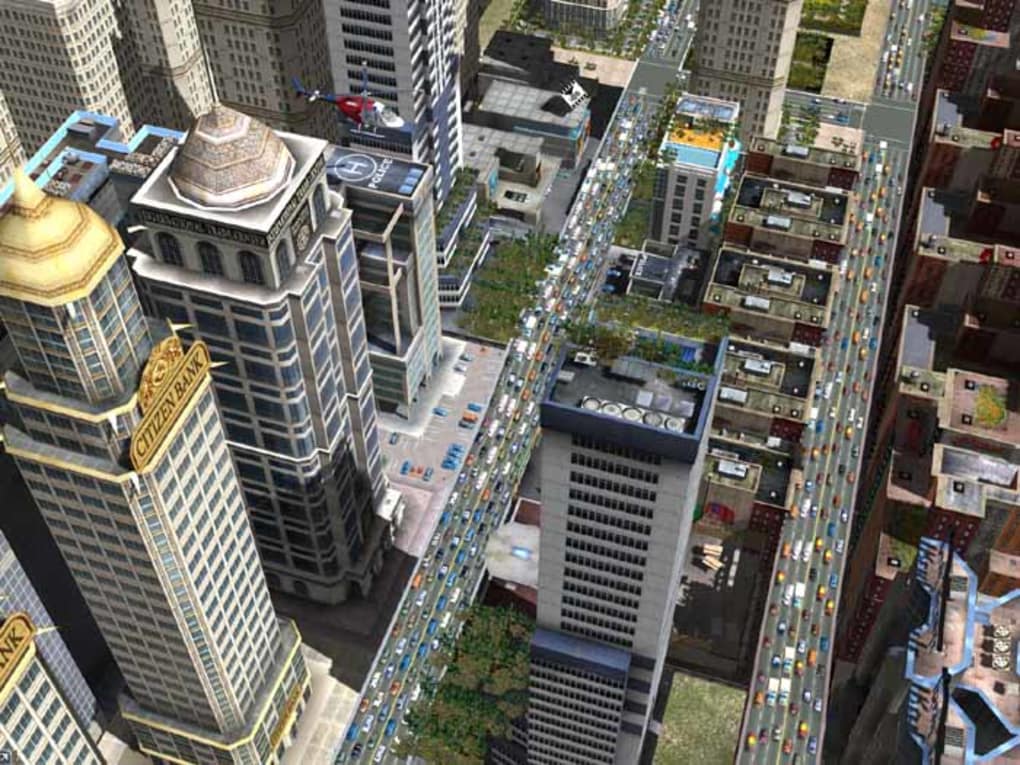
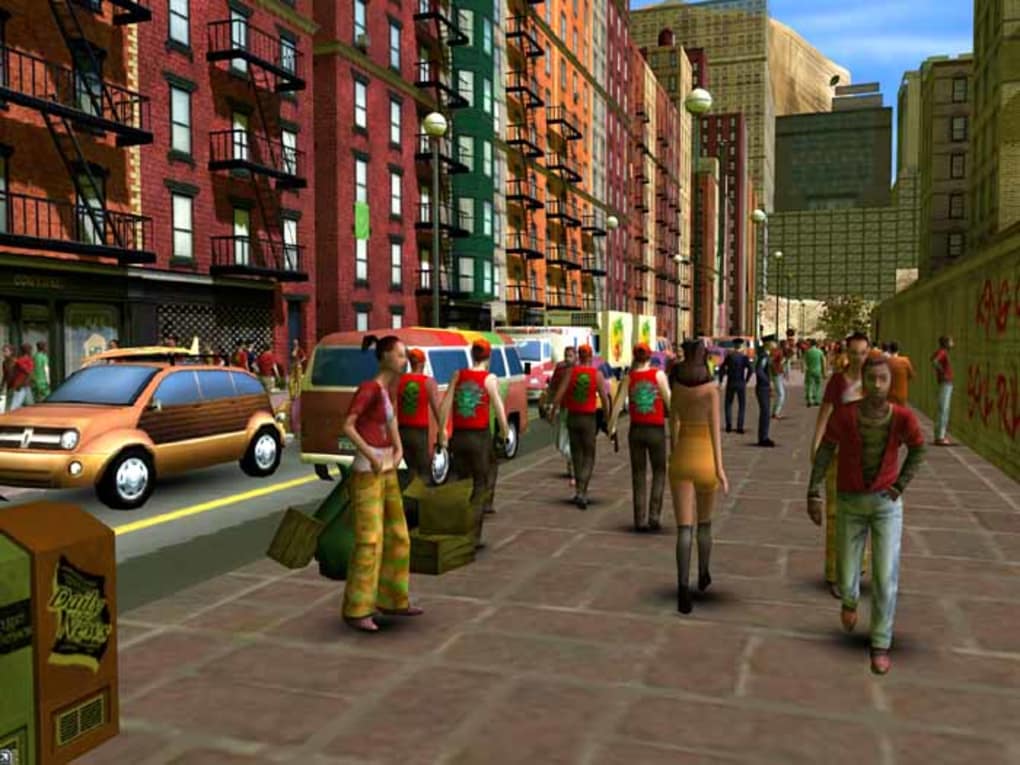
The game’s interface was relatively intuitive, primarily utilizing mouse controls for most actions. Menus were straightforward and easy to navigate, allowing players to quickly access essential tools and information. One notable feature was the game’s zoom capability, which allowed players to zoom in to street level, offering a detailed view of their city’s inhabitants and their daily lives. This immersive perspective provided a unique level of engagement, allowing players to observe the direct consequences of their planning decisions.
Despite its intuitive interface, the game had some drawbacks. Navigation across the map could occasionally feel cumbersome, lacking the fluidity found in later city-building titles. Additionally, the absence of a mouse-controlled camera rotation proved inconvenient for some players. Reliance on keyboard shortcuts for perspective changes could disrupt the flow of gameplay, especially for those accustomed to the ease and precision of mouse control.
Visuals and Sound: A Detailed 3D Environment
City Life 2008 employed a sophisticated 3D engine for its time, offering a level of detail unprecedented in the city-building genre at the time. The game boasted realistic settings, detailed buildings, and impressive graphical effects, including reflection mapping, a dynamic tree engine, and realistic shadowing. These graphical enhancements contributed significantly to the game’s immersive atmosphere.
The city’s visual richness extended to its inhabitants. The game featured detailed animations of citizens engaging in daily activities such as commuting to work, shopping, and leisure pursuits. This animation breathed life into the city, making it feel like a vibrant and dynamic place rather than a static collection of buildings and infrastructure. The visual fidelity allowed players to appreciate the direct impact of their city planning, from the layout of streets to the placement of parks, and observe how these decisions influenced the lives of its citizens.
The audio design, while not as prominent as the visuals, complemented the game’s atmosphere with ambient sounds and subtle environmental effects. The soundscape added a sense of realism, making the experience more immersive and engaging.
Features and Options: Expanding Your City’s Potential
City Life 2008 offered a range of features designed to enhance gameplay and provide diverse options for city development. The availability of both Scenario and Free modes allowed players to tailor their experience to their preferred play style, whether they preferred a structured approach or complete creative freedom. A total of 37 maps, spanning five distinct environments, provided ample variety in terms of terrain and landscape, allowing players to experiment with different city layouts and designs.
The game featured a comprehensive map editor, empowering players to create their own custom maps and landscapes. This feature significantly enhanced the game’s replayability, encouraging experimentation and creative city design.
Central to gameplay was the management of the city’s finances. Players had to track income and expenditure, ensuring that tax revenue and duties generated sufficient funds to maintain and expand the city’s infrastructure. Efficient resource allocation was crucial for sustained growth and development.
Managing the diverse needs of six subcultures was a unique challenge presented by City Life 2008. Players had to ensure harmonious coexistence between these groups, considering their individual needs and preferences. Addressing these diverse social dynamics was integral to maintaining a peaceful and prosperous city. Neglecting the needs of any particular group could lead to social unrest and hamper the city’s overall progress. Satisfying the eight basic needs of each inhabitant – work, shopping, health, safety, education, leisure, quality of life, and neighborhood – was essential for creating a happy and thriving population.
Strengths and Weaknesses: A Balanced Perspective

City Life 2008 offered a compelling experience with several significant strengths. Its detailed 3D graphics and immersive gameplay set a new standard for city-building simulations at the time. The intricate social dynamics and the management of diverse sociocultural groups added a layer of complexity that went beyond mere infrastructure management. The game’s flexible modes, numerous maps, and robust map editor further enhanced its replayability and allowed for diverse gameplay styles. The zoom function, allowing street-level observation, contributed significantly to the immersive experience.
However, the game was not without its shortcomings. The sometimes clunky map navigation and the lack of mouse-controlled camera rotation presented minor frustrations. While the graphics were impressive for their time, they might feel dated compared to more modern city-building games.
Conclusion: A Lasting Legacy in City Building
City Life 2008, despite some minor flaws, left a lasting mark on the city-building genre. Its emphasis on social dynamics, detailed graphics, and engaging gameplay mechanics provided a unique experience. While its age may show in some aspects, the game’s core gameplay loop remains engaging and the complexity it offers remains a significant challenge for even experienced city-building enthusiasts. For those who appreciate a challenging city simulator with a unique focus on social complexities, City Life 2008 is worth revisiting, even if only for a taste of a noteworthy chapter in the history of the genre.
File Information
- License: “Trial version”
- Version: “2008”
- Latest update: “December 19, 2007”
- Platform: “Windows”
- OS: “Windows XP”
- Language: “English”
- Downloads: “71K”
- Size: “514.30 MB”


