
Sid Meier’s Civilization V, a landmark title in the turn-based strategy genre, invites players on a grand journey through the ages, guiding a civilization from its humble beginnings to a potential apex of global dominance – a journey fraught with challenges, triumphs, and the ever-present risk of utter annihilation. Released in 2010, Civilization V significantly evolved the series’ established formula, introducing innovative gameplay mechanics and a visually distinct world map, while retaining the core elements that defined the franchise’s enduring appeal.
A Hexagonal World and Refined Combat
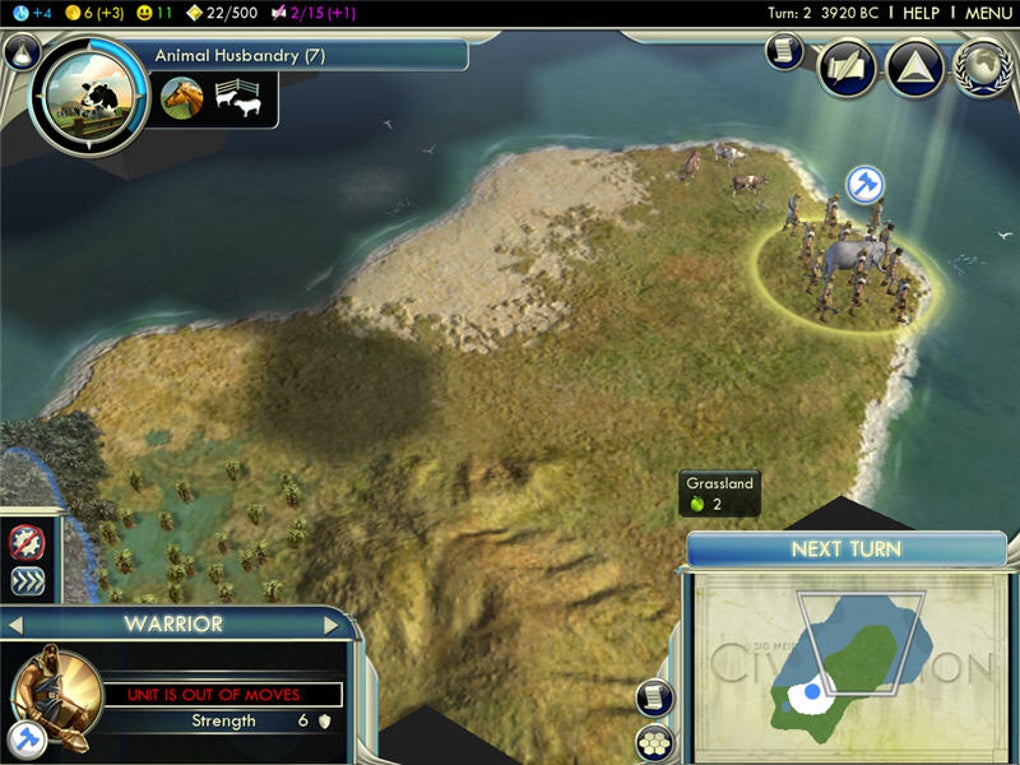
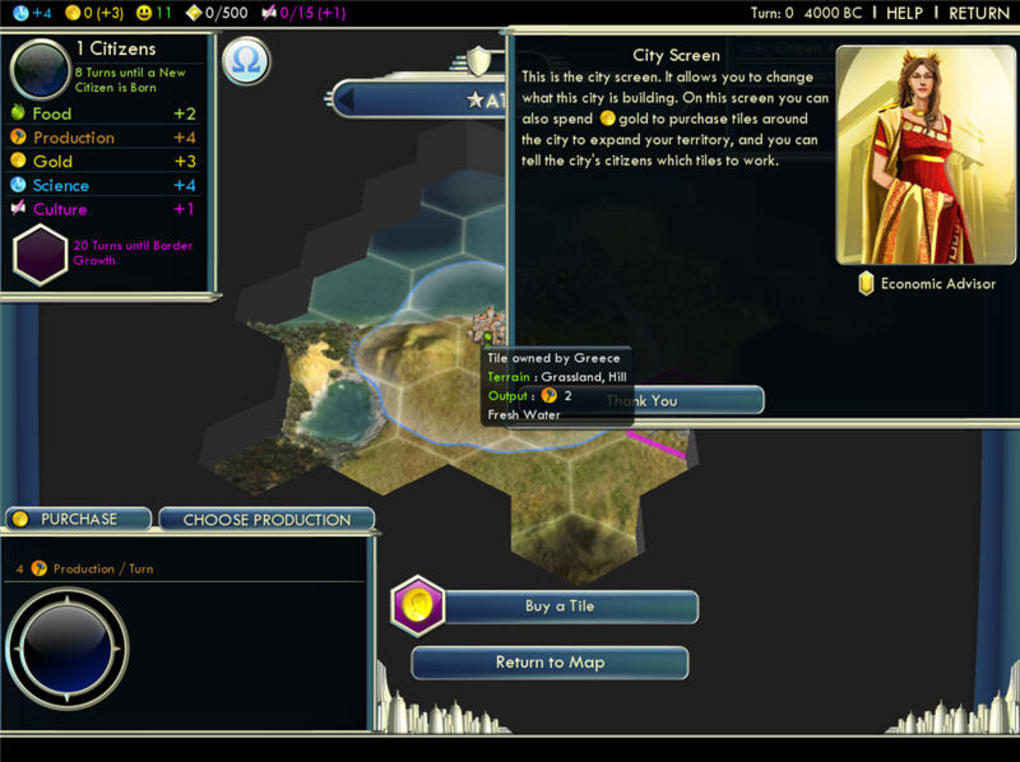
One of the most noticeable changes in Civilization V is the shift from the traditional square grid to a hexagonal map. This seemingly minor alteration has profound effects on gameplay. The hexagonal grid allows for a more organic and realistic representation of terrain, with rivers flowing naturally and cities organically fitting into the landscape. The implications extend beyond visual appeal; strategic movement and combat are fundamentally altered. The six-sided tiles offer a greater variety of tactical options, encouraging more nuanced approaches to combat and expansion.
Furthermore, the traditional “stacking” of units, a hallmark of previous Civilization games, is removed. No longer can vast armies be crammed into a single square, creating almost insurmountable defensive positions. Instead, each unit occupies its own hexagonal tile, forcing players to consider unit placement and deployment more carefully. This change leads to more dynamic and unpredictable battles, where strategic positioning and tactical maneuvering are paramount to achieving victory.
Empire Building and Technological Advancement
Civilization V’s gameplay hinges on the meticulous development of one’s empire. Players must carefully manage resources, balance economic growth with military strength, and navigate the complex web of diplomatic relations with other civilizations. The game’s intricacy is evident in its vast array of choices. Players must select a leader from a diverse roster, each with unique strengths, weaknesses, and agendas, shaping the overall direction and style of their empire.
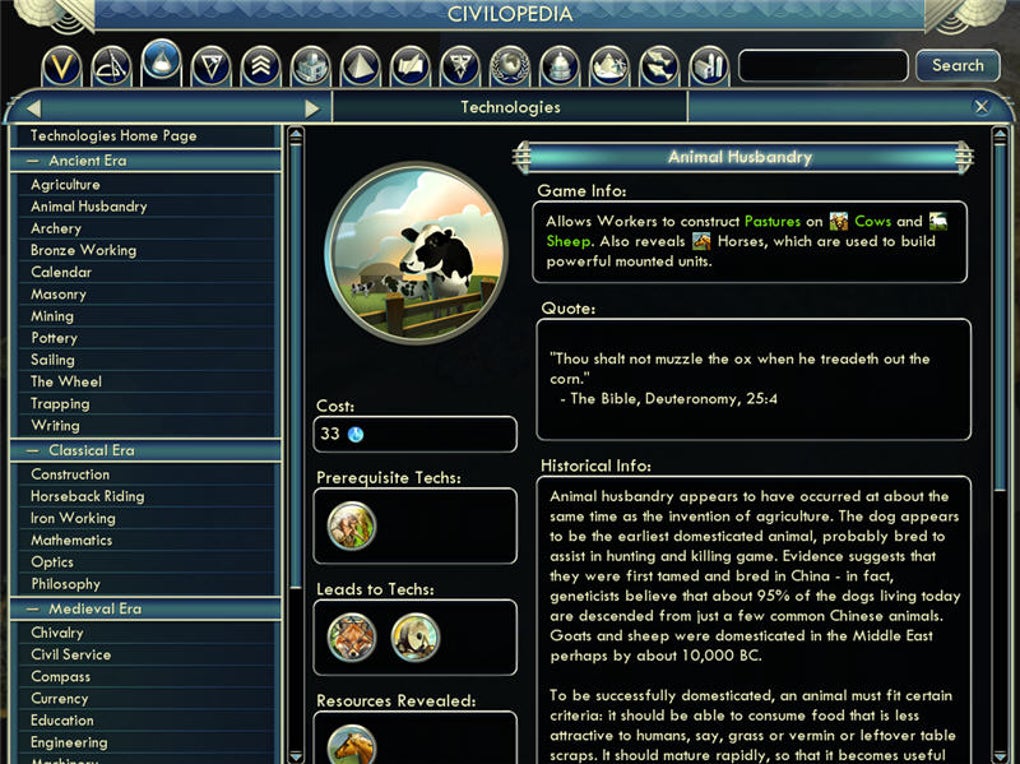
Technological advancement plays a critical role in shaping the trajectory of a civilization. Researching new technologies unlocks access to superior weaponry, more efficient infrastructure, and groundbreaking social and cultural developments. The choices made in technological development are never simple. Each decision necessitates strategic consideration of its long-term implications. Will you focus on military technologies to achieve aggressive expansion? Or prioritize cultural advancements to gain diplomatic influence and economic strength? The path to victory is not predetermined and offers a high degree of replayability.
The pacing of the game is deliberate and requires patience and careful planning. It isn’t a game for those seeking instant gratification. Building an empire takes time, meticulous planning, and a keen understanding of both internal and external factors. Players need to carefully manage their cities, balancing growth, production, and happiness, while also engaging in diplomacy, trade, and warfare.
Diplomacy and Warfare: A Delicate Balance
Diplomacy is a cornerstone of Civilization V. Players must cultivate relationships with other civilizations, forging alliances, negotiating trade deals, and engaging in subtle forms of political maneuvering. However, conflict is an inevitable part of the game. Strategic warfare requires careful planning, resource allocation, and skillful use of military units. The hexagonal tile system adds another layer of complexity to combat, demanding careful consideration of unit placement and strategic movement.
The AI in Civilization V, while improved upon previous iterations, still occasionally demonstrates questionable decision-making. This can lead to unexpected and sometimes frustrating moments, particularly at higher difficulty levels. However, the online multiplayer mode offers a more consistently challenging and engaging experience, allowing players to test their skills against human opponents who are more likely to make rational choices. Facing human opponents removes some of the frustration caused by unpredictable AI.
Interface, Graphics, and Audio
Civilization V’s interface, while functional and streamlined, exhibits a slightly dated aesthetic that hasn’t aged as gracefully as the gameplay itself. The stylized artwork, while visually appealing in its own way, feels somewhat reminiscent of 90s game design. This is arguably a minor issue, considering the depth and complexity of the underlying mechanics. However, the dated aesthetic is a noticeable contrast to the evolution in gameplay.
The game’s graphics, while adequate, are not a standout feature, particularly when compared to other contemporary PC strategy games. The visual aspects take a back seat to the core gameplay experience. The focus is more on strategic depth than graphical fidelity. Many players find that the compelling gameplay more than compensates for the relatively simplistic graphics.
The audio aspects of the game are another area where Civilization V falls short. The voice acting is often criticized for being stiff and unconvincing, detracting slightly from the immersion. This is again a minor issue in comparison to the overall gameplay, but it is something worth noting.
Civilization V’s Legacy and Enduring Appeal
Despite its occasional shortcomings in presentation, Civilization V remains a highly regarded entry in the series and a compelling strategy game. The innovative hexagonal grid, refined combat mechanics, and intricate empire-building mechanics contribute to an engaging and deeply replayable experience. While the graphics and audio might show their age, the core gameplay loop remains highly addictive, capable of drawing players into lengthy sessions of strategic planning and calculated risk-taking.
The introduction of advanced game settings that automatically save progress adds to the user experience. The challenge is significantly ramped up at higher difficulty levels, demanding skilled management of resources, diplomacy, and military affairs. The developers have clearly invested significant effort in balancing gameplay across the difficulty spectrum.
The game’s enduring popularity is a testament to its well-designed mechanics and strategic depth. The challenging gameplay, coupled with the sheer breadth of choices and possibilities, makes each playthrough a unique and rewarding experience. Civilization V is not a quick, easily-digested game; it’s a commitment, demanding time, patience, and a strategic mind. But for those willing to invest the effort, the rewards are substantial. The game delivers a deep and rewarding experience that continues to captivate players years after its release. The numerous expansions added layers of content, extending the lifespan of the game even further.
In conclusion, Civilization V represents a significant step forward in the Civilization series. While its graphics and voice acting might not be up to modern standards, the core gameplay is undeniably engaging and innovative. The hexagonal map and refined combat system create a unique and challenging experience for both seasoned veterans and newcomers to the franchise. For those seeking a deeply strategic and endlessly replayable turn-based strategy game, Civilization V remains a worthy addition to any gamer’s library.
File Information
- License: “Trial version”
- Version: “1.0.1.383”
- Latest update: “June 14, 2023”
- Platform: “Windows”
- OS: “Windows 8”
- Language: “English”
- Downloads: “96.5K”


