
Class of ‘09 is a unique social simulation game that departs significantly from the typical high school narrative. Instead of following the heartwarming or dramatic trajectory of a typical teen life simulator, it presents a darkly comedic and cynical take on the final year of high school, focusing on the experiences of the protagonist, Nicole. This game, while sharing some mechanics with visual novels, prioritizes its voice acting, resulting in an experience that feels more akin to an interactive audio drama than a visually driven game.
A Twisted High School Experience
The game centers around Nicole, a 16-year-old girl navigating her final year of high school. However, her journey is far from the typical coming-of-age story. Shaped by a difficult past involving her parents’ messy divorce and numerous school transfers, Nicole has developed a cynical and hardened personality. She approaches her high school experience with a blend of apathy, manipulation, and dark humor, creating chaos and impacting the lives of those around her, particularly her potential suitors.
The narrative is not driven by a linear, cohesive plot. Instead, the game unfolds through four distinct routes, each leading to multiple endings—a total of fifteen different conclusions are possible. The player’s choices directly influence the narrative’s direction; however, the emphasis is not on making “correct” or “optimal” choices, but rather on selecting the most humorous or outrageous options, often at the expense of logical consistency or realistic character development. This can be frustrating for players who seek deeply engaging or emotionally resonant storylines characteristic of many visual novels. Despite this non-traditional approach, the multiplicity of endings compensates for the relatively short playtime of each individual route.
Audio Over Visuals: A Prioritized Approach
A defining characteristic of Class of ‘09 is its robust voice acting. The game prioritizes audio delivery, significantly impacting its visual presentation. While the game features voice acting throughout, the majority of the audio components consist of pre-mixed MP3s and WebMs rather than dynamically integrated sound effects and music tracks commonly found in similar titles. This creative choice underscores the game’s emphasis on dialogue and character interaction as the primary driver of its narrative and comedic elements.
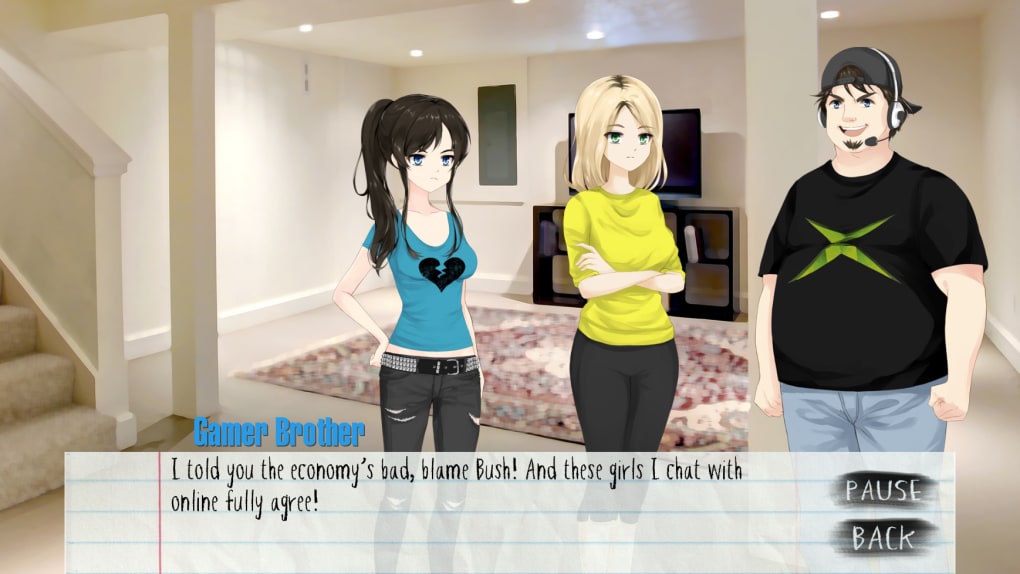
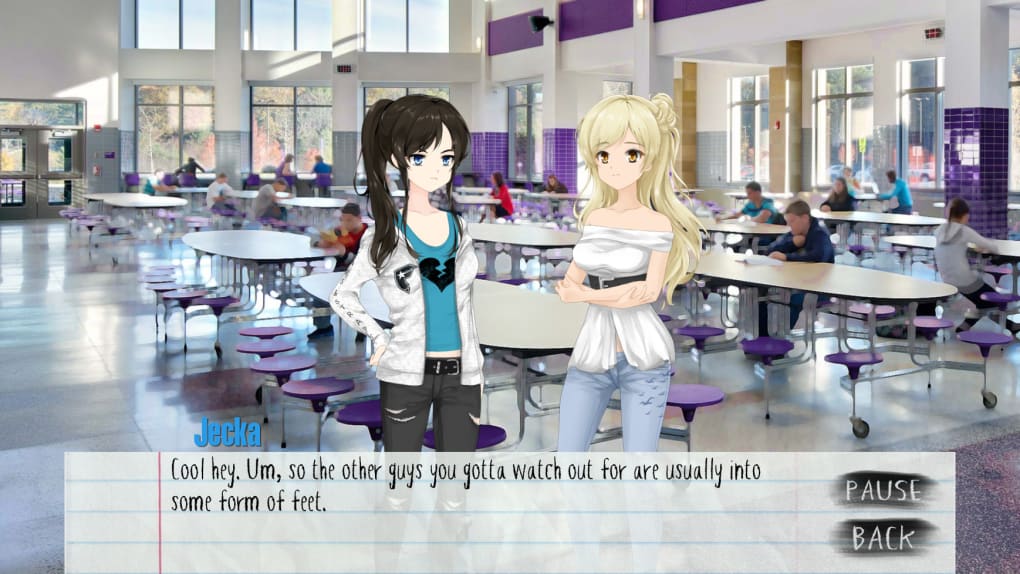
This focus on audio comes at the expense of the visual aspects. The art style is simple and basic, characterized by a lack of detail and the use of blurred photographic backgrounds. This stylistic choice, while perhaps deliberate to emphasize the audio experience, unfortunately contributes to a perception of cheapness or low production value, which could detract from the overall player experience for those expecting more polished visuals. The visual simplicity serves primarily as a backdrop for the voiced dialogue, enhancing rather than diminishing the aural experience, but might fail to engage players who prioritize visual fidelity.
A Rejection Simulator? Not Quite.
The game’s marketing materials might suggest that it’s a “rejection simulator,” implying a core gameplay loop focused on experiencing and navigating romantic rejection. However, this description proves to be misleading. While rejection might occur within the narrative, it’s rarely the central focus or primary outcome of player choices. The game’s comedic scenarios and multiple endings often lead to far more outlandish and unpredictable consequences than simple romantic rejections. This discrepancy between the marketing and the actual gameplay experience could leave some players feeling disappointed or misled about the game’s core mechanics and overall focus.
Gameplay and Mechanics
The gameplay, though not groundbreaking, aligns with the structure of many visual novels. Players progress through the story by making choices that impact the narrative’s direction and ultimately determine the specific ending encountered. The interface is user-friendly, and a back button allows players to revisit past decisions and explore alternative paths. This provides some replayability, encouraging exploration of different narrative branches and their corresponding outcomes. The ease of navigation allows players to focus more on the audio experience and the comedic elements of the storyline rather than wrestling with complex control schemes or convoluted gameplay systems.
The game’s reliance on pre-mixed audio files creates a distinct atmosphere but might limit the dynamism of the experience compared to games with real-time audio mixing and dynamic music transitions. This approach affects the overall pacing and emotional impact, creating a unique sonic landscape that might appeal to certain players but not necessarily to those who enjoy the finer nuances of audio-visual synchronization in other games.
Strengths and Weaknesses
Class of ‘09 offers a distinct gaming experience that sets it apart from the more conventional visual novel or high school simulator genres. Its strengths include:
- Exceptional Voice Acting: The game’s voice acting is undoubtedly its strongest asset, delivering comedic timing and nuanced character performances that are genuinely engaging.
- Humorous Script: The writing is sharp and witty, containing plenty of comedic moments that make the gameplay enjoyable despite the game’s other shortcomings.
- Multiple Routes and Endings: The four different routes and fifteen endings provide significant replayability, encouraging players to explore the various possibilities and comedic scenarios presented.
- Convenient Back Button: The inclusion of a back button allows for easy navigation and exploration of different narrative branches without the frustration of having to replay significant segments.
However, Class of ‘09 also suffers from several weaknesses:
- Subpar Visual Representation: The simple, almost amateurish art style and blurred background images detract from the overall visual experience and might leave players feeling that the game lacks polish or professional refinement.
- Misleading Marketing: The game’s description as a “rejection simulator” is misleading, failing to accurately reflect the actual gameplay experience and the variety of outcomes beyond simple romantic rejection.
- Very Short Runtime: Each individual route can be completed relatively quickly, resulting in a shorter overall playtime than players might anticipate. While the multiple endings compensate for this, it is still a significant limitation.
- Lack of Comprehensive Plot: The game deliberately avoids a linear, coherent narrative structure. While this choice contributes to its comedic and unpredictable nature, some players might find the lack of a cohesive plot frustrating or unsatisfying.
Conclusion
Class of ‘09 offers a unique and potentially enjoyable gaming experience, particularly for those who appreciate darkly comedic narratives and strong voice acting. However, the game’s weaknesses, particularly its misleading marketing, subpar visuals, and short playtime, might detract from the experience for players seeking a more polished or narratively satisfying game. Ultimately, whether or not Class of ‘09 appeals to an individual player will depend largely on their tolerance for its stylistic choices and their expectations concerning narrative structure and visual fidelity. It’s a game that prioritizes a specific kind of humor and a unique auditory experience, and its success hinges on whether that approach aligns with the player’s preferences.
File Information
- License: “Full”
- Version: “1.0”
- Latest update: “August 12, 2025”
- Platform: “Windows”
- OS: “Windows 8.1”
- Language: “English”
- Downloads: “22K”


