
Classic Sudoku, a deceptively simple yet endlessly engaging number puzzle, has captivated millions worldwide. Its enduring appeal lies in the perfect blend of logic, strategy, and a satisfying sense of accomplishment upon solving a complex grid. This article delves into the world of Classic Sudoku, exploring its rules, gameplay, benefits, and its enduring popularity across generations and cultures.
Understanding the Rules of Classic Sudoku
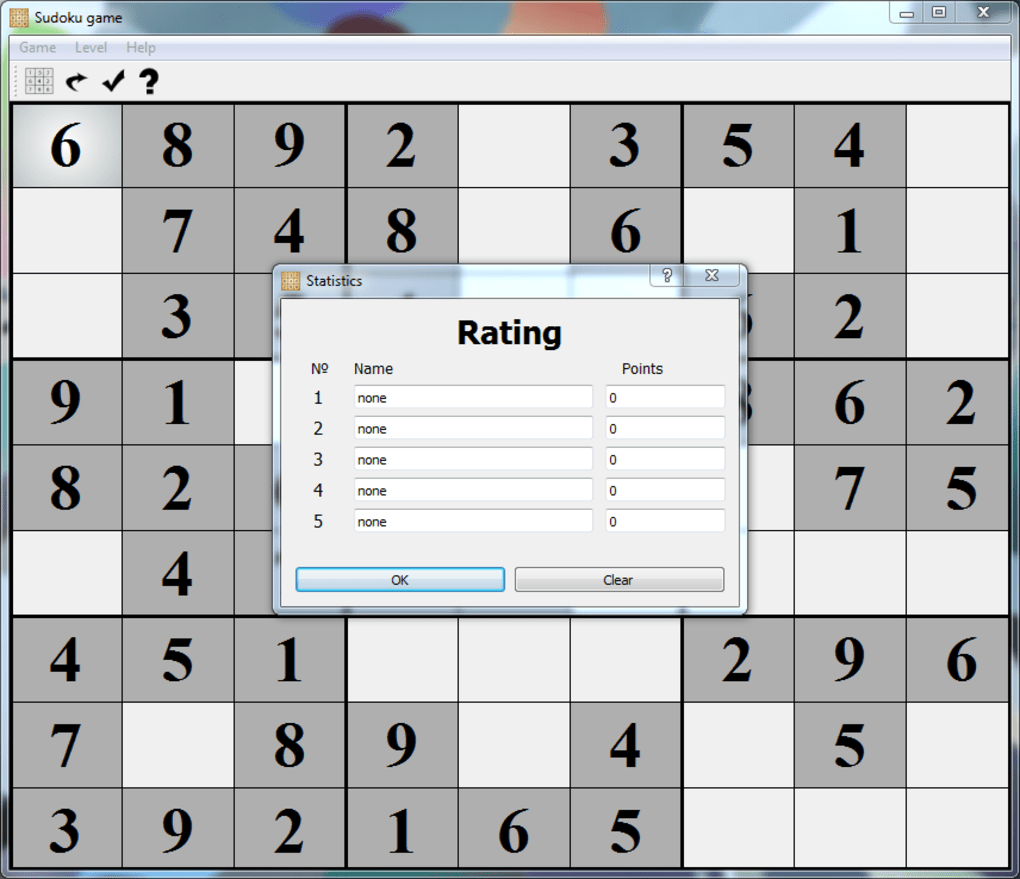
Classic Sudoku is played on a 9x9 grid, divided into nine 3x3 subgrids often called “boxes” or “regions.” The objective is to fill every square with a single digit from one to nine, ensuring that each digit appears only once in each row, each column, and each of the nine 3x3 subgrids. While the basic rules are straightforward, the strategic depth quickly unfolds as players grapple with increasingly complex puzzles.
The game begins with a partially filled grid, providing a starting point and a set of clues. The challenge lies in deducing the remaining digits based on the numbers already present and the constraints imposed by the rules. Logical reasoning is paramount; players must systematically eliminate possibilities and identify the only digit that can fit in a particular square without violating any of the core rules.
Levels of Difficulty and Gameplay Strategies
Classic Sudoku offers a wide range of difficulty levels, catering to players of all skill sets. The levels typically range from easy to expert, with the difficulty primarily determined by the number of initially provided clues. Easier puzzles offer more starting digits, making it simpler to identify immediate solutions. Conversely, expert-level puzzles present significantly fewer clues, demanding advanced deduction skills and strategic planning to unravel the solution.
Several strategies can significantly improve one’s Sudoku-solving abilities. These techniques include:
-
Single Candidate: This involves identifying squares where only one digit can possibly fit based on the existing numbers in its row, column, and subgrid.
-
Hidden Single: This strategy focuses on finding a specific digit within a row, column, or subgrid, that can only be placed in one particular square.
-
Naked Pairs/Triples/Quads: Identifying sets of two, three, or four digits that are only present within a specific row, column, or subgrid and eliminating these numbers from other squares in that region.
-
Box/Line Reduction: Using the presence of certain digits in specific boxes or lines to infer the possible locations of those digits elsewhere on the grid.
-
X-Wing and Swordfish: Advanced strategies that leverage patterns and potential conflicts across multiple rows, columns, and boxes.
Mastering these techniques and adapting them to the intricacies of each puzzle is what sets apart proficient Sudoku players from beginners. The strategic thinking required is not only mentally stimulating but also incredibly rewarding.
The Mental Benefits of Playing Classic Sudoku
Beyond the inherent entertainment value, Classic Sudoku offers a range of cognitive benefits. Regular play has been linked to:
-
Improved Memory: The game challenges players to recall and manipulate numbers, actively engaging working memory and potentially improving memory retention over time.
-
Enhanced Logical Reasoning: Sudoku demands methodical problem-solving and critical thinking skills. Players must consistently apply logic, analyze patterns, and deduce solutions based on limited information.
-
Boosted Concentration: The focus and concentration required to solve complex Sudoku puzzles can aid in developing and improving attention span.
-
Reduced Cognitive Decline: Studies suggest that regular engagement in mentally stimulating activities, such as Sudoku, may help mitigate the effects of age-related cognitive decline.
The game’s accessibility and adaptable nature allow individuals of all ages and cognitive abilities to participate, reaping its cognitive benefits. For older adults, it serves as an excellent tool for maintaining mental sharpness and preventing cognitive decline. Meanwhile, for younger individuals, it provides a stimulating and enjoyable method to enhance problem-solving and logical reasoning skills.
Classic Sudoku’s Popularity and Accessibility
Classic Sudoku’s enduring popularity can be attributed to several factors:
-
Simplicity of Rules: The fundamental rules are easy to understand, allowing anyone to pick up the game quickly.
-
Accessibility: The game can be played virtually anywhere, requiring only pen and paper or a digital device. Numerous apps and websites offer a wide variety of puzzles, ensuring there’s always a new challenge.
-
Endless Variations: The vast number of possible Sudoku puzzles guarantees that no two games will ever be the same. This prevents repetition and maintains the game’s engaging nature.
-
Sense of Achievement: The feeling of accomplishment upon completing a complex Sudoku grid is extremely satisfying, encouraging continued play.
The game’s popularity extends globally, transcending cultural boundaries. Its presence in newspapers, magazines, books, and online platforms underscores its widespread appeal. It’s not uncommon to see dedicated Sudoku communities and tournaments, further demonstrating the game’s enduring popularity.
Classic Sudoku Across Platforms and Versions
Classic Sudoku’s adaptability is evident in its availability across various platforms. It can be played on paper, using printed puzzles found in newspapers and books, or on digital devices through dedicated apps and websites. These digital versions often feature additional functionalities, such as:
-
Multiple Difficulty Levels: Providing a range of challenges to suit players’ skills.
-
Hints: Offering assistance when players are stuck, allowing them to continue without abandoning the puzzle entirely.
-
Auto-Check: Automatically verifying the correctness of entered digits, preventing frustration from accidental errors.
-
Timer: Tracking solving time, encouraging speed and efficient problem-solving.
-
Statistics Tracking: Recording progress and solving times, providing a measure of improvement over time.
These additional features further enhance the gameplay experience and cater to different player preferences. Whether playing on paper or using a digital app, Classic Sudoku continues to provide an engaging and intellectually stimulating pastime for players of all ages and backgrounds.
Conclusion: The Enduring Charm of Classic Sudoku
Classic Sudoku’s success lies in its unique blend of simplicity and complexity. Its easily grasped rules belie the strategic depth and intellectual challenge it presents. The combination of logical reasoning, pattern recognition, and the gratifying sense of accomplishment upon solving a puzzle make it a timeless game enjoyed by people of all ages and skill levels. Furthermore, the cognitive benefits associated with regular Sudoku play contribute to its continued popularity and solidify its status as a captivating and enriching pastime. Whether you’re a seasoned Sudoku enthusiast or a curious beginner, exploring the world of this timeless puzzle game is sure to provide hours of enjoyable, mentally stimulating entertainment.
File Information
- License: “Free”
- Version: “0.9.1”
- Latest update: “November 8, 2022”
- Platform: “Windows”
- OS: “Windows 7”
- Language: “English”
- Downloads: “136.8K”
- Size: “5.35 MB”


