
CleanUp! is a discontinued Windows utility program that gained some popularity in the early 2010s. While no longer actively developed or supported, its history offers a glimpse into the evolution of system maintenance tools and the challenges of maintaining legacy software. This review examines CleanUp!’s features, limitations, and its place within the broader context of PC optimization software.
CleanUp!’s Functionality and Features
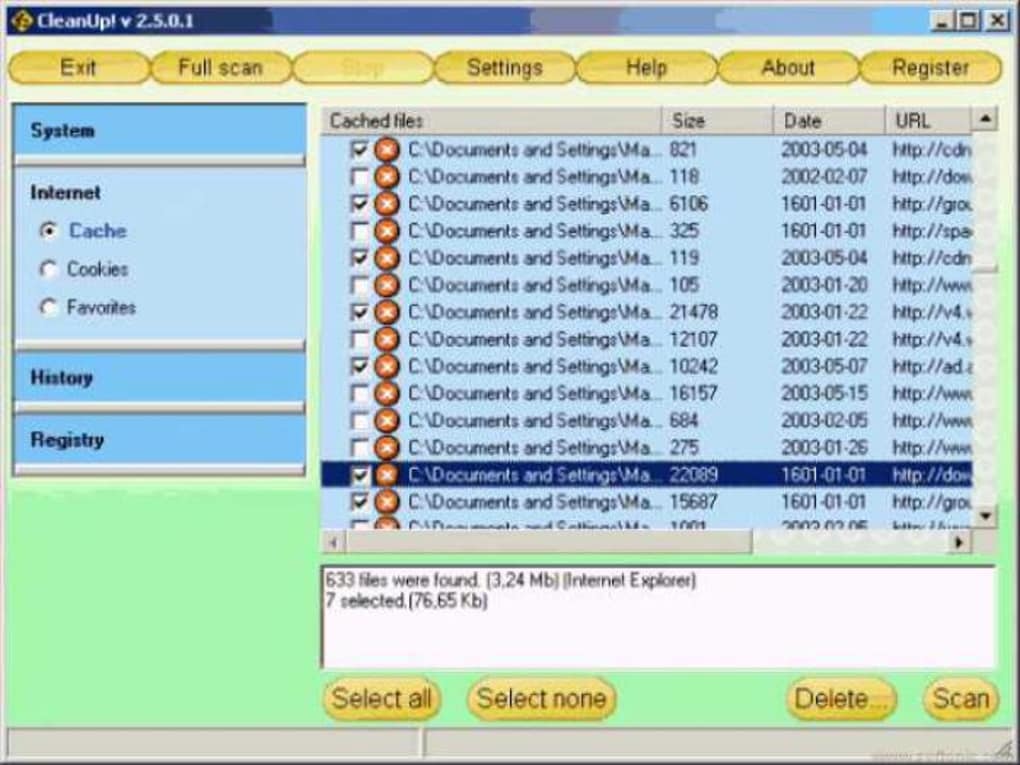
CleanUp!, developed by eMeSoft, was categorized as a system maintenance tool specifically designed to address the need for cleaning up unnecessary files and improving overall system performance on Windows operating systems. While specific details regarding its functionalities are limited due to the software’s discontinuation, based on its description and historical user feedback, it likely performed several common cleanup tasks, including:
-
Temporary File Removal: The program likely identified and deleted temporary files generated by applications and the operating system. These files often accumulate over time and can consume significant disk space, slowing down system performance. Many modern operating systems automatically handle temporary file cleanup to some degree, but dedicated utilities like CleanUp! provided a more comprehensive approach.
-
Cache Clearing: Web browsers, applications, and the operating system itself create cache files to speed up access to frequently used data. However, accumulated cache data can also grow excessively large, consuming storage and potentially impacting performance. CleanUp! likely offered an option to clear these caches.
-
Registry Cleaning (Potentially): While not explicitly stated in available information, it’s plausible CleanUp! also incorporated registry cleaning capabilities. The Windows Registry stores system settings and application configurations. Over time, the registry can become fragmented or contain invalid entries, potentially causing system instability or slowdowns. Many cleanup utilities target registry optimization, and CleanUp! might have included this functionality to enhance performance.
- Space Optimization: The primary goal of CleanUp! was to free up disk space and improve system responsiveness. By removing unnecessary files and optimizing system settings, it aimed to provide a noticeable improvement in the overall user experience.
It’s crucial to note the limitations inherent in older cleanup utilities. Modern equivalents often boast more sophisticated algorithms, enhanced security features, and more user-friendly interfaces. CleanUp!, being a product from 2011, likely lacked these advancements.
System Requirements and Availability
CleanUp! was explicitly designed for Windows operating systems, specifically versions 95 and earlier. This indicates its age and inherent incompatibility with modern Windows versions. The program was available only in English and had a relatively small installation footprint compared to some other utilities in its category. Its limited language support restricted its global reach, primarily gaining traction in the United States, United Republic of Tanzania, and Nepal. The software was offered as a trial version, limiting its full functionality until a purchase was made. The lack of ongoing development means no updates or bug fixes were released after its last update in May 2011.
The small size of the installation file suggests a relatively straightforward and less resource-intensive design compared to more feature-rich, modern counterparts. This can be both an advantage (requiring less system resources) and a disadvantage (limiting the range of cleanup operations).
CleanUp! Compared to Modern Alternatives
The landscape of system maintenance and cleanup utilities has significantly evolved since 2011. CleanUp!’s functionality is now largely superseded by more advanced and comprehensive tools. Modern alternatives offer a wider array of features, including:
- More sophisticated scanning algorithms: Modern utilities employ heuristic analysis and machine learning to identify and remove unnecessary files more effectively, reducing the risk of accidentally deleting critical system files.
- Real-time monitoring and optimization: Many contemporary tools offer real-time monitoring of system performance and automatically clean up files, ensuring consistent system optimization.
- Enhanced security features: Advanced security features are incorporated to prevent malicious software from posing as cleanup utilities and to safeguard user data during the cleaning process.
- Improved user interfaces: Modern utilities provide more user-friendly interfaces with clear explanations of the actions being performed, making them more accessible to a wider range of users.
- Advanced features beyond basic cleanup: Many modern programs offer features like startup optimization, duplicate file detection, browser history cleaning, and comprehensive privacy protection tools. CleanUp! likely did not provide these extra layers of functionality.
Examples of popular and widely used modern alternatives include CCleaner, Avast Cleanup, and others. These utilities offer significantly more comprehensive functionality, advanced scanning capabilities, and a more polished user experience compared to CleanUp!.
The Legacy of CleanUp!
CleanUp! represents a snapshot of system utility software from a bygone era. Its historical significance lies in illustrating the evolution of PC maintenance tools. While it likely served its intended purpose adequately for its time, its limitations concerning compatibility, features, and security make it obsolete in comparison to modern alternatives.
The relatively small number of downloads in recent years, combined with the lack of developer support and updates, underscores the limitations of legacy software. While it might have been a helpful tool in its day, its reliance on outdated methods and lack of modern advancements would likely result in a subpar user experience when compared to contemporary system maintenance software. Users are strongly advised to utilize modern, actively maintained cleanup utilities to ensure system stability, security, and optimal performance.
The availability of numerous free and paid alternatives offering a wider range of capabilities, enhanced security measures, and regular updates makes utilizing CleanUp! impractical and potentially risky. Choosing a modern utility is crucial for ensuring a safe and efficient system maintenance process.
Conclusion: A Look Back at a Bygone Era
CleanUp! serves as a reminder of the rapid evolution in software development. While its existence indicates a demand for system cleanup tools even in the early 2000s, its outdated nature highlights the importance of utilizing contemporary software for optimal system performance and security. The advancements in scanning algorithms, user interfaces, and added security features in current system maintenance utilities make them the only practical choice for users seeking to enhance their computer’s efficiency and security. The limited functionality, outdated compatibility, and absence of developer support render CleanUp! obsolete and unsuitable for use in today’s digital environment. Users are urged to explore and utilize modern, actively maintained alternatives for a safer and more effective system cleanup experience.
File Information
- License: “Trial version”
- Version: “2.5.0.5”
- Latest update: “May 26, 2011”
- Platform: “Windows”
- OS: “Windows XP”
- Language: “English”
- Downloads: “7.6K”
- Size: “1.53 MB”


