
Clothing Store Simulator, developed by Kiki Games, invites players into the vibrant and often challenging world of fashion retail. This single-player simulation game provides a unique opportunity to design, manage, and grow your own clothing boutique, from its initial humble beginnings to a thriving fashion empire. The game offers a blend of creative freedom, strategic management, and the satisfying thrill of building a successful business, all within the stylish backdrop of the fashion industry. However, while offering an immersive experience, it also presents certain limitations that potential players should be aware of.
Building Your Fashion Empire: From Concept to Creation
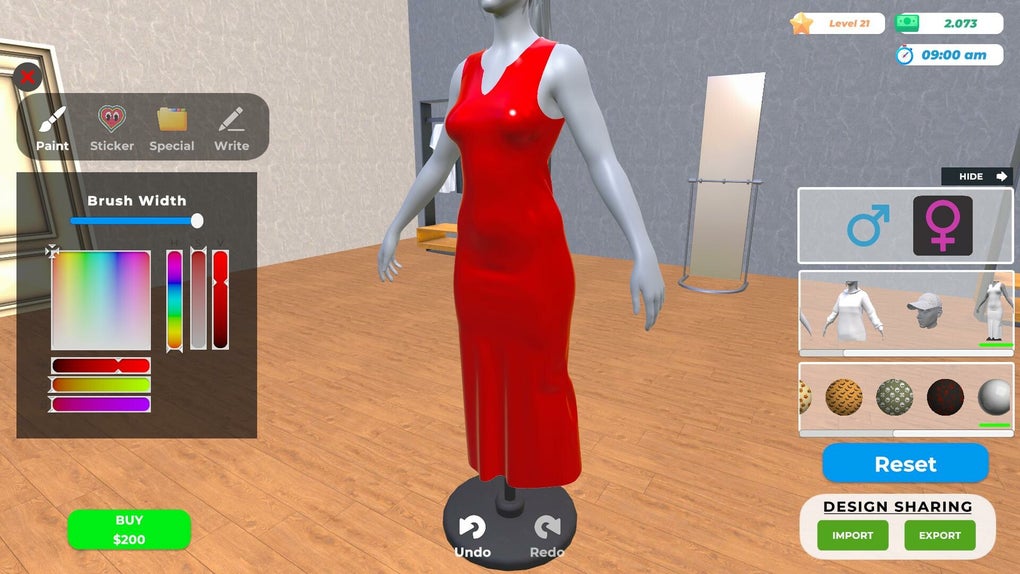
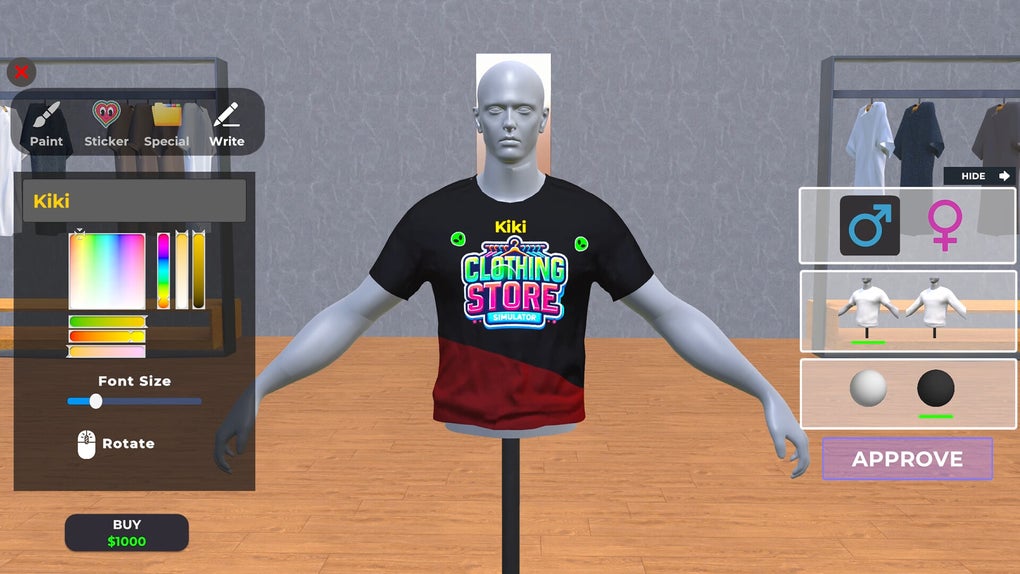
The core gameplay loop revolves around establishing and expanding your clothing store. The game begins with a blank canvas, allowing players complete control over the design and layout of their retail space. This encompasses everything from the physical arrangement of shelves, racks, and mannequins to the selection of décor and furniture that defines the overall aesthetic. Players aren’t simply limited to pre-defined options; they have significant freedom to craft a unique atmosphere that reflects their personal style and target market. This creative control extends beyond the visual aspects. Players must also carefully consider the store’s flow, ensuring an intuitive and enjoyable shopping experience for virtual customers. Strategic placement of products and clear pathways are crucial for maximizing sales and customer satisfaction.
Beyond the visual aspects, the game delves into the nitty-gritty of retail management. Players utilize an in-game computer interface to oversee various operational tasks. This includes sourcing products from reputable fashion brands via strategic partnerships, carefully managing inventory levels, determining optimal pricing strategies, and even purchasing additional furniture and décor to enhance the store’s ambiance and appeal. Negotiating brand deals adds a layer of strategic depth, encouraging players to consider brand recognition, customer demand, and profit margins when selecting products for their store. The interface seamlessly blends intuitive functionality with the necessary complexity of running a retail business. This dual focus keeps the gameplay engaging without being overwhelming.

Mastering the Art of Retail Management: Balancing Inventory and Customer Satisfaction
The success of a virtual clothing store hinges on effective inventory management. Players must carefully balance supply and demand, ensuring sufficient stock to meet customer expectations while avoiding overstocking that could tie up capital. This involves analyzing sales data, anticipating trends, and making informed decisions about product ordering. The game realistically simulates the challenges of forecasting demand and adapting to changing consumer preferences. Players who fail to accurately predict trends or manage their stock effectively may find themselves with empty shelves or unsold inventory, impacting their overall profitability.
Customer satisfaction plays a crucial role in the game’s progression. While direct interaction with individual customers is limited, player choices significantly influence the overall shopping experience. Pricing strategies, store aesthetics, and product selection all contribute to attracting and retaining a loyal customer base. The game subtly guides players toward understanding the importance of striking a balance between profitability and customer satisfaction. Aggressively pricing items might deter customers, while overly generous discounts could erode profit margins. This necessitates strategic thinking and a willingness to adapt pricing models based on market conditions and sales data. The constant need to adapt and optimize contributes significantly to the game’s replayability.
Expanding Your Reach: Growth and Optimization Strategies
As the player’s store thrives, the option to expand both the retail space and warehouse capacity becomes available. Expanding the store allows for a wider selection of products, a more visually appealing layout, and improved customer flow. Expanding the warehouse tackles a common retail challenge: storage. Adequate warehouse space is crucial for holding sufficient inventory to support continued growth and avoid stock-outs. This expansion mechanic provides a tangible reward for successful management and a pathway for continued progress, encouraging long-term engagement with the game.
The game doesn’t shy away from reflecting the realities of retail operations. Players aren’t merely decorating a store; they’re responsible for every aspect of its performance. This includes dealing with the occasional logistical challenges, managing expenses, and making difficult choices that impact profitability and growth. This attention to detail lends an air of realism to the game, distinguishing it from simpler simulation titles. While the game simplifies certain aspects of running a business, it successfully captures the essence of retail management without becoming overly complex or tedious.
Strengths and Weaknesses: A Balanced Perspective
Clothing Store Simulator offers a compelling and immersive experience for players interested in the fashion retail industry. The game excels in its creative freedom, allowing players to design a truly unique store. The realistic simulation of inventory management and pricing strategies adds a layer of strategic depth, requiring players to think critically and adapt to dynamic market conditions. The ability to build and expand the store provides a tangible sense of progress and encourages long-term engagement. The user-friendly interface ensures that even players unfamiliar with retail management can easily navigate the game’s mechanics.
However, the game also has its limitations. The relatively limited interaction with customers and other characters may reduce the social aspect of the gameplay, leaving some players desiring a more dynamic and interactive experience. Some players may find the repetitive nature of certain tasks, such as managing inventory, monotonous over time. The game’s learning curve, while manageable, could be challenging for players unfamiliar with simulation games or the complexities of retail management. Finally, while the game provides opportunities for expansion and growth, the endgame content might feel limited after achieving a certain level of success, potentially reducing long-term replayability. These are aspects to consider before investing time in the game.
Conclusion: A Stylish Simulation with Room for Improvement
Clothing Store Simulator (Kiki Games) provides a uniquely immersive and creatively fulfilling experience for players eager to delve into the world of fashion retail. The ability to design and manage your own clothing store, from its initial setup to its eventual expansion, offers a compelling gameplay loop that balances creative freedom with strategic challenges. The game’s realistic simulation of inventory management and pricing strategies keeps players engaged and encourages thoughtful decision-making. While the game’s limited customer interaction and potential for repetitive tasks might detract from the overall experience for some, its strengths outweigh these minor drawbacks, making it a worthy addition to the simulation game genre. Future updates focusing on enhanced customer interaction, more diverse endgame content, and perhaps even multiplayer options could significantly elevate the game’s longevity and appeal.
File Information
- License: “Full”
- Version: “varies-with-devices”
- Latest update: “July 3, 2024”
- Platform: “Windows”
- OS: “Windows 11”
- Language: “English”
- Downloads: “9.9K”


