
In the bustling digital landscape of simulation games, a new contender from Nema Studio has emerged, inviting players to step into the dynamic world of fashion retail. “Clothing Store Simulator” is a premium single-player experience designed for Windows, offering an intricate and engaging journey from a small boutique owner to a celebrated fashion mogul. This isn’t just about placing clothes on racks; it’s a comprehensive business management simulator that challenges players to master every facet of running a successful retail enterprise, all while catering to the ever-evolving tastes of their clientele.
At its core, “Clothing Store Simulator” is an immersive dive into the practicalities and creative liberties of managing a clothing store. Players are handed the keys to a modest shop, a blank canvas upon which they can paint their vision of the perfect retail space. From the initial layout and aesthetic choices to the meticulous selection of inventory, pricing strategies, and even the hiring and management of staff, every decision rests squarely on the player’s shoulders. The game promises a delicate balance between realism and fun, ensuring that while the challenges are authentic, the overall experience remains enjoyable and rewarding. As players progress, they unlock opportunities to expand their physical store, upgrade its interiors, and implement cutting-edge marketing strategies, all aimed at attracting a wider array of customers and solidifying their brand in the competitive fashion industry.
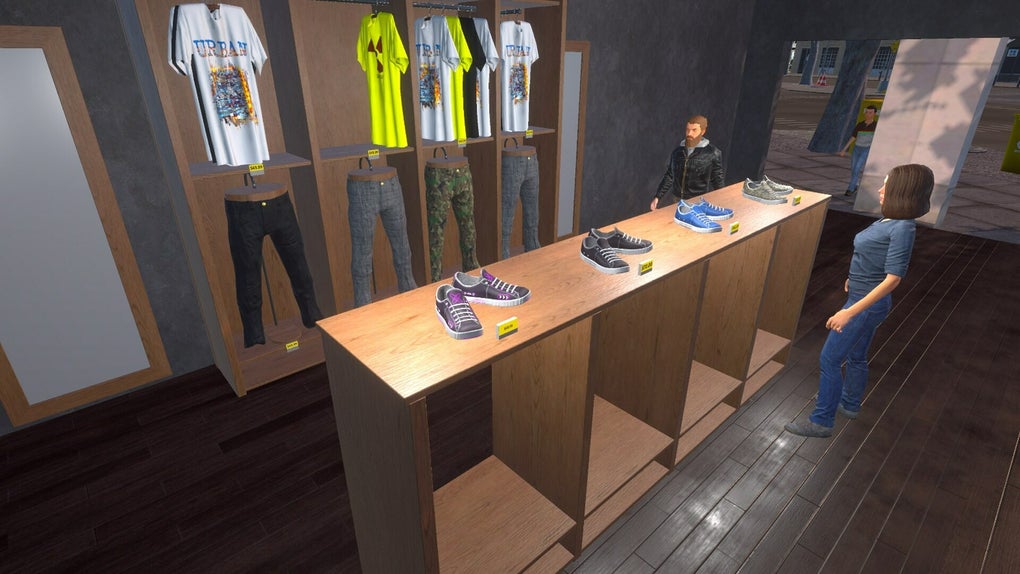
A Fresh Take on Business Management
Unlike many simulation games that focus on large-scale industries or city-building, “Clothing Store Simulator” hones in on the highly personalized and customer-centric world of retail. This narrower scope allows for an unparalleled depth in gameplay mechanics, particularly concerning the daily operations of a boutique. Players aren’t just managing numbers; they’re creating an experience. The game challenges their entrepreneurial spirit, demanding foresight in inventory management, creativity in visual merchandising, and shrewdness in financial planning.
One of the standout features highlighted by Nema Studio is the sheer variety of clothing themes available. This isn’t a game restricted to a single style; players can choose to specialize or diversify, offering anything from casual everyday wear to sophisticated formal attire. This flexibility in product selection directly impacts the target demographic and the overall ambiance of the store, allowing for significant replayability and personalization. Want to run a chic minimalist boutique? Or a vibrant, bohemian haven? “Clothing Store Simulator” provides the tools to bring these visions to life.
The game also places a significant emphasis on the physical presentation of the store. It’s not enough to simply have great clothes; they must be displayed appealingly and the store must be easy to navigate. This involves thoughtful arrangement of product displays, strategic placement of aisles, and an intuitive flow that guides customers through the shopping experience. Mastering visual merchandising becomes a critical skill, as a well-organized and aesthetically pleasing store directly correlates with customer satisfaction and, ultimately, sales.
What Awaits Aspiring Fashion Moguls?
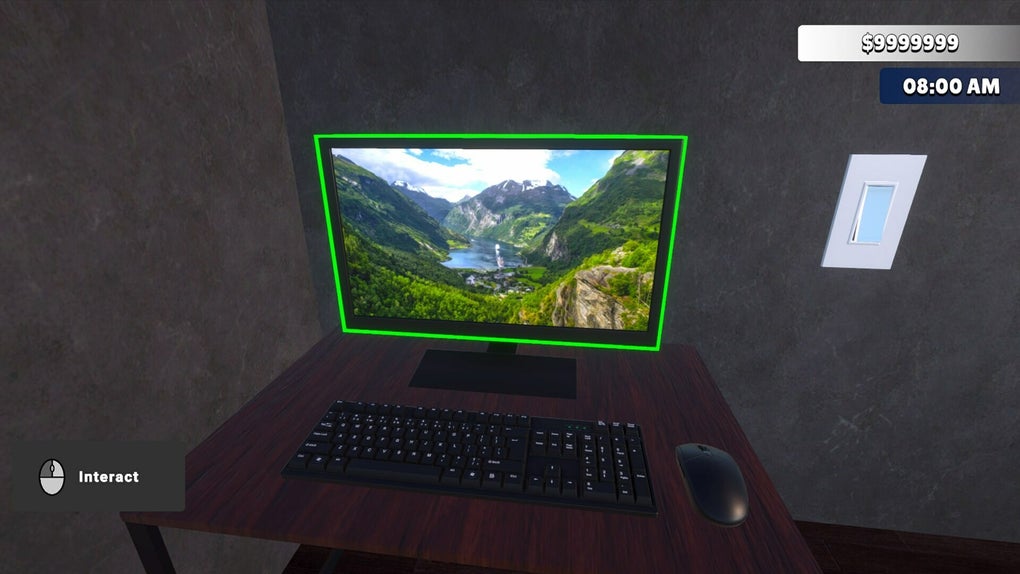
Beyond the glamorous facade of fashion, “Clothing Store Simulator” delves into the nitty-gritty of retail operations. Players will find themselves spending considerable time interacting with an in-game computer, which serves as the central hub for their business. This digital interface is where the magic of stock management happens: ordering new items, tracking incoming shipments, unpacking new arrivals, and meticulously placing them onto shelves, mannequins, or hangers. The attention to detail in these processes contributes significantly to the immersive feel of the game, mimicking the real-life workflows of a retail professional.
Moreover, the modern retail landscape isn’t confined to brick-and-mortar stores, and “Clothing Store Simulator” acknowledges this with the inclusion of online order management. Players must process web-based purchases, package items, and ensure timely delivery, adding another layer of complexity and opportunity to their business. Security is also a consideration, challenging players to implement measures that protect their valuable inventory and ensure a safe shopping environment for customers.
The core challenge, as described by Nema Studio, lies in balancing customer satisfaction with sound financial management. Every decision, from the price of a t-shirt to the color of the changing rooms, has ripple effects that impact the store’s success. A low price might attract more customers but reduce profit margins, while a poorly organized display might deter shoppers, regardless of product quality. This constant balancing act is where the true strategic depth of the game emerges, rewarding thoughtful planning and adaptability. While the initial learning curve can be steep for new players, and some might find certain tasks repetitive over time, the overall gameplay experience is lauded for being immersive and engaging, allowing players to truly “dive deep into fashion retail management.”
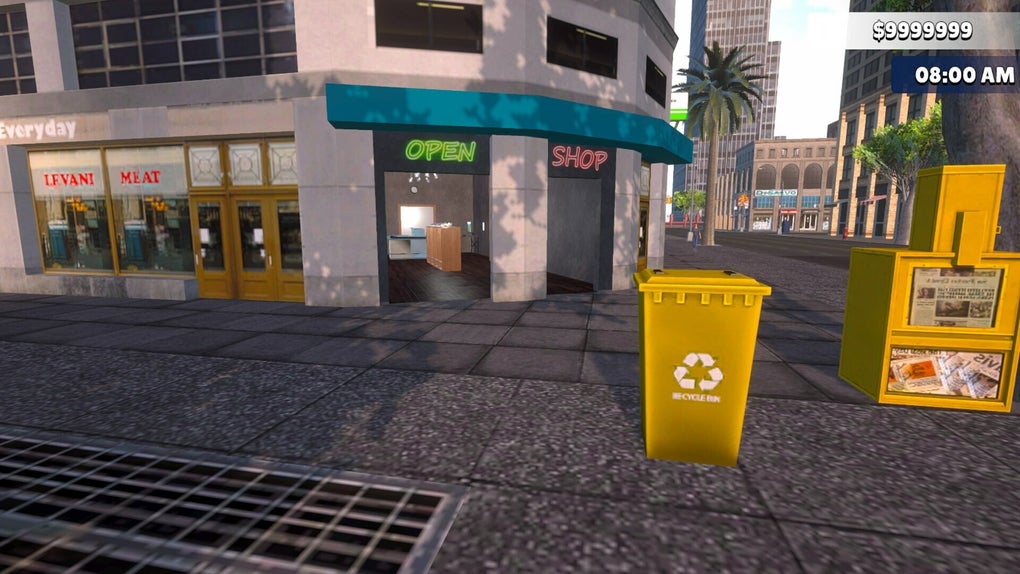
From Humble Beginnings to Fashion Mogul: Core Gameplay Mechanics
The journey in “Clothing Store Simulator” begins with a sense of hopeful ambition, mirroring the real-world dream of opening a new business. Players are immediately introduced to the core mechanics that will dictate their success or failure in the competitive fashion market.
Setting Up Shop: Your First Steps
Upon starting a new game, players are presented with a basic, unadorned shop space. This initial phase involves critical decisions that lay the foundation for the entire enterprise. Choosing the initial layout, deciding on the first few racks and display units, and selecting the opening inventory are all crucial. The game gently guides players through these steps, but it’s clear from the outset that personal choice and strategic thinking are paramount. Should you invest in more display space or a larger stockroom? Will you start with a niche collection or a broad range of items to test the waters? These early choices, made with a limited budget, shape the trajectory of your store.
The tutorial elements are designed to introduce the user interface, particularly the in-game computer system, which will become the player’s best friend. This computer is not just for ordering; it’s a hub for financial reports, customer feedback, store statistics, and management tools. Understanding its functionalities quickly is key to efficiently running the store. The initial setup also often involves a rudimentary cash register and perhaps one or two basic mannequins, setting the stage for expansion.
Curating Your Collection: Inventory and Ordering
The heartbeat of any clothing store is its inventory, and “Clothing Store Simulator” puts a significant emphasis on this aspect. Players must constantly monitor trends, observe customer preferences, and anticipate demand to ensure their shelves are stocked with desirable items.
The ordering process, conducted via the in-game computer, is multi-faceted. Players can browse a catalog of various clothing types, styles, and themes. This includes everything from everyday casuals like t-shirts and jeans to more specialized items such as evening gowns, business suits, or even seasonal collections like swimwear or winter coats. Each item comes with a wholesale price, and players must consider shipping costs and delivery times when placing orders. The strategic element here is crucial: ordering too much of a slow-moving item can lead to wasted capital and cluttered storage, while under-ordering popular items can result in missed sales and frustrated customers.
Once orders are placed, players experience the logistical side of retail. Deliveries arrive, often in boxes or crates, which must then be manually unpacked. This tactile interaction, though potentially repetitive as noted in the game’s cons, adds a layer of realism. Each item needs to be unboxed, scanned (sometimes), and then prepared for display. This might involve tagging, steaming, or simply folding neatly before it can be moved to the sales floor. The game accurately simulates the effort involved in managing stock, making players appreciate the journey each garment takes before it reaches a customer’s hands.
The Art of Display: Visual Merchandising and Store Layout
Beyond simply having inventory, how that inventory is presented can make or break a sale. “Clothing Store Simulator” provides extensive tools for visual merchandising and store layout design. Players have the freedom to arrange racks, shelves, mannequins, and display tables to create an inviting and intuitive shopping experience.
Strategic placement is paramount. High-margin items might be placed near the entrance or in high-traffic areas. Complementary items, such as accessories to go with an outfit, should be grouped together. The flow of the store, guiding customers from one section to another, is another critical design consideration. An easy-to-navigate store where customers can find what they’re looking for (or discover something new) is much more likely to generate sales and positive reviews.
Furthermore, the game allows for customization of the store’s aesthetic. This includes choosing wall colors, flooring, lighting, and decorative elements. This level of detail allows players to truly imbue their store with a unique personality and brand identity. A minimalist store might feature clean lines and muted colors, while a vibrant, youthful boutique could leverage bold hues and playful displays. As players expand their store, they gain access to more elaborate fixtures and design options, further enhancing their creative freedom and the potential for a truly stylish haven. The impact of these design choices isn’t just cosmetic; a well-designed store contributes to customer satisfaction, encouraging repeat visits and positive word-of-mouth.
Beyond the Racks: Deep Dive into Strategic Store Management
While the visible elements of a clothing store—the garments, the displays, the décor—are crucial, much of its success hinges on the unseen strategic management taking place behind the scenes. “Clothing Store Simulator” delves deeply into these operational complexities, challenging players to become adept business strategists.
The Customer is Always Right (or Are They?): Satisfaction and Service
Customer satisfaction is the ultimate metric in retail, and “Clothing Store Simulator” meticulously tracks it. Players must constantly strive to meet customer expectations, which encompass a wide array of factors. This includes having a good variety of stock, competitive pricing, a clean and organized store, and helpful, friendly staff.
The game simulates customer behavior, with NPCs exhibiting different preferences, patience levels, and shopping habits. Some customers might browse leisurely, while others are on a mission for a specific item. A well-stocked store with clear signage makes the latter’s life easier. An attractive changing room area, efficient checkout lines, and attentive staff all contribute to a positive experience. Negative experiences, such as long queues, out-of-stock items, or a messy store, can lead to frustrated customers, negative reviews, and a decline in foot traffic.
Players must actively manage these elements. Monitoring customer feedback, which can be gathered through in-game surveys or simulated social media comments, is essential. Adjusting inventory based on demand, training staff in customer service techniques, and maintaining the store’s cleanliness are ongoing responsibilities that directly impact the satisfaction meter. Achieving high customer satisfaction is not just about feel-good; it translates directly into increased sales, brand loyalty, and positive reputation, which in turn attracts more customers.
The Backbone of Your Business: Staffing and Operations
A lone entrepreneur can only do so much. As the store grows, hiring competent staff becomes imperative. “Clothing Store Simulator” includes a detailed staff management system where players can recruit, train, and manage employees. Different roles will be available, such as sales associates, cashiers, stockroom clerks, and perhaps even a store manager.
Each staff member will have unique skills, experience levels, and even personalities. Players must consider these attributes when hiring and assigning roles. A skilled sales associate can significantly boost customer engagement and sales, while an efficient stockroom clerk ensures inventory is processed quickly. Staff morale is also a factor; players might need to manage wages, provide breaks, or even offer incentives to keep their team happy and productive. Unhappy staff can lead to poor service, reduced efficiency, and even theft, highlighting the importance of good human resources management.
Beyond staffing, daily operations involve a myriad of tasks. This could range from opening and closing procedures, cleaning the store, restocking shelves throughout the day, dealing with returns or exchanges, and handling unexpected events like a faulty cash register or a sudden influx of customers. The game provides the tools to manage these operations, but it’s up to the player to prioritize and delegate effectively.
Navigating the Digital Frontier: Online Orders and Security
In the modern retail landscape, an online presence is almost as vital as a physical one. “Clothing Store Simulator” integrates online order management, adding another layer of complexity and opportunity. Players must monitor their online store, process incoming web orders, and manage the logistics of fulfillment. This includes accurate picking and packing of items from the physical inventory, arranging for shipping, and ensuring timely delivery. A smooth online operation can significantly expand the store’s reach beyond its physical location, attracting customers from a wider geographical area. However, it also demands efficient inventory tracking to avoid selling items that are out of stock.
Security is another critical operational aspect. Retail stores are vulnerable to shoplifting, internal theft, and other security breaches. The game challenges players to invest in and manage security measures. This might involve installing security cameras, hiring security personnel, or implementing inventory tracking systems that deter theft. Balancing security investments against their cost and impact on the shopping experience is a strategic decision that players must make. A secure store protects assets and provides peace of mind for both staff and customers.
The Bottom Line: Financial Management and Expansion
Ultimately, the success of any business boils down to its financials. “Clothing Store Simulator” presents players with a robust financial management system where every transaction, expense, and income stream is accounted for. Players must set prices for their garments, taking into account wholesale costs, overheads (rent, utilities, staff wages), and desired profit margins. Pricing too high can deter customers, while pricing too low can lead to insufficient profits.
Budgeting is a constant concern. Funds must be allocated for new inventory, store upgrades, marketing campaigns, and employee salaries. Players will need to analyze sales reports, profit and loss statements, and cash flow projections to make informed financial decisions. Loans and investments might become options as the business grows, adding another layer of financial strategy.
As profits accumulate, players gain the ability to expand. This could mean acquiring more floor space in their current location, opening new departments (e.g., a dedicated accessories section or a children’s wear area), or even establishing entirely new branches in different virtual locations. Each expansion brings new challenges and opportunities, requiring even more sophisticated management skills and capital investment. This progression from a small shop to a multi-faceted retail empire is a significant motivator in the game, rewarding players for their strategic prowess and hard work.
Customization, Progression, and the Path to Success
The appeal of a simulation game often lies in its ability to allow players to mold their virtual world according to their vision. “Clothing Store Simulator” excels in offering extensive customization options and a clear path for progression, making the journey from novice shopkeeper to fashion magnate deeply satisfying.
Unleashing Your Inner Interior Designer: Store Customization
The initial storefront is merely a starting point. As players accumulate resources and gain experience, the depth of customization available for their store expands dramatically. This is where the game truly allows for personal expression. Beyond the basic layout of racks and mannequins, players can overhaul the entire aesthetic of their store.
This includes choosing from a vast array of flooring options, from sleek modern tiles to warm wooden planks, and experimenting with various wall finishes, be it exposed brick, vibrant paint colors, or elegant wallpaper. Lighting fixtures can be selected to create different moods – bright and airy for a casual boutique, or dim and intimate for a luxury evening wear store. Decorative elements like plants, seating areas, artwork, and unique display props further enhance the ambiance, creating a truly unique shopping experience.
The ability to customize themes is particularly engaging. Players can decide to run a store dedicated to vintage fashion, a futuristic tech-wear outlet, or a cozy, rustic clothing shop, and then design the interior to perfectly match that theme. This not only adds to the visual appeal but also helps in branding and attracting specific customer demographics. The customization system is designed to be intuitive, allowing players to experiment easily and iterate on their designs until they achieve their perfect stylish haven. This creative freedom is a huge draw for players who enjoy interior design as much as business management.
Growing Your Brand: Upgrades and Expansion Opportunities
Progression in “Clothing Store Simulator” is not just about making more money; it’s about growing your brand and physical presence. The game offers a clear progression path, starting with a small shop and gradually allowing for significant upgrades and expansions.
Initially, upgrades might focus on improving existing facilities: better checkout systems for faster transactions, more spacious changing rooms, or advanced security cameras. As the business flourishes, more substantial upgrades become available, such as expanding the store’s footprint by acquiring adjacent units. This allows for a larger sales floor, more inventory space, or the introduction of new departments. Imagine adding a dedicated accessories section, a luxury lounge area for VIP customers, or even an in-store café to enhance the shopping experience.
The ultimate expansion opportunity often involves opening multiple branches. This transforms the single store operation into a small chain, presenting new logistical and managerial challenges. Players would need to manage inventory across multiple locations, perhaps implement centralized purchasing, and oversee multiple teams of staff. This multi-store management introduces a higher level of strategic thinking, mimicking the complexities of real-world retail chains. Each successful expansion feels like a significant milestone, a testament to the player’s acumen and hard work.
The Balancing Act: Realism vs. Engagement
Nema Studio has aimed for a delicate balance between the realism required for a compelling simulation and the engagement necessary to keep players hooked. The “realistic retail management” aspect, cited as a major pro, means that players will encounter many of the same challenges and rewards as real store owners. This includes the satisfaction of seeing a meticulously planned display lead to increased sales, or the frustration of a stock shortage during peak season.
However, the developers also understand that pure realism can sometimes be tedious. The game tries to mitigate this by streamlining certain processes and providing intuitive interfaces. While the “repetitive tasks” are listed as a con, the game’s core loop—ordering, organizing, selling, reinvesting—is designed to be inherently rewarding. The joy of seeing a small shop transform into a thriving enterprise, bustling with customers, often outweighs the minor repetitiveness of daily chores. The game makes these tasks feel meaningful by tying them directly to tangible outcomes like customer satisfaction and financial growth. This strategic blend ensures that players are always progressing towards a larger goal, keeping motivation high.
Is Clothing Store Simulator for You? Weighing the Challenges and Rewards
Every simulation game, no matter how well-crafted, presents its own set of challenges and appeals to a specific audience. “Clothing Store Simulator” is no exception, offering a unique blend of creative freedom and business acumen that will resonate with some players more than others.
Embracing the Learning Curve
One of the identified cons of “Clothing Store Simulator” is its “learning curve,” and for good reason. The game is not a simple click-and-play experience. It demands attention to detail, strategic thinking, and a willingness to learn its various systems. New players might initially feel overwhelmed by the multitude of tasks: managing inventory, setting prices, hiring staff, designing layouts, handling online orders, and monitoring finances—all concurrently.
However, for those who enjoy depth and complexity in their games, this learning curve is often seen as a feature, not a bug. It means there’s a significant amount to master, providing a lasting sense of accomplishment as one gradually understands and optimizes each aspect of their store. The initial hours will involve experimentation, perhaps even some costly mistakes, but these moments contribute to a deeper understanding of the game’s mechanics and the principles of retail management. Players who enjoy dissecting systems, analyzing data, and iteratively improving their strategies will find the learning curve to be a rewarding journey rather than a frustrating barrier. The game rewards patience and a methodical approach, turning challenges into opportunities for growth.
Overcoming Repetitive Tasks: Strategies for Engagement
The other noted con is the potential for “repetitive tasks.” Indeed, the daily grind of unpacking boxes, restocking shelves, and processing checkouts can become monotonous if approached without purpose. However, the game implicitly encourages players to transform these routine tasks into strategic actions.
For instance, restocking isn’t just about putting items on shelves; it’s an opportunity to rethink displays, highlight new arrivals, or rotate stock to prevent stagnation. Unpacking orders can become a planning session for how best to integrate new items into the existing collection. As the store expands and more staff are hired, players also gain the ability to delegate many of these repetitive chores, shifting their focus to higher-level strategic decisions, marketing, and further expansion. This evolution of gameplay, from hands-on micro-management to strategic oversight, helps to alleviate the repetitiveness in the long run.
Moreover, the game’s core loop is inherently satisfying. Each completed task, no matter how small, contributes to the larger goal of building a successful business. Seeing the customer satisfaction bar rise, the daily sales figures increase, and the store transform physically provides constant reinforcement and motivation. For players who find a meditative quality in methodical work, or who are driven by tangible progress, these “repetitive” tasks can actually become a calming and productive part of the gameplay experience.
The Unique Appeal of Fashion Retail
“Clothing Store Simulator” carves out a niche for itself by focusing specifically on fashion retail. This provides a distinct flavor compared to other business simulators that might focus on factories, restaurants, or general stores. The emphasis on aesthetics, trends, and customer styles adds a creative dimension that is often missing from more industrial or logistics-focused simulations.
The “wide variety of clothing” and “store customization” are massive pros here, allowing players to indulge their inner fashion designer and retail architect. Whether one dreams of creating a cutting-edge streetwear boutique, a timeless formal wear emporium, or a quirky vintage shop, the game provides the tools to realize these visions. This creative outlet, combined with the rigorous demands of business management, offers a rich and multifaceted gameplay experience. It appeals not only to fans of simulation games but also to individuals with an interest in fashion, design, and entrepreneurship. The satisfaction of creating a beautiful, functional, and profitable store, tailored to one’s personal style, is a powerful draw.
Conclusion: Your Journey in the World of Fashion Retail
“Clothing Store Simulator” by Nema Studio offers an immersive and deeply engaging experience for anyone interested in the intricate world of retail management. From the initial thrill of setting up a modest shop to the strategic complexities of managing inventory, staff, and finances, the game provides a comprehensive look at what it takes to succeed in the fashion industry. Its robust customization options allow players to unleash their creativity, crafting unique and appealing storefronts that reflect their personal style and brand vision.
While the game presents a learning curve and some tasks might feel repetitive over time, these are minor caveats in an otherwise rich and rewarding simulation. The satisfaction derived from seeing a small venture grow into a bustling, profitable enterprise, fueled by thoughtful decisions and keen strategic insight, is immense. It strikes a commendable balance between realistic business operations and enjoyable gameplay, ensuring that both aspiring entrepreneurs and casual gamers can find something to love.
For those eager to transform a humble space into a stylish haven, master the art of visual merchandising, and navigate the challenges of customer satisfaction and financial stewardship, “Clothing Store Simulator” stands as a highly recommended title. It’s more than just a game; it’s a virtual masterclass in retail, offering endless hours of captivating gameplay as you build, expand, and ultimately dominate the world of fashion retail. Available for Windows, this premium simulation is an invitation to kickstart your dream business and leave your unique mark on the virtual fashion landscape. It is available for download on platforms like PhanMemFree, where players can embark on their journey to fashion retail success.
File Information
- License: “Full”
- Version: “varies-with-devices”
- Latest update: “July 3, 2024”
- Platform: “Windows”
- OS: “Windows 11”
- Language: “English”
- Downloads: “1.4K”


