Command & Conquer: Red Alert 3, released in 2008, marked a significant entry in the long-running and beloved real-time strategy (RTS) franchise. Building upon the established formula of its predecessors, Red Alert 3 introduced a fresh coat of paint, refined gameplay mechanics, and a new faction to shake up the established power dynamics of the Cold War-era conflict. This review examines its strengths and weaknesses, considering its place within the broader Command & Conquer universe and the RTS genre as a whole.
A Polished Presentation: Graphics and Sound
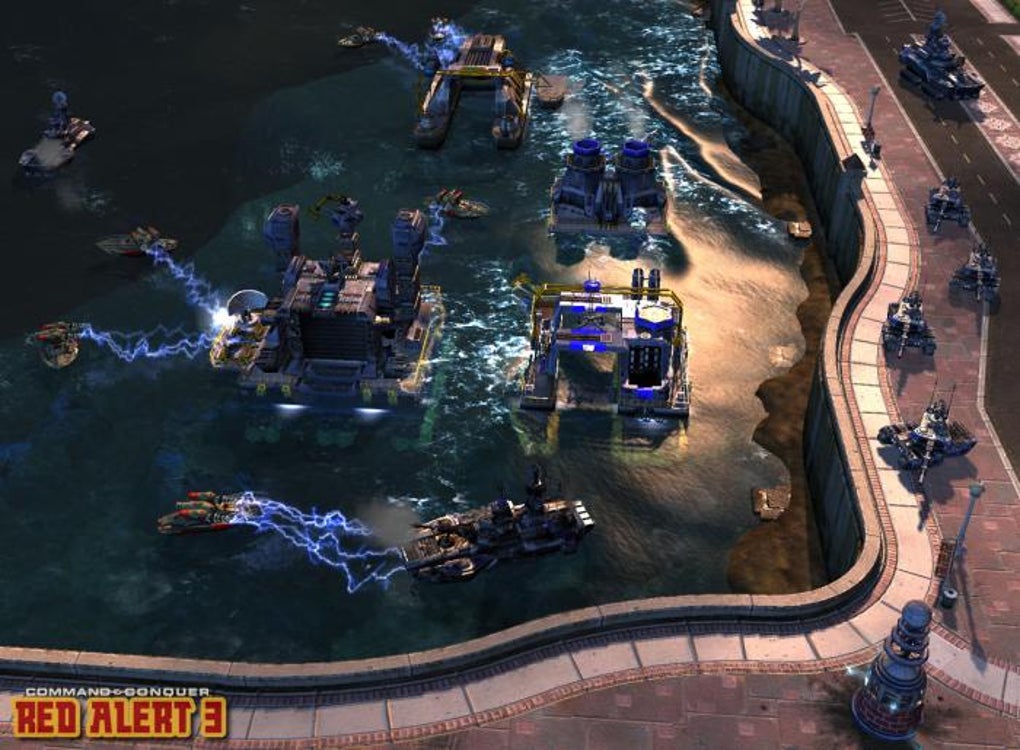
One of Red Alert 3’s most immediate and impressive improvements over its predecessors was its visual presentation. Utilizing the upgraded engine introduced in Command & Conquer 3: Tiberium Wars, the game boasts significantly enhanced graphics and 3D effects. Units and environments are rendered with greater detail, resulting in a more immersive and visually engaging experience. Explosions are more dynamic, the environments are more varied and richly detailed, and the overall aesthetic is a significant step up from the previous installments. This visual upgrade doesn’t come at the cost of performance, though some users reported slightly higher CPU and GPU load, especially at maximum settings. These minor performance hiccups, however, did not detract significantly from the overall experience for most players.
The audio design is equally impressive. The soundtrack, a blend of orchestral scores and electronic music, perfectly captures the intense and often over-the-top nature of the Red Alert universe. The sound effects are crisp and satisfying, adding to the overall impact of battles and unit actions. Perhaps the most striking audio element, however, is the voice acting. Red Alert 3 features a cast of recognizable actors delivering lines with a tongue-in-cheek delivery that perfectly encapsulates the series’ signature blend of serious military conflict and darkly humorous absurdity. The dedication to high-quality voice acting greatly enhances the game’s cinematic presentation and overall immersion.
Gameplay Mechanics and Strategic Depth
While Red Alert 3’s visual and audio improvements are immediately apparent, the core gameplay mechanics remain largely consistent with previous entries in the series. This is both a strength and a weakness. Fans of the established Red Alert formula will find a familiar and comfortable experience, but those seeking significant innovations in gameplay may find themselves somewhat disappointed. The core loop of base building, resource gathering, unit production, and strategic combat remains intact. Players must manage their resources effectively, build a balanced army, and skillfully deploy their units to achieve victory.
The inclusion of the Empire of the Rising Sun as a third playable faction introduces some welcome variety. This new faction brings unique units, technologies, and strategic approaches to the battlefield. The War Bear, a bizarre yet effective unit introduced for the Soviets, exemplifies the game’s commitment to both strategic depth and over-the-top, humorous flair. However, some critics argued that the overall strategic depth of the game isn’t as pronounced as in some other RTS titles. Unit balancing was also a point of contention, with certain units or strategies proving significantly more effective than others.
The Story and Cinematic Presentation
The narrative in Red Alert 3 is delivered with a flourish. The game’s opening cinematic, clocking in at a notable seven minutes, is a masterclass of over-the-top action and dark humor, perfectly setting the tone for the entire experience. The story itself involves time travel, nuclear weapons, and a cast of memorable characters, both heroic and villainous. The inclusion of the Empire of the Rising Sun adds a new layer to the established conflict between the Soviets and the Allies, creating unexpected alliances and rivalries. The narrative is presented through a series of cutscenes that are both visually stunning and hilariously entertaining, furthering the game’s overall campy aesthetic.
The game’s campaign offers a compelling storyline, following the conflicts from the perspectives of each faction. This allows players to experience the story from multiple viewpoints, gaining a better understanding of the motivations and strategies of each side. Each faction’s campaign offers a unique experience, with different units, challenges, and strategic approaches required for success. While the narrative isn’t groundbreaking, it successfully blends the serious themes of warfare with the lighthearted humor that is a hallmark of the Red Alert series.
A New Enemy, Familiar Tactics: Innovation and Repetition
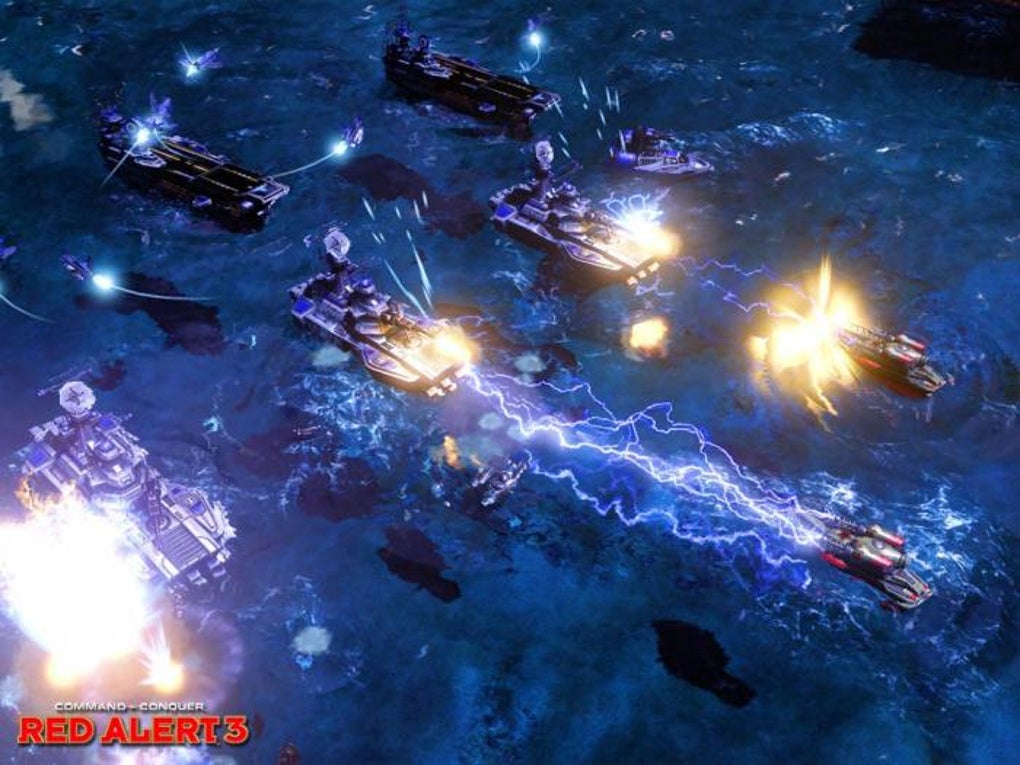
The introduction of the Empire of the Rising Sun as a new playable faction is undoubtedly a highlight of Red Alert 3. This addition adds a considerable amount of fresh content, introducing unique unit designs, technological advancements, and strategic approaches that alter the familiar dynamics between the Soviets and the Allies. The Empire’s units possess distinct characteristics and abilities, necessitating different tactical approaches from players accustomed to the Soviet and Allied play styles.
However, the core gameplay mechanics remain remarkably similar to earlier Red Alert games. While the visual fidelity and the addition of the new faction inject some welcome dynamism, the underlying gameplay loop doesn’t stray significantly from the established formula. This can be seen as both a positive and a negative aspect of the game. Longtime fans will appreciate the familiarity, but players seeking significant innovation within the RTS genre may find themselves yearning for a more substantial departure from established conventions.
Community Reception and Lasting Legacy
Upon its release, Command & Conquer: Red Alert 3 received generally positive reviews, praised for its improved graphics, engaging storyline, and the addition of the Empire of the Rising Sun. However, criticisms centered on the lack of significant innovation in the core gameplay mechanics and concerns regarding unit balance. Despite these criticisms, the game enjoyed considerable commercial success and maintained a dedicated player base for years after its release.
The game’s legacy extends beyond its immediate reception. Red Alert 3’s polished visuals and entertaining presentation established a new standard for the franchise. The introduction of the Empire of the Rising Sun also provided fresh dynamics to the established rivalry between the Soviets and the Allies. While it may not have revolutionized the RTS genre, Red Alert 3 delivered a polished and enjoyable experience that cemented its place as a worthy entry in the beloved Command & Conquer franchise.
Conclusion: A Polished Iteration, Not a Revolution
Command & Conquer: Red Alert 3 stands as a solid and enjoyable real-time strategy game, but it ultimately functions more as a refined iteration of established mechanics rather than a groundbreaking innovation. Its enhanced visuals, improved sound design, and the addition of the Empire of the Rising Sun inject welcome vitality into the series. The humorous storyline and impressive cinematic presentation further enhance the overall experience.
However, the core gameplay mechanics remain largely unchanged from previous entries. While this provides a comfortable familiarity for returning players, it may disappoint those seeking a more substantial departure from the formula. Furthermore, some concerns regarding unit balance persisted, potentially affecting the competitive landscape. Despite these shortcomings, Red Alert 3 remains a fun and engaging title that successfully captures the spirit of the Red Alert series while showcasing significant technical advancements. It’s a game that will appeal strongly to existing fans, while offering a compelling entry point for newcomers curious about the franchise’s unique blend of strategic combat and dark humor.
File Information
- License: “Trial version”
- Latest update: “September 23, 2022”
- Platform: “Windows”
- OS: “Windows 7”
- Language: “English”
- Downloads: “1M”


