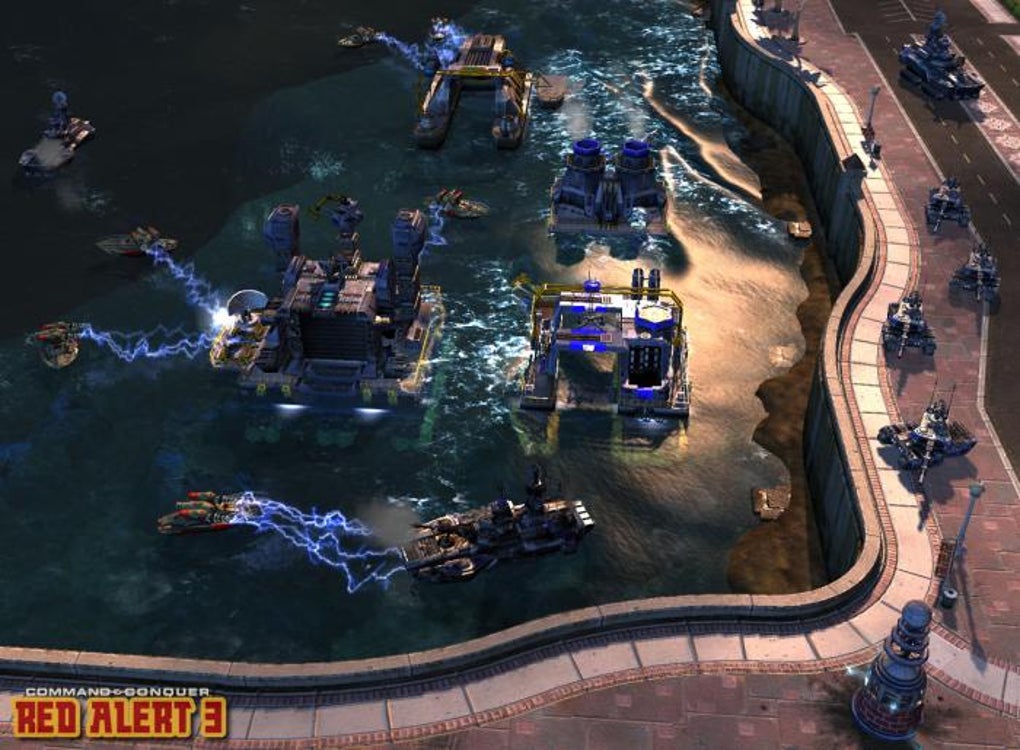
Command & Conquer: Red Alert, a seminal real-time strategy (RTS) game released in 1996, remains a beloved title for many gamers. Its impact on the genre is undeniable, introducing innovative mechanics and a compelling narrative that captivated players for years to come. This article explores the game’s legacy, gameplay mechanics, impact on the RTS genre, and its lasting appeal to a generation of gamers.
A World War II Alternative History: The Narrative and Setting
Command & Conquer: Red Alert diverges from the timeline established in the original Command & Conquer, presenting an alternate history where Albert Einstein’s time travel experiment succeeds, allowing the Allied forces to prevent World War II. However, this act unwittingly unleashes the wrath of the Soviet Union under the iron fist of Stalin, leading to a global conflict with a unique twist.
Instead of the technologically advanced weaponry seen in other RTS games of the era, Red Alert emphasizes a blend of conventional military units and more unusual, often bizarre, technologies. This unusual approach adds a distinctive flavor, making each faction’s units feel unique. The Allied forces, characterized by their technological prowess, field units such as the ubiquitous infantrymen, powerful tanks, and the iconic Prism Tank, capable of firing devastating energy blasts. On the other hand, the Soviet Union boasts units with their own distinctive flavor. Their arsenal includes heavily armed infantry, devastating Tesla coils, and the iconic Apocalypse Tank, a colossal unit capable of leveling entire bases.
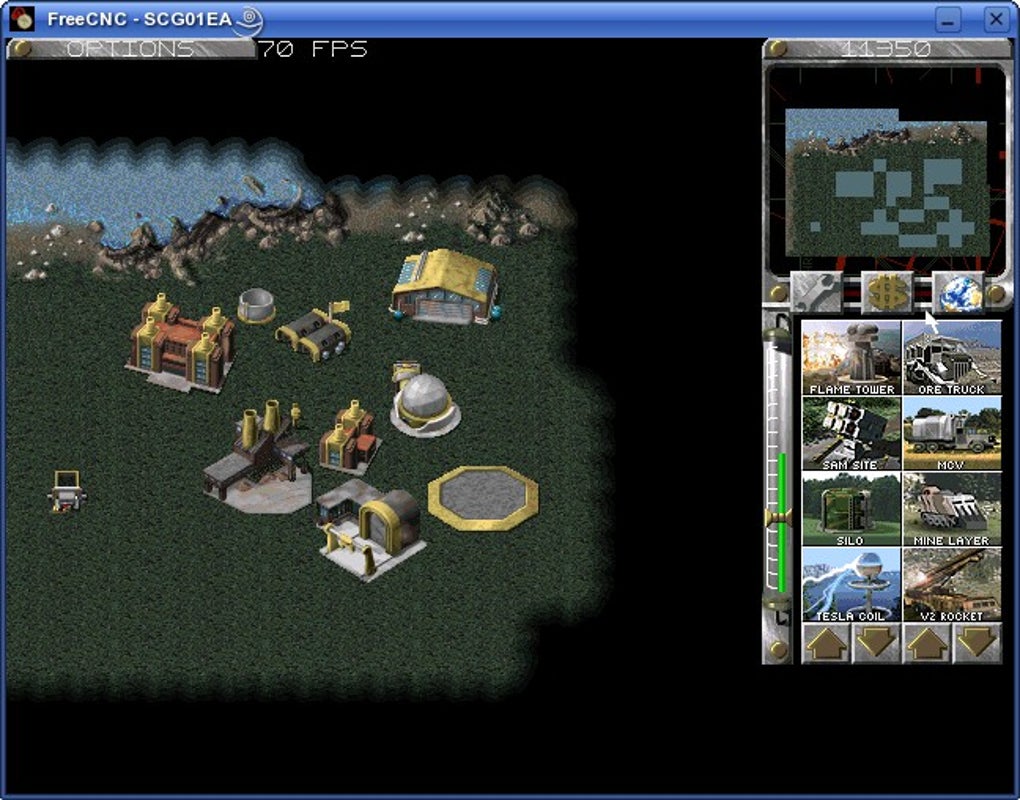
The campaign follows a branching narrative, giving players the chance to influence the outcomes and experience different perspectives of the war. The game’s narrative is cleverly woven into the gameplay, with mission briefings providing crucial context and setting the stage for the upcoming battles. This storytelling element helped immerse players in the conflict and made each mission feel more meaningful. The overarching narrative, though simplistic in its core premise, creates a world engaging enough to keep players invested through the entire campaign. The exaggerated, often comical portrayal of both the Allied and Soviet forces contributed to the game’s unique charm, avoiding the often grim seriousness of many World War II-themed media.
Gameplay Mechanics: A Masterclass in Real-Time Strategy
Command & Conquer: Red Alert refined and enhanced the core mechanics of the RTS genre, making it incredibly accessible yet deeply strategic. The game features a streamlined interface that makes base building, resource management, and unit control intuitive, allowing even newcomers to quickly grasp the fundamentals. The simplicity of the interface belies the strategic depth that lies beneath. Mastering the nuances of unit combinations, base layout, and resource allocation becomes crucial to victory in the later missions.
Resource management is elegantly simplified. Instead of managing multiple resources, players focus primarily on ore and power, which are readily available and continuously produced. This streamlined resource management allows players to focus more on strategic decision-making concerning unit production and deployment rather than worrying about complex resource gathering and allocation. This simplified resource mechanic paved the way for newer RTS games focusing on unit design and battlefield tactical planning.
Unit production is straightforward. Units are produced at designated structures like barracks, and the progression of these units is clearly represented in the interface, making it simple to control the army’s composition. This straightforward approach to unit production removes unnecessary complexity, allowing players to focus on the tactical deployment of their units rather than struggling with complex unit creation.
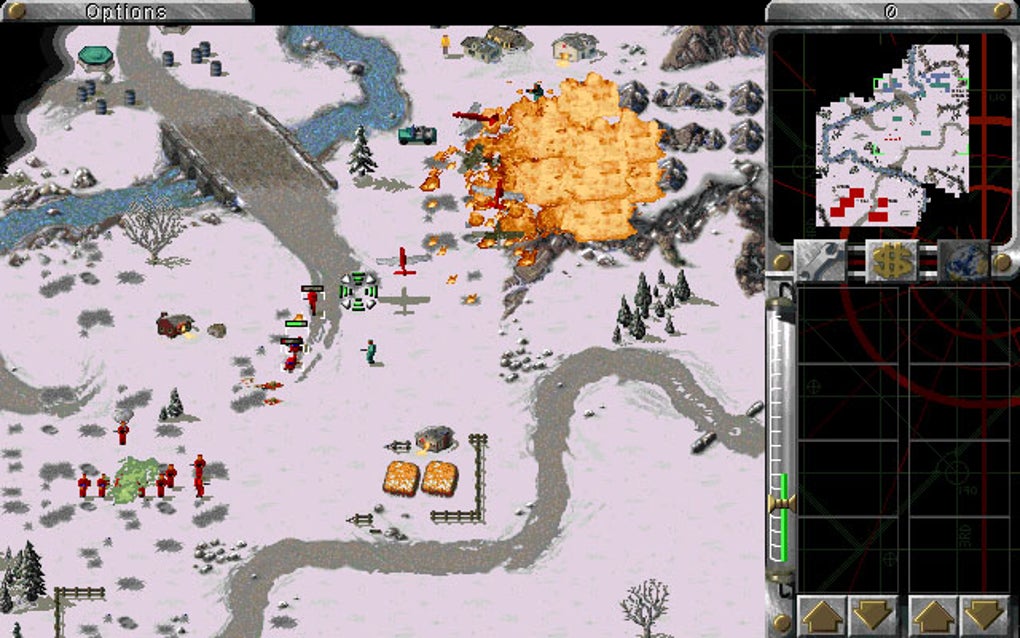
Perhaps one of the most innovative additions is the inclusion of powerful special units and abilities. These units provide tactical advantages and game-changing potential. These high-impact units can turn the tide of battle, emphasizing strategic planning and well-timed deployment. The strategic use of these units isn’t about brute force; it involves knowing when to utilize them to achieve maximum efficiency and advantage.
Map design plays a crucial role in the strategic aspects of the game. Maps vary dramatically in terrain type and layout, demanding different approaches from the player. Players are often forced to adapt their strategy based on the unique challenges presented by the environment. Clever use of the terrain can often provide a significant tactical advantage, making strategic positioning as important as skillful unit deployment.
Technological Advancements and the Evolution of the RTS Genre
Command & Conquer: Red Alert pushed the boundaries of what was possible in real-time strategy gaming at the time. The game’s graphics, while not groundbreaking by modern standards, were impressive for its era. The vivid unit sprites and detailed environments helped to immerse players in the alternate-history setting, and the well-crafted sound design reinforced this immersion. The soundtrack, particularly the memorable main theme, further added to the game’s atmosphere and continues to resonate with players today.
The use of full-motion video (FMV) cutscenes within the game was innovative for its time, providing a more cinematic experience than many other games offered. These cutscenes, while visually simple by today’s standards, effectively presented the narrative and helped to establish the personalities of the key characters. The FMV sequences, albeit slightly campy, served to enhance the overall storyline and character development.
Beyond the technological advancements, the game’s overall design and ease of play had a profound impact on the RTS genre. Its streamlined approach to resource management and unit production became a standard that many subsequent RTS games adopted, simplifying the genre and making it more accessible to a wider audience. This focus on accessibility without sacrificing strategic depth was one of the keys to the game’s enduring popularity.
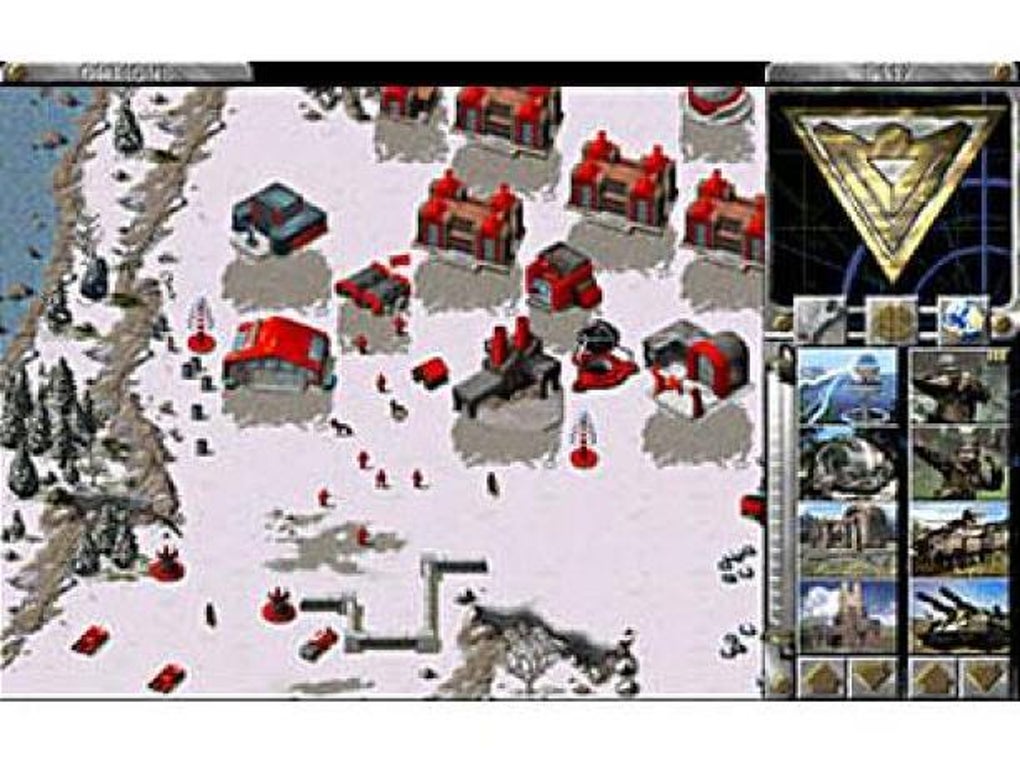
Enduring Legacy and Continued Appeal
Command & Conquer: Red Alert’s legacy extends beyond its immediate impact. Its influence can be seen in countless RTS games that followed, borrowing elements of its streamlined gameplay and memorable unit designs. Many of the game’s units and mechanics have become iconic within the genre, with references and homages still appearing in modern games.
The game’s enduring appeal stems from its accessible yet strategic gameplay. Its simplistic mechanics make it easy to pick up and play, but underneath lies a rewarding layer of strategic depth that keeps players engaged for hours. The balanced gameplay, ensuring neither side holds an insurmountable advantage, contributes to the game’s long-term replayability. The game’s sense of humor and over-the-top units also contribute to its appeal, presenting a lighter approach to a genre that often embraces a more serious tone.
The multiplayer aspect of Red Alert was crucial to its success. The competitive gameplay fueled countless hours of matches between players, fostering a thriving community and contributing to the game’s long-term longevity. The fast-paced and action-packed gameplay, combined with the many strategic options available, made for highly engaging and often unpredictable multiplayer experiences.
In conclusion, Command & Conquer: Red Alert stands as a testament to the power of a well-designed, accessible, and strategically deep real-time strategy game. Its blend of accessible gameplay, innovative mechanics, memorable units, and impactful storytelling created a lasting legacy that continues to inspire and entertain players even today. The game’s impact on the RTS genre is undeniable, solidifying its position as a true classic of the genre and a key influence on the evolution of real-time strategy gaming.
File Information
- License: “Free”
- Version: “1.0”
- Latest update: “September 15, 2022”
- Platform: “Windows”
- OS: “Windows 95”
- Language: “English”
- Downloads: “499.5K”