
In the annals of PC gaming history, few titles have etched their name with the unique blend of tension, tactical brilliance, and sheer unforgiving difficulty quite like “Commandos: Behind Enemy Lines.” Released in 1998 by Pyro Studios, this pioneering real-time tactics game thrust players into the heart of World War II, tasking them with leading a small, elite squad of Allied commandos on a series of audacious, covert missions deep within enemy territory. Far from a run-and-gun shooter, “Commandos” demanded meticulous planning, surgical precision, and a mastery of each squad member’s distinct abilities, setting a new benchmark for strategic gameplay and establishing a beloved franchise that continues to resonate with fans decades later.
At its core, “Commandos: Behind Enemy Lines” is an isometric tactical game where direct confrontation is almost always a path to failure. Players are presented with vast, intricately designed maps, each a complex puzzle box filled with Nazi patrols, guard posts, and objectives ranging from sabotaging enemy installations and destroying weapons nests to assassinating high-value targets and rescuing Allied prisoners. The stakes are perpetually high; one wrong move, one unobserved enemy, or one poorly timed action can spell disaster for the entire mission, often forcing a frustrating but ultimately rewarding process of trial and error. This blend of historical setting, intricate gameplay, and challenging design created an experience that was both deeply immersive and intensely gratifying for those willing to embrace its demands.
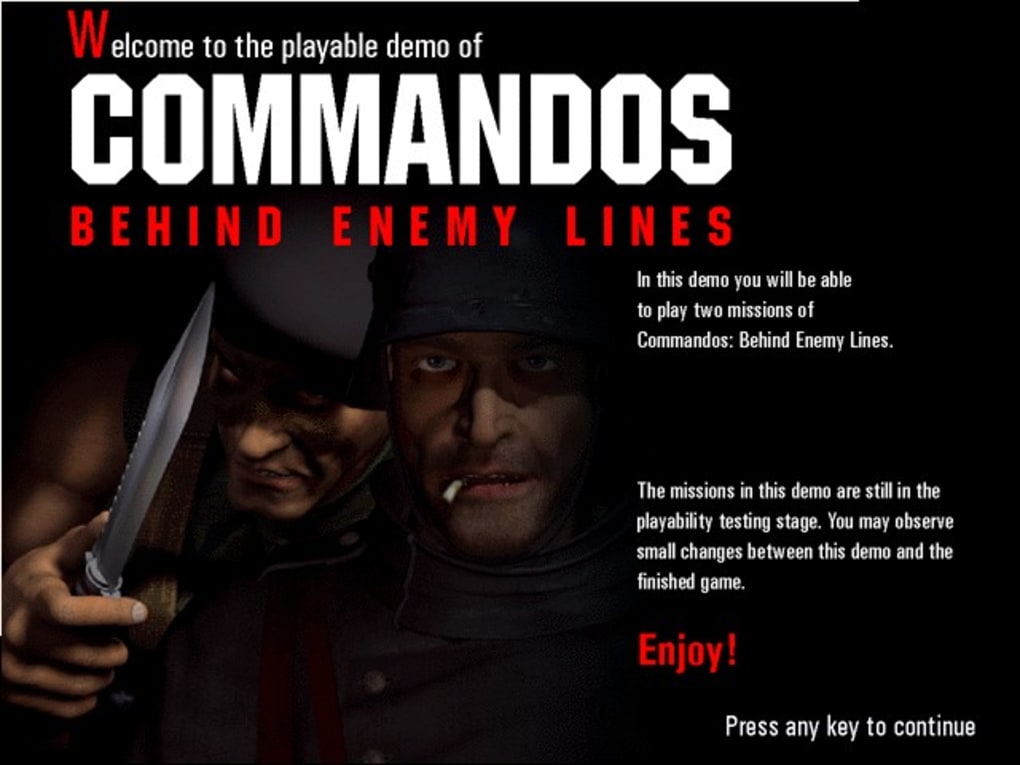
The Dawn of Tactical Espionage: A WWII Saga
“Commandos: Behind Enemy Lines” plunges players directly into the most defining conflict of the 20th century: World War II. The game masterfully leverages this historical backdrop, crafting a narrative of daring covert operations that feel authentic to the desperate struggle against the Nazi war machine. Unlike the sweeping front-line battles often depicted in other WWII games, “Commandos” focuses on the shadowy world of special forces, where small, highly trained units undertake missions crucial to the Allied war effort, often turning the tide of specific engagements or gathering vital intelligence that impacts larger strategic objectives.
The choice of setting is more than just thematic; it deeply influences the gameplay. The grim realities of war, the omnipresent threat of discovery, and the overwhelming numerical superiority of the enemy all contribute to the game’s core design philosophy. Players aren’t leading an army; they are guiding a handful of individuals, each a precious asset, behind enemy lines where every shadow, every distraction, and every sound could mean the difference between success and a swift, brutal end. This emphasis on clandestine operations against a formidable, oppressive regime creates an atmosphere of constant tension and strategic depth, making every successful evasion and every neutralized threat feel like a significant victory against insurmountable odds.
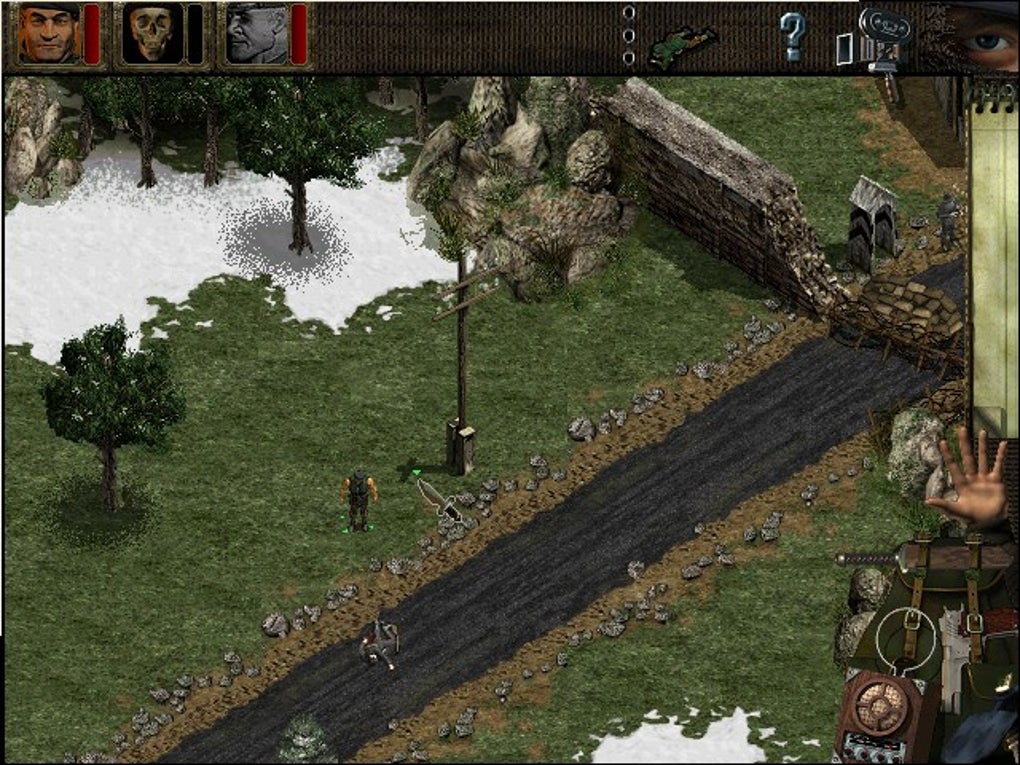
Stealth and Strategy: Outwitting the Enemy
The defining characteristic of “Commandos: Behind Enemy Lines” is its absolute reliance on stealth and strategic foresight. The game explicitly discourages direct combat, framing it not as a viable option, but as a last resort — and usually, a fatal one. From the very first mission, players are taught that a silent approach, careful observation, and calculated execution are paramount. Enemy soldiers are numerous and often positioned to create overlapping fields of vision, making simple progress a complex endeavor. A successful mission is less about firepower and more about psychological warfare and environmental manipulation.
Players must analyze patrol routes, identify blind spots, create diversions, and synchronize actions across multiple commandos to achieve their objectives without raising an alarm. For instance, a sniper might eliminate a distant guard, while simultaneously, the spy distracts another, allowing the Green Beret to sneak past and take down a third. Every action has a consequence, and the game excels at making players feel the weight of their choices. Killing a guard might seem tempting, but without a plan to hide the body, it could lead to an immediate alert and a mission failure. This intricate dance of avoidance, distraction, and silent neutralization forms the heart of the gameplay, transforming each level into a challenging, multi-layered puzzle that demands both intellect and agility to solve. The satisfaction derived from executing a perfectly timed, undetected infiltration is one of the game’s most enduring appeals, solidifying its reputation as a masterclass in tactical stealth.
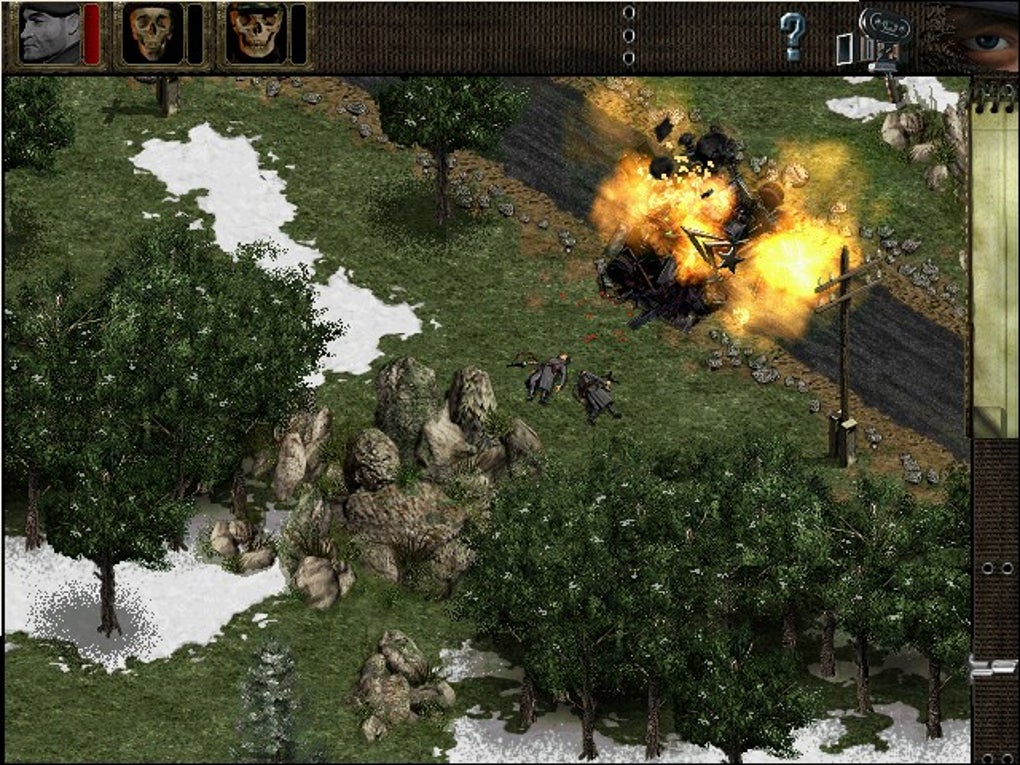
Assembling the Elite Squad: Mastering Unique Abilities
Central to the enduring appeal and strategic depth of “Commandos: Behind Enemy Lines” is its diverse cast of characters, each possessing a unique skill set indispensable to mission success. Players don’t control a generic unit; they command six distinct specialists, and understanding the strengths and limitations of each commando is the key to overcoming the myriad obstacles presented by the game’s intricate levels. The game forces players to think like a seasoned tactical commander, deploying the right person for the right job at the precise moment. This specialization not only adds a layer of realism but also provides immense strategic flexibility.
The squad typically consists of six archetypal figures, though not all are available on every mission, adding another dynamic layer of strategy in managing the resources at hand:
- The Green Beret (Jack O’Hara): A powerhouse of close-quarters combat and brute force. He can carry heavy objects, climb walls, hide in snow, and effectively engage enemies in melee. His ability to hide bodies and camouflage himself makes him crucial for clearing paths and securing areas. He’s the team’s muscle and a master of silent takedowns.
- The Marine (Fins): The aquatic expert, capable of operating underwater for extended periods. He can use a diving suit to approach targets from the sea, plant limpet mines on boats, and navigate treacherous watery terrains. His unique stealth capabilities make him invaluable for coastal and riverine missions, often providing unexpected entry points.
- The Spy (Natasha Nikochevski/René Duchamp): The master of disguise and deception. The Spy can don enemy uniforms to move freely among patrols, distract guards, and even order low-ranking soldiers to change position. This ability to sow confusion and manipulate enemy behavior is invaluable for creating openings or bypassing heavily guarded areas without alerting suspicion. Natasha, the female spy, is more of an operative, while René, the male spy, has the unique ability to wear a German officer’s uniform.
- The Sapper (Thomas Hancock): The demolition expert. The Sapper is proficient with explosives, capable of planting bombs, setting traps, and defusing mines. His engineering skills are vital for destroying enemy infrastructure, clearing obstacles, or creating diversions. He often carries remote-controlled bombs and wire cutters, essential tools for sabotage and infiltration.
- The Driver (Samuel Brooklyn): The vehicle specialist. While less involved in direct combat, the Driver is essential for operating various enemy vehicles, including tanks, armored cars, and trucks. His ability to commandeer enemy transport allows the team to overcome certain defenses, quickly move across large areas, or provide mobile firepower when necessary.
- The Sniper (Duke O’Neil): The long-range marksman. Equipped with a sniper rifle, Duke can eliminate distant threats with deadly accuracy, removing key sentries or silencing machine gun nests from afar. His limited ammunition means every shot must count, making him a precision tool reserved for critical targets.
Mastering these unique abilities isn’t just about knowing what each commando can do; it’s about understanding how their skills interlock and complement one another. A mission might begin with the Marine infiltrating by sea, followed by the Spy creating a distraction, allowing the Green Beret to clear a path for the Sapper to plant explosives, all while the Sniper provides overwatch. The dynamic interplay between these specialists creates a rich tapestry of tactical possibilities, demanding creative problem-solving and coordinated execution from the player. This character-driven design cemented “Commandos: Behind Enemy Lines” as a truly distinctive and memorable strategic experience.
The Art of Execution: Real-Time Tactics and Unforgiving Difficulty
“Commandos: Behind Enemy Lines” quickly distinguished itself from its peers not just by its unique squad-based mechanics, but by its unwavering commitment to a real-time tactical experience coupled with an uncompromising difficulty curve. Unlike many turn-based strategy games where players have ample time to ponder their next move, “Commandos” demands split-second decisions and swift execution. The world continues to move even as you plan, meaning that delays can be just as fatal as missteps. This real-time pressure elevates the tension, transforming each mission into a high-stakes performance where a single mistake can unravel an entire carefully constructed plan.
The game thrives on its ability to make players feel constantly on edge. Enemy patrols follow predictable but often overlapping routes, their cones of vision are unforgivingly broad, and the sounds of footsteps or a dropped item can instantly alert nearby guards. This combination necessitates not just foresight, but also agility and precision in issuing commands. Players often find themselves pausing the game to queue up a series of actions – send the Green Beret to knife a guard, then hide the body, while simultaneously having the Spy distract another guard – and then unpausing to watch the plan unfold, hoping their timing is impeccable. This blend of meticulous planning and rapid-fire execution defines the “real-time tactics” genre that “Commandos” helped popularize.
The Isometric Advantage: Planning and Precision
A significant contributor to the game’s strategic depth is its iconic isometric viewpoint. This perspective provides a clear, comprehensive overview of the entire map, allowing players to survey the landscape, identify enemy positions, understand patrol patterns, and spot potential routes of infiltration and extraction. Unlike first-person or over-the-shoulder perspectives that limit visibility, the isometric view of “Commandos” is a powerful tactical tool, putting all the necessary information at the player’s fingertips.
This bird’s-eye view is instrumental in the planning phase of each mission. Players can pause the game, zoom in and out, and meticulously study the environment before committing to any action. They can pinpoint choke points, identify ideal cover, and even anticipate enemy reactions. This holistic understanding of the battlefield is crucial for devising the complex, multi-layered strategies required to succeed. Without it, the game’s intricate puzzles would be far more frustrating, if not impossible. The isometric perspective isn’t just an aesthetic choice; it’s a fundamental design element that empowers players to engage with the game’s challenges with the necessary level of precision and strategic foresight. It allows for the intricate choreography of squad movements, making it possible to synchronize multiple actions across the map and execute complex plans with satisfying accuracy.
Trial, Error, and Tremendous Reward
One of the most defining and, at times, polarizing aspects of “Commandos: Behind Enemy Lines” is its “frustrating process of trial and error.” The game is notoriously difficult, and success rarely comes on the first attempt. Players are expected to experiment, fail, learn from their mistakes, and iterate on their strategies until they discover the “correct” solution for each intricate scenario. This often involves numerous quick-saves and quick-loads, a testament to the game’s unforgiving nature. A single misclick, a momentary lapse in attention, or a slight misjudgment of a guard’s line of sight can lead to an immediate mission failure, forcing players to restart from their last save.
While this approach might deter some players accustomed to more lenient modern games, it is precisely this unforgiving nature that makes victory in “Commandos” so “tremendously rewarding.” The game doesn’t hold your hand; it demands patience, analytical thinking, and perseverance. When a complex plan finally clicks, and all the moving parts synchronize perfectly to neutralize a threat or achieve an objective without raising a single alarm, the sense of accomplishment is profound. It’s a testament to the player’s strategic prowess and their ability to master the game’s intricate mechanics. The feeling of outsmarting an entire army with a handful of specialists, relying on guile rather than brute force, is an unparalleled satisfaction.
However, this design philosophy also leads to what many identify as the game’s primary downside: “each mission has basically one correct solution.” While there might be minor variations in execution, the optimal path through most levels is often quite specific. Once a player has discovered and mastered this solution, the “limited replay value” becomes apparent. The joy of discovery and problem-solving diminishes significantly on subsequent playthroughs, as the challenge transforms into a test of memory and execution rather than pure strategy. Despite this, the sheer satisfaction of conquering its formidable challenges for the first time ensured its place in the hearts of tactical gamers, making it an experience many remember vividly even years later.
Legacy and Lasting Impact: Beyond the Dated Graphics
Two decades after its initial release, “Commandos: Behind Enemy Lines” stands as a monumental achievement in the real-time tactics genre, leaving an indelible mark on gaming despite certain aspects that have not aged gracefully. The most obvious of these is the “dated graphics.” By today’s standards, the game’s visuals—fixed isometric camera, pixelated sprites, and relatively low-resolution textures—clearly belong to an older era. Yet, for many veteran players and newcomers alike, these graphical limitations are often quickly forgotten once the intricate gameplay takes hold. The art style, though technically dated, still manages to convey the gritty, wartime atmosphere effectively, and the clarity of the isometric view remains a functional strength, enabling players to grasp the battlefield’s complexities without visual clutter.
The true legacy of “Commandos” lies not in its graphical fidelity, but in its pioneering gameplay mechanics and design philosophy. It wasn’t the first real-time strategy game, but it carved out a distinct niche within the genre by focusing intensely on a small, specialized squad, emphasizing stealth and individual character abilities over large-scale unit management. This focus on micro-management, intricate puzzles, and high difficulty became a blueprint for an entire subgenre. Many subsequent games, including its own sequels like “Commandos 2: Men of Courage” and “Commandos 3: Destination Berlin,” and spiritual successors such as the “Desperados” series and “Shadow Tactics: Blades of the Shogun,” openly credit “Commandos” as a primary influence. It proved that deep strategic gameplay could be delivered in real-time without resorting to overwhelming numbers or frantic action.
The concept of using a diverse team, where each member’s unique skills are absolutely essential and must be synergistically combined, was revolutionary. Before “Commandos,” such intricate teamwork was often confined to RPGs or adventure games; rarely had it been applied with such tactical rigor in a real-time setting. This design choice imbued each commando with personality and importance, making players genuinely care about their survival and effective deployment. While the original game had “limited replay value” due to its often singular optimal solution, the impact it had on player expectations for tactical depth and the satisfaction of mastering complex systems far outweighed this drawback. It challenged players to think differently, to prioritize intellect over aggression, and to derive satisfaction from elegant problem-solving rather than brute force.
The Blueprint for a Genre
“Commandos: Behind Enemy Lines” didn’t just contribute to the real-time tactics genre; it largely defined it. Before its arrival, real-time strategy games were typically characterized by base building, resource management, and controlling large armies. “Commandos” broke this mold by shrinking the scope to a handful of elite units, shifting the focus entirely to individual character control, stealth, and puzzle-like mission design. This paradigm shift was incredibly influential, inspiring a wave of games that sought to replicate its unique blend of covert action and strategic depth.
The game’s success demonstrated that there was a significant appetite for tactical experiences that rewarded careful planning, precise execution, and a deep understanding of character abilities. It showed that intricate level design, where every enemy patrol, line of sight, and environmental detail mattered, could create profoundly engaging challenges. The emphasis on non-lethal solutions (or at least, silent lethal ones with body disposal) and the tension of operating behind enemy lines without alerting the larger force became hallmarks of the genre it helped establish. In essence, “Commandos: Behind Enemy Lines” wasn’t just a game; it was a proof of concept, a foundational text that proved a niche, difficult, and highly strategic real-time experience could captivate players and influence game design for decades to come, leading to a richer and more diverse landscape within the broader strategy genre.
PhanMemFree’s Verdict: A Classic Worth Revisiting
Looking back through the lens of modern gaming, “Commandos: Behind Enemy Lines” remains an iconic and essential experience for anyone with an appreciation for challenging, strategic gameplay. While its “dated graphics” are undeniable and its “limited replay value” in the traditional sense holds true, these shortcomings are easily overshadowed by the sheer brilliance of its core design. The game’s ability to immerse players in its high-stakes WWII setting, demanding both intellect and reflexes, is a testament to its timeless appeal.
For those who enjoy meticulously planning every move, mastering a diverse set of character abilities, and relishing the immense satisfaction of overcoming seemingly impossible odds through cunning and precision, “Commandos: Behind Enemy Lines” is a veritable treasure. Its innovative real-time tactical combat, combined with a compelling historical backdrop and deeply engaging mission design, makes it more than just a relic of the past; it’s a masterclass in game design that continues to educate and entertain. PhanMemFree highly recommends revisiting this classic, not just for nostalgia, but to experience a seminal title that defined a genre and continues to offer a uniquely rewarding strategic challenge. It’s a testament to the fact that compelling gameplay, even with technical limitations, can truly stand the test of time.
File Information
- License: “Trial version”
- Latest update: “August 17, 2018”
- Platform: “Windows”
- OS: “Windows 98 SE”
- Language: “English”
- Downloads: “492.1K”
- Size: “14.79 MB”


