
Connectix Virtual Game Station (CVGS) holds a significant place in the history of PC gaming emulation. Released as a trial version for Windows, it aimed to bridge the gap between the then-popular Playstation console and the capabilities of personal computers. While its emulation wasn’t perfect, and the technology has drastically improved since its release, CVGS represented a pioneering effort in bringing console gaming to the PC. This article delves into the legacy of Connectix Virtual Game Station, exploring its features, impact, and its position within the broader context of gaming emulation.
The Promise and Reality of Playstation on PC
CVGS promised users the ability to play their favorite Playstation games directly on their Windows PCs. This was a revolutionary concept at the time, as console emulation was still in its nascent stages. The appeal was clear: users could leverage the superior processing power and storage capabilities of their PCs, potentially achieving better performance than the original Playstation hardware. However, the reality fell somewhat short of this ideal.
The software relied on interpreting Playstation instructions, a process significantly less efficient than native execution. Consequently, CVGS suffered from performance issues, notably frame rate drops and occasional glitches. Game compatibility was also a considerable limitation. While it could run many popular titles, numerous games experienced significant problems, ranging from graphical anomalies to outright crashes. The emulation accuracy wasn’t perfect; subtle aspects of game behavior might be slightly off, leading to variations in gameplay experience. This meant that, while CVGS could offer a way to play Playstation games on a PC, the experience often wasn’t identical to playing on the original console.
Despite these shortcomings, CVGS garnered considerable attention and popularity. Its relatively low system requirements (particularly compared to other software of the time) and the novelty of playing Playstation games on a PC made it a noteworthy product. For many users, the ability to access Playstation games on their PC, even with imperfections, was enough to justify its use. The software’s accessibility made it a gateway for many individuals into the world of console emulation. This laid the groundwork for the much more sophisticated emulators that followed.
Technical Specifications and Limitations
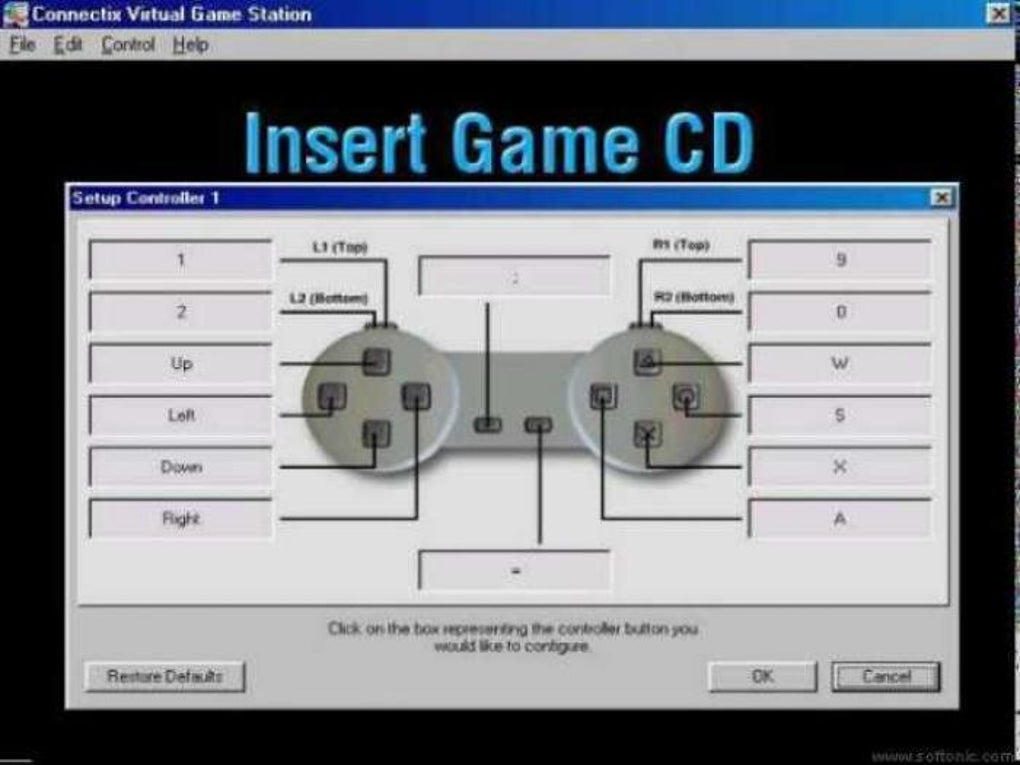
Connectix Virtual Game Station was primarily a trial version, restricting users’ access to full functionality. Its final released version, 1.41, dated May 31st, 2011, was a product of its time. Running on Windows 95 and later versions, it required a relatively modest 2.24 MB of storage space, a stark contrast to the substantial storage requirements of modern games. Its reliance on older Windows operating systems reflected the technological constraints of the era. The software’s English-language interface further defined its target market.
The limitations of CVGS were inextricably linked to the technology available at the time. The complexities of emulating the Playstation’s custom hardware architecture were enormous, requiring significant processing power to interpret and translate commands. The software’s reliance on software-based emulation rather than more advanced techniques meant inherent limitations in performance and compatibility. Modern emulators utilize advanced techniques such as dynamic recompilation and optimized instruction sets, significantly improving performance and compatibility.
Furthermore, the lack of widespread high-speed internet access during CVGS’s prime limited the ease of finding and downloading Playstation game ROMs (read-only memory), a crucial component for using the emulator. This, coupled with the legal uncertainties surrounding ROM distribution, presented a significant hurdle for many potential users. Today, while the legal landscape remains complex, the ease of accessing ROMs via online communities is considerably higher.
Impact and Legacy in the World of Emulation
Despite its limitations, Connectix Virtual Game Station’s impact on the gaming world should not be underestimated. It represented a crucial step in the evolution of console emulators. While not the first Playstation emulator, it achieved a level of popularity and accessibility that helped to introduce the concept of console emulation to a wider audience. The software demonstrated the potential of playing console games on PCs, paving the way for future improvements and advancements in emulation technology.
CVGS’s legacy extends beyond its technical specifications. Its release contributed to the growing interest in emulation, fueling the development of more advanced and efficient emulators. These later emulators addressed many of CVGS’s deficiencies, providing enhanced compatibility, improved performance, and more accurate emulation of Playstation games. The foundation laid by CVGS, however imperfect, played a role in the evolution of software emulation.
Furthermore, CVGS’s experience informed the development of improved techniques for handling the complex Playstation architecture. Developers of subsequent emulators learned from CVGS’s successes and failures, ultimately leading to the highly accurate and efficient Playstation emulators available today. The software served as a crucial stepping stone, allowing future developers to build upon its foundation and achieve greater results.
Comparison with Modern Emulators
Modern Playstation emulators like ePSXe and PCSX2 offer a vastly superior gaming experience compared to CVGS. These advanced emulators benefit from years of development and technological advancements. They boast significantly improved performance, near-perfect compatibility with a wide range of Playstation games, and much higher accuracy in emulating the console’s hardware.
Modern emulators often incorporate features such as dynamic recompilation, which translates Playstation instructions into optimized machine code for the PC, resulting in a significant performance boost. They also use sophisticated techniques to handle complex hardware aspects of the Playstation, minimizing glitches and inaccuracies. Additionally, these emulators often feature user-friendly interfaces, making them more accessible to users.
The difference in performance and compatibility between CVGS and modern emulators is substantial. Games that were unplayable or severely hampered on CVGS often run smoothly and flawlessly on modern alternatives. The visual quality is also considerably improved, with modern emulators often providing options for higher resolutions and enhanced graphics. This showcases the enormous technological progress made in the field of emulation since CVGS’s release.
Conclusion: A Pioneer in its Time
Connectix Virtual Game Station, while technically limited by its time, deserves recognition as a pioneering effort in the world of PC-based Playstation emulation. Its role in popularizing the concept of console emulation on PCs cannot be overstated. Although its performance and compatibility were far from ideal, its accessibility and the promise it offered laid the groundwork for the sophisticated and highly accurate Playstation emulators we have today. CVGS’s impact resonates not just in the technical advancements in emulation technology but also in the wider acceptance and utilization of emulation as a viable way to enjoy classic games. Its story serves as a testament to the continual evolution of technology and the enduring appeal of classic video games.
File Information
- License: “Trial version”
- Version: “1.41”
- Latest update: “September 23, 2021”
- Platform: “Windows”
- OS: “Windows 98 SE”
- Language: “English”
- Downloads: “20K”
- Size: “2.24 MB”


