
Image conversion is a crucial aspect of digital image management, whether for personal use or professional applications. This review delves into the capabilities and limitations of a specific image converter for Windows, examining its functionality, user experience, and overall effectiveness. While the original source material provides limited detail, this expanded review will explore various facets of the image conversion process, encompassing different software options and considerations.
Understanding Image Conversion Needs: Business, Personal, and Creative Applications
The need for image conversion extends across diverse sectors. Businesses rely on efficient conversion for tasks like optimizing website images for faster loading times, preparing visuals for marketing materials, and ensuring compatibility across various platforms. For personal users, conversion might involve resizing photos for sharing on social media, converting image formats for specific devices, or archiving large image collections in a more space-efficient format. Creative professionals, including photographers, graphic designers, and web developers, often use image converters as part of their workflow, optimizing images for printing, web display, or specific software applications. The choice of image converter often depends on the specific requirements of these diverse applications. Some converters excel in batch processing for large volumes of images, while others prioritize advanced editing features alongside conversion capabilities.
Features and Functionality of the Image Converter
The reviewed Image Converter for Windows (referred to henceforth as “the Converter”) presents itself as a straightforward tool for converting images between various formats. Its core function is the rapid and easy transformation of digital images from one format to another. The user experience is described as simple: drag and drop functionality initiates the conversion process. This simplicity is appealing to users seeking a quick and efficient solution. However, this ease of use comes with limitations. The Converter supports over 23 image formats for input and can convert to 18 different formats simultaneously. This wide format compatibility is a significant advantage, ensuring flexibility for users dealing with diverse image types.
The ability to resize images is another key feature. Users can adjust image dimensions using percentages or centimeters. However, it’s important to note that significant enlargement can lead to a loss of image quality. This is a common limitation of image resizing algorithms; expanding an image beyond its original resolution inevitably results in some data loss and a decrease in image sharpness. The software does not explicitly state the algorithms used for resizing or image conversion, which is a limitation for users seeking detailed technical specifications. The absence of such information hinders the assessment of the Converter’s image quality preservation capabilities compared to other available software.
One notable application of the Converter is email optimization. Reducing image file sizes is essential when sending multiple photos via email. The software helps users bypass size restrictions by compressing images without compromising significant quality, thereby enabling the efficient transfer of numerous images in a single email. This feature is particularly valuable for users regularly sharing large numbers of photos electronically. Additionally, the reduced file sizes ensure faster loading times on websites and forums, where images are frequently displayed.
While the Converter’s primary purpose is straightforward image conversion and resizing, it lacks certain features found in more comprehensive image editing software. It’s crucial to understand that it does not offer advanced editing tools like color correction, layer manipulation, or other sophisticated features. It functions specifically as a converter and resizer, not as a full-fledged image editor.
Supported Formats and Conversion Process
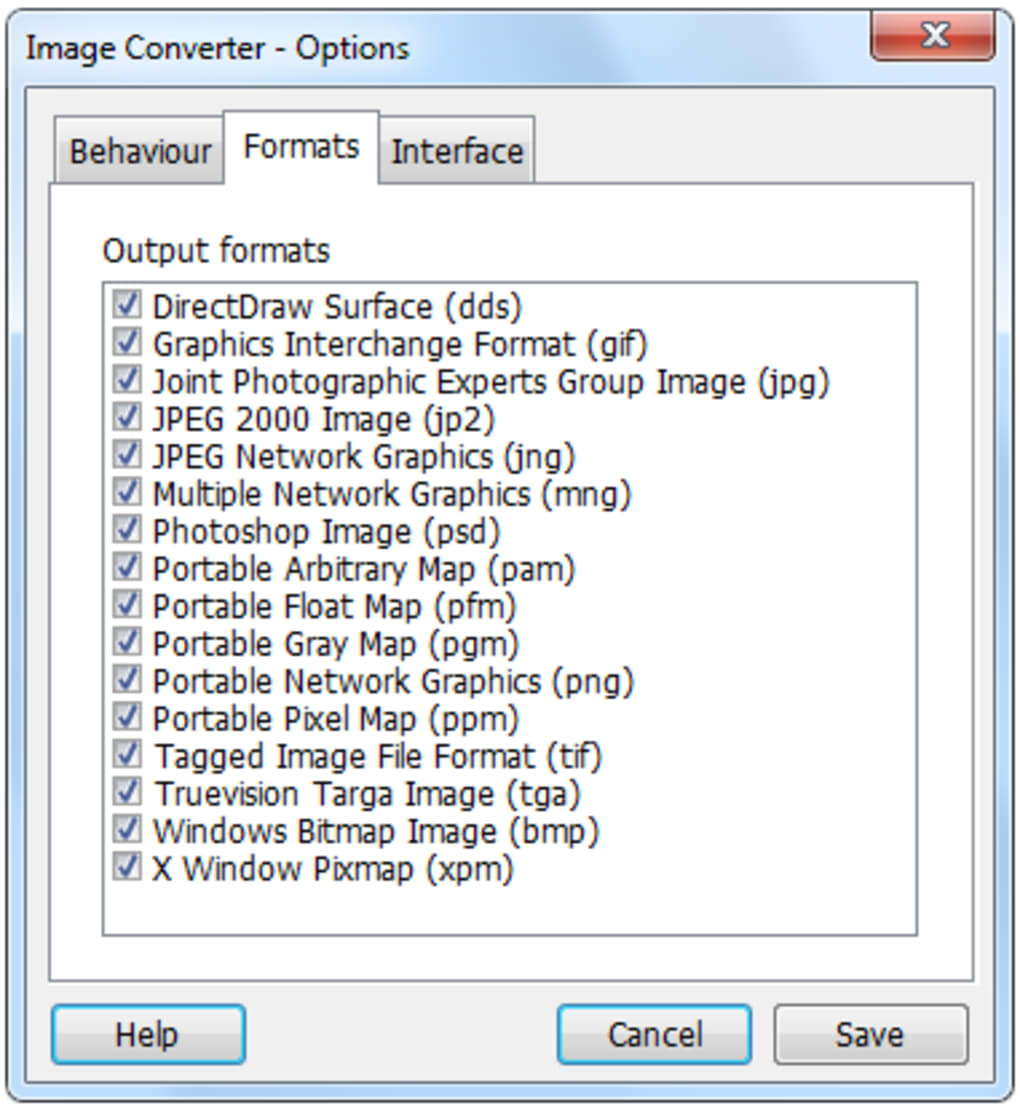
The Converter’s support for a wide array of image formats is a significant advantage. The ability to handle over 23 input formats and convert to 18 different output formats provides flexibility for users dealing with various image types, from common formats like JPEG and PNG to less frequently used ones. The software, however, does not provide a complete list of all supported formats in its readily available documentation. This lack of transparency makes it difficult to fully evaluate the scope of its capabilities. The automated conversion process is convenient, but this automation also means less control over conversion parameters. Advanced users who need finer control over the process might find this limiting. The absence of options for adjusting compression levels, color profiles, or other conversion parameters could result in suboptimal results for some applications.
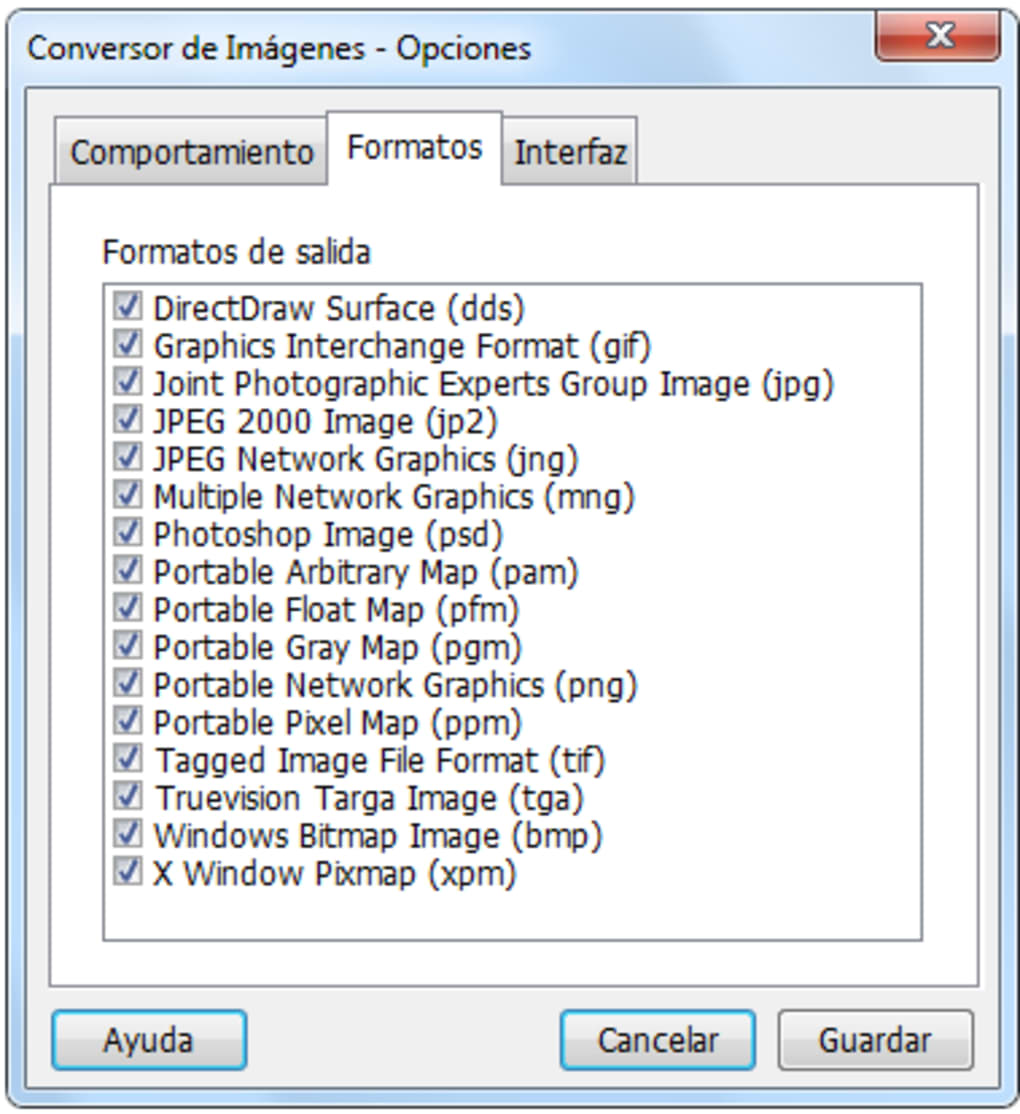
The simultaneous conversion to 18 formats is a remarkable feature, streamlining the conversion of a single image into multiple formats for diverse needs. This batch-processing capability, though limited to individual files rather than folders, significantly increases efficiency. The software’s default behavior of converting to all 18 formats simultaneously can be adjusted through the settings menu. This flexibility caters to users who only require conversion to specific formats. However, this option’s absence from the default settings implies a design choice focused on efficiency over user customization. Users unfamiliar with various image formats might find this feature overwhelming, while those with specific needs might appreciate the flexibility.
User Interface and Experience
The Converter’s drag-and-drop interface is intuitive and user-friendly. The lack of a detailed user manual or extensive online help documentation might hinder some users. A simple, clear, and concise interface makes the software accessible even to users without prior experience with image converters. This simplicity is both a strength and a potential weakness. While it makes the software easy to use for basic tasks, it might lack the depth of features that advanced users require. The absence of extensive help documentation could pose a challenge to users who encounter unexpected issues or need to explore advanced options. The minimalist design, while appealing for simplicity, could lack visual feedback during the conversion process, leaving users uncertain about the program’s status.
Limitations and Areas for Improvement
The most significant limitation of the Converter is its inability to process folders of images in a batch. This restriction significantly limits its efficiency for users managing large image collections. The one-by-one conversion process becomes impractical when dealing with hundreds or thousands of images. This aspect necessitates a significant upgrade to improve the software’s practicality for large-scale image conversion tasks.
Another limitation is the lack of advanced features. The software lacks functionalities common in other image processing tools, such as image editing capabilities, metadata manipulation, or advanced options for optimizing images for web use. While its simplicity is advantageous for basic conversions, this lack of advanced features restricts its applicability for professional use.
The limited information on security aspects raises concerns. Without detailed information about security protocols, data privacy, and other security measures implemented in the software, users are left uncertain about potential risks associated with processing personal images through the Converter. The inclusion of comprehensive security information is crucial for users to make informed decisions about data security and privacy.
Comparison with Alternative Software
The Converter is but one of many image conversion tools available. Many other programs offer similar functionalities, some with far more advanced features. Popular options include online converters, specialized image editing software with conversion capabilities (like Adobe Photoshop or GIMP), and other dedicated image converters with more robust features and batch processing functionalities. Comparing the Converter against these alternatives reveals its strengths and weaknesses more clearly. Its simplicity is a strength in comparison to highly complex editing suites, but this simplicity comes at the cost of features found in other tools. The lack of batch processing capabilities makes it less efficient compared to software specifically designed for handling large numbers of images.
Conclusion
The Image Converter for Windows is a simple and user-friendly tool for basic image conversion and resizing. Its drag-and-drop interface and wide format compatibility make it accessible and convenient for straightforward tasks. However, its limitations, such as the inability to process folders and the lack of advanced features, restrict its applicability for professional use or large-scale image management tasks. While suitable for users requiring a quick and easy solution for converting individual images, users with more extensive needs should consider alternative software with more advanced features and batch processing capabilities. The lack of comprehensive documentation and limited information regarding security and privacy are noteworthy concerns requiring improvement. Ultimately, the suitability of the Converter depends heavily on the user’s specific needs and expectations.


