
Converting images into PDF format is a common task for various purposes, from preserving image quality to creating easily shareable documents. This guide explores the different methods available, focusing on software solutions, online tools, and considerations for various user needs. We’ll delve into the benefits of using PDF for image storage, examine specific applications, and address common concerns regarding image quality and file size.
Software Solutions for Image to PDF Conversion
Dedicated software applications offer robust features and control over the conversion process. These programs often provide batch conversion capabilities, advanced settings for optimizing image quality and file size, and integration with other document management tools.
Convertir Imagen a PDF (and Similar Applications):
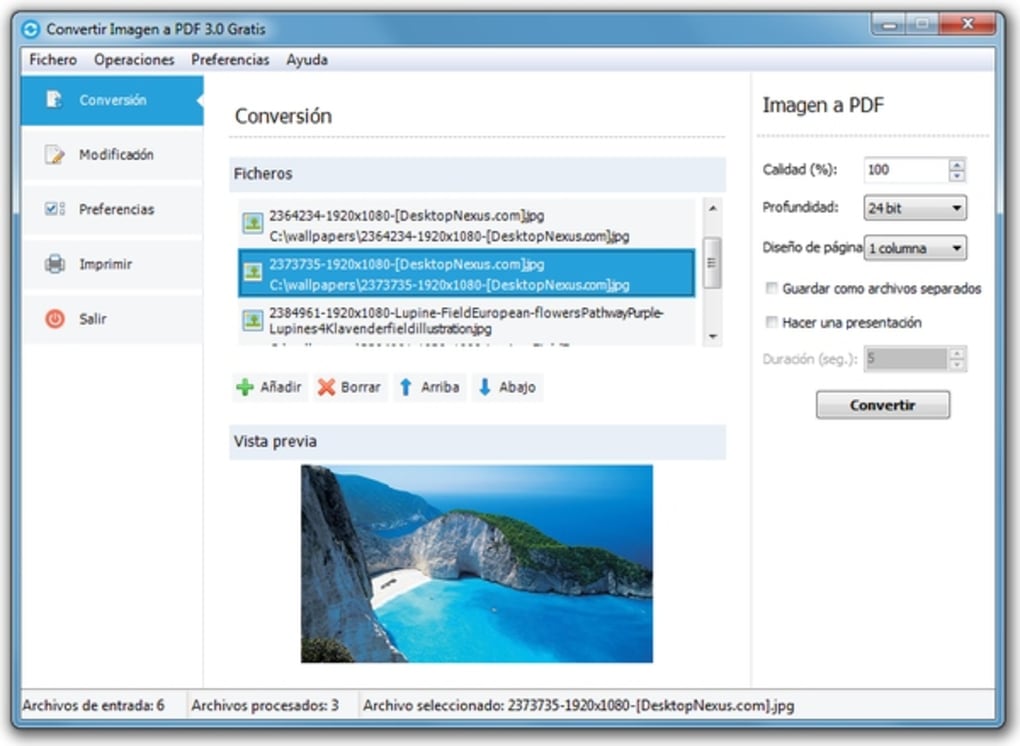
Convertir Imagen a PDF, as its name suggests, is a Windows application designed specifically for converting images to PDFs. While the provided information offers a glimpse into its basic functionality – simple interface, support for common image formats (PNG, BMP, EMF/WMF), and batch conversion – a deeper exploration is needed to understand its limitations and strengths compared to other software.
Features such as customizable output settings, including resolution and compression levels, are often crucial for achieving optimal results. The software’s efficiency in handling large batches of images, its ability to preserve metadata (such as image creation date and author), and its compatibility with various Windows versions (from XP onwards, according to the provided information) are all important factors for users to consider.
The application’s user reviews, which are unfortunately absent from the provided text, would be highly informative in determining its ease of use, reliability, and overall user satisfaction. The relatively low number of downloads (1.6K last month) suggests it might be a niche or less well-known option compared to more established image-to-PDF converters.
Other Notable Software Options:
Many other established software packages offer image-to-PDF conversion as part of their broader functionality. These often include:
- Adobe Acrobat Pro: A professional-grade PDF editor with extensive features, including advanced image compression and editing capabilities. However, it comes at a significant cost and is often overkill for users solely requiring image-to-PDF conversion.
- Microsoft Office Suite (Word, PowerPoint): These applications allow users to insert images into documents, which can then be saved as PDFs, effectively achieving image-to-PDF conversion. This approach is suitable for integrating images into larger documents but might not be as efficient for purely converting images.
- Free and Open-Source Software: Several free and open-source applications exist, often offering a good balance between features and cost. Users should research these options based on their operating system and specific needs. The choice often involves trade-offs between the level of features and the learning curve involved in using less intuitive interfaces.
Choosing the right software depends on individual needs and technical expertise. Factors to consider include the number of images to be converted, required image quality and file size, budget constraints, and the level of control desired over the conversion process.
Online Tools for Image to PDF Conversion
Several online tools offer convenient image-to-PDF conversion without requiring software installation. These are particularly useful for users with limited storage space, those needing quick conversions of small numbers of images, or those accessing different devices.
Benefits of Online Tools:
- Accessibility: No software installation is required, making them readily accessible from any device with internet access.
- Ease of use: Most online tools provide simple drag-and-drop interfaces, making the conversion process quick and straightforward.
- Platform independence: Compatible with various operating systems, including Windows, macOS, Linux, Android, and iOS.
Limitations of Online Tools:
- Internet dependency: A stable internet connection is necessary for using these tools.
- Security concerns: Users should exercise caution regarding the security and privacy of their images when using online services. Choosing reputable providers with established security measures is crucial.
- File size limitations: Some online tools might have restrictions on the size and number of images that can be processed simultaneously.
- Feature limitations: Online tools typically offer less control over the conversion process compared to dedicated software applications.
Optimizing Image Quality and File Size
Balancing image quality and file size is a crucial consideration during image-to-PDF conversion. High-resolution images result in larger file sizes, potentially impacting storage space and transfer speeds. Conversely, excessive compression can lead to a loss of image quality.
Strategies for Optimization:
- Image resolution: Adjusting the image resolution before conversion can significantly reduce file size without drastic quality loss. Reducing the resolution to a level appropriate for the intended use (e.g., screen viewing vs. print) is a key step.
- Compression settings: Most image-to-PDF converters allow adjustment of compression levels. Higher compression leads to smaller files but may result in some loss of image detail. Experimenting to find the optimal balance is often necessary.
- Image format: Choosing an appropriate image format (e.g., JPEG for photographs, PNG for graphics with sharp lines) can impact file size and quality. JPEG generally offers better compression, while PNG maintains sharper lines and supports transparency.
- Color depth: Reducing the color depth (e.g., from 24-bit to 8-bit) can significantly reduce file size, especially for images with subtle color variations.
Choosing the right balance requires understanding the intended use of the PDF document. For documents intended for online viewing, smaller file sizes are often preferable. However, for print purposes, maintaining high image quality is critical.
Choosing the Right Method: Software vs. Online Tools
The choice between using dedicated software or online tools depends on various factors:
Software:
- Best for: Large batches of images, high level of control over conversion settings, users requiring advanced features like batch processing, watermarking, and password protection.
- Pros: More control, often better image quality, offline availability.
- Cons: Requires installation, potentially more complex to use, software costs.
Online Tools:
- Best for: Quick conversions of small numbers of images, users with limited storage space, accessing from multiple devices.
- Pros: Easy to use, no installation required, often free.
- Cons: Requires internet access, potential security concerns, limited control over settings, may have file size restrictions.
Ultimately, the optimal method for converting images to PDF depends on individual needs and priorities. Carefully considering the factors outlined above – software versus online options, image quality versus file size optimization, and security considerations – will lead to the most efficient and effective conversion process.
File Information
- License: “Free”
- Latest update: “December 19, 2024”
- Platform: “Windows”
- OS: “Windows XP”
- Language: “English”
- Downloads: “1.7K”


