
Crackle is a free, ad-supported streaming service offering a diverse catalog of movies and TV shows accessible on various mobile devices. Developed by Crackle Plus, this multimedia application allows users to enjoy on-demand content without the need for a subscription, setting it apart from many competitors in the streaming landscape. While it shares similarities with other free streaming platforms like Peacock and Pluto TV, Crackle distinguishes itself by offering optional registration. Registered users benefit from a reduced ad experience and the convenience of quick video resume capabilities.
Exploring Crackle’s Interface and Content
Navigating Crackle is straightforward and intuitive. Upon launching the app, users are presented with a Spotlight section showcasing trending and popular movies and TV shows. The main menu, accessible via a hamburger icon, provides easy access to dedicated Movies and TV sections, organizing content for efficient browsing.
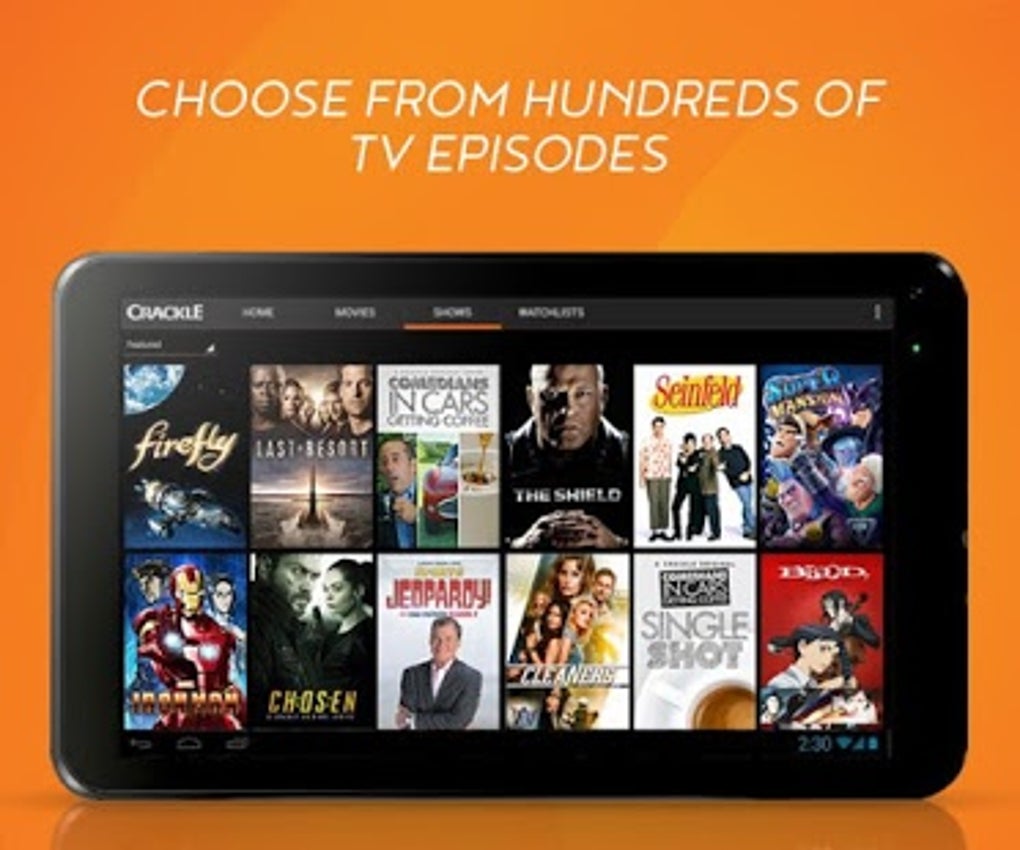
The app’s catalog is thoughtfully categorized, allowing users to easily find content of interest. Rows of categorized content appear as users scroll, providing a visual and organized presentation. Alternatively, a search bar allows users to quickly locate specific titles.
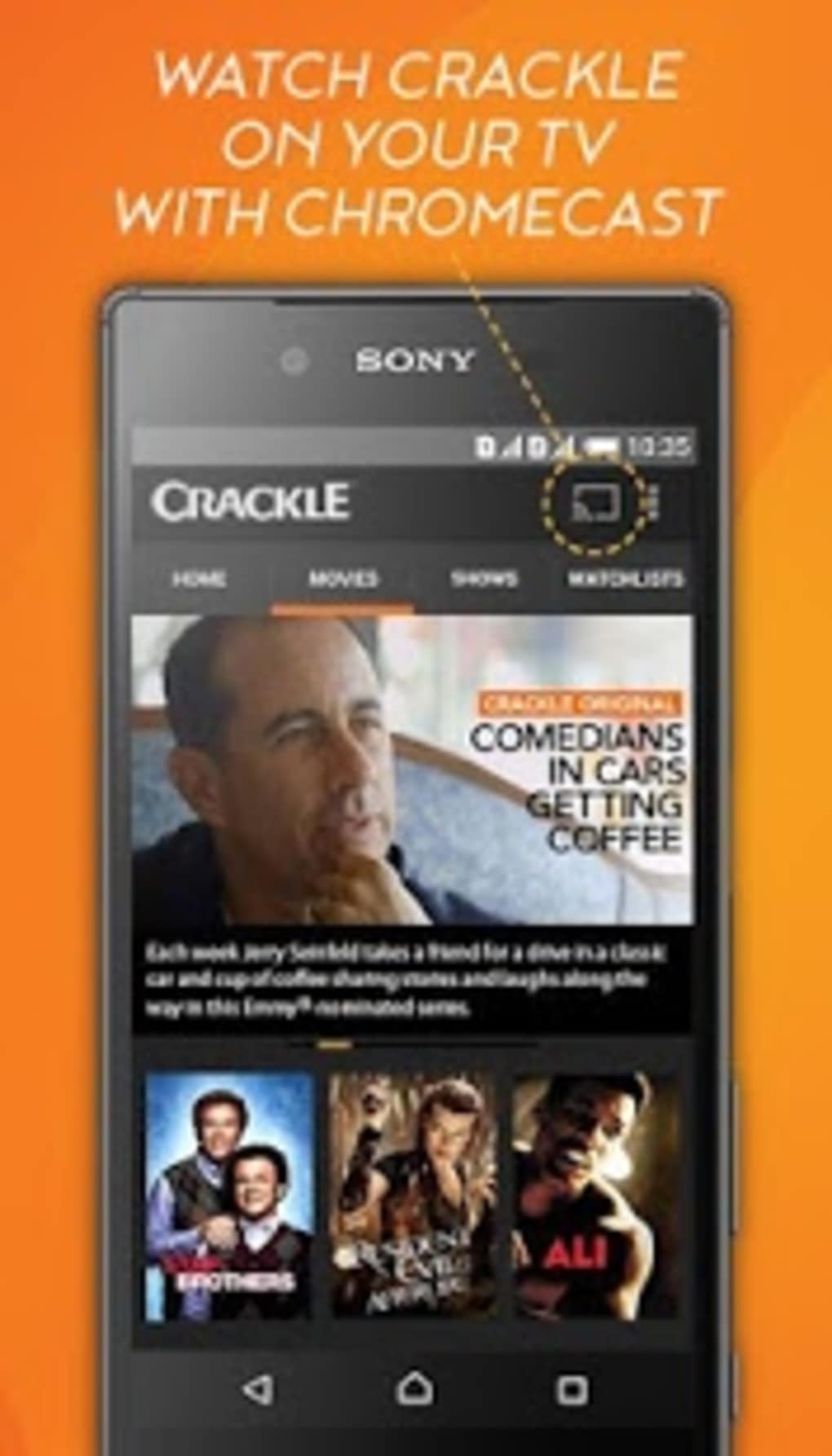
Selecting a title leads to a dedicated page offering detailed information, including a synopsis, cast listing, release date, and other relevant details. This detailed information enhances the user experience, providing context and enriching the viewing selection process.
Content Library and Quality Considerations
While Crackle offers a diverse range of movies and TV shows, its library is comparatively smaller than many subscription-based streaming services. Furthermore, the service hasn’t seen significant updates or new additions in recent times, potentially limiting the appeal for viewers seeking the latest releases. This could be a significant drawback for viewers accustomed to the constantly expanding libraries of paid streaming services.
Another crucial factor to consider is the video quality. Crackle caps its video resolution at 480p Standard Definition (SD). This lower resolution is a considerable drawback, especially for viewers with high-definition displays, accustomed to the much higher resolutions offered by many paid streaming platforms. This limitation in video quality could significantly impact the viewing experience, particularly for those used to the sharper picture quality of high-definition and 4K streaming services.
The reliance on advertisements is another aspect to consider. While free streaming services invariably incorporate advertising, the frequency and intrusiveness of ads can significantly affect the overall viewing experience. While optional registration reduces ad frequency, users should anticipate interruptions during viewing. This trade-off between free access and ad interruptions is inherent to the free streaming model and is a factor users should carefully consider.
Crackle’s Strengths and Weaknesses
Crackle’s greatest strength lies in its accessibility. Its free and ad-supported model removes the financial barrier to entry, making it appealing to users unwilling or unable to subscribe to paid streaming services. The optional registration further enhances accessibility, allowing users to enjoy the service without committing to an account. The intuitive interface and categorized content make navigation simple and straightforward, enhancing user-friendliness.
However, the limitations are equally significant. The limited content library, the lack of recent updates, and the low video quality present significant drawbacks. While the ease of use is commendable, the compromises in content depth and visual fidelity might outweigh the convenience for many viewers. The ad experience, even with reduced frequency for registered users, remains a significant consideration.
Crackle Compared to Other Free Streaming Services
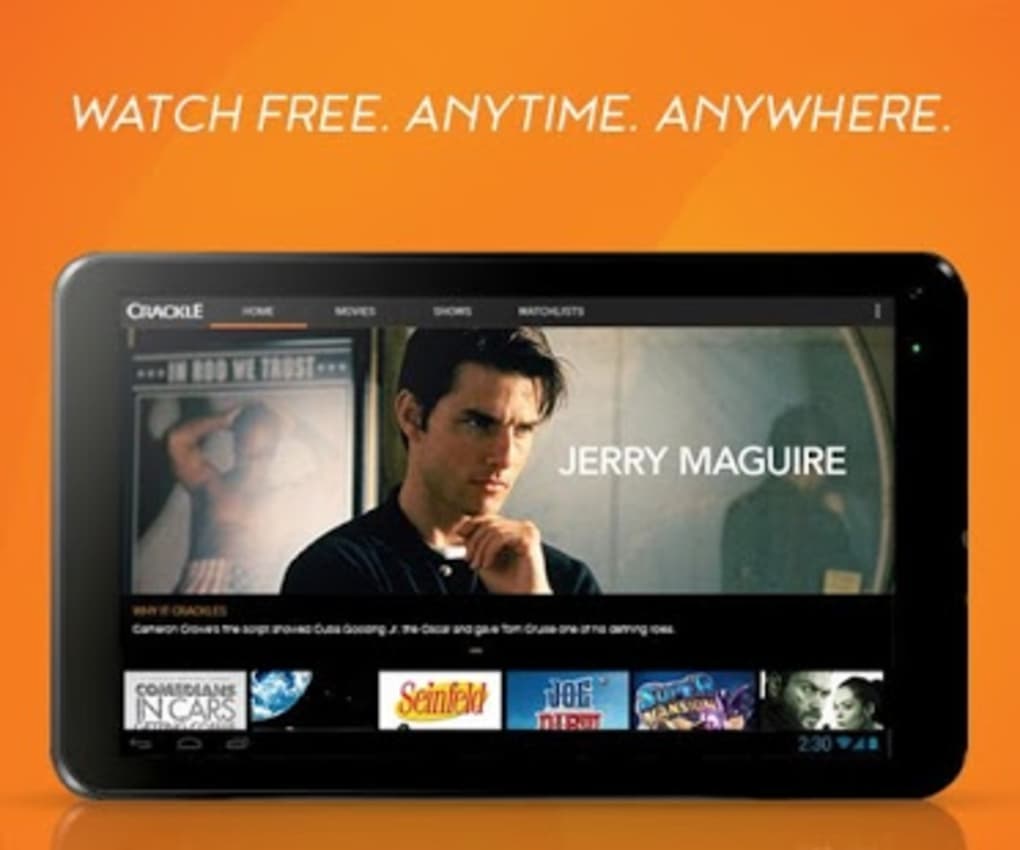
Crackle sits within a crowded market of free streaming services. While it shares similarities with services like Tubi and Pluto TV, its strengths and weaknesses differentiate it. Compared to Tubi, Crackle may offer a less extensive library, while compared to Pluto TV, the lower video resolution could be a significant point of difference. The optional registration feature, however, sets it apart from many competitors, offering a unique blend of accessibility and personalization.
Ultimately, the optimal choice of free streaming service depends on individual priorities. If the focus is on sheer breadth of content and high-resolution video, Crackle might not be the ideal choice. However, for users prioritizing easy accessibility, a simple interface, and a modest library of free on-demand content, Crackle could be a viable option. The lack of a mandatory registration process offers a level of flexibility rarely seen in the free streaming landscape.
The Future of Crackle and Free Streaming
The free streaming market is continuously evolving, with services constantly competing for viewers. The long-term success of Crackle will depend on its ability to address its limitations. Expanding its content library, updating its catalog regularly, and potentially upgrading its video quality would significantly enhance its appeal. Maintaining a user-friendly interface and incorporating feedback from users would also be vital for future growth.
The free streaming model relies heavily on advertising revenue. Crackle’s strategy in balancing the ad experience with user satisfaction will be crucial. Striking a balance between generating revenue and avoiding excessive or disruptive advertising will be paramount to retain users and attract new viewers. The free streaming landscape is highly competitive, and Crackle needs to continually adapt and improve to maintain its position.
Furthermore, the increasing popularity of other forms of entertainment, such as podcasts and gaming, presents further competition for viewers’ time and attention. Crackle needs to strategically position itself to remain competitive and relevant in this evolving media environment. The evolution of the platform hinges on its ability to adapt to changing consumer preferences and technological advancements.
User Reviews and Overall Assessment
User reviews reveal a mixed response to Crackle. While many appreciate its free nature and user-friendly interface, criticisms frequently focus on the limited content library and the low video quality. The frequency of advertisements is also a point of contention among some users. The absence of regular updates is another recurring concern, reflecting a need for increased investment in maintaining and expanding the platform’s content.
Overall, Crackle serves as a functional free streaming service, particularly for those with limited bandwidth or those prioritizing ease of access over extensive content libraries or high-resolution video. However, its limitations prevent it from becoming a primary choice for many users. The lack of significant content updates and the lower-quality video constrain its potential to compete with more established, and often paid, alternatives. Ultimately, whether Crackle meets individual expectations depends heavily on user preferences and priorities regarding content accessibility, video quality, and the tolerance for advertisement interruptions. A balanced approach, considering both the advantages of free access and the inherent compromises, is crucial in forming a realistic appraisal of the service.
File Information
- License: “Free”
- Latest update: “May 11, 2025”
- Platform: “Android”
- OS: “Android 13.0”
- Downloads: “189.5K”
- Size: “14.91 MB”
- Download Options: “APK, Google Play”
- Filename: “com-gotv-crackle-handset-109005591-29457479-2d2e86800540af43d98d600b7911c67c.apk”


