
In the vast and ever-evolving landscape of mobile gaming, certain genres consistently capture the imaginations of players, offering boundless opportunities for creativity, exploration, and self-expression. Among these, the sandbox crafting and building genre stands as a titan, inviting individuals into digital realms where the only limit is their own ingenuity. “Craft Fun Sword Tree” emerged as one such title for Android, promising a universe ripe for construction and adventure. Though its direct availability has shifted, its spirit and the fundamental appeal it represented continue to thrive through similar experiences, cementing the enduring allure of world-building from the ground up. This article delves into the essence of what “Craft Fun Sword Tree” offered, the broader appeal of its genre, and how its legacy continues to inspire a community of digital artisans and adventurers.
Understanding Craft Fun Sword Tree: A World of Infinite Possibilities
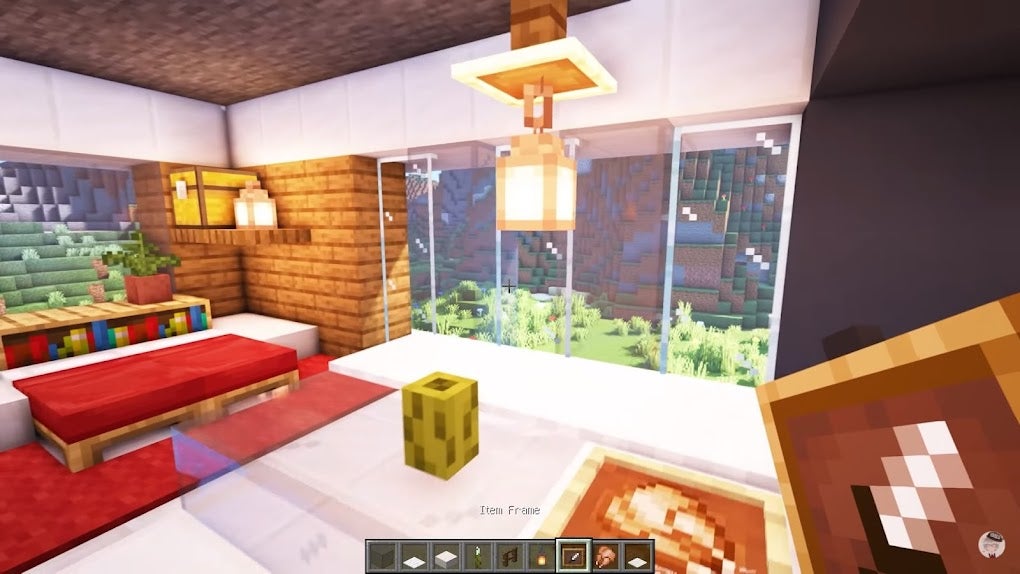
At its heart, “Craft Fun Sword Tree” was designed as an immersive sandbox experience, a digital canvas where players could shape their environment block by block. The title itself—“Craft Fun Sword Tree”—evokes images of resource gathering (tree), weapon creation (sword), and the joyful, open-ended nature of play (craft fun). This combination hinted at a game that balanced construction with a touch of adventure, appealing to both the meticulous builder and the intrepid explorer.
What is Craft Fun Sword Tree?
“Craft Fun Sword Tree” positioned itself as a free-to-play Android application, rated 4.5 out of 5 stars by thousands of users on platforms like PhanMemFree. Its core promise was encapsulated in the enticing phrase: “Create Your Own Worlds, Start Building and Growing!” This tagline immediately communicated the game’s primary focus: providing players with the tools and freedom to construct anything they could imagine, from sprawling cities to quaint villages, towering castles, and intricate temples. It was a game about digital genesis, where players took on the role of a creator, bringing landscapes and structures to life through their own effort and vision.
The game provided an open-world environment where players could freely explore diverse biomes and gather resources. These resources, ranging from simple wood and stone to more exotic materials, formed the bedrock of the crafting system. With these raw materials, players could craft a multitude of items, including essential tools, defensive armor, and, true to its name, formidable swords for any potential encounters in the wilderness. The emphasis was not just on building, but on a holistic experience that included resource management, item creation, and environmental interaction.
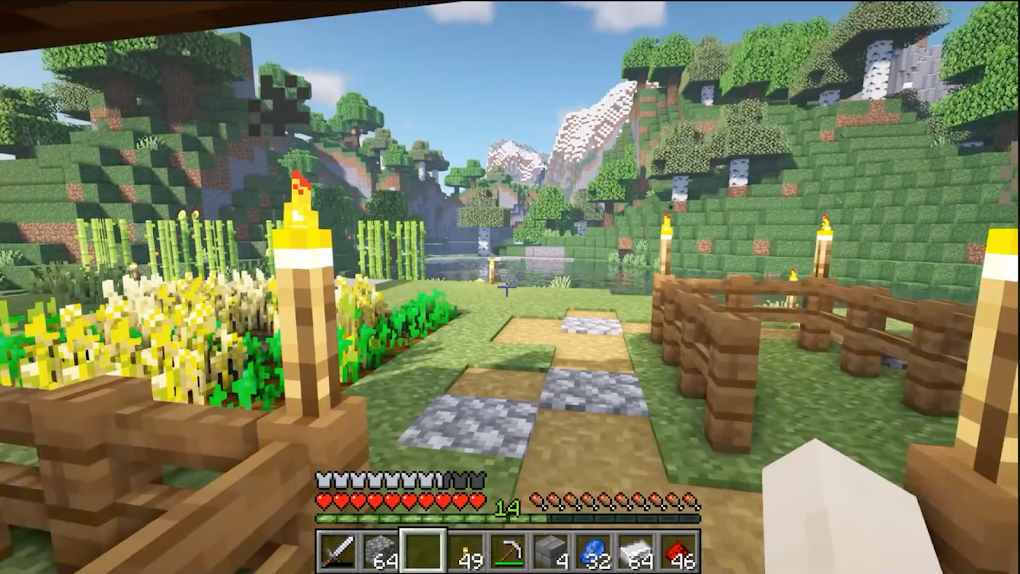
The Core Philosophy: Build, Craft, Explore
The design philosophy behind “Craft Fun Sword Tree” mirrored that of many successful sandbox titles: empower the player. It wasn’t about following a linear storyline or achieving predefined objectives; instead, it championed emergent gameplay, where players set their own goals and defined their own adventures. This triad of “Build, Craft, Explore” formed the foundational pillars of the experience:
- Build: The most visible aspect of the game. Players were given an extensive catalog of blocks and architectural components to construct any structure their minds could conjure. From a simple starter home to protect against nocturnal threats, to an elaborate fortress designed for aesthetic grandeur or strategic defense, the building mechanics allowed for immense creativity.
- Craft: Essential for progression and survival. The crafting system was the bridge between raw materials and functional items. Whether it was fashioning a pickaxe to mine deeper, a sword to fend off creatures, or a decorative piece to enhance a dwelling, crafting was an engaging loop that constantly pushed players to gather more and innovate.
- Explore: The world of “Craft Fun Sword Tree” was vast and procedurally generated, ensuring that each new game offered unique landscapes and discoveries. Exploration was not merely a means to an end (like finding resources) but an enjoyable activity in itself, encouraging players to venture into uncharted territories, discover hidden biomes, and encounter new challenges.
This philosophy fostered a strong sense of ownership and accomplishment. Every block placed, every item crafted, and every new area discovered contributed to a player’s unique journey within their personalized world.
The Sandbox Genre and Its Appeal
“Craft Fun Sword Tree” belonged to the highly popular sandbox genre, a category of video games characterized by a significant degree of freedom given to the player. Unlike traditional games with linear narratives and structured missions, sandbox games provide an open world and minimal restrictions, allowing players to explore, experiment, and create at their own pace. The genre’s appeal lies in several key psychological and interactive elements:
- Unleashed Creativity: It acts as a digital playground where players can express their artistic and architectural inclinations without real-world limitations. There are no material costs, no structural integrity concerns (unless designed into the game), and infinite possibilities for design.
- Autonomy and Control: Players are the masters of their domain. They decide what to build, where to go, and how to interact with the world. This sense of complete control is incredibly empowering and satisfying.
- Problem-Solving and Ingenuity: While open-ended, many sandbox games still present challenges—resource management, survival elements, or complex crafting recipes. Overcoming these through clever solutions fosters a sense of intellectual engagement.
- Emergent Storytelling: Without a predefined narrative, players create their own stories. The tale of building a grand castle, surviving a perilous night, or discovering a rare resource becomes a personal saga.
- Relaxation and Mindfulness: For many, the repetitive yet constructive tasks of gathering and building can be meditative and stress-relieving, offering a tranquil escape from daily pressures.
The success of titles like Minecraft, Terraria, and Roblox has proven the enduring power of this genre, and “Craft Fun Sword Tree” sought to tap into this universal desire for creative freedom and digital escapism.
Diving into Gameplay: Mechanics of Creation and Survival
The allure of “Craft Fun Sword Tree” lay in its intuitive yet deep gameplay mechanics that facilitated both creative expression and adventurous exploration. These mechanics formed the core loop that kept players engaged, constantly pushing them to build bigger, craft better, and explore further.
World Generation and Biomes
Upon starting a new game in “Craft Fun Sword Tree,” players were introduced to a procedurally generated world. This meant that each new playthrough offered a unique landscape, ensuring replayability and endless opportunities for discovery. These worlds were often segmented into distinct biomes, each presenting its own visual theme, resources, and environmental challenges:
- Lush Forests: Characterized by abundant trees, providing essential wood for early crafting and building. They might also harbor various passive animals and perhaps some basic hostile creatures.
- Grassy Plains: Open and expansive, ideal for laying down large-scale construction projects without much terraforming. Resources here might include clay, dirt, and flowers.
- Rugged Mountains: Offering challenging terrain but often rich in valuable ore deposits like iron, gold, and perhaps even rare gems. These areas might also be home to more dangerous wildlife or monsters.
- Sandy Deserts: Hot and arid, with unique resources like cacti and sandstone. Water sources would be scarce, posing a survival challenge.
- Icy Tundras: Cold and barren, featuring snow, ice, and specific cold-resistant flora and fauna.
The diversity of biomes not only made exploration visually engaging but also strategically important, as different biomes contained different essential resources needed for advanced crafting and building projects. Players had to adapt their building styles and resource-gathering strategies based on the biome they inhabited or chose to explore.
The Art of Crafting: From Basic Tools to Mighty Swords
Crafting was the lynchpin of “Craft Fun Sword Tree,” transforming raw materials into functional and decorative items. The progression from basic necessities to advanced equipment was a satisfying journey that rewarded persistence and exploration.
Resource Gathering: The Foundation of Progress
Before anything could be built or crafted, resources had to be gathered. This involved interacting with the environment using appropriate tools:
- Chopping Trees: Wood, a fundamental resource, was obtained by cutting down trees with an axe. Wood could then be processed into planks, sticks, and other components.
- Mining Ores: Stone, coal, iron, and other precious metals were extracted from subterranean deposits using a pickaxe. These ores were crucial for smelting into ingots, which then formed the basis for stronger tools, weapons, and armor.
- Collecting Flora and Fauna: Plants provided dyes, food, or unique crafting components. Animals could yield meat for sustenance, hides for leather, or other valuable materials.
The act of gathering was often a loop of efficiency: gather basic materials to craft better tools, which in turn allowed for more efficient gathering of advanced materials.
Crafting Interface and Recipes
The game featured a crafting interface, likely a grid-based system where players combined specific resources in a particular pattern to create an item. While some basic recipes might have been automatically learned or intuitive, more complex items likely required discovering blueprints or experimenting with different combinations. This discovery aspect added another layer of engagement, encouraging players to try new things and uncover hidden possibilities. From crafting a simple wooden pickaxe to a powerful diamond sword, or from a basic workbench to an advanced smelting furnace, the crafting system offered a clear path of progression and capability enhancement.
Beyond Tools: Building Structures and Defenses
Crafting wasn’t limited to handheld items. It extended to the very blocks used for construction. Players could craft various types of blocks from different materials, each with unique aesthetics and properties. This allowed for intricate architectural designs:
- Structural Blocks: Wood planks, stone bricks, cobblestone, and sand blocks formed the basic components of buildings.
- Decorative Blocks: Stained glass, patterned tiles, specific types of wood, and sculpted elements allowed for personalization and artistic flair.
- Functional Blocks: Doors, windows, ladders, torches, and storage chests were also crafted, adding utility and livability to constructions.
The crafting system thereby directly empowered the building aspect, making players actively involved in preparing every component of their magnificent structures.
Exploration and Discovery: Unveiling Hidden Wonders
Beyond the immediate vicinity of their spawn point, the world of “Craft Fun Sword Tree” beckoned with untold secrets. Exploration was an activity both rewarding and potentially perilous:
- Resource Hotspots: Venturing further often meant discovering areas rich in rare resources that were scarce near the starting zone. This incentivized long expeditions.
- Natural Wonders: Players might stumble upon breathtaking landscapes, unique geological formations, hidden caves, or ancient ruins that added to the aesthetic beauty and lore of their personal world.
- Confronting Challenges: Exploration wasn’t always peaceful. The wilderness could harbor hostile creatures, especially at night or in specific biomes. This introduced a survival element, where players had to be prepared with weapons and armor.
- Discovering New Villages/Structures: Occasionally, players might find pre-generated structures like abandoned mineshafts, NPC villages, or temples, offering loot, new crafting ideas, or even trading opportunities.
The cycle of exploration, resource gathering, and returning to base to craft and build formed a compelling gameplay loop, constantly driving players to see what lay beyond the next hill or beneath the surface.
Multiplayer and Community: Sharing Your Creations
While primarily a single-player experience, the inclusion of a “multiplayer mode” as mentioned in the original description hinted at a social dimension. This feature would have significantly amplified the game’s appeal, allowing players to:
- Collaborate on Projects: Friends could join forces to build massive structures, complex redstone contraptions, or even entire cities, combining their creative efforts and resources.
- Showcase Creations: Players could invite others to tour their meticulously crafted worlds, receiving feedback and inspiration.
- Engage in Friendly Competition: Building challenges, obstacle courses, or even mini-games could be devised within shared worlds.
- Trade and Interact: A multiplayer environment often facilitates player-to-player trade of resources or crafted items, fostering a dynamic in-game economy.
The social aspect transforms a solitary creative pursuit into a shared experience, enriching gameplay and strengthening community bonds. The ability to “meet other players and play in multiplayer mode” suggested that “Craft Fun Sword Tree” aimed to be more than just a personal sandbox, but a platform for collaborative digital artistry.
The Creative Process: Unleashing Your Inner Architect
The true magic of “Craft Fun Sword Tree,” much like its genre counterparts, resided in the empowerment it offered to players to become digital architects and designers. It wasn’t merely about following a template; it was about vision, experimentation, and bringing abstract ideas to tangible digital form.
From Humble Beginnings to Grand Designs
Every player’s journey in “Craft Fun Sword Tree” typically began with a humble necessity: a simple shelter. As night falls in many crafting games, hostile entities emerge, making a basic hideout crucial for survival. This first, crude structure—often a simple dirt or wood cube—marked the genesis of a larger creative endeavor.
From this functional foundation, players could gradually expand their horizons. The increasing availability of resources, combined with newfound crafting recipes, allowed for more ambitious projects:
- Expanding the Base: The initial shelter might grow into a multi-room house, complete with dedicated areas for crafting, storage, and sleeping.
- Developing Infrastructure: Roads could connect different parts of a player’s domain, bridges could span rivers, and elaborate mining shafts could delve deep into the earth.
- Aesthetic Enhancement: Beyond pure functionality, players would begin to focus on aesthetics. Landscaping, decorative elements, complex roof designs, and intricate interiors would transform functional structures into works of art.
- Monumental Structures: Eventually, players could embark on truly grand designs: towering castles with fortified walls, sprawling cities with distinct districts, majestic temples honoring forgotten deities, or even pixel art rendered on a massive scale.
This progression mirrored a natural creative process: starting with the essentials, mastering the tools, and then pushing the boundaries of what is possible, often inspired by real-world architecture or pure fantasy.
Personalization and Expression
One of the most profound appeals of “Craft Fun Sword Tree” was the unparalleled opportunity for personalization. Every block placed, every color chosen, and every structure designed became an extension of the player’s identity:
- Unique Worlds: No two player worlds were ever truly identical. Even with the same set of tools and blocks, individual creative choices led to wildly different outcomes.
- Thematic Builds: Players could dedicate their worlds to specific themes—a medieval kingdom, a futuristic city, a wild west town, or an enchanting fantasy realm—and tailor their constructions and decorations accordingly.
- Storytelling Through Architecture: Each building could tell a story. A worn-down cabin might suggest a long history of survival, while a pristine, elaborate mansion could speak of recent prosperity and architectural ambition.
- Avatar Customization: While not explicitly detailed, many games in this genre allow for some degree of player avatar customization, further enhancing the personal connection to the digital world.
This deep level of personalization transformed the game from a mere pastime into a form of digital self-expression, allowing players to leave their unique mark on a virtual universe.
Challenges and Rewards in Creative Mode
While the game heavily emphasized “creative mode” for building and exploration, even in such a free-form environment, challenges and rewards existed. The primary challenge was often conceptual: what to build next? How to overcome a design hurdle? How to realize a complex vision with the available tools?
The rewards, however, were manifold and deeply satisfying:
- The Joy of Completion: Finishing a large-scale building project, whether it was a small house or an epic castle, brought a profound sense of accomplishment.
- Visual Satisfaction: Stepping back to admire a beautifully constructed building or a meticulously designed landscape offered immense visual pleasure.
- Community Recognition: In multiplayer settings, showcasing creations and receiving positive feedback from other players served as a powerful motivator and reward.
- Personal Growth: The process of planning, executing, and problem-solving involved in large builds could foster real-world skills in design, spatial reasoning, and project management.
Ultimately, the creative process in “Craft Fun Sword Tree” was a journey of self-discovery and a testament to the boundless nature of human imagination, all facilitated by a simple yet robust set of digital tools.
The Journey of Craft Fun Sword Tree: Evolution and Impact
Like many mobile applications, the journey of “Craft Fun Sword Tree” saw its rise and, eventually, its transition. While the specific download for the original title is “no longer available,” the impact of its design philosophy and the genre it represents continue to resonate across the gaming world.
App Availability and Historical Context
According to PhanMemFree, “Craft Fun Sword Tree” for Android, version 440660, was last updated on May 27, 2025 (this date is likely a typo in the original text, usually these refer to past dates, implying a later discontinuation). It accumulated over 3,000 downloads and maintained a respectable 4.5-star rating, indicating a well-received game among its user base. However, the critical detail mentioned is that “This download is no longer available. This could be due to the program being discontinued, having a security issue or for some other reason.”
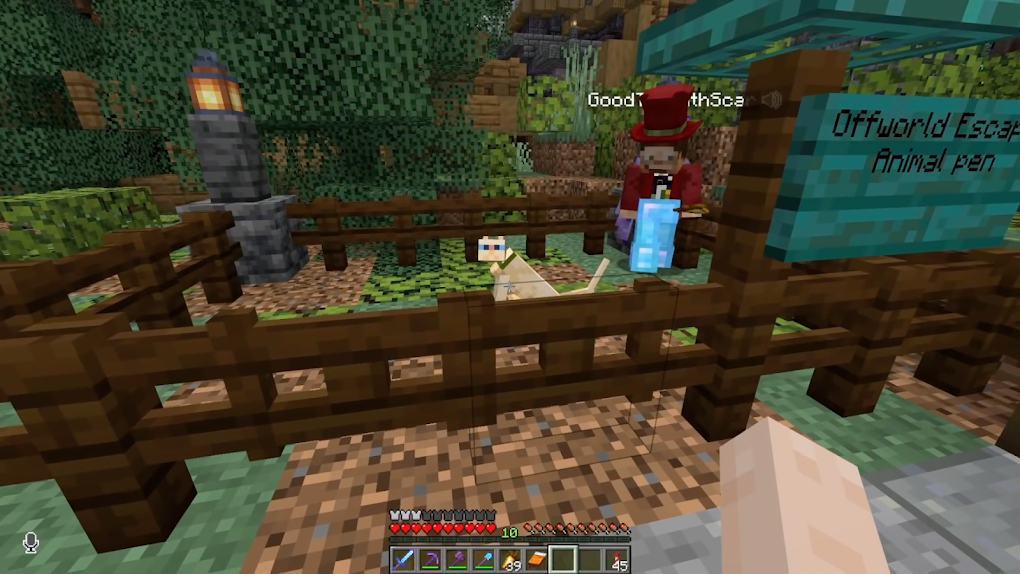
This is a common trajectory for mobile applications. Developers might cease support for various reasons:
- Business Decisions: The developer might have moved on to other projects, lacked the resources for continued maintenance, or decided to rebrand or relaunch under a new title.
- Technical Obsolescence: As operating systems evolve, older applications may become incompatible or pose security risks, leading to their removal from app stores.
- Consolidation: The developer might have merged “Craft Fun Sword Tree” into a larger franchise or spun off its core features into a “VIP” version, as suggested by one of the alternatives, “Craft Fun Sword Vip.”
Despite its discontinuation, the game left an impression on its players, contributing to the broader narrative of accessible mobile crafting experiences.
The Enduring Legacy of Crafting Games
“Craft Fun Sword Tree” existed within a thriving ecosystem of crafting and building games, a genre that has proven to have immense staying power. The reasons for this legacy are multifaceted:
- Universal Appeal: The desire to create and control one’s environment is deeply human, cutting across age groups and demographics.
- Accessibility: Many crafting games, especially on mobile, are designed with intuitive controls and low barriers to entry, making them accessible to casual players.
- Community-Driven Content: The genre thrives on player-generated content, with communities constantly sharing builds, tips, and inspiration, keeping the games fresh and engaging.
- Educational Value: These games can foster creativity, problem-solving skills, spatial reasoning, and even rudimentary project management.
- Constant Evolution: The core mechanics of crafting and building are endlessly adaptable, allowing developers to introduce new biomes, blocks, creatures, and gameplay modes, keeping the genre vibrant.
Even if “Craft Fun Sword Tree” is no longer available, the fundamental joy it provided—the “craft fun”—is perpetuated by countless other titles that continue to innovate within this beloved genre.
Alternatives and Spiritual Successors
The discontinuation of “Craft Fun Sword Tree” doesn’t mean the end of the creative journey for its fans. The market is rich with alternatives that offer similar, if not enhanced, experiences. PhanMemFree itself lists several excellent substitutes, acting as spiritual successors or direct competitors that have filled the void:
- Craft Fun Sword Vip: An obvious evolution or premium version, also from “Craft Fun Sword,” suggesting a continuation of the brand’s core offering. Its 4.8-star rating indicates a strong positive reception.
- Craft Skyland Mini Game - Design Your Own World: With a stellar 4.9-star rating, this alternative explicitly highlights the “design your own world” aspect, emphasizing creative freedom.
- Master Craft - Town City Crafting Building 2022: Another highly-rated option (4.9 stars) that focuses on larger-scale urban planning and construction, appealing to players who enjoy building expansive settlements.
- Mini Craft 2021 - Craftsman Building Game: A free app by akseno02, likely offering a more direct, traditional crafting and building experience akin to early genre pioneers.
- Master Craft (by Tukimin-Droid) and Hero Tycoon (by Sandbox Fun): These similarly popular alternatives underscore the variety and robust competition within the mobile crafting and building space.
- LokiCraft X and Craft Robo Clever Rainbow: Further options that expand the landscape, offering slightly different takes on the crafting and building formula.
These alternatives ensure that players seeking the “Craft Fun Sword Tree” experience can find a new digital home to continue their building and exploration adventures. They embody the same core principles: the freedom to create, the satisfaction of crafting, and the thrill of discovery, ensuring the legacy of the sandbox crafting genre endures.
Why Craft Fun Sword Tree (and its genre) Resonates
The resonance of “Craft Fun Sword Tree” and its expansive genre goes beyond mere entertainment. These games tap into fundamental human desires and offer a unique blend of benefits that contribute to their enduring popularity.
Educational Value and Skill Development
While seemingly simple, sandbox crafting games are rich environments for developing a surprising array of skills:
- Problem-Solving: Figuring out how to construct a complex mechanism, efficiently gather resources, or defend a base against threats requires critical thinking and strategic planning.
- Spatial Reasoning: Players constantly manipulate blocks in a 3D space, which enhances their understanding of spatial relationships, geometry, and architectural principles.
- Creativity and Innovation: The open-ended nature of these games actively encourages players to think outside the box, experiment with designs, and bring novel ideas to fruition.
- Resource Management: Players learn to prioritize, allocate, and conserve resources, a valuable skill applicable in many real-world contexts.
- Project Management: Large-scale builds require planning, breaking down tasks, and sustained effort over time, mirroring aspects of real-world project management.
- Digital Literacy: Interacting with game interfaces, understanding digital mechanics, and potentially engaging in multiplayer environments contribute to overall digital literacy.
For younger players especially, these games serve as an engaging and enjoyable way to learn and hone crucial cognitive abilities, often without even realizing they are learning.
Stress Relief and Creative Outlet
In an increasingly fast-paced and demanding world, “Craft Fun Sword Tree” offered a peaceful sanctuary. The rhythmic tasks of gathering resources, placing blocks, and exploring familiar landscapes can be incredibly meditative:
- Mindfulness: The focused attention required for intricate building or careful exploration can induce a state of flow, where players are fully immersed and present in the moment, reducing stress and anxiety.
- Sense of Control: In real life, many things are beyond our control. In a sandbox game, players are the absolute masters of their universe, providing a comforting sense of agency and empowerment.
- Productive Escape: Unlike passive forms of entertainment, crafting games offer an active, productive escape. Players aren’t just consuming content; they are creating it, leading to a deeper sense of satisfaction and accomplishment.
- Unleashed Imagination: For those who may not have artistic outlets in their daily lives, the game provides an accessible medium to express creativity without fear of judgment or real-world constraints.
This combination of relaxation and productive creativity makes the genre a potent tool for mental well-being and a cherished pastime for millions.
Community and Social Interaction
The multiplayer component hinted at in “Craft Fun Sword Tree” is a cornerstone of the broader genre’s success. Human beings are social creatures, and the ability to share experiences and creations enhances enjoyment exponentially:
- Collaboration: Working together on a massive build or embarking on a joint adventure fosters teamwork, communication, and shared success.
- Mentorship and Learning: Experienced players can guide newcomers, sharing tips, tricks, and advanced building techniques, creating a supportive learning environment.
- Shared Identity: Belonging to a community centered around a game, sharing screenshots of builds, or participating in online discussions creates a sense of belonging and camaraderie.
- Economic Interaction: Trading resources or services in-game can simulate rudimentary economic systems, adding another layer of strategic depth and player interaction.
- Friendship and Bonding: Many lasting friendships have been forged within the blocky worlds of crafting games, transcending geographical boundaries.
The social dimension transforms a personal journey into a collective narrative, enriching the individual experience through shared endeavors and community spirit.
The Future of Sandbox Crafting Games
Even with the discontinuation of “Craft Fun Sword Tree” specifically, the genre it represents shows no signs of waning. Developers continue to innovate, pushing the boundaries of what is possible within these open worlds:
- Enhanced Graphics and Realism: While the blocky aesthetic is iconic, newer titles often integrate more sophisticated rendering, lighting, and environmental effects.
- More Complex Mechanics: Evolution may include more intricate physics, advanced automation systems, or deeper integration of narrative elements without sacrificing player freedom.
- Virtual and Augmented Reality: The immersive nature of crafting games makes them ideal candidates for VR/AR integration, allowing players to literally step into and manipulate their creations.
- Cross-Platform Play: The future likely holds more seamless cross-platform experiences, allowing players to build and explore with friends regardless of their device.
- User-Generated Content (UGC) Tools: Empowering players with even more advanced tools for modding, customizing, and creating their own game assets will further extend the lifespan and diversity of these games.
“Craft Fun Sword Tree,” in its essence, was a testament to the simple yet profound joy of creation. While its specific executable may no longer be available on PhanMemFree.org, the legacy of its promise—to provide a fun, creative, and exploratory sandbox—continues through the myriad of similar games that populate the digital marketplace, ensuring that the spirit of crafting, building, and venturing into endless possibilities will thrive for years to come.
File Information
- License: “Free”
- Version: “440660”
- Latest update: “May 27, 2025”
- Platform: “Android”
- OS: “Android 9.0”
- Language: “English”
- Downloads: “3K”
- Size: “41.72 MB”
- Download Options: “APK, Google Play”
- Filename: “com.fairy.loki.block.boy.crazy.craft_440660.apk”


