
In the often-glamorized world of video games, where heroes embark on epic quests, save galaxies, or build empires, there emerges a title that plunges players into the grimy, morally ambiguous underbelly of society. “Crime Scene Cleaner,” a premium simulation game developed by President Studio, is not about grand heroics, but about the desperate measures a man takes to save his family. It strips away the pretense of typical gaming fantasies and forces players to confront the morbid reality of cleaning up the aftermath of violent acts, all under the shadow of organized crime. This unique offering, available for Windows and other platforms, carves out a niche for itself by blending a compelling, albeit dark, narrative with immersive first-person simulation gameplay.
Far from the clean-cut narratives of justice and law enforcement, “Crime Scene Cleaner” casts players as the individual tasked with erasing the physical evidence of heinous deeds. This is not a job for the faint of heart, nor for those seeking a lighthearted escape. Instead, it offers an atmospheric and often gory playthrough, demanding meticulous attention to detail and a strong stomach. The game’s 3D environment, coupled with thematic sound effects and a fitting background music score, creates an unsettling yet captivating experience that pulls players deep into its mature themes. It’s a game that asks players to consider the true cost of survival and the lengths to which a person might go when pushed to the brink.
The Bleak Reality of “Crime Scene Cleaner”: A Narrative-Driven Simulation
At its core, “Crime Scene Cleaner” is a story of profound desperation. Players step into the shoes of a single father facing an unimaginable crisis: his daughter is gravely ill, and the medical bills are astronomical. To compound his woes, an unscrupulous insurance company has failed him, leaving him with no legitimate avenues to secure the necessary funds for her life-saving treatment. This dire circumstance forces him into an “unspeakable job” – one that involves direct entanglement with the mob. The game doesn’t shy away from portraying the moral compromises inherent in this situation, framing every act of cleaning not as a professional duty, but as a desperate bid for his daughter’s life.
This compelling storyline is the emotional anchor of the entire experience, transforming what could have been a mundane cleaning simulator into a deeply personal and often agonizing journey. Each splatter of blood, every lingering stench, and every discarded piece of evidence serves as a stark reminder of the protagonist’s grim predicament. The narrative imbues the repetitive tasks of cleanup with a profound sense of urgency and purpose, constantly reinforcing the high stakes involved. Players are not just cleaning a scene; they are earning money, piece by macabre piece, to save their beloved child. This emotional weight makes the mature and gory content not gratuitous, but integral to the game’s somber realism, depicting the harsh world the protagonist inhabits and the sacrifices he is willing to make.

The game’s first-person perspective is crucial to its immersive quality. It places the player directly into the contaminated environments, forcing them to confront the gruesome details up close. This viewpoint enhances the atmospheric tension, making the silent, methodical work feel intensely personal and isolating. The developers at President Studio have carefully blended elements of stealth and adventure into this simulation. While the primary goal is cleanup, players must also be cautious, often operating against the clock and under the looming threat of discovery. The subtle integration of these genres ensures that the gameplay extends beyond simple chores, requiring strategic thinking and careful navigation of potentially hostile or time-sensitive scenarios.
The atmospheric design is further bolstered by meticulously crafted sound effects and background music. The dripping of an unseen faucet, the creak of old floorboards, the distant wail of a siren, or the eerie silence broken only by the protagonist’s own movements – these audio cues contribute significantly to the game’s unsettling mood. The music, often subtle and melancholic, underscores the tragic circumstances of the father and the grim nature of his work. Together, these elements create a palpable sense of tension and despair, drawing players deeper into the protagonist’s desperate world and making every cleanup mission feel like a heavy burden.
Tools of the Trade: Mastering the Art of Post-Crime Cleanup
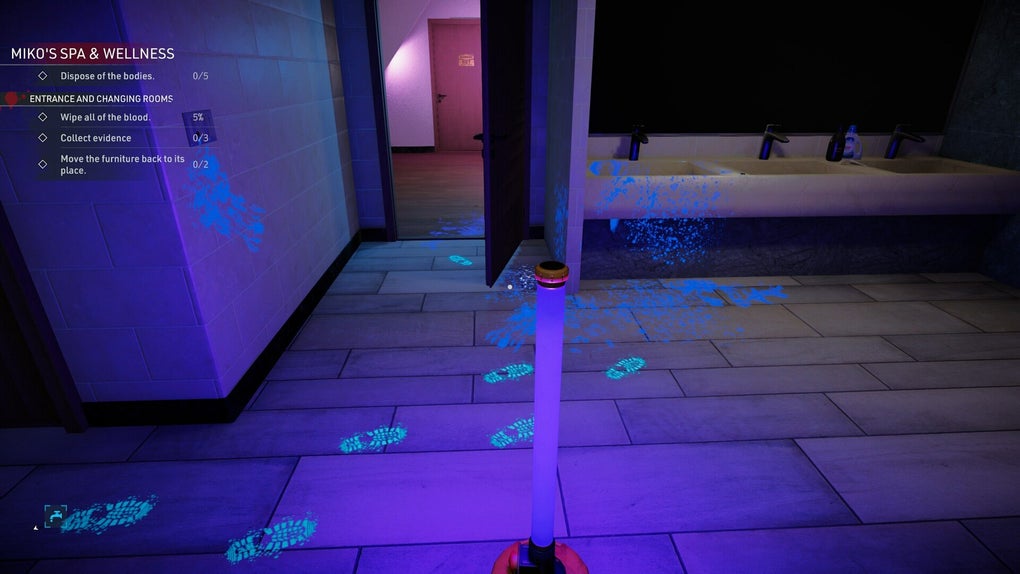
The core gameplay loop of “Crime Scene Cleaner” revolves around the meticulous process of restoring a crime scene to an immaculate state before the authorities or other unwanted parties arrive. This isn’t just about superficial cleaning; it’s about complete eradication of any trace of the illicit activities that transpired. Players are presented with a variety of challenging scenarios, ranging in severity and complexity, each demanding a thorough and strategic approach to ensure no detail is overlooked.
To achieve these impossible standards, players are equipped with an arsenal of cleaning tools, each suited for different types of contamination. The most basic, yet fundamental, tools are the humble mop and sponge. These are your primary instruments for tackling the pervasive bloodstains that are the hallmark of every crime scene. The game realistically portrays the grim satisfaction, or perhaps revulsion, of scrubbing away crimson evidence, requiring careful application and repeated efforts to ensure every drop is gone. The visual feedback of a stained surface gradually becoming pristine reinforces the immediate impact of your work.
However, blood is only one aspect of a crime scene’s lingering presence. More insidious, and perhaps equally challenging, are the pervasive odors that cling to furniture, fabrics, and even the very air itself. To combat these noxious smells, players must employ specialized equipment like odor eliminators. These devices require strategic placement and activation to thoroughly neutralize the stench, adding another layer of complexity to the cleanup process. The game subtly communicates the effectiveness of these tools, as the oppressive atmosphere gradually lifts, replaced by a sanitized, albeit sterile, environment.
Beyond the visible and olfactory evidence, players often face the grim task of dealing with more substantial remnants: dead bodies. The game does not shy away from this morbid reality, tasking players with the disposal of corpses. This aspect of the game highlights the protagonist’s profound moral descent and the unspeakable nature of his job. The mechanics of body disposal are handled with a degree of realism, requiring careful planning and execution to ensure no trace is left behind. This particular task is perhaps the most visceral reminder of the dark path the father has chosen.
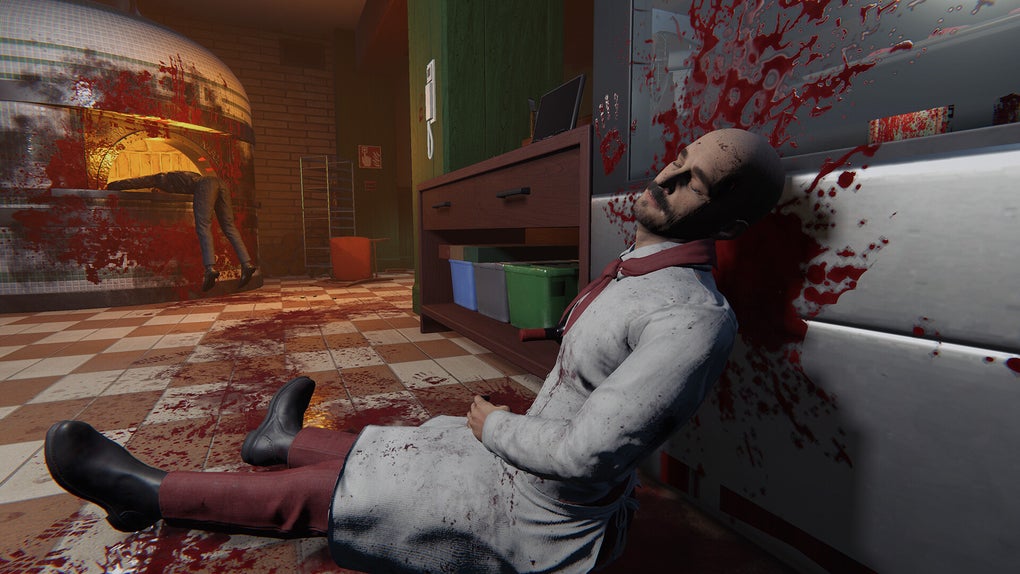
For more stubborn stains and ingrained grime, the heavy-duty equipment comes into play. The power washer, for instance, is essential for deep cleaning surfaces that a simple mop cannot adequately address. Its powerful stream can strip away layers of evidence, leaving behind a truly spotless canvas. Other “cleaning equipment” mentioned, though not explicitly detailed, likely includes specialized solvents, industrial vacuums, or tools for dismantling and removing tainted objects. The variety of tools ensures that players must adapt their approach to each unique scene, prioritizing tasks and choosing the right instrument for the job at hand. The game encourages a methodological process, where one wrong move or missed spot could lead to catastrophic consequences for the protagonist.
The overarching objective remains constant: leave the scene absolutely spotless before the police arrive. This time-sensitive element injects a constant sense of urgency into the gameplay. Players must work efficiently, prioritizing the most visible or incriminating evidence, while also performing a thorough sweep. The pressure is immense, as failure to complete the task before the clock runs out or before an unforeseen complication arises could spell disaster, not just for the protagonist, but more importantly, for his daughter’s survival. Every action, every swipe of the mop, every blast of the power washer, is driven by the singular, desperate goal of earning enough money to secure her future.
Unearthing Value Amidst the Chaos: The Moral Gray Areas
While the primary objective is to meticulously clean crime scenes, “Crime Scene Cleaner” introduces a morally ambiguous yet financially crucial secondary objective: looting valuable items. In the desperate struggle to accumulate funds for his daughter’s treatment, the protagonist is not merely a cleaner; he is also a scavenger, forced to exploit the very scenes of tragedy he is hired to erase. This mechanic adds another layer of ethical complexity and strategic depth to the gameplay, blurring the lines between survival and opportunism.
As players navigate the blood-soaked rooms and meticulously scrub away the evidence, they are encouraged to keep an eye out for anything of value. These items can range from jewelry and cash to electronics or other portable valuables left behind by the victims or perpetrators. The impulse to “keep them in your pocket” is a direct reflection of the protagonist’s dire financial situation. Every stolen item directly contributes to the fund for his daughter, making the act of theft not an act of greed, but an act of love born out of desperation. This creates a fascinating internal conflict for the player: do you prioritize the immediate cleanup, or do you take the time to search for extra income, risking discovery or delaying the main task?
The introduction of this looting mechanic significantly impacts the risk-reward dynamic of the game. Spending extra time meticulously searching for hidden valuables could put the player at greater risk of being caught by the approaching police or other unforeseen circumstances. However, the potential financial gain could be substantial, accelerating the protagonist’s progress towards his ultimate goal. Players must constantly weigh these factors, deciding how much risk they are willing to take for a higher payout. This strategic decision-making process reinforces the game’s core theme of survival at any cost.
However, this aspect of the game is not without its pitfalls, as highlighted by a significant technical drawback: the “game crashing bug.” The game developers have acknowledged reported cases of the game crashing specifically when players accidentally pick up “trash.” This bug is particularly frustrating because it can lead to the loss of all progress, forcing players to restart the mission from the beginning. In a game where every minute and every cleaned spot counts, losing progress due to a seemingly innocuous action like picking up a non-valuable item is a severe detractor from the overall experience.
This bug presents a difficult dilemma for players. On one hand, the need to loot for money is compelling and deeply tied to the narrative. On the other hand, the risk of a game crash discourages thorough searching, especially in environments where distinguishing between valuable loot and harmless trash can be challenging. It forces players to be overly cautious, potentially hindering their ability to maximize their earnings and, by extension, prolonging their struggle to save the daughter. The bug, therefore, undermines a key gameplay mechanic and adds an unnecessary layer of frustration to an otherwise compelling and intense experience. Despite this flaw, the underlying concept of moral compromise through looting remains a powerful narrative and gameplay device, pushing players to confront the uncomfortable realities of desperation.
An Engrossing Playthrough and Its Technical Hurdles
“Crime Scene Cleaner” truly distinguishes itself as an engrossing simulator, drawing players into its grim world with a unique blend of narrative depth and visceral gameplay. The experience is undeniably atmospheric, a quality significantly amplified by its first-person perspective. This POV is not merely a stylistic choice; it’s a fundamental element that deepens player immersion, making the act of scrubbing blood, neutralizing odors, and disposing of bodies intensely personal and impactful. The compelling storyline, centered around a father’s desperate struggle to save his ill daughter, provides a powerful emotional engine that drives every action and decision within the game. It transforms the mundane and often gruesome tasks into meaningful steps towards a higher purpose, making players emotionally invested in the protagonist’s arduous journey.
The meticulous detail required for cleanup, coupled with the strategic elements of avoiding detection and managing time, keeps the gameplay engaging and challenging. The sheer variety of tools at the player’s disposal – from humble mops and sponges to power washers and odor eliminators – ensures that each crime scene presents its own set of puzzles and demands different approaches. This tactical variety, combined with the underlying pressure of the mob and the police, creates a consistently tense and rewarding experience for those who enjoy simulation games with a dark twist.
However, it is impossible to discuss the “Crime Scene Cleaner” experience without addressing its most significant technical drawback: the notorious game crashing bug. As noted in multiple reviews and by players, the game has a critical flaw where it crashes when players “accidentally picking up trash.” In a game where players are constantly searching for valuable items amidst debris, the inability to distinguish between what’s loot and what’s trash without the risk of an immediate crash is profoundly disruptive. This bug not only leads to frustrating loss of progress, forcing players to restart missions, but also actively discourages exploration and thoroughness, which are otherwise key components of the gameplay loop. A player’s hard work, time, and strategic efforts can be wiped out in an instant, severely marring an otherwise captivating experience. For a premium title, this kind of stability issue is a significant concern that needs urgent addressing by the developers.
Despite this notable technical hurdle, “Crime Scene Cleaner” manages to deliver a unique and memorable experience. It caters to a specific audience looking for mature themes, a challenging simulation, and a storyline that resonates with genuine human struggle. Its blend of environmental cleanup, subtle stealth mechanics, and a heavy emotional narrative sets it apart from more conventional simulation games. For those willing to overlook the frustrating bug, the game offers an unparalleled dive into the dark and desperate world of post-crime sanitation.
“Crime Scene Cleaner” is available across various platforms, including Windows and Xbox Series X|S, indicating a broader reach for this niche title. It also supports multiple languages beyond English, such as German, Spanish, French, Italian, Russian, Portuguese, Polish, Chinese, Turkish, Korean, and Japanese. This wide linguistic availability suggests an effort by President Studio to make this gritty narrative accessible to a global audience, inviting more players to partake in this singular, unsettling journey. The game’s release and updates on platforms like PhanMemFree highlight its presence within the digital distribution ecosystem, though users are often redirected to storefronts like Steam for purchase.
In conclusion, “Crime Scene Cleaner” is an ambitious and often brilliant title that manages to elevate a potentially mundane premise into a compelling narrative experience. Its strengths lie in its atmospheric gameplay, immersive first-person perspective, and, most notably, its deeply compelling storyline of a father’s desperate love. These elements combine to create a game that is both grimly fascinating and emotionally resonant. While the persistent game crashing bug when interacting with certain environmental objects remains a significant flaw, detracting from the overall enjoyment and stability, the core concept and its execution offer a rich and thought-provoking simulation. For players who appreciate dark narratives, unique simulation challenges, and are willing to navigate a few technical glitches for a truly distinctive gaming experience, “Crime Scene Cleaner” presents a chilling, unforgettable journey into the heart of desperation. You can find more information and reviews for this and other titles at Phanmemfree.org.
File Information
- License: “Full”
- Version: “1.0.2k”
- Latest update: “August 20, 2024”
- Platform: “Windows”
- OS: “Windows 10”
- Language: “English”
- Downloads: “4.9K”


