
Dailymotion is a prominent video-sharing platform, often positioned as a significant alternative to the dominant player, YouTube. While it may not boast the same colossal user base or content library, Dailymotion offers a unique set of features and advantages that cater to specific user needs and preferences. This comprehensive review will delve into the platform’s functionalities, explore its strengths and weaknesses, compare it to its competitors, and assess its overall value proposition for both viewers and content creators.
Understanding Dailymotion: Features and Functionality
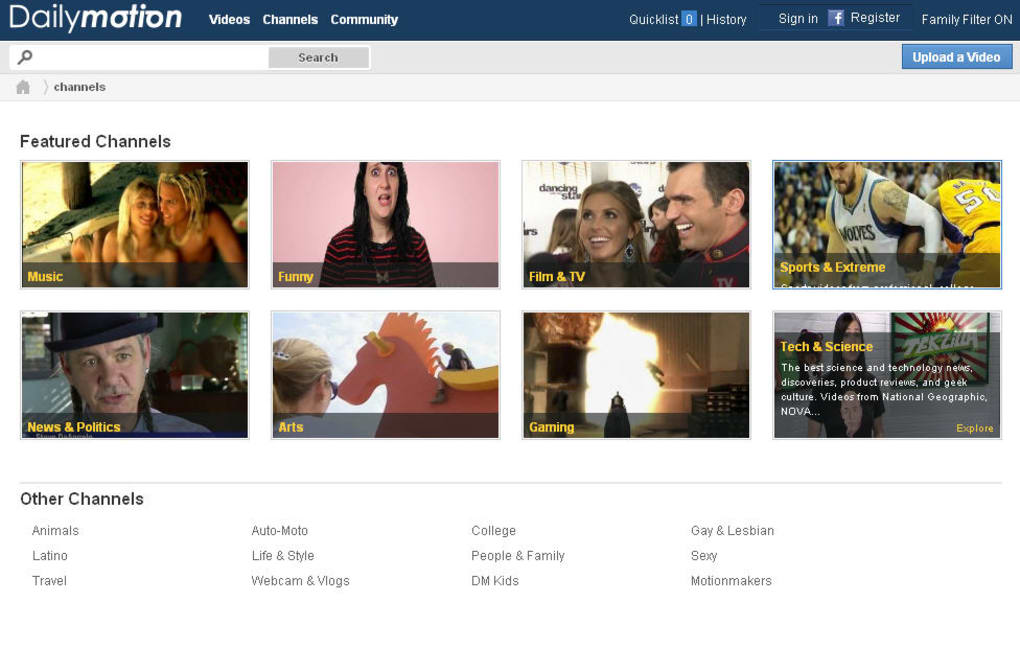
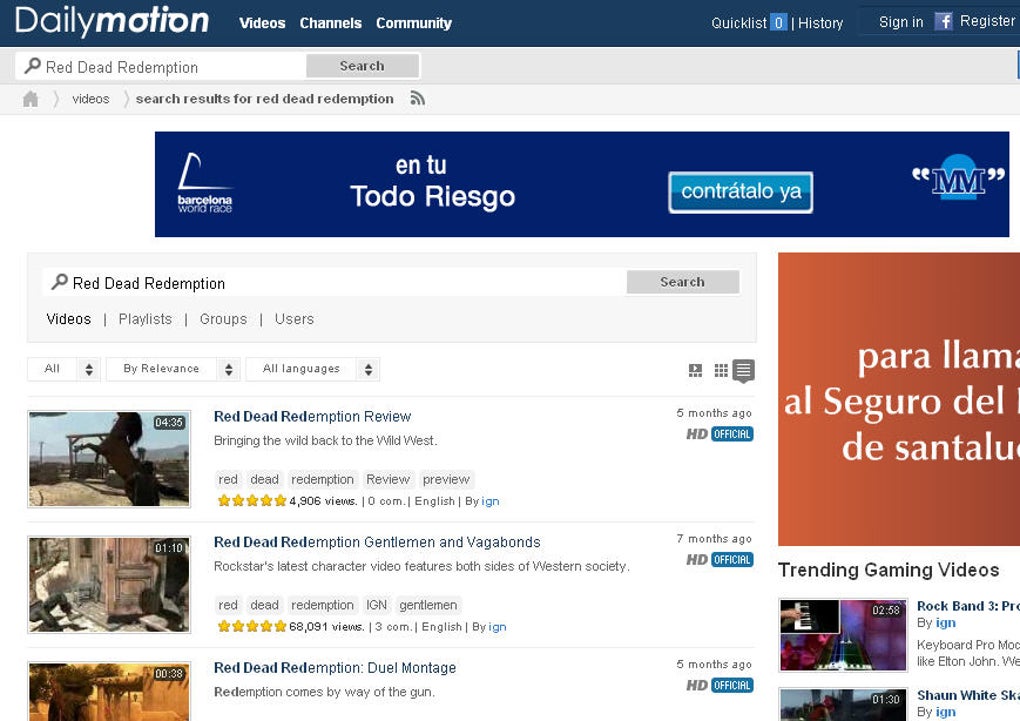
Dailymotion, owned by the media conglomerate Vivendi, operates as a global video-sharing platform accessible in 183 languages across 149 countries. It hosts millions of active users monthly and provides a diverse range of content, categorized into genres such as Featured, News, Sports, Entertainment, and Music. Users can easily browse through these categories or utilize the platform’s search function to locate specific videos.
One of Dailymotion’s key strengths lies in its user-friendly interface and versatile video controls. Users have the ability to customize their viewing experience by adjusting playback speed, selecting video quality, creating personalized playlists, and saving videos for later viewing. The platform also simplifies the process of uploading and sharing videos, empowering users to easily disseminate their content. Furthermore, Dailymotion provides opportunities for content creators to monetize their uploads, enabling them to leverage their videos across various social media channels and potentially generate revenue.
While Dailymotion offers a robust and intuitive experience, some core features may differ from those found on platforms like YouTube. Viewing videos on Dailymotion does not require account registration; however, creating an account is necessary for uploading content or engaging in comment sections. The registration process is streamlined, allowing users to leverage their existing Google accounts for simplified access. This ease of access is a significant factor in its appeal to users who may be wary of complex registration processes.
Dailymotion vs. YouTube: A Comparative Analysis
The most frequent comparison for Dailymotion is with YouTube, the undisputed king of video-sharing platforms. While both platforms share the fundamental purpose of hosting and sharing videos, key differences exist that significantly impact the user experience and suitability for different purposes.
YouTube’s unparalleled dominance is reflected in its vastly larger user base and significantly more extensive video library. Its global reach and massive audience make it the ideal platform for content creators seeking widespread exposure and potentially substantial viewership. This enormous reach, however, comes at a cost: YouTube’s stringent copyright policies can be restrictive for content creators, potentially leading to content removal or channel penalties.
Dailymotion, on the other hand, is often lauded for its more lenient copyright policies. This flexibility makes it an attractive option for content creators who may encounter issues with YouTube’s stricter regulations. This leniency, while attractive to some, also comes with its own set of challenges; potentially leading to concerns around intellectual property rights and the potential for copyright infringement. While Dailymotion actively works to address copyright issues, it generally possesses a more relaxed approach than YouTube.
Therefore, the choice between Dailymotion and YouTube hinges on individual priorities. If widespread audience reach is paramount, YouTube’s superior scale is undeniable. However, if copyright concerns or a less restrictive environment are prioritized, Dailymotion presents a compelling alternative. The smaller community might also be seen as an advantage by some, leading to a more focused and engaged audience, albeit a smaller one.
Dailymotion’s Monetization Strategy and Revenue Model
Dailymotion, like many free video-sharing platforms, employs an ad-supported model. This means that users will encounter video advertisements interspersed throughout their viewing experience. These ads serve as the platform’s primary revenue stream, enabling Dailymotion to remain free for users while maintaining its operations and infrastructure. For content creators, monetization opportunities exist, primarily through the ability to integrate ads into their uploaded videos. The platform provides tools and guidelines to help creators participate in its monetization program, allowing them to generate income from their content. However, the revenue generated is likely to be significantly less than that achievable on platforms with much larger user bases.
While the ad-supported model has the advantage of keeping the platform free for users, the frequency and intrusiveness of the ads may deter some viewers. The balance between maintaining a free service and offering a satisfactory viewing experience with minimal disruptions remains a crucial aspect of the platform’s long-term success. Finding the right balance is a continuous process involving adjustments and improvements to the ad delivery system and targeting algorithms.
Dailymotion Alternatives: Exploring Other Video Platforms
Numerous alternatives to Dailymotion exist, each with its own strengths and weaknesses. Selecting the most suitable platform depends heavily on individual needs and preferences. Three prominent alternatives include:
YouTube: As discussed extensively above, YouTube remains the undisputed leader in video sharing, boasting an unparalleled scale and reach. Its user-friendly interface, vast content library, and comprehensive monetization options make it attractive for both viewers and creators. However, its stringent copyright policies and highly competitive environment may deter some users.
Vimeo: Vimeo distinguishes itself by focusing on high-quality video content and a more artistic, community-driven approach. It offers a platform for artists and filmmakers to share their work in a more curated environment. While it also has a free tier, Vimeo’s premium options provide enhanced features and increased storage, appealing to professionals and serious content creators. Vimeo prioritizes a positive and respectful community, minimizing offensive comments and fostering collaboration.
Ustream.tv: Unlike Dailymotion and YouTube, Ustream.tv centers on live streaming. It provides a platform for users to broadcast their own live TV shows or events over the internet. The platform includes interactive features such as polls and audience tools, enhancing engagement with viewers. Ustream.tv is particularly useful for individuals or organizations looking to share live content, offering an interactive experience not available on traditional video-sharing platforms.
Choosing the best alternative depends entirely on the user’s specific needs. For sheer scale and widespread reach, YouTube remains unmatched. For a more artistic and community-focused experience, Vimeo offers a compelling alternative. And, for those specifically needing live-streaming capabilities, Ustream.tv stands out.
Conclusion: Dailymotion’s Position in the Video-Sharing Landscape
Dailymotion, while not a direct competitor to YouTube in terms of scale and global reach, occupies a distinct niche in the video-sharing landscape. Its user-friendly interface, more lenient copyright policies, and focus on a manageable community make it an attractive option for specific user segments. While the ad-supported model may present challenges, the platform continues to offer a viable alternative for viewers seeking diverse content and for creators looking for a less restrictive environment than YouTube. The platform’s future success will depend on its ability to continue improving user experience, refining its monetization model, and addressing concerns around copyright and content moderation. Its continued evolution and adaptation to the ever-changing digital media landscape will be crucial in determining its long-term viability and market position.
File Information
- License: “Free”
- Latest update: “December 7, 2023”
- Platform: “Web Apps”
- OS: “Opera”
- Language: “English”
- Downloads: “15.2K”


