
Dark and Darker, developed by IRONMACE, has captivated players with its blend of immersive fantasy gameplay and hardcore challenge. Marketed as a free-to-play title, it offers a unique experience that sits at the intersection of classic dungeon crawlers and modern online multiplayer experiences. However, the free-to-play model presents a unique structure that warrants a closer look. This review will delve into the game’s mechanics, its free-to-play implementation, its strengths and weaknesses, and its overall appeal to different types of players.
Sensory Immersion and High-Stakes Gameplay
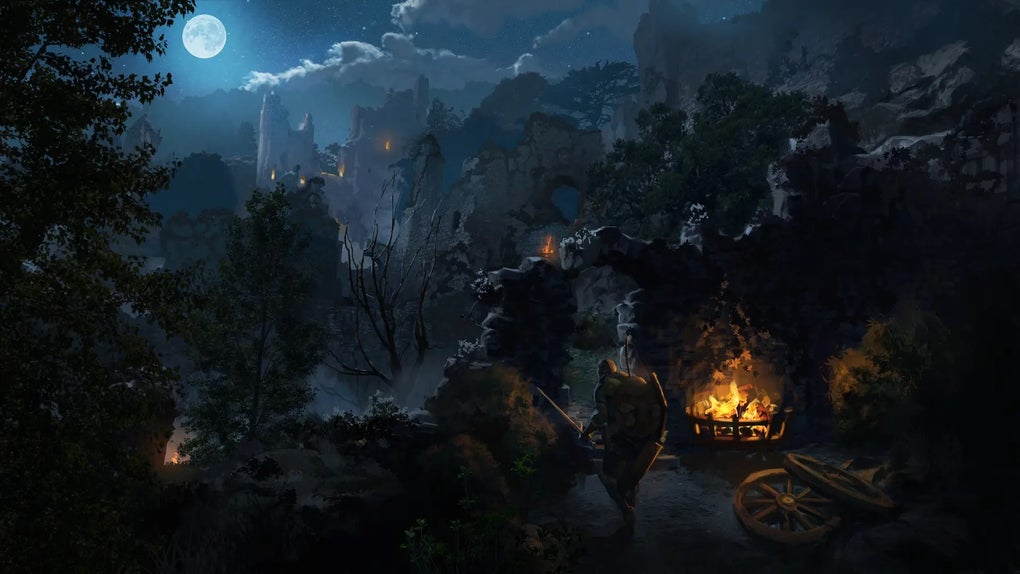
Dark and Darker throws players into a richly detailed fantasy world brimming with danger and reward. The game’s core mechanic hinges on heightened sensory awareness. Sight and sound are paramount; players must rely on keen observation to navigate treacherous environments, locate hidden treasures, and engage in tense combat encounters. This emphasis on sensory perception creates a truly immersive experience, unlike many modern games that rely heavily on visual cues alone. The auditory landscape is just as critical, with subtle sounds revealing the presence of enemies or hidden pathways. This constant need for awareness keeps players engaged and on edge.
The game world itself is a series of procedurally generated dungeons, each run offering a unique layout and challenges. This ensures high replayability, preventing the experience from becoming stale. The dungeons are designed to be both visually stunning and functionally complex, requiring players to utilize their spatial reasoning skills to effectively traverse and explore. Hidden passages, secret rooms, and cleverly placed traps add layers of complexity and reward clever exploration.
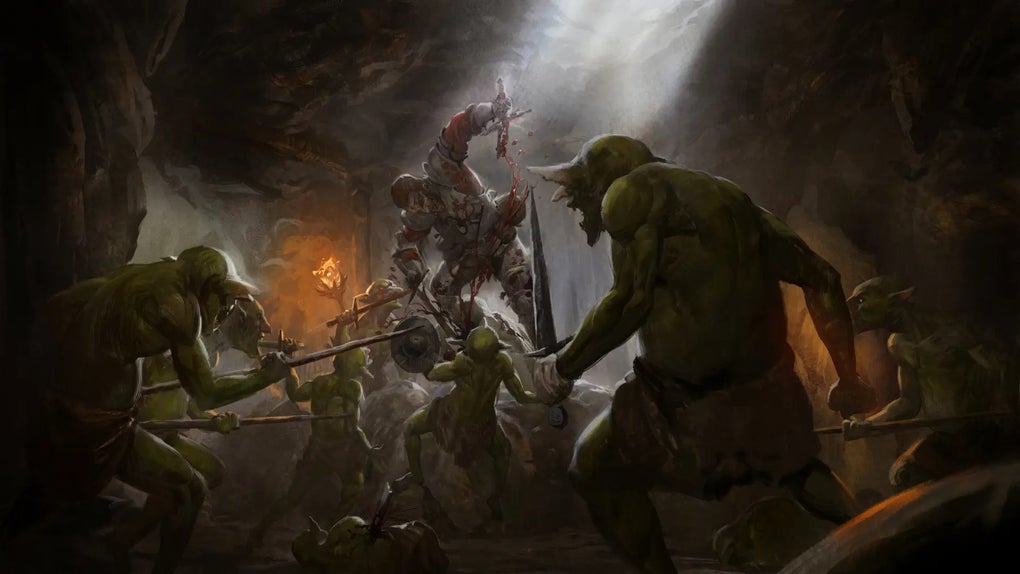
Combat is equally demanding, emphasizing tactical positioning and teamwork. Players choose from a variety of fantasy classes, each boasting unique abilities and playstyles. Cooperation is essential for survival; strategic planning and coordinated actions are vital to overcoming the game’s challenging encounters. The high difficulty curve acts as both a hurdle and a draw for players. While it might deter casual gamers, it rewards skilled players with a sense of accomplishment that is rare in more forgiving titles. This creates a highly competitive environment where mastery is truly earned.
The Free-to-Play Model: A Double-Edged Sword
Dark and Darker’s free-to-play model is a significant aspect of its design, one that has generated both praise and criticism. While advertised as free-to-play, the full game experience is gated behind a one-time purchase. The free version allows players access to the Normal dungeon, a single save slot, and a limited taste of the loot system. This allows new players to experience the core gameplay loop, but it significantly restricts their progression. The High-Roller dungeons, offering more challenging encounters and superior loot, are locked behind this purchase.
IRONMACE has justified this approach by citing logistical challenges associated with distributing free keys on a large scale and a desire to fulfill promises to early access players. The restricted free-to-play mode aims to maintain game balance and prevent potential exploits by hackers, allowing the developers to focus on addressing issues within the paid experience. This decision, however, has raised concerns among some players who feel that the free version is too limited to be considered a true representation of the game’s potential.
The developers acknowledge the potential frustration this might cause new players who feel restricted by the limitations of the free-to-play mode. They have stated their intention to introduce further solutions to improve the newcomer experience without disrupting the gameplay of established players. This balancing act is a considerable challenge, as providing a more generous free-to-play experience risks upsetting the current balance and attracting an influx of players who might exploit the system.
A Deep Dive into Class Roles and Teamwork
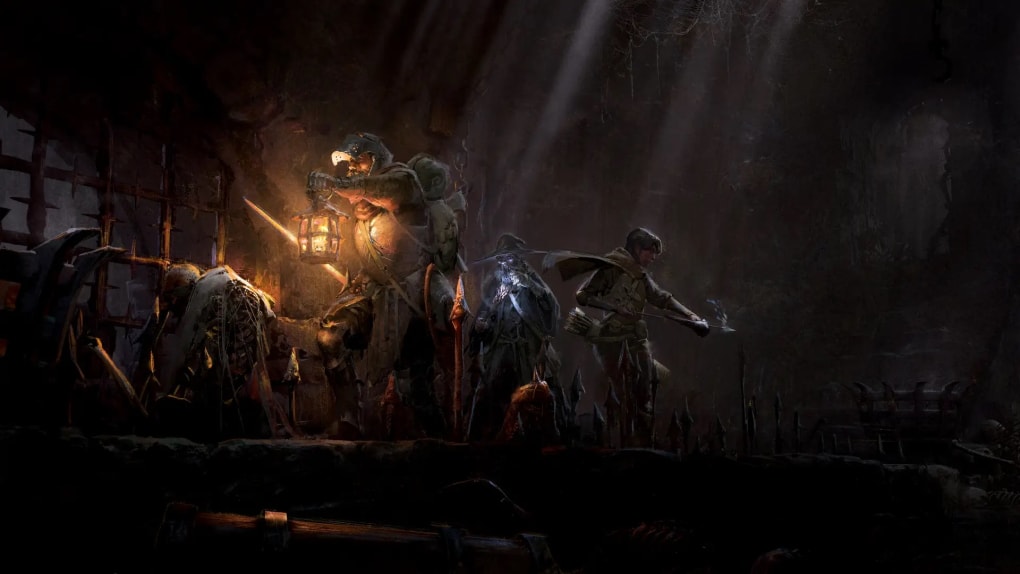
Dark and Darker’s class system further enhances its strategic depth. Each class offers a unique set of abilities and strengths, encouraging diverse team compositions. Successful teams often utilize a blend of classes to complement each other’s capabilities. For example, a tank class might provide crucial protection, allowing damage dealers to focus on eliminating enemies. Support classes can offer buffs, heals, and other crucial support functions that significantly improve team survivability and combat effectiveness.
This emphasis on teamwork transcends the simple act of playing together; it demands genuine collaboration and communication. Effective teamwork necessitates strategizing before entering the dungeons, discussing approaches to different challenges, and coordinating actions during intense combat scenarios. This collaborative aspect of the game adds a significant layer of social interaction, fostering a sense of community and shared accomplishment.
Strengths and Weaknesses: A Balanced Perspective
Dark and Darker presents a compelling gameplay experience, but it is not without its drawbacks. The game’s strengths lie in its immersive atmosphere, its challenging yet rewarding gameplay, and its focus on teamwork and strategic thinking. The unique sensory approach to gameplay sets it apart from many other fantasy adventure games, demanding a more active and engaged form of play.
However, the steep learning curve is a significant weakness. New players often find the game’s difficulty overwhelming, leading to frustration and a potential drop-off in player retention. The limited free-to-play version further exacerbates this issue, making it challenging for newcomers to grasp the game’s mechanics and appreciate its potential without committing to a purchase. The lack of a comprehensive tutorial also hinders onboarding, leaving players to decipher the game’s nuances through trial and error.
Furthermore, the game’s dependency on teamwork can be a double-edged sword. While encouraging collaboration, it also makes the experience significantly more challenging for solo players. Finding and coordinating with reliable teammates is essential, and the lack of a robust matchmaking system can make this process difficult at times.
Finally, the one-time purchase model, while economically straightforward, might alienate some players who prefer entirely free-to-play experiences. This model necessitates a decision from potential players; they must choose to commit to a purchase before fully experiencing the game’s potential.
Conclusion: A Niche Gem with Broad Appeal
Dark and Darker represents a unique and compelling entry in the fantasy adventure genre. Its immersive gameplay, emphasis on teamwork, and challenging difficulty create a truly rewarding experience for players who are willing to invest the time and effort required to master its mechanics. While the free-to-play model presents certain limitations and might not appeal to all players, it serves as a carefully considered mechanism to manage scalability and maintain game balance. The game’s strengths lie in its commitment to a challenging, rewarding, and uniquely sensory-driven experience that sets it apart in a crowded market. However, the steep learning curve and the need for dedicated teamwork may prove prohibitive for casual players. Overall, Dark and Darker is a niche game with broad appeal to those who appreciate a high-skill-ceiling challenge within a richly realized fantasy world.
File Information
- License: “Free”
- Version: “varies-with-devices”
- Latest update: “June 10, 2024”
- Platform: “Windows”
- OS: “Windows 10”
- Language: “English”
- Downloads: “2.9K”


