
Dark Souls II, a critically acclaimed action role-playing game (ARPG), plunges players into a grim and unforgiving world where survival is a constant struggle. This sequel to the groundbreaking Dark Souls builds upon its predecessor’s challenging gameplay, atmospheric world design, and intricate lore, crafting an experience that is both rewarding and intensely frustrating. It’s a game that demands patience, skill, and a willingness to embrace repeated failure as a crucial part of the learning process. While not without its flaws, Dark Souls II stands as a testament to the power of challenging gameplay and a deeply immersive experience.
A Soulful Journey of Self-Discovery
Dark Souls II begins, somewhat conventionally for an RPG, with character creation. Players customize their character’s appearance, choosing everything from height and build to hair color. However, the similarities to other RPGs end there. The game throws players into the deep end with minimal tutorial guidance, immediately testing their skills and reflexes. One wrong step can mean death, and death in Dark Souls II is far from inconsequential.
Unlike many RPGs that rely on experience points, Dark Souls II utilizes a “souls” system. Killing enemies yields souls, which can then be used to level up the character, purchase items like medicinal herbs, armor, and weapons, or enhance existing equipment. However, a significant risk is attached: death results in the loss of all accumulated souls. Furthermore, upon death, many previously defeated enemies are resurrected, making regaining lost souls a treacherous undertaking. This brutal mechanic is central to the game’s core loop, emphasizing careful planning and strategic combat.
Death: A Constant Companion
Death is a frequent occurrence in Dark Souls II. A single misstep, an overlooked enemy lurking in the shadows, or a powerful boss’s devastating attack can quickly deplete a player’s health, leading to an untimely demise. But dying isn’t merely an inconvenience; it carries consequences. Each death diminishes the character’s “humanity,” a crucial resource that affects various aspects of the game. As humanity depletes, the character’s physical form deteriorates, culminating in a skeletal state. Concurrently, each death reduces the character’s maximum health, creating a constant sense of precariousness. While not insurmountable, this loss of health and humanity emphasizes the need for careful and considered gameplay, rewarding deliberate strategies over reckless aggression. The game does provide a way to regain lost health via special potions, found or purchased from merchants, offering a small glimmer of hope amidst the relentless challenge.
Mastering the Art of Survival: Combat and Strategy
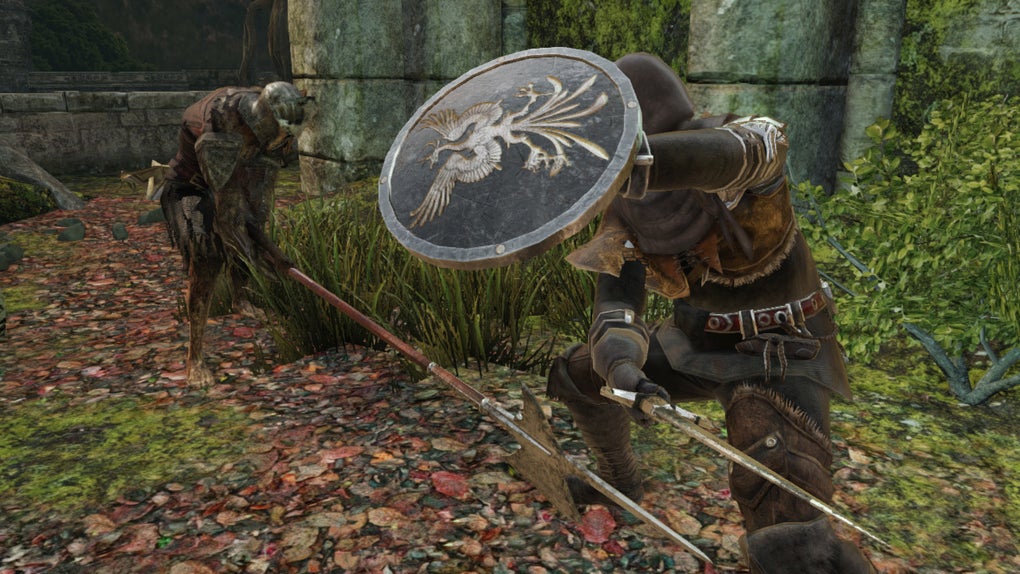
Combat in Dark Souls II is a brutal ballet of precise timing and strategic thinking. Players wield a variety of weapons, including one-handed and two-handed swords, bows, and wands, each with its own strengths and weaknesses. The decision of whether to prioritize light armor for agility and quick dodges, or heavy armor for increased defense, significantly impacts gameplay. Light armor enhances mobility, enabling players to use swift rolling maneuvers to evade enemy attacks and deliver devastating backstabs. Heavy armor, on the other hand, permits players to absorb more damage and employ a more defensive strategy, blocking attacks with a shield and capitalizing on counter-attack opportunities.
Ranged combat requires versatility. Players should always have a secondary weapon ready, as even large enemies can close the distance quickly, requiring the rapid deployment of a melee weapon for self-preservation. The fluidity of the combat system encourages experimentation and mastery of various fighting styles, each demanding a unique approach to overcoming the game’s formidable challenges.
A World of Shadows and Intrigue: Exploration and Multiplayer
Dark Souls II’s world is a dark and atmospheric masterpiece. Its shadowy environments, particularly the dungeons and caves, are illuminated only by the meager light of torches. However, the use of torches comes with a trade-off—players cannot equip their shields while carrying a torch, forcing them to choose between light and defense. The game utilizes an over-the-shoulder camera perspective, allowing players to gain a strategic view of their surroundings, plan their routes, and identify potential threats from a distance.
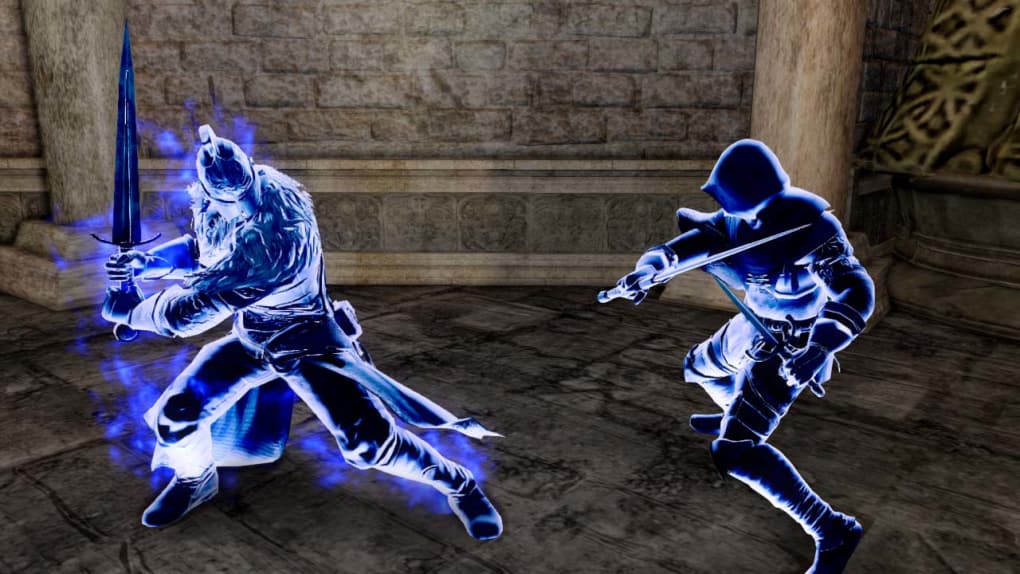
The game’s multiplayer component adds another layer of complexity and intrigue. Players can leave messages on the ground, offering hints, warnings, or even outright misinformation to other players. Cooperative gameplay allows players to team up and overcome challenging sections together. In a darker twist, the game also features a system where players can invade each other’s worlds, leading to intense PvP duels. This interplay between cooperation and conflict further amplifies the game’s already unpredictable nature.
Visuals and Audio: A Symphony of Darkness
While the graphics of Dark Souls II aren’t groundbreaking by modern standards, they effectively contribute to the game’s overall atmosphere. The game’s dark and brooding visuals perfectly complement the grim story and challenging gameplay. Lighting effects, while not photorealistic, enhance the sense of unease and danger. The game’s particle effects are also quite impressive.
The sound design is arguably even more impactful than the visuals. The game’s music subtly underscores the creepy ambiance, complementing the game’s unsettling atmosphere. The sound effects are incredibly well-crafted, adding a crucial layer of immersion and enhancing the sense of danger. The impact of each swing, the crunch of bones, and the unsettling groans of the undead all combine to create a genuinely terrifying and immersive soundscape.
A Game for the Persevering: Strengths and Weaknesses
Dark Souls II is undeniably a challenging game. It’s not a game for casual players looking for a quick and easy victory. It demands patience, skill, and a willingness to accept repeated failure as a vital part of the learning process. The game’s brutal difficulty is a double-edged sword. It can lead to intense frustration, but it also fosters a deep sense of satisfaction and accomplishment when players finally overcome a particularly difficult challenge. The game’s difficulty is undeniably high, but it is not unfair. The challenges are carefully designed and demand strategic thinking.
The game’s combat system is one of its greatest strengths, offering a deep and rewarding experience for those who invest the time to master it. The animations are largely well-executed, contributing to the intensity of the combat encounters. The game’s atmosphere is uniquely immersive and terrifying, effectively conveying a palpable sense of dread and danger.
However, the game is not without flaws. Some of the movement animations, particularly during mundane actions like walking or climbing stairs, can feel clunky and dated. Additionally, cooperative multiplayer can be somewhat tricky to navigate, and the game’s graphics, while atmospheric, aren’t as technically impressive as some of its contemporaries.
Conclusion: A Dark and Rewarding Journey
Dark Souls II is not a game for the faint of heart. It’s a game that demands perseverance, skill, and a willingness to embrace failure. It throws players into a dark and unforgiving world, testing their limits at every turn. Yet, despite its punishing difficulty, it’s a game that rewards those who are willing to dedicate the time and effort required to master its intricacies. The deep combat system, immersive atmosphere, and challenging but fair difficulty make Dark Souls II a truly memorable and rewarding experience, albeit one that will push players to their absolute limits. It is a testament to the enduring appeal of challenging and rewarding gameplay, cementing its place as a classic within the ARPG genre.
File Information
- License: “Full”
- Latest update: “June 14, 2023”
- Platform: “Windows”
- OS: “Windows 7”
- Language: “English”
- Downloads: “49.1K”


