Data Extractor is a Windows-based software utility designed to extract data from various file types and web pages. While it’s a trial version program, its functionality offers a potentially valuable tool for users needing to retrieve specific information from diverse sources. This review delves into its features, performance, usability, and compares it to alternative solutions.
Data Extraction Capabilities and Features
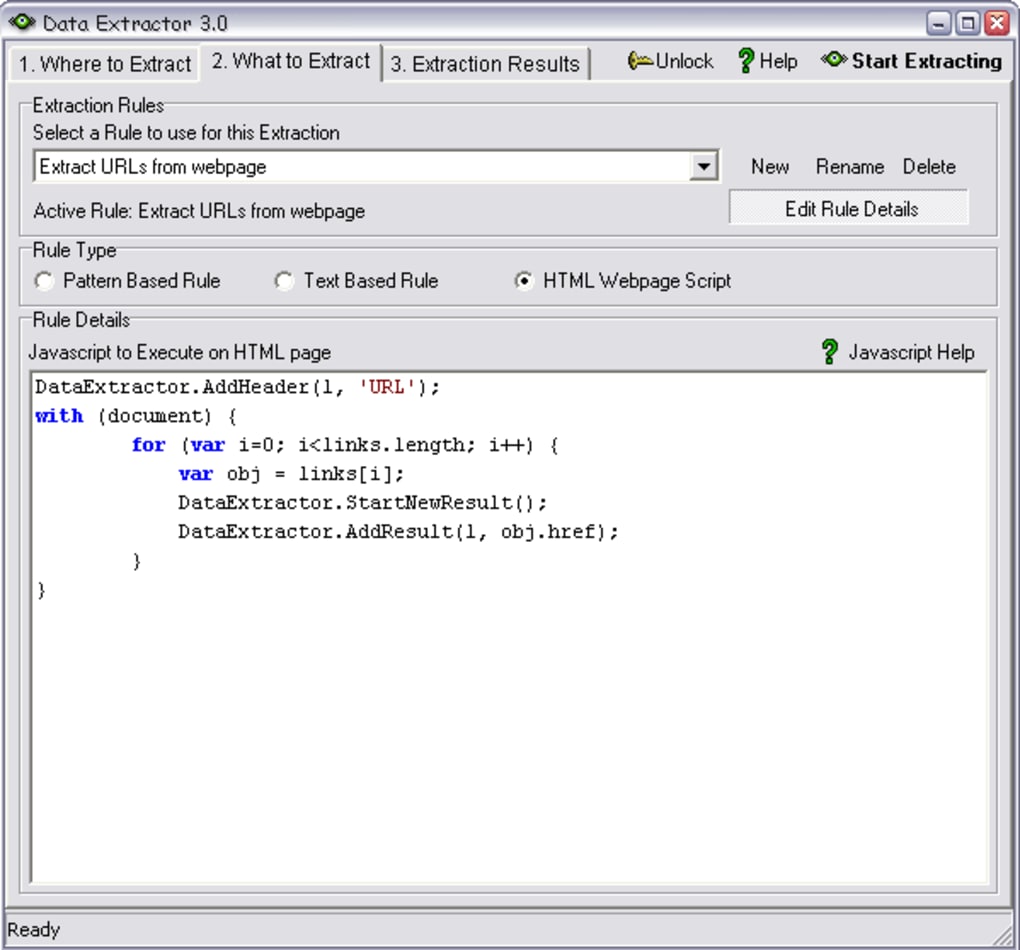
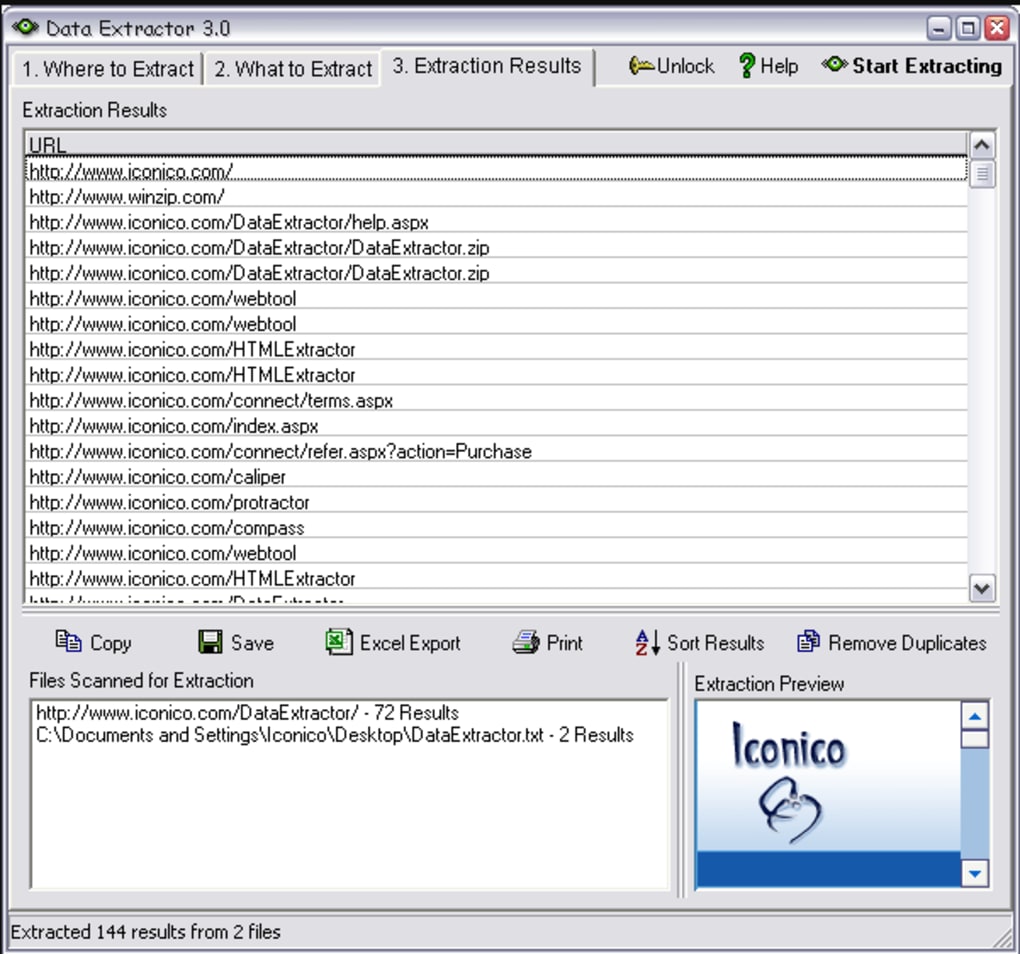
Data Extractor’s primary function is to efficiently extract data from files and web pages. This makes it a useful tool for researchers, data analysts, and anyone needing to consolidate information from multiple sources. The program boasts the capability to handle various file formats, although the specific formats aren’t explicitly listed in readily available documentation. The software’s ability to extract data from web pages is a significant advantage, particularly for users who need to gather data from websites without manual copy-pasting. This feature likely involves the use of scripting rules, possibly leveraging JavaScript, allowing for extraction of data from specific locations on the page and structuring the extracted information into a usable format (multiple columns in an extraction grid, as mentioned in the original description). This automation considerably speeds up data collection processes, offering significant time savings when dealing with large datasets or numerous web pages.
The software’s user interface, described as resizable, suggests adaptability to different screen sizes and user preferences. The automatic saving of scripting rules further enhances usability, enabling users to easily save and reuse their extraction configurations for similar tasks in the future. This feature ensures that users do not have to repeatedly configure the extraction process for similar data sources.
Other notable features include support for loading and saving lists of files and URLs, simplifying the management of multiple data sources. Additionally, the program’s support for drag-and-drop functionality streamlines the process of adding files for data extraction. The combination of these features simplifies the workflow and improves the overall efficiency of the data extraction process.
Performance and System Requirements
The original description highlights that Data Extractor is a relatively lightweight program, requiring minimal system resources. This is beneficial for users with older or less powerful computers, ensuring that the extraction process doesn’t excessively burden the system and lead to slowdowns or crashes. Its compatibility with Windows 95 and earlier versions underscores its adaptability to older operating systems, although such older systems might present challenges in terms of current security standards.
The relatively small download size (736.27 KB) further reinforces its lightweight nature and ensures quick installation and deployment, a significant advantage for users with limited bandwidth or storage space. The program’s popularity in regions like India, Cameroon, and the Czech Republic suggests a broad user base and potential applicability across diverse geographical locations and user needs.
User Interface and Usability
While specific details about the user interface are limited, the mention of a resizable interface and drag-and-drop functionality suggests a reasonably user-friendly design. However, without detailed screenshots or a more thorough user interface walkthrough, a definitive judgment on its ease of use remains somewhat limited. The automatic saving of scripting rules, however, is a noteworthy feature that improves the overall user experience by automating repetitive tasks. This implies a degree of sophistication in the underlying functionality without demanding excessive user intervention beyond initial configuration. The support for multiple columns in the extraction grid also indicates an organized and efficient presentation of extracted data.
The availability of the software only in English might pose a slight barrier for users who are not fluent in English, potentially limiting its reach to a smaller segment of the global user population.
Comparison with Alternative Applications
Several alternative data extraction tools exist, each with its own strengths and weaknesses. The provided text mentions “Diagnostic Data Viewer” and “XL Delete” as alternatives. However, without detailed comparative analysis, it is difficult to definitively state whether Data Extractor offers superior performance or features. The market includes numerous data extraction tools, ranging from simple spreadsheet functions capable of basic data retrieval to sophisticated software packages using machine learning for complex data analysis. More advanced alternatives might offer greater flexibility in handling diverse data formats and more powerful analytical capabilities but might also come with a steeper learning curve and potentially higher price points. The choice of the most appropriate tool depends heavily on the specific data extraction needs and user technical expertise.
Security and Privacy Considerations
The description mentions a “Security Status” but doesn’t provide specifics. In the absence of detailed information on security features, potential users should exercise caution and perform due diligence before installing and using the software, especially considering its compatibility with older operating systems that may have known security vulnerabilities. Users should ensure their antivirus software is up-to-date and scan any downloaded files before execution. Additionally, caution is warranted regarding the handling of sensitive data. Users should assess the security implications of processing such data using third-party tools, ensuring data privacy compliance according to relevant regulations and internal policies.
The description also includes a disclaimer regarding software usage and legality, emphasizing the importance of adherence to local laws. This highlights the user’s responsibility to ensure compliance with all applicable regulations and to use the software ethically and responsibly.
Conclusion
Data Extractor presents itself as a potentially useful tool for extracting data from files and web pages. Its lightweight nature, support for drag-and-drop, and automatic saving of scripting rules contribute to a potentially efficient workflow. However, the lack of detailed information on the user interface, security features, and a comparative analysis with competing software limits a comprehensive assessment. Users should carefully consider their specific needs and research available alternatives before making a decision. Prior to installation, users should take necessary precautions to ensure the security and integrity of their systems and data. The program’s age and limited documentation suggest a lack of active development, potentially raising concerns regarding ongoing support and security updates. Future improvements could include expanding support for more file formats, providing multilingual support, and detailed documentation with user guides and tutorials. A more comprehensive security assessment and enhanced user interface would also significantly enhance the user experience and overall attractiveness of the tool.
File Information
- License: “Trial version”
- Latest update: “July 11, 2023”
- Platform: “Windows”
- OS: “Windows 95”
- Language: “English”
- Downloads: “12.3K”
- Size: “736.27 KB”