
Days Gone, an action-adventure game developed by Sony’s SIE Bend Studio (creators of the Syphon Filter series), plunges players into a desolate, zombie-infested landscape in the rural Pacific Northwest. Taking on the role of Deacon St. John, or “Deek,” a hardened biker grappling with the loss of his wife, Sarah, players navigate a challenging post-apocalyptic world alongside their loyal companion, Boozer. The game blends survival, mission-based gameplay, and a compelling, albeit flawed, narrative.
The Core Gameplay Loop: Survival and Missions
At its core, Days Gone presents a relatively straightforward gameplay loop. Players undertake missions, traversing the open world on their trusty motorcycle, engaging in gunfights with hordes of undead, and completing objectives to unlock new areas of the map. Successful mission completion earns in-game currency, allowing for upgrades to weapons and the all-important motorbike, crucial for navigating the vast and often treacherous terrain. Skill development is also a key component; players can hone their abilities in areas like gun handling, melee combat, and resource gathering.
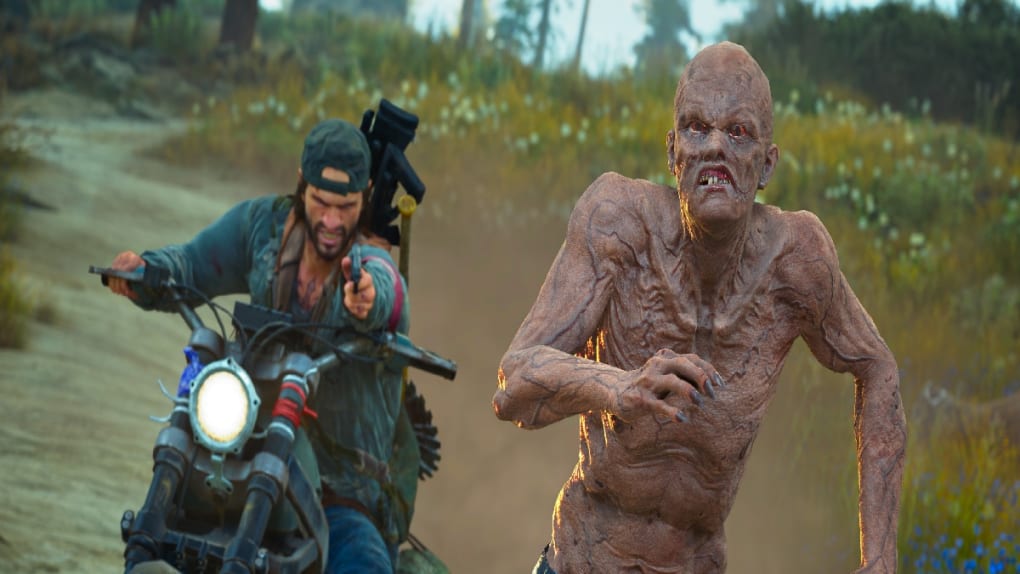
Beyond the main missions, Days Gone offers a generous amount of side content. Players can explore the expansive open world, uncovering side quests, raiding bandit camps for supplies and resources, and hunting animals for meat and valuable skins, which can then be bartered with friendly settlements. This open-world exploration allows for a degree of freedom, encouraging players to deviate from the main storyline and discover hidden stories within the game’s world.
A Story Beyond Survival: Unraveling the Mystery
However, Days Gone is more than just a simple zombie survival game. Beneath the surface of the mission-based gameplay lies a compelling narrative centered around Deacon’s personal quest. He seeks answers to the disappearance of his wife, Sarah, the complex dynamics between the various human factions struggling for survival, and the origins of the devastating zombie outbreak itself. The narrative hints at deeper conspiracies, suggesting a possible government involvement in the catastrophe.
This multi-layered narrative provides several intriguing story threads for players to explore, delving into the complexities of the post-apocalyptic world and the moral dilemmas faced by its inhabitants. However, while the narrative’s depth offers a compelling counterpoint to the repetitive gameplay, the execution sometimes falls short.
The Game’s Shortcomings: Repetitive Gameplay and Forgettable Characters
Despite its intriguing storyline and open-world exploration, Days Gone suffers from several significant drawbacks. The core gameplay loop, while functional, quickly becomes repetitive. The constant cycle of missions involving driving to a location, engaging in shootouts (mostly with hordes of zombies), and collecting rewards feels familiar to players of other open-world action-adventure titles. The lack of significant variation in enemy encounters and mission objectives leads to a sense of monotony after several hours of gameplay. The stealth sections, while present, are often forced and feel less integrated than the overt combat encounters.
Furthermore, Days Gone’s character development is uneven. While Deacon St. John is a well-realized protagonist with a compelling backstory and believable motivations, most other characters remain one-dimensional and forgettable. This lack of depth in supporting characters diminishes the emotional impact of the narrative, hindering the player’s connection to the world and its inhabitants. The supporting cast lacks the memorability and nuanced personalities present in similar games, failing to create the immersive and emotionally engaging experience that a richer character cast could have offered. The constant stream of requests and needs from various characters further exacerbates the repetitive nature of the gameplay, creating a sense of overwhelming obligation rather than genuine interaction.
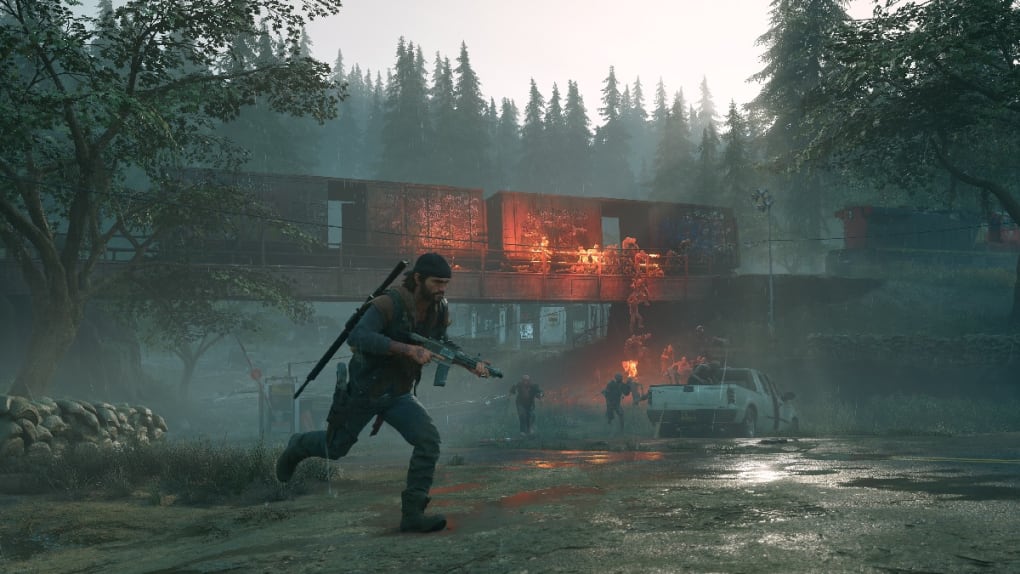
The overall impression is one of a game that could have been significantly improved with more focused development and editing. The sheer volume of content, while seemingly expansive, ultimately feels bloated and meandering. Streamlining the narrative, eliminating unnecessary side quests, and enriching the character development could have transformed Days Gone from a repetitive and somewhat generic experience into a truly memorable and engaging title. The game feels painfully generic, echoing similar titles in the genre with little to differentiate it beyond its setting and protagonist.
A Visual Feast in a Familiar Landscape
Despite its gameplay flaws, Days Gone boasts impressive visuals. The game’s depiction of the Pacific Northwest is stunning, showcasing breathtaking landscapes, realistic weather effects, and a truly immersive environment. The attention to detail in the environmental design is noteworthy, creating a believable and engaging world to explore. The open-world design, while not innovative, is vast and offers a satisfying sense of exploration, even if the activities within that world become repetitive. The game’s use of a real-time weather system further enhances the immersion, creating dynamic changes in the environment that affect gameplay and create a sense of realism.
However, these visual strengths cannot fully compensate for the game’s shortcomings in other areas. The beautiful scenery serves as a backdrop to repetitive gameplay and underdeveloped characters, leaving players with a sense of unfulfilled potential. The graphics are a high point, undeniably, but they are essentially window dressing for a fundamentally repetitive game loop.
Comparison to Similar Titles: Echoes of Familiarity
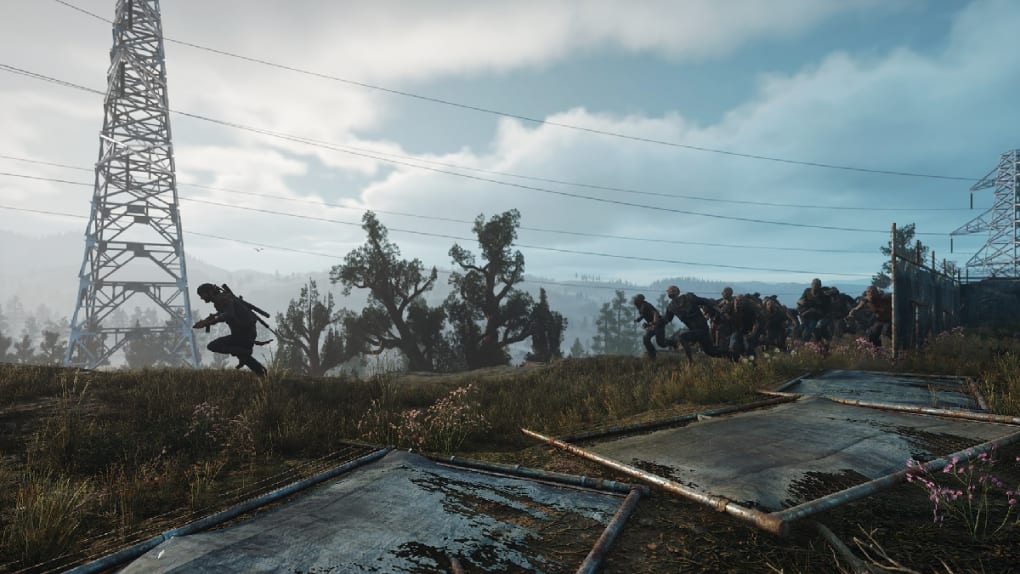
Days Gone’s gameplay mechanics bear a striking resemblance to other open-world action-adventure titles, particularly games in the Far Cry series. The core loop of completing missions, upgrading weapons, and exploring an expansive open world is a well-trodden path in the genre. While this familiarity isn’t inherently negative, it does contribute to a sense of déjà vu, diminishing Days Gone’s originality and leaving players with a feeling that they’ve experienced this all before. This echoes the repetitive nature of the missions themselves, highlighting the game’s lack of innovation in its core gameplay loop. The game suffers from a lack of distinctiveness, failing to stand out from the crowd of similar titles.
Conclusion: Potential Unfulfilled
In conclusion, Days Gone is a visually stunning game with a potentially compelling narrative, but its repetitive gameplay and underdeveloped characters ultimately hold it back. The game’s beautiful environment and intriguing storyline provide a promising foundation, but these strengths are undermined by a lack of innovation and a surfeit of uninspired content. With some fine-tuning, more focused narrative design, and a greater emphasis on character development, Days Gone could have been a truly exceptional title. As it stands, however, it remains a decent, yet ultimately forgettable, addition to the crowded open-world action-adventure genre. The core gameplay loop, while initially engaging, quickly becomes predictable and tiresome, leaving players yearning for more originality and a less formulaic approach to both mission design and narrative storytelling. Despite the visual appeal and the potential of its narrative, Days Gone fails to capitalize on its strengths, ultimately delivering a less-than-memorable experience.
File Information
- License: “Full”
- Version: “varies-with-devices”
- Latest update: “May 19, 2023”
- Platform: “Windows”
- OS: “Windows 10”
- Language: “English”
- Downloads: “33.9K”


