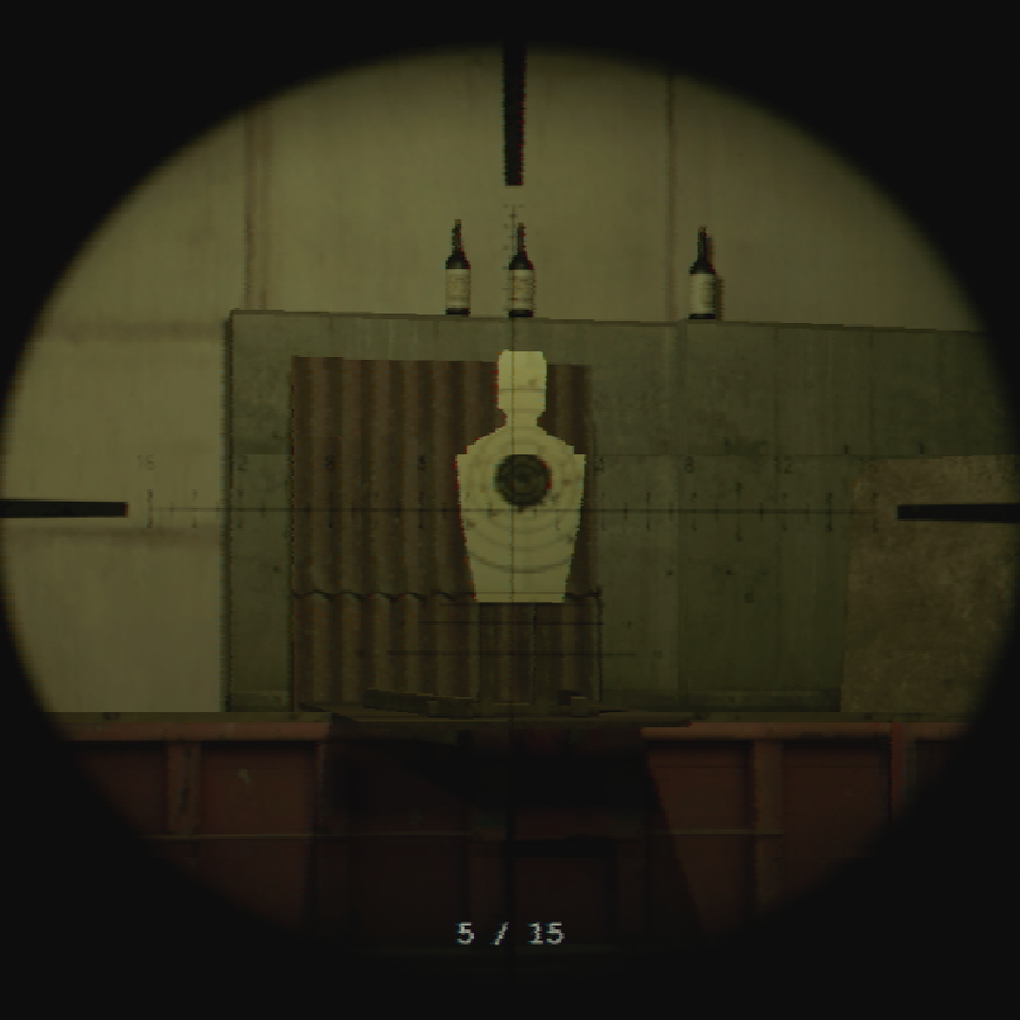
Deceit, a free-to-play first-person shooter developed by Baseline, plunges players into a chilling world of suspicion and survival. This multiplayer experience expertly blends strategic gameplay with psychological warfare, forcing players to question their allies and constantly assess the trustworthiness of those around them. The game’s unique premise, compelling mechanics, and immersive atmosphere contribute to a truly engaging and often terrifying experience. However, some limitations, such as lengthy matchmaking times and a less-than-comprehensive tutorial, slightly detract from the overall experience.
The Premise: Trust No One
The core gameplay of Deceit revolves around a simple yet highly effective premise: deception. Six players are randomly assigned one of two roles: innocent or infected. Innocents must work together to complete objectives and escape the unsettling environment, while the infected, disguised among them, must subtly sabotage their efforts and eliminate them. This fundamental asymmetry creates a compelling dynamic of paranoia and suspicion, turning each interaction into a high-stakes gamble. Players must carefully observe their teammates’ actions, analyzing their behavior for subtle clues that might betray their true identity. A single misstep could lead to your demise, emphasizing the crucial importance of careful observation and strategic thinking.
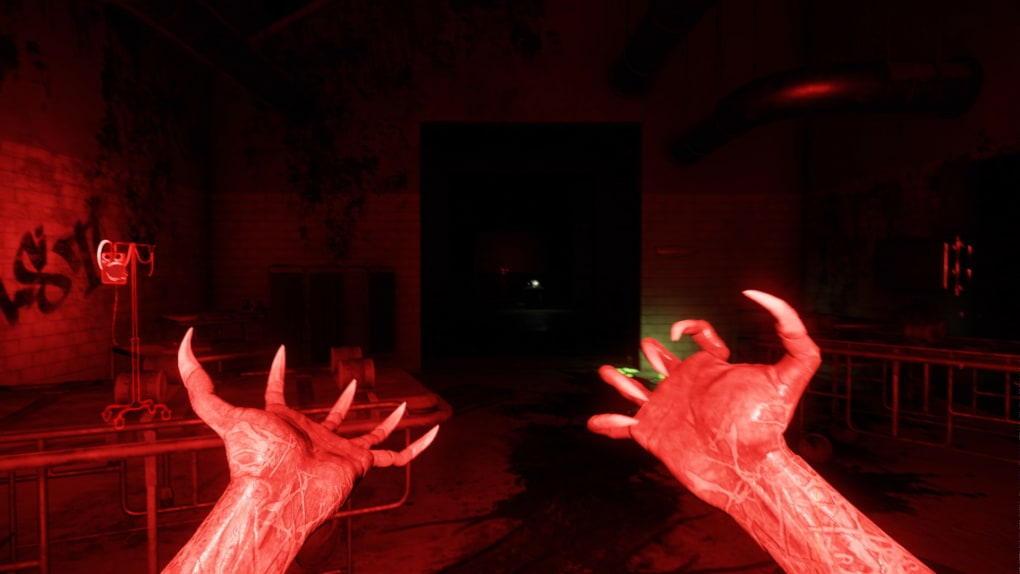
The game unfolds across three distinct zones, each presenting unique challenges and opportunities for both the innocent and the infected. The tension is further heightened by regular blackout periods that occur at the end of each zone. During these periods, the infected players undergo a terrifying transformation, gaining enhanced abilities and the freedom to openly attack the remaining innocents. This transformation adds a layer of unpredictable horror, turning the already tense atmosphere into a desperate struggle for survival. The strategic element comes into play when determining how best to navigate the zones during the blackout and when to utilize the limited resources available.
Gameplay Mechanics: A Blend of Strategy and Action
Deceit’s gameplay is a fast-paced blend of strategic decision-making and action-oriented combat. While teamwork and communication are vital for the innocents, the infected must rely on stealth, manipulation, and cunning to achieve their sinister goals. The infected players possess unique abilities, offering them an edge over the innocents. This asymmetrical gameplay encourages a variety of strategies, preventing the game from becoming predictable.
The innocents must work together to solve puzzles, navigate hazardous environments, and gather resources needed for escape. They must also carefully consider who among them might be infected, using a voting mechanism to eliminate suspected players. Misjudgments can have dire consequences, as wrongly accusing an innocent teammate can weaken their chances of survival, while failing to identify an infected player can lead to a devastating ambush.
Meanwhile, the infected face the challenge of blending in, subtly undermining the innocents’ progress while avoiding suspicion. They must use their abilities strategically, taking advantage of the blackout periods to attack without detection. A successful infected player is a master of manipulation and deception, able to sow discord among the innocents and subtly guide events toward their advantage.
The success of each player depends entirely on their ability to read others, anticipate their moves, and adapt to the ever-changing dynamics of the game. The psychological aspect is as crucial as the strategic and action elements, making Deceit a truly unique and engaging experience. Its resemblance to popular titles such as Among Us and Dead by Daylight is undeniable, but the unique blend of FPS mechanics and the blackout phases distinguishes it with a more thrilling and chilling experience.
Immersive Atmosphere and Technical Aspects
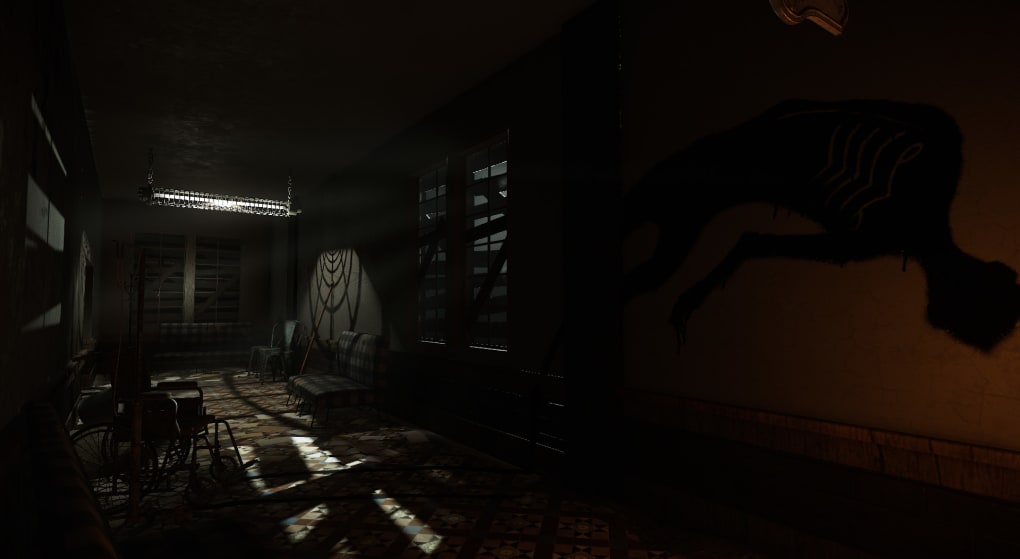
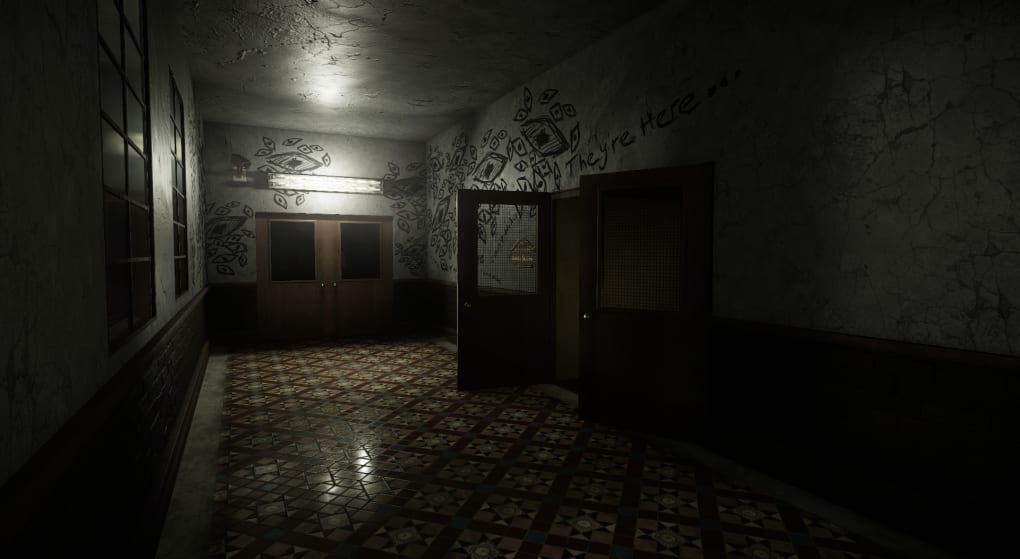
Deceit boasts high-quality 3D graphics, immersing players in a dark, unsettling atmosphere that perfectly complements the game’s themes. The detailed environments, realistic character models, and unsettling sound design all contribute to a sense of dread and suspense, heightening the tension of each game session. The user interface is well-designed and intuitive, facilitating a smooth and enjoyable gameplay experience. The visuals are exceptionally polished, ensuring that players are fully immersed in the environment, amplifying the thrilling and terrifying experience.
However, the game is not without its shortcomings. One notable drawback is the sometimes lengthy matchmaking times. Players often experience significant delays waiting to find enough players to fill a game lobby, which can disrupt the flow and overall enjoyment. The absence of an AI option for filling empty slots further exacerbates this issue, making it frustrating for players who lack a consistent group of friends to play with.
Furthermore, the game’s tutorial system could be significantly improved. New players may find the fast-paced gameplay and complex mechanics overwhelming without a more comprehensive guide to help them understand the nuances of each role and the strategic possibilities available to them. This lack of guidance creates a steeper learning curve, potentially alienating new players before they have a chance to fully appreciate the game’s depth.
Comparisons and Alternatives
Deceit shares similarities with other popular social deduction games like Among Us and Dead by Daylight, but its unique blend of first-person shooter action and the terrifying blackout phases sets it apart. Among Us focuses on social deduction and relies less on direct combat, while Dead by Daylight features a distinct asymmetric multiplayer model where one player controls a powerful killer, whereas the rest are survivors. Deceit’s combination of these aspects offers a more action-oriented experience with higher stakes and a more intense atmosphere. The psychological component is similarly pronounced in all three games, but Deceit emphasizes the tension through the combination of stealth and sudden violence during the blackout periods.
While several alternatives exist in the social deduction and survival horror genres, Deceit’s unique gameplay loop and its thrilling combination of stealth, strategy, and action provide a distinct experience. The game successfully blends the thrill of the chase with the chilling suspense of trying to determine who among your teammates is secretly working against you.
Conclusion: A Thrilling but Flawed Experience
Deceit offers a compelling and unique gaming experience, blending thrilling action with intense psychological warfare. The game’s immersive atmosphere, high-quality graphics, and fast-paced gameplay create an engaging and often terrifying experience. The strategic depth, coupled with the unexpected twists and turns that each match brings, keeps players on the edge of their seats. However, the lengthy matchmaking times and the lack of a comprehensive tutorial are significant drawbacks that detract from the overall experience, potentially alienating new players and disrupting the flow of gameplay. Despite these flaws, Deceit remains a highly recommended title, especially for players who enjoy social deduction games, action-oriented gameplay, and an atmosphere charged with suspense and uncertainty. The thrill of the hunt, the weight of suspicion, and the chilling transformation of the infected are undeniably compelling aspects of a game that promises both excitement and terror. The developer’s commitment to providing updates and improvements is a testament to its commitment to enhancing player satisfaction.
File Information
- License: “Free”
- Version: “1.0”
- Latest update: “February 14, 2024”
- Platform: “Windows”
- OS: “Windows 8.1”
- Language: “English”
- Downloads: “7.6K”