
Delta Force 2, developed by NovaLogic and released in the late 90s, stands as a landmark title in the tactical shooter genre. This game, available on the Windows platform, catapulted players into the heart of intense, globe-trotting counter-terrorism operations, offering a blend of realistic combat, strategic gameplay, and impressive features for its time. While its graphics may appear dated by today’s standards, its core mechanics and overall impact on the genre remain significant, solidifying its place in gaming history. This article will explore the various aspects of Delta Force 2, examining its gameplay, features, impact, and its legacy in the world of tactical shooters.
Immersive Gameplay and Realistic Combat
Delta Force 2 thrusts players into the role of a member of the elite Delta Force unit, tasked with neutralizing terrorist threats across various global locations. The game prioritized realistic combat scenarios over arcade-style action, emphasizing tactical considerations, strategic positioning, and effective use of weaponry. Unlike many contemporary shooters, Delta Force 2 didn’t shy away from presenting challenging encounters, demanding players think carefully about their approach and utilize cover effectively.
The game’s levels were meticulously designed to provide varied environments, incorporating diverse terrains such as dense jungles, sprawling urban landscapes, and open desert regions. Each environment offered unique challenges, forcing players to adapt their tactics based on the surroundings. The inclusion of elements like tall grass, water bodies, and undulating terrain allowed for stealth approaches, enabling players to flank enemies or avoid direct confrontation. This strategic depth significantly increased the game’s replayability, rewarding players who experimented with different approaches and tactics. The realistic ballistics and weapon handling further contributed to the immersive experience, enhancing the feeling of operating in a true-to-life combat scenario.
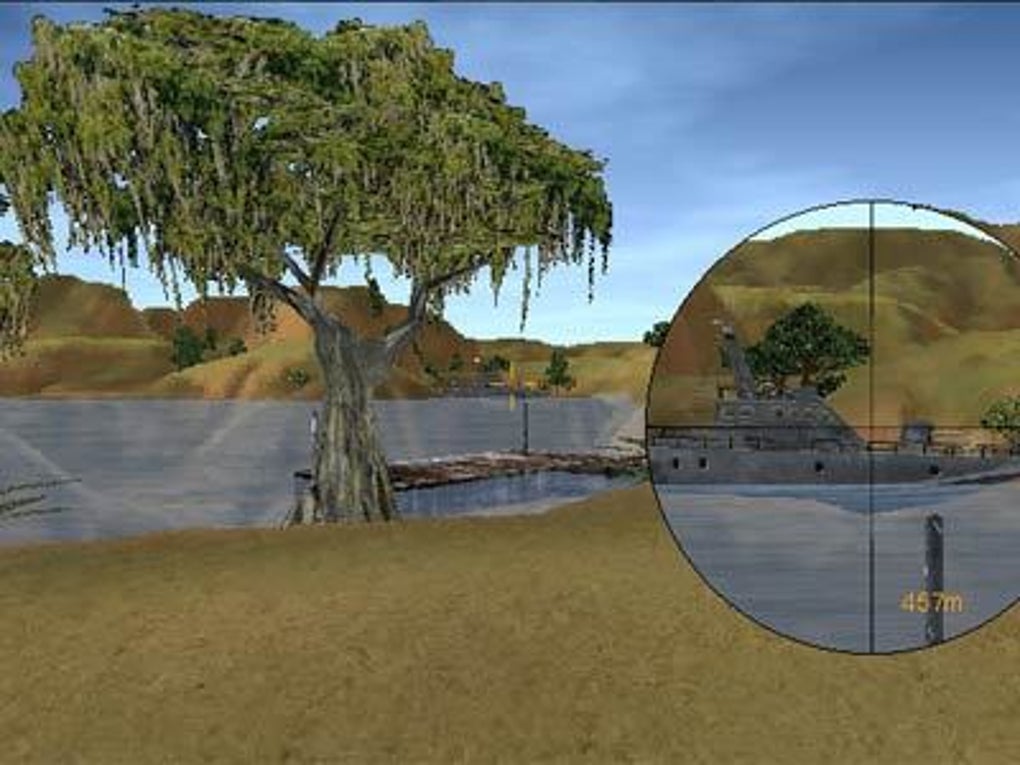
The game’s arsenal included a range of authentic firearms, each with its own distinct characteristics. Players could choose from a selection of rifles, submachine guns, pistols, and explosives, each possessing unique attributes that influenced its effectiveness in different scenarios. Mastering the nuances of each weapon was crucial for success, adding another layer of complexity to the gameplay. The addition of fixed machine gun and grenade launcher emplacements further enhanced the tactical possibilities, offering strategic advantages in specific combat situations.
Innovative Features and Multiplayer Mayhem
Delta Force 2 wasn’t just a single-player experience; it also incorporated robust multiplayer functionality that set it apart from many other games of its era. This was particularly impressive given the technology available at the time. The game supported up to 50 players in its online mode, powered by NovaWorld™, a pioneering online gaming platform. This allowed for large-scale battles involving multiple teams, each vying for control of objectives or simply engaging in free-for-all chaos.
Beyond the large-scale multiplayer matches, Delta Force 2 offered a mission editor that gave players unprecedented control over their gaming experience. This tool allowed players to craft their own single-player and multiplayer missions, selecting maps, objectives, enemy placements, and even the type of weapons and equipment available. This level of customization provided a virtually limitless amount of replayability, ensuring that the game remained fresh and engaging long after the initial campaign was completed. The inclusion of over 40 new missions further amplified this replayability. The Commander’s Screen, available in both single-player and multiplayer modes, allowed players to direct their teammates, issuing commands and coordinating attacks, introducing a more strategic element to the gameplay. This feature was particularly crucial in multiplayer matches, enabling players to coordinate their efforts effectively and optimize their chances of success. This enhanced the tactical aspect of the game, transforming it from a simple shoot-em-up into a strategic team-based experience.
The ability to approach objectives via parachute added a thrilling dimension to the gameplay, offering a unique tactical advantage and a touch of cinematic flair. This feature was especially exciting during multiplayer matches, as players could coordinate parachute drops to gain strategic positions or surprise their opponents.
The Legacy of Delta Force 2
Delta Force 2’s impact on the tactical shooter genre is undeniable. Its blend of realistic combat, strategic gameplay, and innovative features established a template for future titles in the genre. Its inclusion of a robust multiplayer mode, coupled with the mission editor, cemented its status as a highly replayable and endlessly customizable game, a rarity for its time. The game’s emphasis on tactical considerations and the strategic use of the environment elevated it above many contemporary shooters, which frequently prioritized arcade-style action over realism.
While the graphics may not hold up to modern standards, Delta Force 2’s gameplay remains remarkably engaging. The sense of tension and realism created by the game’s mechanics continues to captivate players even today. Its legacy lives on, inspiring numerous subsequent titles and influencing the evolution of the tactical shooter genre. The game’s realistic weaponry and the attention to detail in its combat mechanics contributed to its immersive quality, providing a level of authenticity that was unmatched in many of its contemporaries. This level of realism, combined with the strategic depth afforded by the diverse environments and the advanced features such as the Commander’s Screen, cemented its impact on the genre.
Comparison to Other Tactical Shooters of the Era
Compared to other tactical shooters of its time, Delta Force 2 stood out for its impressive scale and scope. While games like Rainbow Six focused on more contained, close-quarters combat, Delta Force 2 offered larger, more expansive maps and supported significantly more players in its multiplayer mode. The inclusion of the mission editor also set it apart, providing players with an unprecedented level of control over the game’s content. This level of customization was virtually unheard of in tactical shooters of that era, allowing players to shape their gameplay experience according to their preferences, significantly increasing the game’s long-term appeal. This commitment to player agency further solidified its place as a pioneer in the genre.
The game’s focus on realism also distinguished it from many of its competitors. While some games prioritized arcade-style action, Delta Force 2 opted for a more realistic approach to combat, demanding players employ tactics and strategize their movements. This emphasis on tactical gameplay broadened its appeal beyond the casual player base, attracting a more dedicated community who appreciated the game’s depth and complexity.
Delta Force 2: A Timeless Classic
Delta Force 2 remains a significant title in gaming history. Though its age is evident in its visuals, its core gameplay remains remarkably compelling. The combination of realistic combat, strategic depth, and innovative features like the extensive multiplayer component and the mission editor continue to define its enduring appeal. For fans of tactical shooters and players interested in experiencing a piece of gaming history, Delta Force 2 offers a rewarding and challenging gameplay experience that transcends its years. Its legacy as a pioneering tactical shooter is secure, leaving an indelible mark on the genre and inspiring numerous successors.
File Information
- License: “Full”
- Latest update: “July 22, 2025”
- Platform: “Windows”
- OS: “Windows 11”
- Downloads: “7.8K”


