
In the ever-evolving landscape of horror gaming, where developers constantly strive to craft experiences that genuinely unsettle and challenge players, Demonologist emerges as a compelling entry. This first-person online co-op horror game plunges players into a world steeped in supernatural dread, tasking them with the perilous mission of exorcising malevolent entities from a series of cursed environments. Developed by Clock Wizard Games, Demonologist offers a unique blend of suspense, psychological horror, and cooperative action that carves out its own niche within the genre, drawing comparisons to other atmospheric titles while introducing innovative mechanics that elevate the terror.
At its core, Demonologist is an exploration and exorcism simulator, but it is far more than a simple ghost hunt. It is a masterclass in tension building, where danger is an omnipresent force, lurking in every shadow and behind every creaking door. The game’s dark and brooding atmosphere is instantly palpable, evoking a sense of foreboding that mirrors the oppressive dread found in critically acclaimed titles such as Fears to Fathom: Home Alone. However, Demonologist distinguishes itself by offering both single-player and multiplayer options, providing players with the flexibility to brave the horrors alone or to confront the darkness alongside friends. This cooperative element is particularly appealing for those who might find the psychological toll of solo exploration too intense, fostering teamwork and shared vigilance in the face of unspeakable evil.
The Core Gameplay Loop: Confronting the Unseen
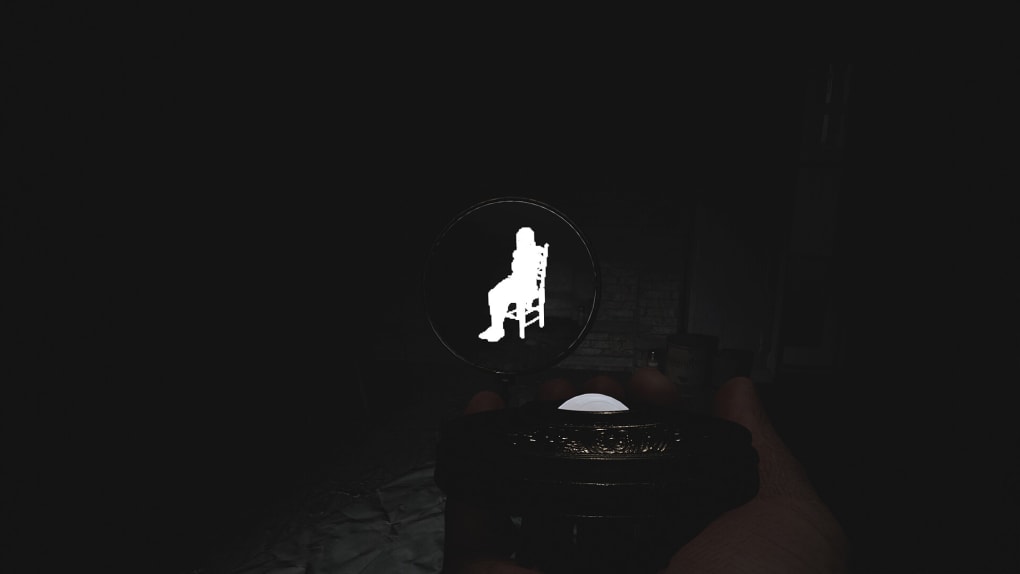
The primary objective in Demonologist is to identify and exorcise various evil entities plaguing specific locations. This isn’t a straightforward task; it requires methodical investigation, careful preparation, and often, sheer courage. Players arrive at a cursed location, often an abandoned house, a derelict hospital, or a decaying asylum, each with its own unique layout, eerie ambiance, and tragic backstory. The game doesn’t hand-hold; instead, it encourages players to explore every nook and cranny, searching for clues, evidence of paranormal activity, and items that might aid in the exorcism.
The gameplay loop typically involves several key phases:
-
Investigation and Evidence Gathering: Upon entering a haunted site, players must first gather evidence of the entity’s presence and nature. This involves using a range of ghost-hunting tools, some familiar to fans of the genre, others unique to Demonologist. EMF readers might spike, spirit boxes might crackle with disembodied voices, or thermal cameras might reveal chilling cold spots. Each piece of evidence helps narrow down the type of entity players are dealing with, which is crucial for determining the correct exorcism ritual. This phase is often slow-burn, emphasizing exploration and building tension through environmental storytelling and subtle auditory cues. The sense of vulnerability is heightened as players realize they are not merely observing but are very much in the environment, subject to its malevolent inhabitants.
-
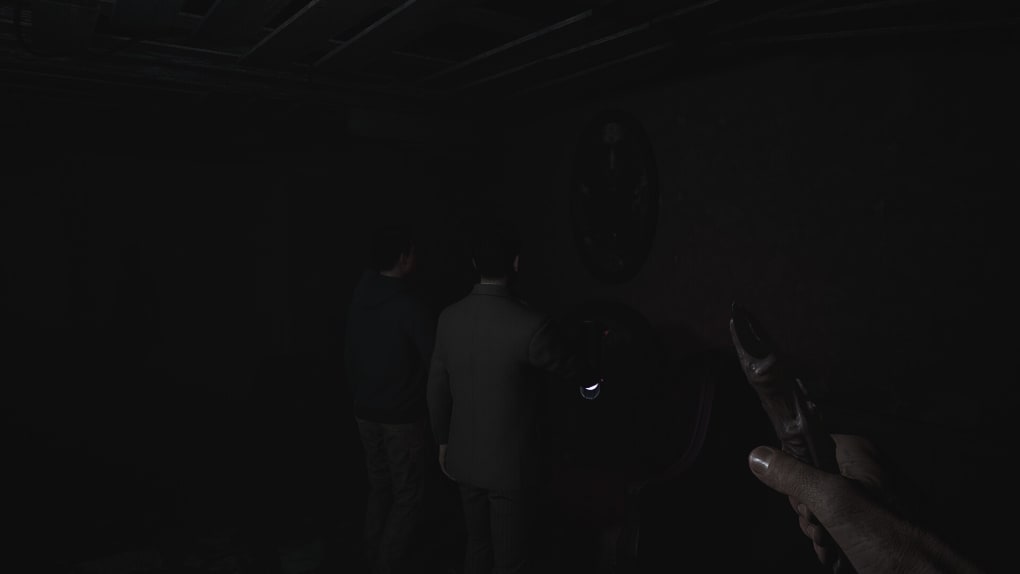
Identifying the Entity: Based on the collected evidence, players must deduce the specific type of demon or ghost they are facing. Demonologist features a variety of entities, each with distinct behaviors, weaknesses, and strengths. An aggressive poltergeist might throw objects and manifest visually, while a more insidious shadow creature might prefer psychological manipulation and subtle whispers. Correct identification is paramount, as performing the wrong exorcism ritual can have dire consequences, often angering the entity and leading to more intense, dangerous hauntings.
-
Preparation and Exorcism: Once identified, players must gather the necessary components for the exorcism ritual. This could involve finding ancient texts, specific religious artifacts, or performing a series of actions in a particular order. The exorcism itself is rarely a simple button press; it often requires a coordinated effort, especially in multiplayer mode. One player might be reading from a holy book, another holding a crucifix, while a third might be trying to cleanse the area with incense. This phase is the climactic moment, a frantic battle of wills against the supernatural, where failure means either being eliminated or facing intensified demonic aggression.
-
Escape or Containment: Successful exorcism usually results in the entity being banished or contained, allowing the players to leave the cursed location. However, even after an exorcism, the psychological scars remain, and the lingering presence of evil can still be felt, ensuring that the players never truly feel safe, even in victory.
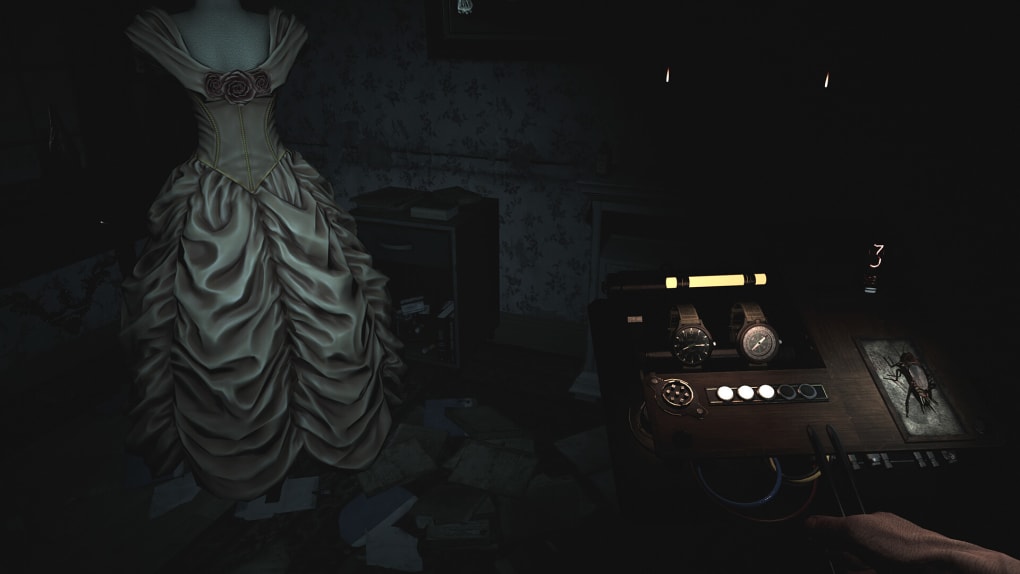
The complexity of these phases, combined with the game’s unpredictable nature, ensures a high degree of replayability. No two sessions are ever truly alike, forcing players to constantly adapt their strategies and rely on their wits and teamwork.
The Power of Atmosphere and Sound Design
One of the most impressive and critically lauded aspects of Demonologist is its masterful rendering of atmosphere, heavily reliant on its exceptional audio effects and visual design. Unlike many horror games that rely on constant visual spectacle or over-the-top gore, Demonologist embraces the “less is more” philosophy. The game understands that the most potent fear often stems from what is unseen or barely perceived, from the anticipation of terror rather than its explicit manifestation.
The environments are meticulously crafted, featuring decaying interiors, flickering lights, disused furniture, and an pervasive layer of grime and neglect that speaks volumes of the dark history contained within. Shadows dance and stretch, creating deceptive forms that play tricks on the eyes. Dust motes float in beams of moonlight, adding to the pervasive sense of stillness and decay. This visual dormancy, however, is merely a precursor to the game’s signature jump scares. A silent, seemingly calm atmosphere can suddenly be shattered by a horrific apparition, a sudden scream, or the violent movement of an object. These moments are meticulously timed and impactful precisely because they are not constant, allowing tension to build organically before being explosively released. Demonologist should therefore appeal intensely to anyone who appreciates the art of the jump scare, employed not as a cheap trick but as a powerful punctuation mark in a narrative of dread.
The audio design is, arguably, the true star of the show. Every creak of a floorboard, every distant whisper, every sudden bang on a wall contributes to an oppressive soundscape that keeps players constantly on edge. The ambient sounds are expertly layered, from the distant howl of wind to the subtle groan of an old house settling. These sounds are not just background noise; they are cues, warnings, and sometimes, direct assaults on the player’s nerves. The footsteps of an unseen entity, the chilling laughter of a child, or the distorted snarl of a demon can originate from any direction, forcing players to rely heavily on their hearing to discern threats and pinpoint the source of paranormal activity. This intricate audio feedback loop creates a highly immersive experience, making players feel truly vulnerable and surrounded by malevolent forces. The game’s ability to leverage silence as much as sound is a testament to its sophisticated approach to psychological horror, making every sound—or lack thereof—a potential harbinger of terror.
Unpredictability and Unique Mechanics
Demonologist stands out from many of its peers due to its commitment to unpredictability, ensuring that no two gameplay sessions are ever quite the same. This is achieved through a “smart” program that dynamically generates events, making each level truly unique and inherently challenging. Ghosts will emerge from unexpected locations, environmental hazards might manifest differently, and the placement of clues or necessary exorcism items can vary wildly. This procedural generation of scares and objectives means that rote memorization of level layouts or event triggers is largely ineffective. Players are constantly forced to react to new situations, demanding nerves of steel to overcome whatever the malevolent spirits have in store. This feature significantly boosts the game’s replay value, as players can return to the same locations multiple times and still encounter fresh scares and challenges. The sense of true unpredictability ensures that players can never truly let their guard down, maintaining a high level of anxiety and engagement throughout each session.
Voice-Activated Terror: A New Dimension of Fear
Perhaps the most unique and innovative element of Demonologist is its implementation of voice-activated terror. This groundbreaking feature adds an entirely new layer of immersion and interactivity to the horror experience. While using a headset, players can inadvertently trigger paranormal events simply by speaking certain words or phrases. Secret doors might creak open, revealing hidden passages, or cursed ghosts might suddenly manifest directly in front of a player if a specific word is uttered.
This mechanic profoundly blurs the line between the player’s reality and the game world. It transforms communication – a vital component of cooperative play – into a potential liability, creating a terrifying dilemma. Do you risk speaking to coordinate with teammates, knowing that your words could summon an entity, or do you remain silent, potentially missing crucial information? This constant internal conflict amplifies the game’s psychological horror, as players become acutely aware of their own voice and its potential consequences within the haunted environment. Such a feature is rarely offered by other platforms within this genre, making Demonologist a pioneer in this form of immersive interaction. It demands a level of self-awareness and control from players that few games even attempt, making every whisper and shout a moment of palpable tension.
The Multiplayer Experience: Shared Fear and Strategy
While Demonologist offers a competent single-player experience, its heart truly lies in its cooperative online multiplayer mode. The ability for multiple players to join in on the fun adds a significant dimension to the gameplay, transforming individual terror into a shared struggle against the supernatural. The game supports teamwork not just as an option but as a necessity, particularly for those who are too afraid to “go it alone.”
In a co-op session, players must communicate constantly, strategize together, and cover each other’s backs. One player might be tasked with searching a particularly dangerous area for evidence, while another stands guard or prepares an exorcism tool. The dread is magnified when shared; a sudden jump scare experienced by one player can send ripples of panic through the entire team, leading to moments of genuine, collective fear. The voice-activated terror mechanic takes on an even more sinister role in multiplayer, as accidental utterances from one player can impact the safety of the entire group, fostering a dynamic where cautious communication becomes an art form.
The game also incorporates customizable characters and safe houses, which, while not directly impacting the core horror, add a layer of personalization and player agency. Players can tailor their appearance and their personal sanctuary, offering a brief respite from the relentless terror. This touch of customization helps players feel more connected to their in-game persona, enhancing the sense of immersion when those personalized characters are then thrust into horrifying situations. The shared experience of building and returning to a safe haven after a harrowing mission can also foster camaraderie among players, making the cooperative aspect even more rewarding.
Challenges and Considerations
Despite its many strengths, Demonologist, like any ambitious title, presents certain challenges and considerations for players. The game’s developers, Clock Wizard Games, have crafted an experience that is decidedly “not for the faint of heart.” Much like well-known classics such as Resident Evil Village, Demonologist masterfully combines suspense, action, and psychological horror to deliver a truly mesmerizing, albeit intense, experience.
One stated con is that “some scenes of violence are unsuitable for minors.” While the game primarily relies on psychological horror and atmospheric dread rather than gratuitous gore, the intensity of the paranormal manifestations, the disturbing imagery, and the implied violence associated with demonic activity can be genuinely frightening and unsettling for younger audiences. This necessitates a clear age recommendation, reinforcing the game’s mature themes and content warnings.
Another point highlighted is that “leveling up can be difficult.” In games with progression systems, a challenging leveling curve can sometimes be a deterrent for players seeking more immediate gratification. However, for a horror game focused on replayability and mastery, a difficult leveling system can also serve to extend engagement, rewarding dedicated players with a deeper sense of accomplishment and unlocking new tools, abilities, or cosmetic items that enhance the experience over time. It suggests that Demonologist is designed for players who are willing to invest time and effort into understanding its mechanics and overcoming its challenges, rather than those looking for a casual stroll through a haunted house. This difficulty contributes to the game’s overall hardcore horror appeal, ensuring that only those with true grit and determination will succeed in their demon-hunting endeavors.
System Requirements and Availability
Demonologist is available for Windows, specifically optimized for Windows 10. The game maintains a relatively modest footprint while delivering high-quality graphics and audio, a testament to the efficient design by Clock Wizard Games. As of its latest updates, the game has seen thousands of downloads, indicating a growing community of players eager to delve into its dark world. The availability in multiple languages—including English, German, French, Italian, Chinese, Russian, Turkish, Portuguese, Spanish, Czech, Dutch, Danish, Finnish, Norwegian, Korean, Japanese, Polish, and Swedish—underscores the developer’s commitment to reaching a global audience and ensuring accessibility for players worldwide. This widespread localization further enhances the game’s potential for cooperative play across different linguistic backgrounds, fostering a diverse community united by their shared pursuit of paranormal investigation.
Conclusion: A Hauntingly Good Experience
In summation, Demonologist delivers a genuinely terrifying and engaging horror experience that leverages its strengths in atmospheric design, unpredictable events, and innovative mechanics. Clock Wizard Games has succeeded in crafting a game that not only pays homage to classic horror tropes but also pushes the boundaries of player immersion, particularly with its groundbreaking voice-activated terror. The game’s ability to transition between terrifying jump scares and prolonged periods of psychological dread, coupled with its robust single-player and cooperative multiplayer options, positions it as a significant title in the horror genre.
Whether you choose to face the horrors alone, testing the limits of your courage and resolve, or gather your friends to collaboratively banish evil, Demonologist promises a mesmerizing and intensely challenging journey into the heart of the supernatural. It’s a game that demands patience, teamwork, and an unwavering spirit, rewarding players with an adrenaline-fueled experience that lingers long after the game is over. For those seeking a truly immersive, unpredictable, and terrifying adventure into the realm of the demonic, Demonologist is an essential addition to your gaming library, offering countless hours of heart-pounding investigation and exorcism. Those looking for more information or to download the game can find it on reputable platforms like PhanMemFree, where it continues to garner attention for its unique take on the co-op horror formula.
File Information
- License: “Full”
- Version: “demo”
- Latest update: “July 4, 2023”
- Platform: “Windows”
- OS: “Windows 10”
- Language: “English”
- Downloads: “3.3K”


