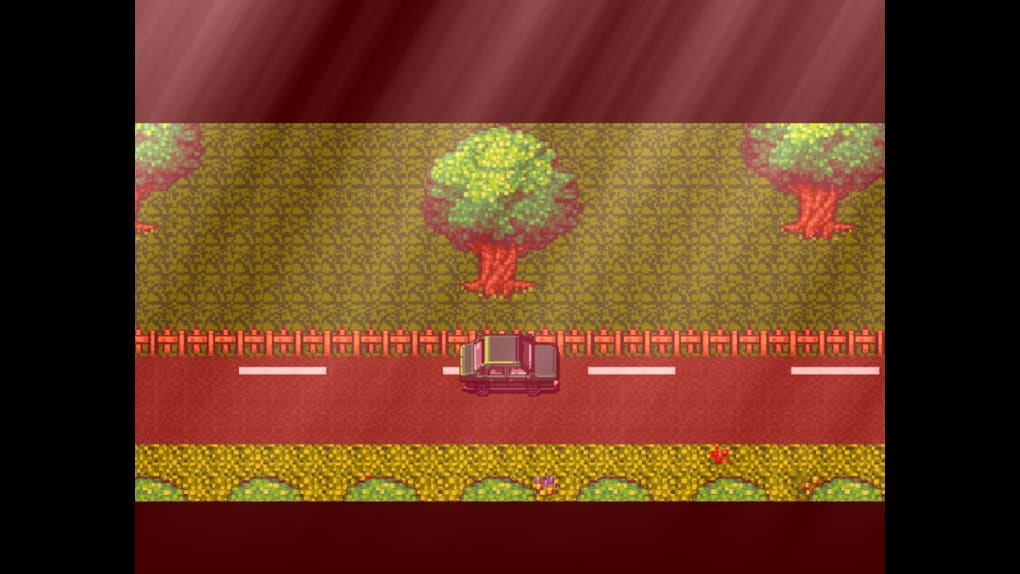
Demonophobia stands as a chilling testament to the potent power of psychological horror, woven into a unique “Guro Survival Horror” game designed for Windows. Far from a typical action-packed thriller, this title plunges players into an intensely nerve-wracking experience, focusing on the sheer terror and vulnerability of its protagonist. It’s a game that eschews traditional combat and resource management in favor of intricate puzzles, relentless pursuit, and an atmosphere so thick with dread it becomes a character in itself. For enthusiasts of the genre seeking a truly unsettling journey, Demonophobia offered a captivating, albeit disturbing, plunge into a meticulously crafted nightmare.
At its core, Demonophobia centers around Sakuri Kunikai, a seemingly ordinary 14-year-old Japanese schoolgirl. Her life takes a catastrophic turn when she inadvertently summons a host of malevolent demons through a ritual – a common trope in horror, yet rendered uniquely horrifying through the lens of her youth and helplessness. Players are tasked with guiding Sakuri through a nightmarish, twisted world, where survival is less about confrontation and more about desperate evasion and intellectual cunning. Every shadow holds a potential threat, every creak of the environment signals impending danger, and the only path forward is through a series of complex challenges designed to push both Sakuri and the player to their mental limits. The game’s distinctive art style and haunting sound design are crucial components of its eerie ambiance, amplifying the pervasive sense of fear and desperation that permeates every moment.
The Genesis of Fear: Unveiling Sakuri’s Nightmare
The story of Demonophobia begins with an unsettling premise: the destruction of innocence. Sakuri Kunikai, a young girl on the cusp of adolescence, finds her world irrevocably shattered by a single, calamitous act. The details of the ritual she performs are left intentionally vague in the description, but their consequences are profoundly explicit. This “inadvertent” summoning suggests a tragic combination of youthful curiosity, perhaps an innocent dalliance with occult lore found in books or online, and a terrifying lack of understanding regarding the forces she was tampering with. It highlights a universal fear: the unforeseen repercussions of seemingly harmless actions, especially when dealing with the unknown.
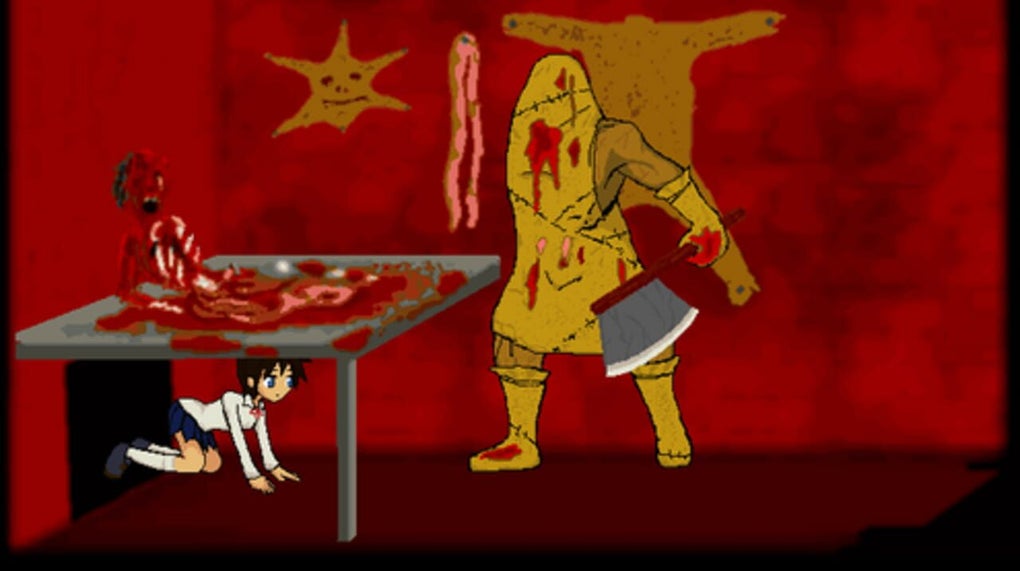
From the moment the demons are unleashed, Sakuri’s life transforms into an inescapable hell. The familiar comfort of her surroundings melts away, replaced by a grotesque, nightmarish landscape that defies logic and sanity. This immediate, jarring transition serves to disorient the player as much as it does Sakuri, pulling them both into a world where the rules of reality no longer apply. The vulnerability of a 14-year-old schoolgirl is central to the horror. Unlike typical protagonists in survival horror who might possess specialized skills, weaponry, or a hardened demeanor, Sakuri is utterly unprepared. Her youth and lack of experience amplify the sense of helplessness, making every encounter with the demonic entities a terrifying ordeal rather than a challenge to be overcome.
The narrative arc of Demonophobia isn’t one of growing strength or eventual empowerment, but rather a relentless descent into psychological torment. Sakuri’s journey is a desperate flight, a constant struggle against overwhelming odds where hope is a fleeting illusion. The game doesn’t just present external threats; it delves into the internal landscape of its protagonist, exploring the fear, despair, and potential madness that would inevitably consume someone in her position. This focus on Sakuri’s fragile psyche is what elevates the game beyond simple jump scares, embedding a deeper, more pervasive sense of dread that lingers long after a play session concludes. The initial moments of the game would undoubtedly focus on establishing this dire situation, forcing players to immediately empathize with Sakuri’s plight and the overwhelming terror she faces. Her desperate yearning for escape becomes the player’s primary motivation, fueling a relentless drive through the horrors that await.
A Desperate Journey: Gameplay Mechanics and Psychological Torture
In an era saturated with survival horror titles that often devolve into action games with horror aesthetics, Demonophobia carved its niche by deliberately subverting expectations. The game’s description explicitly states its focus on “horror elements rather than traditional survival mechanics.” This critical distinction informs its entire gameplay philosophy. Players won’t find themselves scavenging for bullets, crafting makeshift weapons, or managing inventories of healing items. Instead, survival hinges on cunning, observation, and an acute awareness of the environment, making every decision a matter of life or agonizing death.
The “Guro Survival Horror” label hints at a particularly disturbing and visceral experience, though this is primarily translated through psychological torment and grotesque visuals rather than explicit, gratuitous gore. The horror in Demonophobia is designed to be deeply unsettling, probing the darkest corners of the human psyche. Players are forced to confront not only external monstrous entities but also the internal breakdown of Sakuri herself. The game’s challenges are designed to elicit feelings of helplessness, fear, and utter desperation. The demonic creatures are not merely obstacles; they are relentless predators, often appearing suddenly, lurking in the periphery, or stalking Sakuri through the labyrinthine corridors of her nightmare. Their designs, while not explicitly detailed in the reference, would undoubtedly be grotesque and disturbing, contributing significantly to the overall atmosphere of dread. They embody the inescapable nature of Sakuri’s predicament, constantly reminding the player that escape is tenuous and temporary.
Central to Demonophobia’s gameplay are its “intricate puzzles.” These are not lighthearted brain-teasers but rather grim tests of logic and nerve, often requiring precise timing, environmental manipulation, and a deep understanding of the twisted logic of the nightmare world. These puzzles are meticulously integrated into the narrative, serving as barriers to Sakuri’s escape and forcing players to think critically while under immense pressure. Imagine a puzzle where the solution requires Sakuri to sacrifice something precious, or where a wrong move alerts a lurking demon, triggering a frantic chase sequence. The puzzles become extensions of the horror, tying directly into the tension and risk-reward dynamics that define the experience. Success is rewarded not with glory, but with a momentary reprieve from terror, a brief respite before the next wave of fear washes over.
Evasion and stealth become paramount. Since combat is not a viable option, Sakuri’s primary tools are her wits and her ability to remain undetected. This often means carefully observing enemy patrol patterns, hiding in shadows, or using environmental distractions to slip past dangers. The controls and camera angles would likely be designed to enhance this feeling of vulnerability, perhaps limiting visibility or making movement feel slightly cumbersome, mirroring Sakuri’s fear and disorientation. The constant threat of discovery, coupled with the lack of defensive capabilities, ensures that every step taken is fraught with anxiety. This sustained tension, rather than punctuated moments of action, is the true engine of Demonophobia’s terror. It’s a game about enduring, surviving by the skin of your teeth, and the overwhelming psychological toll that such an ordeal would take on a young girl.
The Architecture of Dread: Art, Sound, and Atmosphere
The power of Demonophobia’s horror is intrinsically linked to its “art style and sound design,” which are described as contributing “significantly to its eerie ambiance.” These elements are not mere backdrops but active participants in the psychological assault, meticulously crafted to amplify tension and immerse the player in Sakuri’s nightmarish reality. The visual presentation of Demonophobia would undoubtedly lean into the grotesque and distorted, moving far beyond typical horror aesthetics to embody the “Guro” aspect. While specific details aren’t provided, one can envision a world rendered in muted, desaturated colors, punctuated by stark contrasts of deep shadows and flickering, unreliable light sources. Environments might depict decay, desecration, and symbols of occult malevolence, transforming familiar domestic spaces into alien, hostile landscapes. The architecture itself could be twisted and disorienting, designed to evoke claustrophobia and a pervasive sense of being trapped. Character models, especially those of the demons, would likely be designed to be truly unsettling, perhaps combining elements of human anatomy with insectoid or otherworldly features, creating creatures that are both recognizable and profoundly wrong. Sakuri herself, fragile and often disheveled, would stand in stark contrast to the abominations surrounding her, her innocence amplifying their monstrous nature.
Equally vital to the game’s immersive horror is its “sound design.” In a game where combat is absent and evasion is key, sound becomes a primary indicator of danger and a potent tool for psychological manipulation. Demonophobia would utilize an intricate soundscape to build and maintain tension. Imagine the constant, low hum of unsettling ambient noise – distant, guttural growls; the barely perceptible scuttling of unseen creatures; the mournful creak of old wood; the drip of unseen fluids. These subtle cues create a pervasive sense of unease, making the player constantly feel observed and vulnerable. Sudden, sharp noises – a piercing shriek, a metallic clang, the rapid footsteps of a pursuing demon – would serve as effective jump scares, but more importantly, as critical auditory warnings that demand immediate reaction. The game would also likely leverage silence as a weapon, abruptly cutting off all sound to create a terrifying void, leaving the player hyper-aware of their own heartbeat and the unnerving quiet that precedes a looming threat.
The sound design would also focus on Sakuri’s own reactions. Her gasps, whimpers, heavy breathing, and rapid heartbeats (perhaps conveyed through subtle audio cues or controller vibrations) would externalize her fear, making the player feel her vulnerability on a visceral level. The combination of disturbing visuals and oppressive audio transforms the game’s world into a living, breathing entity of dread. The “eerie ambiance” isn’t just present; it’s suffocating. It infiltrates every moment, making “each moment a nerve-wracking experience.” This deliberate crafting of atmosphere is where Demonophobia truly excels, transforming passive observation into an active engagement with fear. It’s a masterclass in how environment, visual language, and auditory cues can coalesce to create a genuinely terrifying and psychologically impactful experience, ensuring that players are not just playing a game, but enduring a nightmare alongside Sakuri.
The Echoes of Fear: Demonophobia’s Legacy and Unique Appeal
Even a game that is no longer officially available, such as Demonophobia, can leave a significant mark on the horror genre, particularly within its niche. For a certain segment of horror aficionados, Demonophobia’s unique blend of “Guro Survival Horror” and relentless psychological torment solidified its place as a cult classic. Its appeal lies precisely in its willingness to venture into darker, more unsettling thematic territory than many mainstream titles, prioritizing an intense emotional and psychological experience over conventional gameplay loops.
The game’s strength, and perhaps its enduring legacy, stems from its uncompromising focus on vulnerability. By casting a 14-year-old girl as the protagonist and stripping away almost all means of active defense, Demonophobia forces players into a state of profound helplessness. This stark reality enhances the horror exponentially. Players are not empowered heroes; they are guardians of innocence caught in a living nightmare, making every narrow escape and solved puzzle feel like a monumental victory against insurmountable odds. This emphasis on pure survival through evasion and intellect, rather than combat prowess, sets it apart from many horror titles that, over time, have increasingly incorporated action elements.
Furthermore, Demonophobia’s “psychological horror and complex challenges” resonate deeply with players who crave a narrative that explores the darker facets of the human condition and the crushing weight of fear. The game doesn’t just present monsters; it delves into the trauma and mental degradation that Sakuri endures, making the player complicit in her suffering as they guide her through increasingly desperate situations. This level of psychological immersion, combined with its distinctive art style and sound design, creates a deeply memorable and often disturbing experience. It appeals to those who seek not just scares, but a profound sense of unease, dread, and a lingering sense of having witnessed something truly unsettling.
The fact that Demonophobia is no longer available, as noted by PhanMemFree (formerly Softonic), due to reasons such as discontinuation or security issues, only adds to its mystique. Such circumstances often elevate games to a legendary status among their dedicated fanbase, fostering discussions and a desire to experience the lost artifact. Its unavailability ensures that its reputation is maintained through word-of-mouth and retrospective analysis, solidifying its place as a significant, albeit niche, entry in the pantheon of truly disturbing horror games. It remains a powerful example of how a game can achieve profound horror through atmosphere, vulnerability, and intelligent design, proving that the most terrifying monsters are not always those that can be defeated with a weapon, but those that relentlessly pursue and systematically dismantle one’s sanity. For those who appreciate the raw, unadulterated essence of terror, Demonophobia continues to cast a long, chilling shadow over the genre.
File Information
- License: “Full”
- Latest update: “March 11, 2025”
- Platform: “Windows”
- OS: “Windows 11”
- Downloads: “12”