
Desura, a digital distribution platform for video games, once offered a compelling alternative to giants like Steam. While its popularity has waned in recent years, understanding its history and features provides valuable insight into the evolution of online game distribution. This article delves into the functionalities of Desura, examining its strengths, weaknesses, and ultimate place within the gaming landscape.
Desura’s Core Functionalities: A Closer Look
Desura functioned as a comprehensive platform for gamers and developers alike. Its primary purpose was to provide a centralized location for discovering, downloading, purchasing, and playing video games. While not boasting the extensive library of AAA titles found on Steam, Desura carved a niche by focusing on several key areas:
-
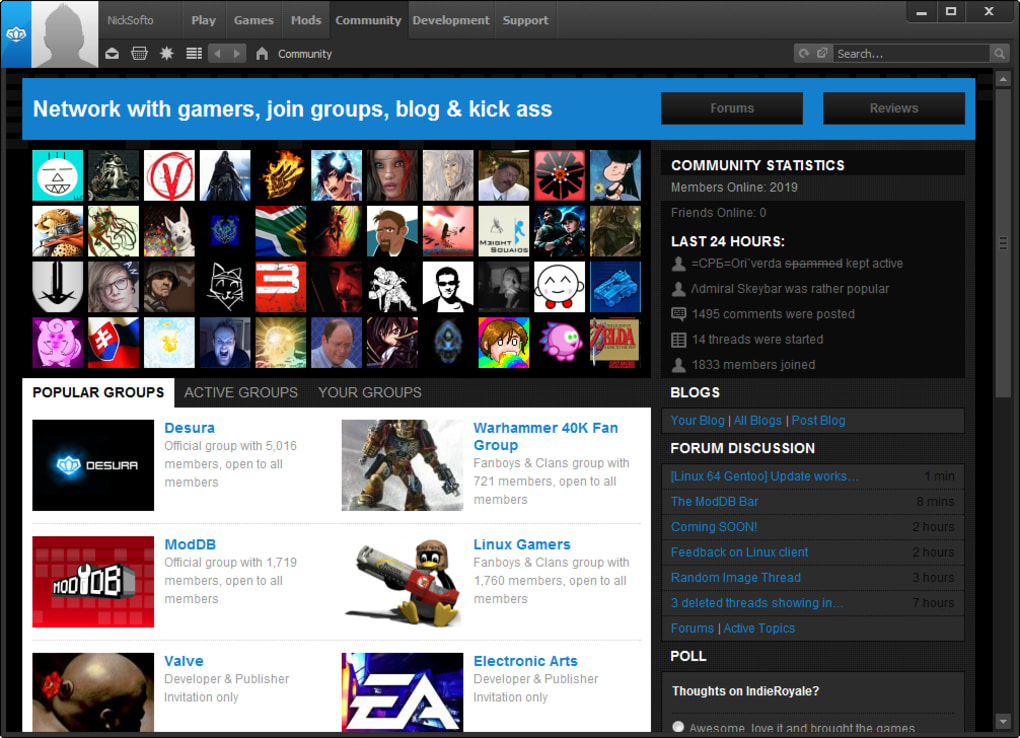
Game Distribution: Desura offered a diverse catalog of games, ranging from indie titles to free-to-play experiences and modifications (“mods”) for popular games such as Half-Life and Command & Conquer: Red Alert. This eclectic mix appealed to players seeking unique and less mainstream gaming options. The platform facilitated both free downloads and paid purchases, allowing developers various monetization strategies.
-
Mod Support: A defining characteristic of Desura was its strong emphasis on user-created modifications. This fostered a vibrant community around game enhancement and customization. The ease with which users could find, download, and integrate mods significantly contributed to the platform’s appeal for players seeking to extend the lifespan and replayability of their favorite games.
-
Developer Tools and Hosting: Desura wasn’t just a platform for gamers; it also provided essential tools and resources for independent game developers. The platform offered hosting services, allowing developers to easily distribute their creations, reach a wider audience, and manage their game releases. This aspect contributed to fostering the growth of the indie game development scene.
-
Community Features: A robust forum served as a central hub for the Desura community. Gamers could connect with each other, share tips, discuss games, provide feedback to developers, and participate in various community-driven initiatives. This emphasis on community interaction created a sense of belonging and fostered a supportive environment for both players and creators.
Desura’s Strengths and Weaknesses: A Balanced Perspective
Desura possessed several commendable aspects, but also faced limitations that ultimately hindered its growth and longevity.
Desura’s Strengths:
-
Ease of Use: The platform boasted an intuitive interface, simplifying the process of browsing games, making purchases, and managing downloads. This user-friendly design made Desura accessible to both seasoned gamers and newcomers alike.
-
Diverse Game Selection (Niche Focus): While lacking major blockbuster titles, Desura offered a curated collection of indie games, mods, and lesser-known gems. This allowed players to discover unique gaming experiences not readily available on larger platforms. This niche approach appealed to a segment of the gaming community seeking alternatives to mainstream offerings.
-
Developer Support: Desura’s commitment to supporting independent game developers helped nurture the creation and distribution of innovative and creative titles. This fostered a supportive environment that encouraged experimentation and the emergence of fresh gaming concepts.
-
Strong Community Engagement: The active forum and community features created a supportive environment where gamers could interact with each other and developers. This fostered a sense of camaraderie and facilitated the exchange of information, tips, and feedback.
Desura’s Weaknesses:
-
Lack of Major Titles: Desura’s most significant drawback was its limited selection of high-profile, AAA games. The absence of major titles from established publishers hindered its ability to compete directly with larger platforms like Steam, which boasted extensive catalogs of popular games.
-
Limited Market Share: Compared to its competitors, Desura held a relatively small market share. This smaller user base might have limited the visibility of games offered on the platform and reduced the overall discoverability of both indie and established titles.
-
Potential for Security Concerns (Historically): While the original Desura aimed for security, as with any platform dealing with digital downloads and transactions, there’s always a potential vulnerability. It’s crucial to note that the security of any platform should be independently verified before usage.
-
Ultimately Discontinued: Desura, in its original form, is no longer operational. This signifies a significant limitation—the platform’s services are not currently available, thus rendering the analysis of its features and functions a retrospective study.
Comparing Desura to Steam: A Comparative Analysis
Desura often drew comparisons to Steam, the dominant force in the PC gaming market. While both platforms offered digital game distribution, they differed significantly in their scope, target audience, and overall approach.
Steam’s massive library of games, encompassing AAA titles, indie releases, and early access experiences, presented a stark contrast to Desura’s more focused selection. Steam’s extensive community features, including friend lists, achievements, and integrated social networking, also surpassed Desura’s offerings.
However, Desura’s emphasis on mods and its supportive environment for indie developers represented a unique niche within the gaming landscape. This targeted approach fostered a dedicated community that appreciated the platform’s focus on less mainstream titles and its commitment to supporting independent game development.
In summary, while Steam catered to a broader audience with its massive selection and comprehensive features, Desura offered a more focused experience geared toward players seeking unique, indie games, and mods. This distinct approach, while successful for a time, ultimately couldn’t compete with the overwhelming dominance of Steam in the market.
The Legacy of Desura: A Lasting Impact?
Despite its eventual closure, Desura’s impact on the gaming landscape shouldn’t be overlooked. The platform played a role in fostering independent game development, providing a distribution channel for numerous indie titles and mods that might not have otherwise reached a wider audience. Its dedicated community also demonstrated the value of collaborative spaces for gamers and developers alike.
While Desura may no longer exist as a functioning platform, its contributions to the history of digital game distribution and its influence on the indie game development scene remain noteworthy. The lessons learned from its successes and challenges continue to shape the evolving landscape of online gaming. The emphasis on community, niche offerings, and support for indie developers remains relevant in today’s crowded market. Desura serves as a reminder that even smaller platforms can make a significant contribution, albeit temporarily, to the gaming ecosystem.
The story of Desura ultimately highlights the competitive nature of the digital game distribution market and the challenges faced by smaller platforms in competing with established giants. However, it also shows the enduring importance of community, niche appeal, and a dedicated focus on fostering the development of unique gaming experiences.
File Information
- License: “Free”
- Latest update: “April 10, 2024”
- Platform: “Windows”
- OS: “Windows 8”
- Language: “English”
- Downloads: “23.4K”
- Size: “1.25 MB”


