
The world of digital monsters has long captivated audiences with its unique blend of adventure, evolution, and intense battles. From the beloved animated television series to various video game adaptations, the Digimon franchise has cultivated a passionate global fanbase. Among its many iterations, the collectible card game (CCG) format has consistently offered a strategic and engaging way for fans to interact with their favorite Digimon. Bandai has once again tapped into this rich legacy with its latest digital offering: the Digimon Card Game. This free-to-play online competitive trading card game serves as a modern evolution of past Digimon card experiences, such as the Digimon Digi-Battle Card game and Digimon Rumble Arena, providing both seasoned veterans and new recruits a platform to test their tactical prowess, build formidable decks, and compete against players from across the globe.
Initially launched in Japanese, the Digimon Card Game quickly expanded its reach, becoming available in multiple international languages, including English and Portuguese. This strategic decision by Bandai underscores its commitment to fostering a truly global community around the game. More than just a digital adaptation, the game aims to bridge generations of Digimon enthusiasts, from adults who grew up with the original series to teenagers and pre-teens discovering the Digital World for the first time. It provides an accessible entry point for newcomers while offering the strategic depth that long-time fans expect from a competitive CCG. Developed by ABitNerd, this digital incarnation is not only a fantastic way to learn the game’s intricate rules but also a vibrant arena for intense, real-time competitions, ensuring the spirit of Digimon battles continues to thrive in the digital age.
The Evolution of Digital Monster Battles
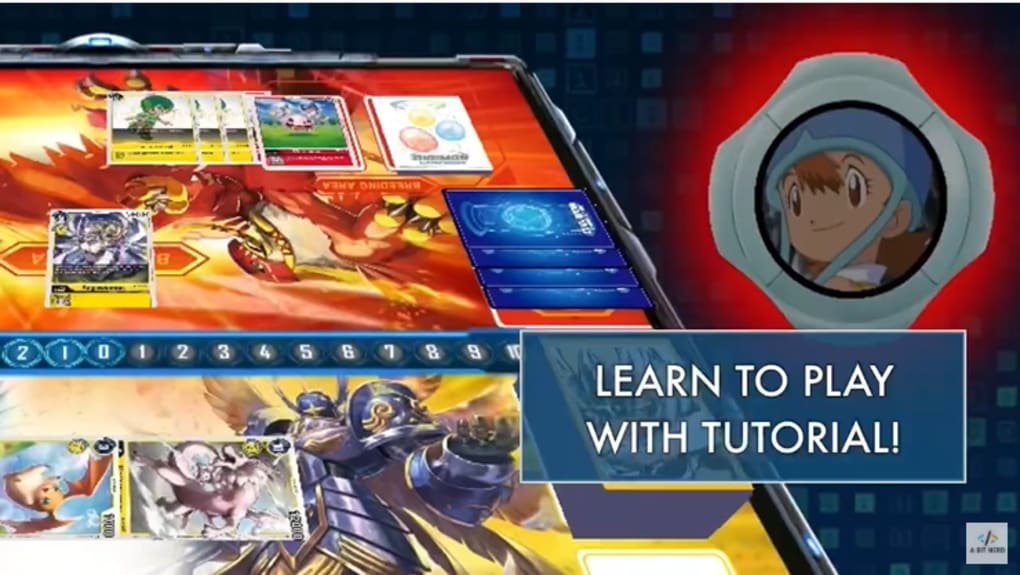
The journey of Digimon in the realm of card games is a rich tapestry, evolving significantly over the years. Before the current iteration, fans engaged with titles like the Digimon Digi-Battle Card game and even found collectible card game elements within broader competitive experiences like Digimon Rumble Arena. These earlier versions laid the groundwork, introducing players to the concept of building a team of Digital Monsters, utilizing their unique abilities, and evolving them into more powerful forms to achieve victory. The modern Digimon Card Game, developed by ABitNerd, stands as Bandai’s refined and enhanced successor, taking the core tenets of its predecessors and adapting them for a contemporary online competitive environment.
This latest free online CCG is more than just a nostalgic trip; it’s a carefully crafted platform designed to serve multiple purposes within the Digimon ecosystem. For new players, it acts as an invaluable educational tool, demystifying the often complex rulesets inherent in trading card games. The digital interface streamlines gameplay, handles rule enforcement, and provides visual cues that aid in understanding the flow of a match. This accessibility is crucial for attracting a broader audience, ensuring that the barrier to entry for a strategic card game remains low. For veterans, it offers a convenient and dynamic space to test new deck builds, refine strategies, and stay engaged with the ever-evolving meta of the game. The ability to quickly iterate on deck ideas without the physical constraints of card acquisition or travel to local game stores enhances the competitive experience significantly.
The global availability of the Digimon Card Game in multiple languages—including Japanese, English, and Portuguese—is a testament to Bandai’s vision for the franchise. This multilingual support not only broadens its player base but also cultivates a diverse and interconnected global community. Players from different regions can now directly compete and interact, transcending geographical boundaries. The competitive landscape for the physical version of the Digimon Card Game has seen a similar expansion, with well-established local and international competitions, readily available booster packs, luxury merchandise, and exclusive pieces. The digital game naturally complements this, offering a consistent and convenient avenue for players to engage with the game, whether they are preparing for a major tournament or simply enjoying casual matches with friends.
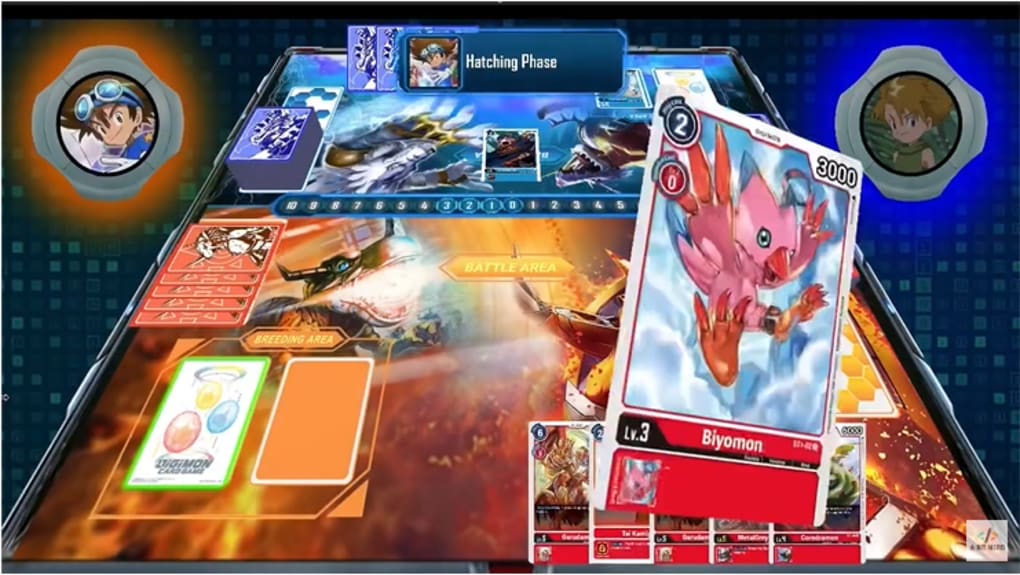
The overarching goal of this digital application is to encourage intergenerational play. Digimon has spanned decades, meaning that today’s adult fans, who grew up with the original anime and games, can now introduce their children or younger relatives to the franchise through a shared passion for the card game. The app becomes a conduit for long-time fans to educate others about Digimon cards, their mechanics, and the thrill of collecting and exchanging them. This blend of nostalgia and innovation ensures that the spirit of the Digital World continues to resonate with successive generations, solidifying the Digimon Card Game’s place as a cornerstone of the franchise’s ongoing legacy. The game, available on Windows and other platforms like Mac, Android, and Web Apps, ensures broad accessibility, further cementing its role as a central hub for Digimon card game enthusiasts.
Core Gameplay Mechanics and Strategic Depth
At the heart of any compelling trading card game lies a robust set of mechanics that offer both depth and strategic variety. The Digimon Card Game, while incorporating elements familiar to seasoned TCG players, introduces its own distinct features that define its unique rhythm and strategic landscape. One of the most talked-about mechanics, and a central pillar of its gameplay, is the Chrono Clash gauge. This innovative system dictates the flow of turns and resource management, setting it apart from many other card games.
The Chrono Clash gauge begins each game at 0. This starting point is crucial, as it provides players with immediate flexibility: they can choose to lower any card they possess without an initial cost. As the game progresses, the gauge fluctuates. When a player discards a card that causes the gauge to rise above zero, it signals a shift in momentum. It then becomes the opponent’s turn, who must also drop a card starting from zero, and then deduct the “overlapping expense” of the last card played by their predecessor. This dynamic interaction creates a push-and-pull effect, forcing players to carefully consider not only the immediate impact of their card plays but also the resource implications for their opponent on the subsequent turn. Mastering the Chrono Clash gauge is essential for controlling the tempo of a match, allowing players to either build a dominant board presence or disrupt their opponent’s strategy effectively.
Beyond the Chrono Clash gauge, the Digimon Card Game incorporates a compensation scheme that will feel intuitively familiar to players acquainted with the Pokémon Trading Card Game Online. At the start of a campaign, five “security” cards are set aside, forming a crucial defensive barrier. These cards act as your life points, but with a twist: whenever your robotic beast, or Digimon, successfully attacks and hits your enemy, their security cards will decrease. Conversely, when your Digimon is attacked and your security cards are hit, you reveal one of these cards. Some security cards have special “Security Effects” that can activate upon being revealed, potentially turning the tide of battle, providing a defensive boost, or even attacking back. This system adds an element of unpredictability and strategic bluffing, as players must weigh the risks and rewards of attacking into unknown security.
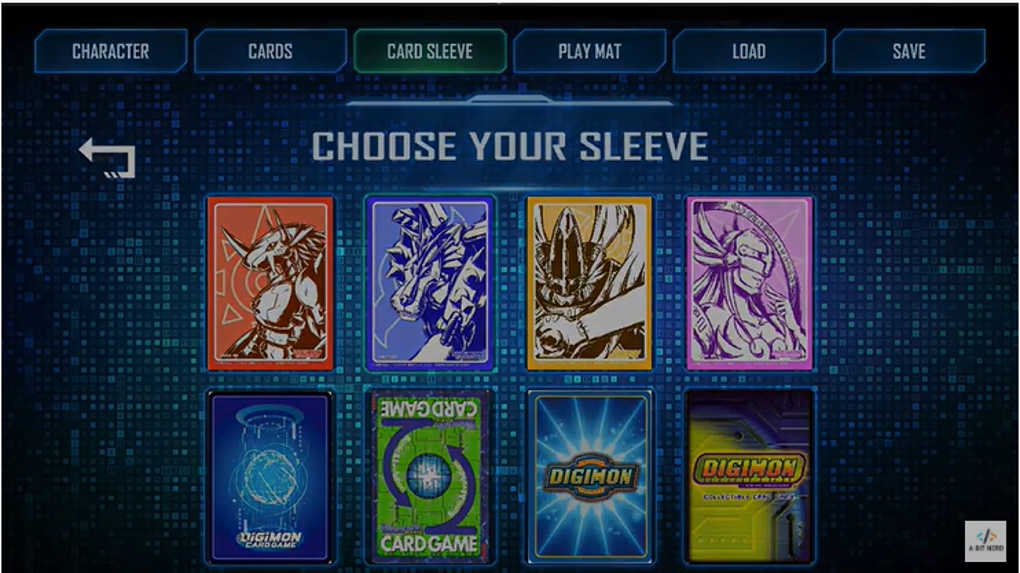
Offensive power in the Digimon Card Game is primarily driven by your Digimon’s strength, measured in Digi-Power (DP), and the iconic Digivolve mechanic. Players can develop their Digimon by evolving them into higher-level forms, which typically grants them increased DP and new abilities. This process often involves playing a Digimon on top of an existing one, usually for a specific Memory cost. The higher the DP of your Digimon, the more damage it can inflict, making Digivolution a central strategic element for overwhelming the opposing player. Carefully managing your Digimon’s evolution line and timing your Digivolves is key to building a strong offense and breaking through your opponent’s defenses.
The power system, particularly how Digimon interact in battle based on their DP, also shares similarities with another popular trading card game, CardFight! Vanguard. In both games, combat often revolves around comparing power levels, with higher power usually leading to victory in individual skirmishes. This familiarity can be a double-edged sword: while it makes the game easier for TCG veterans to pick up, the absence of entirely novel game mechanics has been noted by some as a potential limitation. While the core gameplay is robust and engaging, the game might not offer the same level of unique strategic innovation as some more original titles in the genre. This could, for some players, slightly temper the replayability compared to games that constantly introduce radically new concepts. However, for fans of the Digimon universe and those who appreciate refined, classic CCG mechanics, the game provides a solid and enjoyable competitive experience.
Building Decks and Competing Globally
The Digimon Card Game is meticulously designed to appeal to a broad spectrum of players, from those who have followed the Digital Monsters since their inception to individuals just discovering the franchise. This inclusivity is a cornerstone of its appeal, fostering a vibrant and active community. Both new and current Digimon fans can seamlessly dive into the game, leveraging its intuitive online platform to explore different strategies, build powerful decks, and engage in competitive battles against opponents from every corner of the world.
One of the primary benefits of an online competitive card game is the unparalleled accessibility it offers for deck testing and refinement. Players can experiment with various card combinations, identify synergies, and optimize their strategies without the logistical hurdles of physical card acquisition or the time constraints of in-person meetups. This iterative process of building, testing, and refining decks is crucial for competitive play, allowing players to adapt to the evolving meta and develop innovative approaches. The digital environment accelerates this learning curve, making it easier for players to become proficient and competitive.
The concept of taking several generations of Digimon players into one app is a brilliant move by Bandai. This approach ensures that the game’s servers are never scarce, guaranteeing a healthy and active player base at all times. Whether you’re a long-time fan seeking to reconnect with friends who share your passion, or a new player looking to challenge family members, the Digimon Card Game provides a robust online infrastructure for such connections. This community aspect is vital for the longevity of any online game, as it fosters engagement, encourages healthy competition, and builds a sense of belonging among players. The game becomes a shared space where memories are made, rivalries are forged, and the love for Digimon is celebrated collectively.
Beyond the digital arena, the physical Digimon Card Game thrives with a growing ecosystem of well-distributed booster packs, luxury merchandise, and exclusive promotional pieces. While the digital game primarily focuses on the card-playing experience, the broader context of collecting and the allure of rare items within the franchise contribute to the overall excitement. The digital game often mirrors the release schedule of physical sets, introducing new cards and mechanics that keep the gameplay fresh and exciting. This symbiotic relationship between the physical and digital versions ensures that the entire Digimon Card Game ecosystem remains dynamic and engaging.
Furthermore, the game’s availability on multiple platforms significantly enhances its reach and convenience. Developed by ABitNerd, the Digimon Card Game is available for Windows, but also extends its presence to Mac, Android, and Web Apps. This multi-platform support means players can enjoy the game on their preferred device, whether it’s a desktop computer at home, a laptop on the go, or a mobile device during a commute. This flexibility eliminates barriers to participation, allowing players to seamlessly transition between devices and ensuring that the thrill of Digimon card battles is always within reach. The comprehensive nature of its distribution and community-centric design truly positions the Digimon Card Game as a unifying force for all Digimon enthusiasts.
Strengths, Limitations, and Future Potential
Like any digital game, the Digimon Card Game presents a unique blend of strengths that contribute to its appeal and certain limitations that offer areas for future growth. Understanding these aspects provides a balanced perspective on its current standing and potential trajectory within the competitive card game landscape.
Advantages: Real-Time Competitive Play, Rules Adherence, and Language Support
The game’s primary strength lies in its ability to offer real-time Digimon competitions. This live, head-to-head format injects an immediate thrill and strategic depth that asynchronous play cannot replicate. Players must think on their feet, react to their opponent’s moves, and execute complex strategies under pressure, mimicking the intense experience of physical card game tournaments. This competitive environment is a major draw for players seeking to test their skills and climb leaderboards.
Furthermore, the Digimon Card Game meticulously follows Digimon CCG rules. This faithful adaptation is crucial for maintaining integrity with the physical game, ensuring that strategies and deck builds translate seamlessly between the two formats. This consistency is a significant advantage for established players, as their existing knowledge and card collections (if they play physically) remain relevant. It also ensures that the game adheres to the established lore and mechanics that fans have come to love, reinforcing the authenticity of the experience.
Finally, its availability in multiple international languages is a substantial benefit. This inclusive approach not only expands the player base but also cultivates a truly global community, allowing players from diverse linguistic backgrounds to engage with the game without a language barrier. This fosters cultural exchange and strengthens the overall fabric of the Digimon Card Game community, making it accessible to a wider demographic than many single-language titles.
Areas for Improvement: Novel Mechanics and Replayability
Despite its strengths, the Digimon Card Game faces certain challenges, most notably its perceived lack of new, exciting game mechanics. As observed by some players and reviewers, the game’s core power system and combat resolution bear similarities to titles like CardFight! Vanguard, and its security card system draws parallels with Pokémon Trading Card Game Online. While these resemblances make the game easier to learn for TCG veterans, they also mean that the Digimon Card Game doesn’t always introduce truly groundbreaking gameplay innovations. For players constantly seeking novel experiences and fresh strategic puzzles, this might lead to a feeling of familiarity rather than discovery.
This absence of entirely unique mechanics can, for some, impact the replayability of the game compared to more original titles. While the Digimon IP and its evolving card sets provide ongoing content, the fundamental interaction loop might not evolve as dramatically as games that consistently introduce revolutionary systems. However, it’s important to note that “replayability” is subjective, and many players find immense satisfaction in mastering a well-designed, consistent ruleset. For those deeply invested in the Digimon universe and the specific strategies it offers, the existing mechanics provide ample depth to explore.
Community and Longevity: A Strong Foundation
The future potential of the Digimon Card Game is largely anchored in its dedicated fanbase and Bandai’s ongoing commitment to the franchise. The game has already cultivated a robust community, bolstered by its free-to-play model and cross-generational appeal. The constant influx of new card sets, mirroring the physical game, ensures a dynamic meta that encourages continuous deck innovation and strategic adaptation. While an injection of truly novel digital-exclusive mechanics could further differentiate the online experience, the current solid foundation provides a stable platform for growth.
The developer, ABitNerd, along with Bandai, has the opportunity to introduce digital-specific events, formats, or even unique cards that could capitalize on the online medium. This could address the perceived lack of novelty and provide compelling reasons for players to continue engaging with the digital version alongside or instead of the physical game. With its current status as a free, accessible, and community-driven title, the Digimon Card Game is well-positioned to maintain its relevance and continue to expand its global footprint, enriching the overall Digimon experience for fans worldwide.
In conclusion, the Digimon Card Game represents a thoughtful and accessible entry into the competitive trading card game genre for the beloved Digimon franchise. By providing a free, multilingual, and multi-platform online experience, Bandai and ABitNerd have created a dynamic space for players of all ages and experience levels to engage with their favorite Digital Monsters. While it leverages familiar mechanics from other popular TCGs, which can be seen as both a strength for accessibility and a minor limitation for innovation, its faithful adaptation of the Digimon CCG rules and vibrant community ensure its place as a significant component of the Digital World’s enduring legacy. As the game continues to evolve with new card releases and potential digital-exclusive content, it promises to remain a thrilling arena for strategic battles and cherished Digimon adventures for years to come.
File Information
- License: “Free”
- Version: “1.0”
- Latest update: “January 31, 2023”
- Platform: “Windows”
- OS: “Windows 7”
- Language: “English”
- Downloads: “8.8K”
- Size: “28.10 MB”


