
Embark on an enthralling journey back to an era dominated by colossal beasts and the raw instinct for survival with DinoTribe, a distinctive strategy game available for Windows users on PhanMemFree.org. This single-player title, developed by T Marton, invites players to step into the prehistoric world, taking on the monumental task of leading a burgeoning tribe of dinosaurs. Your ultimate mission: to cultivate, expand, and safeguard your species against the myriad threats of a bygone age, all while navigating the emotional and physical demands of your scaly companions. Blending retro pixel-style graphics with intricate turn-based tactical combat, DinoTribe offers a nostalgic yet challenging experience, positioning players as the architect of their tribe’s destiny, tasked with preventing their untimely extinction.
The Primeval Call to Strategy: Unraveling DinoTribe’s Core Gameplay
DinoTribe carves out a unique niche within the strategy game genre, drawing players into a world where every decision carries the weight of survival. It’s a game that, at its heart, asks you to think ahead, manage resources, and adapt to an ever-hostile environment, all through a lens of charmingly retro aesthetics.
A Glimpse into the Past: 2D Pixel Art and Turn-Based Combat
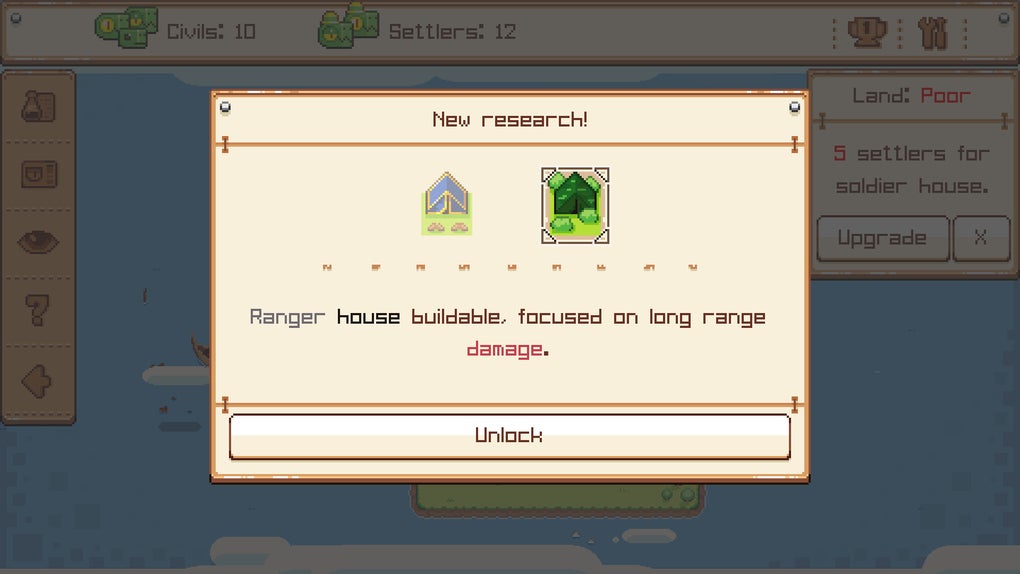
At first glance, DinoTribe immediately distinguishes itself with its simple yet effective 2D pixel-style graphics. This artistic choice is not merely aesthetic; it’s a deliberate nod to the “retro vibe” of iconic gaming eras, providing a comfortable familiarity for seasoned gamers and a unique visual charm for new players. The pixel art evokes a sense of nostalgia, reminiscent of classic “Arcade” titles and early “Strategy” games that prioritized clear gameplay mechanics over hyper-realistic visuals. This choice allows the game to focus on its strategic depth, ensuring that visual complexity doesn’t overshadow tactical engagement.
Complementing its visual style is DinoTribe’s turn-based gameplay. This fundamental mechanic dictates the pace of engagement, transforming chaotic skirmishes into measured exchanges where careful planning is paramount. In a turn-based system, players are given ample time to assess the battlefield, consider their options, and execute moves without the pressure of real-time reactions. This makes DinoTribe accessible to a wide audience, from casual players seeking a relaxed strategic challenge to those who appreciate the cerebral demands of tactical combat. Each turn becomes a mini-puzzle, requiring players to position their dinosaurs strategically, utilize their unique abilities effectively, and anticipate the movements and attacks of their “endless throngs of mobs” opponents. It’s a system that thrives on forethought, offering a deeply satisfying experience when a well-executed plan leads to victory against overwhelming odds.
Leading the Tribe: Cultivation, Survival, and Expansion
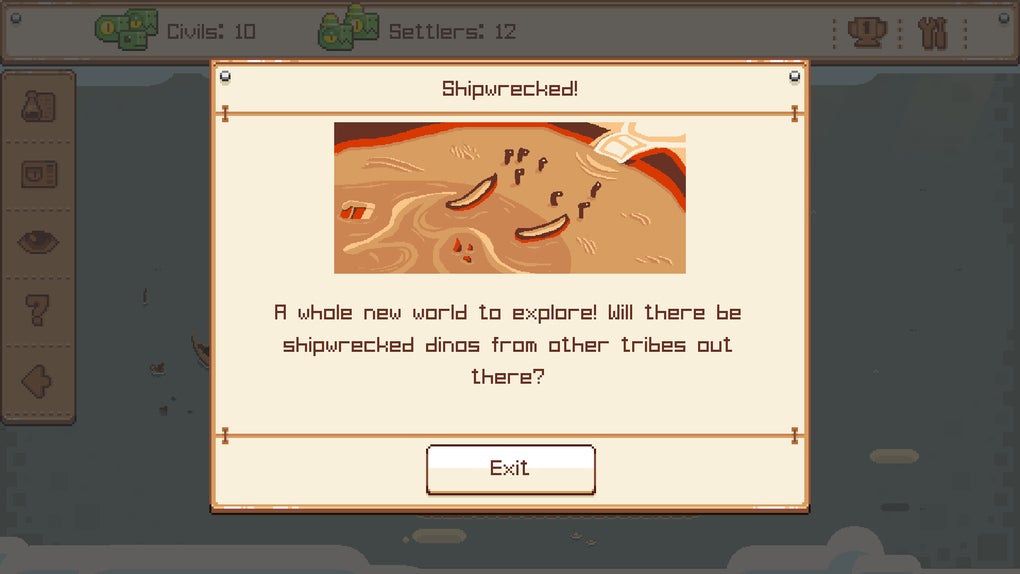
Central to DinoTribe’s narrative and gameplay is the creation of a “chief dino” – your avatar and the undisputed leader of your prehistoric clan. This chief is not just a figurehead; they are the strategic mind guiding the tribe through perilous adventures and ensuring its proliferation. The core objective transcends mere individual survival; it’s about preventing the extinction of an entire species. This ambitious goal is achieved through consistent “multiplying the dinosaurs for cultivation and prosperity,” transforming the game into a captivating “Simulation” experience where population management and genetic vitality are as crucial as battlefield prowess.
The journey of your tribe unfolds across “various islands for their dwelling,” each presenting new opportunities and formidable challenges. This exploration forms a significant “Adventure” component of the game, encouraging players to discover new territories, exploit untapped resources, and establish new settlements. However, these lands are far from uninhabited. Your path is constantly obstructed by “hordes of opponents” and “waves of enemies,” forcing your tribe to engage in frequent “Action”-oriented combat sequences. To overcome these threats, players must carefully “equip your tribe’s talents with your preferred skills.” This “Role Playing” element allows for customization and specialization, enabling you to tailor your dinosaurs’ abilities to suit different combat scenarios and strategic approaches. Whether it’s augmenting defensive capabilities, enhancing offensive power, or boosting tribal support skills, the choices you make in skill allocation directly impact your tribe’s ability to survive and thrive.
The Intricacies of Dino Management: Needs and Nurturing
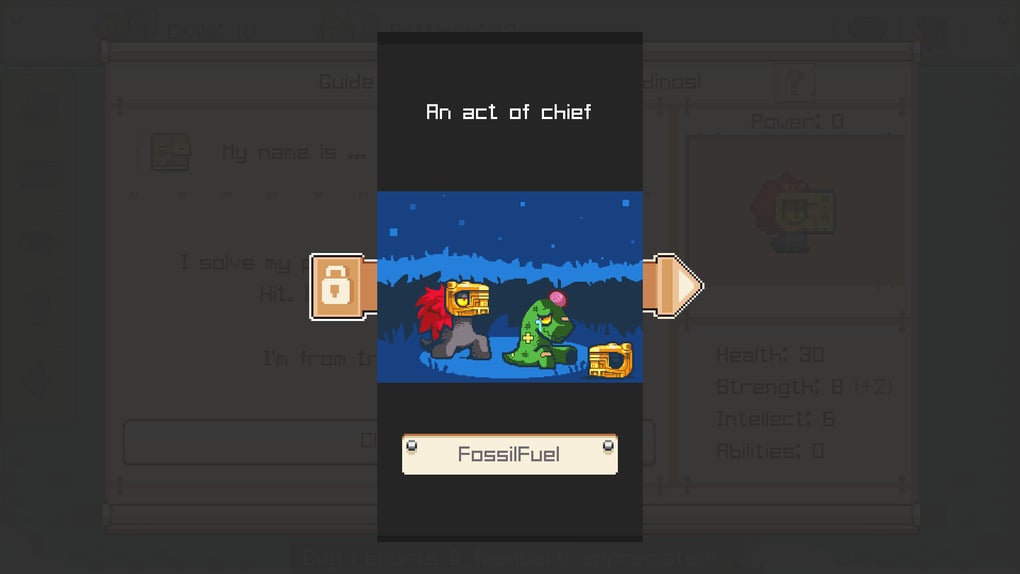
Beyond the thrill of combat and the imperative of expansion, DinoTribe introduces a layer of realism and depth by acknowledging that “dinosaurs have emotional and physical needs as well, all of which must be met.” This particular mechanic elevates the game from a purely combat-centric strategy title to one that incorporates elements of “Simulation” and resource management. While the game’s description suggests that “there is little about this that stimulates the interest of its users to keep them playing,” the concept itself holds significant potential for player engagement.
The idea that your prehistoric charges aren’t just faceless units but creatures with intrinsic requirements adds a compelling dimension to leadership. Fulfilling these needs could manifest in various ways within the game. Physically, dinosaurs would require sustenance – hunting for food, ensuring access to water, and finding safe havens to rest and recuperate. Emotionally, it might involve maintaining morale within the tribe, ensuring social cohesion, or even addressing individual dinosaur temperaments. A happy, well-fed, and secure tribe would likely perform better in combat, reproduce more efficiently, and be less prone to desertion or internal strife. Conversely, neglecting these needs could lead to discontent, illness, reduced combat effectiveness, and a slower rate of population growth, ultimately jeopardizing the tribe’s survival.
While the current implementation might not fully capitalize on the depth these mechanics could offer, the premise lays a foundation for a truly immersive experience. Imagine having to balance aggressive expansion with the need to establish sustainable food sources, or pausing an offensive campaign to deal with a tribal dispute affecting morale. Such complexities would transform simple resource gathering into a critical strategic consideration, intertwining the “Family” and “Health & Fitness” aspects (from the broader context of PhanMemFree.org’s categories) into the very fabric of prehistoric survival. The interplay between strategic combat, tribal expansion, and the nuanced management of dinosaur well-being offers a rich tapestry of gameplay that, with further development, could become a hallmark of DinoTribe’s unique appeal.
Design Philosophy and Player Engagement: A Dual Perspective
DinoTribe stands as a testament to the enduring appeal of certain gaming design choices while also highlighting areas where player engagement can be further cultivated. Its deliberate simplicity in presentation belies a strategic core, yet it grapples with the challenge of sustained player interest.
The Allure of Retro Aesthetics
The list of pros for DinoTribe prominently features “Pixel-style graphics,” “Turn-based gameplay,” and “Single player.” These elements are not incidental; they are foundational to the game’s identity and contribute significantly to its initial appeal. The choice of pixel art, as previously discussed, resonates deeply with a segment of the gaming community that cherishes the golden age of video games. It speaks to a preference for imaginative interpretation over photographic realism, allowing players to fill in the visual details with their own minds, fostering a more personal connection to the game world. This aesthetic choice ensures that DinoTribe remains accessible on various systems, including older Windows 10 configurations, without demanding cutting-edge hardware, thereby broadening its potential player base.
The turn-based gameplay, a cornerstone of classic “Strategy” and “Role Playing” games, provides a methodical and thoughtful gaming experience. It eliminates the need for twitch reflexes, instead rewarding tactical acumen, foresight, and careful planning. This design choice makes DinoTribe an ideal game for players who enjoy pondering their moves, developing elaborate strategies, and executing them with precision. It offers a meditative quality often missing in faster-paced genres. Furthermore, the “Single player” focus ensures that the entire experience is tailored around the individual player’s journey. There are no external pressures from other players, no competitive leaderboards to chase, just the personal satisfaction of guiding your dino tribe from precarious beginnings to thriving prosperity. This singular focus allows players to immerse themselves fully in the narrative of survival and expansion, fostering a deep sense of responsibility for their virtual creatures.
The Double-Edged Sword of Simplicity: Engagement Challenges
Despite its charming aesthetics and solid strategic foundation, DinoTribe faces a critical challenge articulated in its primary con: “Becomes uninteresting after a while.” This feedback is vital, suggesting that while the initial premise and mechanics are engaging, the game struggles to maintain player interest over the long term. The simplicity that makes it initially accessible might, paradoxically, contribute to its eventual repetitiveness if not adequately balanced with evolving complexity and varied content.
Several factors could contribute to this waning interest. The “little about this that stimulates the interest of its users to keep them playing” regarding the emotional and physical needs of dinosaurs points to a missed opportunity. If these needs are either too simplistic, easily met without strategic thought, or have negligible impact on gameplay outcomes, they cease to be engaging mechanics. Players crave depth and consequence; if meeting a dino’s needs feels like a perfunctory chore rather than a meaningful strategic layer, it can quickly lead to disengagement.
Furthermore, the “waves of enemies” and “hordes of opponents” could become monotonous if the enemy types, combat scenarios, and strategic requirements don’t evolve significantly. A lack of varied challenges, unexpected events, or a compelling overarching narrative that keeps players invested in the future of their tribe can lead to a sense of “grinding” rather than genuine progression. The allure of settling on “different islands” might also diminish if these islands feel procedurally generated without unique challenges, lore, or strategic advantages that fundamentally alter gameplay. For a strategy game to maintain engagement, it often needs to introduce new mechanics, unlock advanced abilities, or present moral dilemmas that force players to adapt and reconsider their established strategies. Without such evolving elements, the initial excitement of guiding a dino tribe through exciting adventures can eventually give way to a sense of repetition, leaving players with the feeling that the “potential to be entertaining” has not been fully realized.
DinoTribe in the Broader Gaming Ecosystem: Category and Context
Understanding DinoTribe’s position within the vast landscape of digital entertainment requires examining its technical specifications, availability, and the competitive environment it inhabits on platforms like PhanMemFree.org.
Placing DinoTribe on PhanMemFree.org
DinoTribe finds its digital home firmly categorized under “Windows” within the “Games” section, specifically nesting under the “Strategy” genre on PhanMemFree.org. This classification is fitting, aligning perfectly with its core mechanics of resource management, tactical combat, and long-term planning. As a “Paid” title, DinoTribe operates on a full license model, indicating that once purchased, players gain access to the “Full Version” without further in-game purchases or subscriptions, a transparency often appreciated by gamers wary of microtransactions.
The “Latest update: August 23, 2024” suggests that the developer, T Marton, is actively maintaining and potentially improving the game, even if the primary description hints at areas needing enhancement. For a game aiming to overcome early player disinterest, regular updates addressing feedback and introducing new content are crucial. With a modest “Downloads 29” recorded on PhanMemFree.org, DinoTribe currently sits as a niche title, indicating a smaller, perhaps dedicated, player base. This low download count, however, also suggests untapped potential for broader appeal if the game’s engaging elements are amplified and its challenges are addressed. The “Security Status” noted as “varies-with-devices” is a standard disclaimer, emphasizing the need for users to ensure their system’s compatibility and security settings.
A Multilingual Approach to Primeval Preservation
One of DinoTribe’s commendable attributes is its commitment to global accessibility, exemplified by its “Available languages.” While the primary article is “In English,” the game supports a comprehensive list of languages including Chinese, French, Spanish, German, Japanese, Korean, Dutch, Polish, Portuguese, Russian, Swedish, Thai, Turkish, Vietnamese, and Arabic. This extensive localization strategy, which aligns with PhanMemFree.org’s own multilingual platform (“Change language” options), is a significant asset.
By offering the game in numerous languages, T Marton demonstrates an understanding of the diverse global gaming community. This commitment not only broadens the game’s potential market reach but also enhances the immersion for non-English speaking players, allowing them to engage with the narrative, tactical instructions, and dinosaur needs in their native tongue. This multilingual support can play a crucial role in cultivating a global fan base, encouraging adoption in different regions, and ultimately contributing to the game’s long-term viability and growth, regardless of its current download figures.
Strategy Games on PhanMemFree.org: A Competitive Landscape
DinoTribe enters a vibrant and competitive arena within the “Strategy for Windows” category on PhanMemFree.org. This section features some of the most iconic and successful titles in the genre, providing a stark contrast and a benchmark for DinoTribe’s potential. Titles like “Plants vs. Zombies,” a classic tower-defense game known for its charming graphics and accessible strategy; “Brawl Stars,” a fast-paced multiplayer action-strategy hybrid; “Clash of Clans,” a monumental empire-building classic; “Cities: Skylines,” a deep and intricate city-simulation game; and “Clash Royale,” a real-time strategy card game, all represent the diverse and high-quality offerings available to strategy enthusiasts.
These top downloads highlight several key factors that often contribute to a strategy game’s success: sustained engagement, depth of mechanics, multiplayer options, strong community features, and continuous content updates. While DinoTribe shares the “Strategy” label, its single-player, retro 2D pixel-style approach sets it apart. The challenge for DinoTribe, then, is to differentiate itself sufficiently and provide a compelling reason for players to choose it over or alongside these established giants. Its unique prehistoric theme and focus on tribal survival offer a distinctive flavor, but to truly compete, it must deliver on the promise of deep, evolving strategy that captivates players beyond the initial charm, addressing the very issue of it becoming “uninteresting after a while” compared to the enduring appeal of its competitors.
Beyond the Horizon: DinoTribe’s Untapped Potential
The journey of DinoTribe, as a relatively nascent strategy game, is marked by a clear dichotomy: a solid foundation built on engaging mechanics and nostalgic aesthetics, juxtaposed against an acknowledged challenge in sustained player engagement. The verdict that it has “the potential to be entertaining if improved with elements that can make its players interested enough” speaks volumes, indicating that the core ingredients are present, but the recipe needs refinement.
To truly flourish, DinoTribe could look towards several key areas for enhancement, transforming it from a game with a short shelf-life into a lasting presence in the strategy genre. One significant area for improvement lies in deepening the impact and complexity of the “emotional and physical needs” of dinosaurs. Instead of being a minor management detail, these needs could be interwoven into the strategic fabric of the game. Imagine dynamic events stemming from a hungry or fearful tribe, leading to unexpected migrations, internal conflicts, or unique combat bonuses if needs are met exceptionally well. This would add a significant “Simulation” layer, making tribal management a more critical and engaging aspect of long-term survival.
Furthermore, expanding the diversity and unpredictability of “hordes of opponents” and “waves of enemies” could inject fresh challenge. Introducing new species with unique behaviors, environmental hazards that affect combat, or boss-like encounters that require specific tactical approaches would prevent combat from becoming repetitive. A dynamic narrative or emergent storytelling elements could also provide a stronger hook. Instead of a linear progression, players could encounter branching storylines, make difficult moral choices with lasting consequences for their tribe, or face rival dino tribes with their own ambitions, elevating the “Role Playing” aspect significantly.
Considering the success of other “Strategy” titles on PhanMemFree.org, exploring potential “Social & Communication” features, even for a single-player game, could be beneficial. This might not involve direct multiplayer, but perhaps community challenges, sharing custom island layouts (if such a feature were implemented), or showcasing tribal achievements. Such features could foster a sense of shared experience around the game. While DinoTribe is currently a single-player experience, the possibility of future cooperative modes where players manage allied tribes could also be a transformative addition, expanding its appeal to a broader audience.
Ultimately, T Marton has laid a compelling groundwork with DinoTribe. It offers a unique prehistoric setting, charming pixel graphics, and thoughtful turn-based combat that appeals to a specific taste. However, to truly elevate its standing and transform it from a game that “becomes uninteresting after a while” into a beloved classic, continuous refinement, expansion of core mechanics, and a clear vision for long-term player engagement will be paramount. PhanMemFree.org’s platform provides an avenue for feedback and distribution, and with the right improvements, DinoTribe could evolve into a truly captivating saga of primeval preservation, inviting more users to “Rate it!” and share their enthusiastic opinions.
DinoTribe is an intriguing strategy game that harks back to a simpler, more charming era of gaming, while simultaneously challenging players with complex tactical decisions. Its pixel-art style and turn-based combat offer a unique and engaging experience for those who appreciate measured gameplay and a strong sense of responsibility for their virtual charges. While it currently grapples with maintaining long-term player interest, its core strengths—pixel graphics, turn-based mechanics, and a focused single-player experience—provide a solid foundation. With thoughtful enhancements and an expanded vision for player engagement, DinoTribe has the clear potential to evolve into a truly memorable title within the strategy genre, leading its tribe of dedicated fans towards a prosperous future on PhanMemFree.org.
File Information
- License: “Full”
- Version: “varies-with-devices”
- Latest update: “August 23, 2024”
- Platform: “Windows”
- OS: “Windows 10”
- Language: “English”
- Downloads: “29”


