
DiRT Rally, developed by Codemasters, stands as a high-budget, authentic rally simulator, a refreshing change from the arcade-style racing games that dominate the market. This detailed and immersive experience plunges players into the heart of competitive rallying, demanding skill, precision, and strategic thinking. The game’s success lies not only in its realistic physics engine but also in its meticulous recreation of rally cars, environments, and the overall atmosphere of the sport.
The Star Performers: Vehicles and Environments
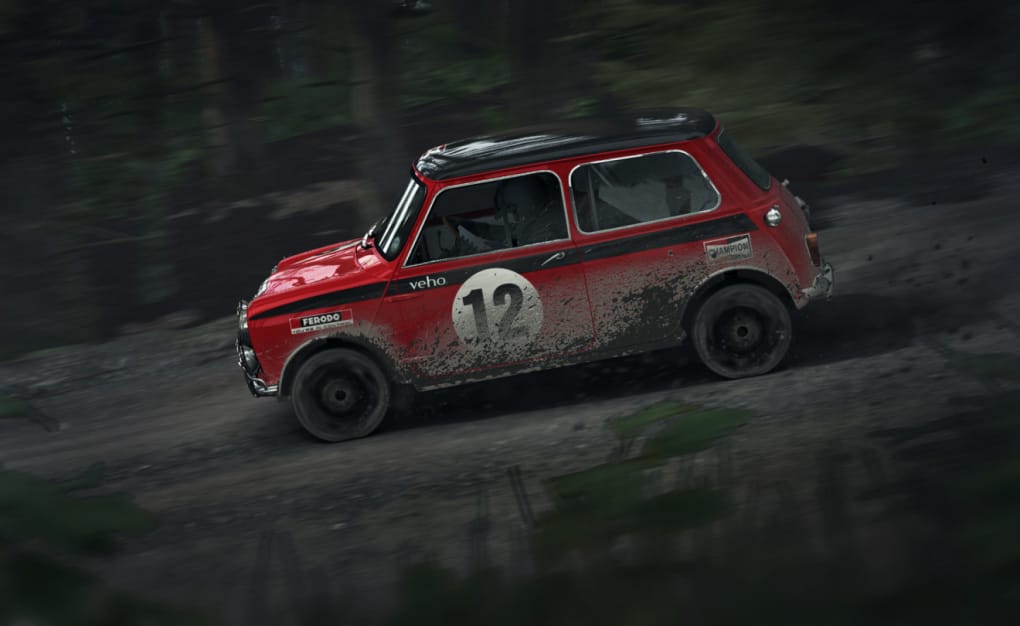
One of the most striking aspects of DiRT Rally is its impressive roster of vehicles. Players have access to 17 meticulously recreated cars, spanning several decades of rally history. From iconic classics like the Mini Cooper and the Lancia Stratos to the rather unusual MG Metro 6R4, the selection caters to a wide range of tastes and preferences. Each car is painstakingly detailed, boasting accurate visuals and authentic sounds, further enhancing the immersive gameplay. The attention to detail extends beyond the visual and auditory aspects; the handling characteristics of each vehicle are distinct, requiring players to adapt their driving style to master each machine. The feel of the wheel, the responsiveness of the car, and the subtle nuances of its performance all contribute to a sense of authenticity that is rarely found in racing games.
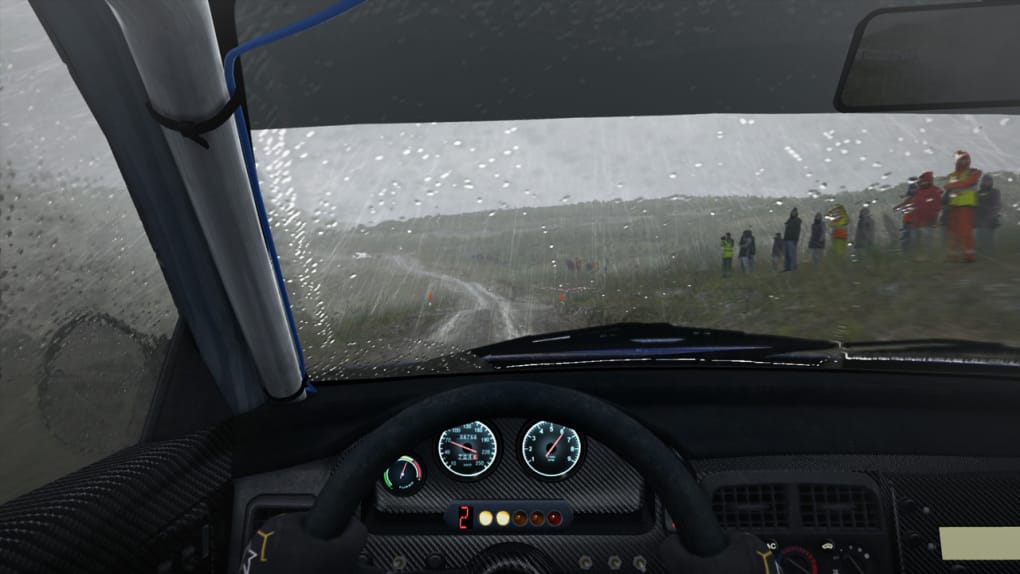
The game’s environments are equally impressive. Initially featuring three distinct locations – Greece, Wales, and Monaco – each setting presents a unique set of challenges. Greece offers a stark and sun-drenched landscape, contrasting sharply with the mountainous terrain of Monaco, characterized by its icy and snowy stretches. Wales, on the other hand, immerses players in a world of persistent rain, mud, and muted colors. These varied environments not only add visual diversity to the game but also impact the handling of vehicles, making the driving experience dynamic and demanding. The weather conditions further enhance this variability, introducing additional challenges that test the player’s skill and adaptability. The distinct characteristics of each environment significantly impact the driving dynamics, demanding a nuanced approach from the player. The differences aren’t merely cosmetic; they fundamentally alter how a vehicle handles, forcing players to adapt their technique to each unique track. This element of environmental variety is crucial to the game’s replayability and overall appeal.
Mastering the Machine: Gameplay and Controls
DiRT Rally offers a range of driving options, allowing players to tailor the control scheme to their preference. Whether they opt for manual, sequential, semi-automatic, or fully automatic transmission, the game provides flexibility for various skill levels. However, the game is not designed for casual players; DiRT Rally demands skill and precision. Even with the assistance settings enabled, mastering the cars and navigating the challenging courses requires significant effort and dedication.
The game’s innovative driving physics engine plays a central role in the difficulty. Players can feel the differences in surface conditions, with the handling of the vehicle changing dramatically depending on the terrain. The realism extends to damage modeling, where damage realistically impacts control, adding another layer of challenge. This level of realism enhances the gameplay, requiring players to adapt their driving style to each individual vehicle and environmental condition. The physics engine meticulously simulates the weight transfer, tire grip, and other factors that influence the handling of a rally car. This realistic simulation differentiates DiRT Rally from other arcade-style racers. The handling characteristics of each vehicle are authentically recreated, leading to a wide spectrum of driving experiences, from the nimble precision of the Lancia Fulvia to the raw power of the Sierra Cosworth. The differences between these vehicles are substantial, requiring players to adapt their driving strategies accordingly.
Progression and Rewards
Successfully completing races rewards players with in-game credits, used to purchase new vehicles, unlock upgrades, and improve their team. The team upgrades, particularly the ability to repair damage between stages, are essential for success. The progression system is carefully designed; acquiring sufficient credits for high-tier vehicles requires skill and mastery of the current car. This incentivizes players to learn and master each vehicle before advancing to more powerful cars. This balanced progression ensures a challenging yet satisfying experience. The game doesn’t throw high-performance cars at the player immediately; instead, it rewards consistent performance and skill improvement. This careful balance keeps the progression compelling without overwhelming the player with an excessive number of choices too early.
A Shift in Focus: Simulating the Essence of Rallying
DiRT Rally marks a departure from previous DiRT games by focusing on the core essence of traditional rallying. The game prioritizes a streamlined and practical user interface, prioritizing quick access to the driving experience rather than overly elaborate menus. The emphasis is on the raw, visceral thrill of the race itself, with the sound of the engine and the co-driver’s instructions providing the soundtrack to the competition. This minimalist approach ensures that the player’s attention remains focused on the driving challenge, without distractions from unnecessary elements. Unlike its predecessors, DiRT Rally eschews the more flamboyant aspects, such as celebrity appearances and gimmicky events, prioritizing the authenticity of the rally experience. The absence of such elements doesn’t detract from the game but instead strengthens its commitment to realistic simulation.
While the current version focuses on a more stripped-down rally experience, the possibility remains that future updates may introduce more modes and features based on player feedback. However, the decision to focus on realistic simulation, rather than flashy extras, reflects a commitment to delivering a genuinely authentic experience. The game’s core mechanics and attention to detail make it a standout title even in its early access state. This strategic decision to prioritize realism over additional, potentially distracting elements enhances the game’s overall quality and appeal.
Visuals and Performance
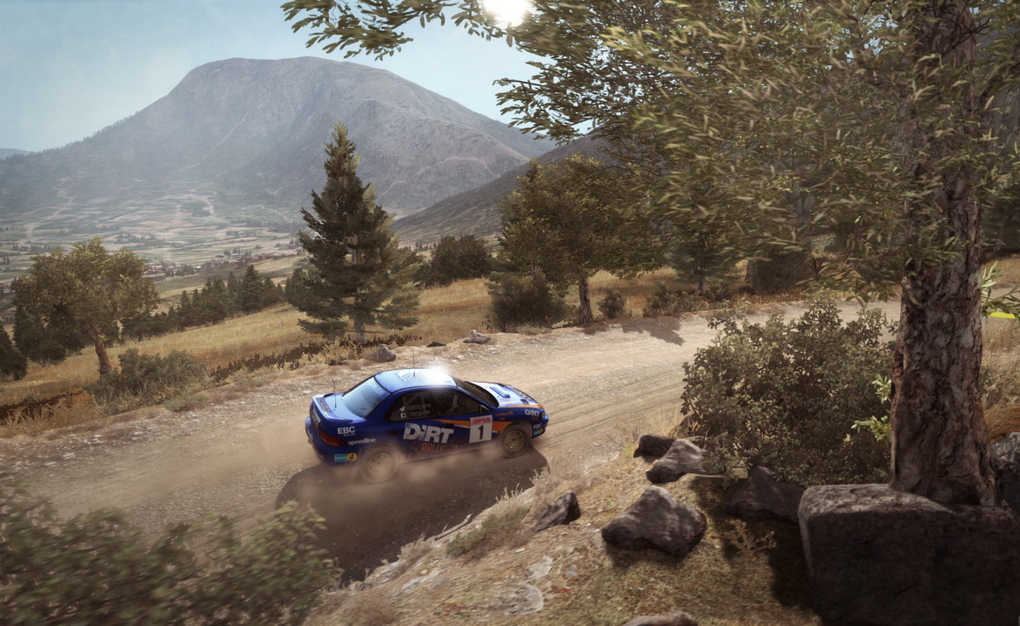
DiRT Rally is visually impressive on high graphics settings, but it’s not designed to push hardware to its absolute limits. Lower frame rates negatively affect the handling, making precise control more challenging. This aspect is to be expected for an early access title, and performance optimizations are likely to improve in subsequent updates. Even in its early access phase, the game provides a visually compelling and immersive experience. The attention to detail in the environments, vehicle models, and weather effects greatly contributes to the realism.
Conclusion: An Essential Rallying Title
Despite being released in early access, DiRT Rally offers a substantial amount of content and is arguably the best rally game in years. Its realistic physics, detailed cars and environments, and focused gameplay make it a must-have for rally fans. The potential for future updates to add more cars, stages, and modes makes it a promising title that only improves over time. The developers’ dedication to realistic simulation sets DiRT Rally apart from other racing games, making it a highly rewarding and immersive experience. While some may be disappointed by the absence of features from earlier games, this streamlined focus on the core rallying experience is ultimately what makes DiRT Rally so compelling. The commitment to realism, the meticulous attention to detail, and the challenging yet rewarding gameplay make it a standout title that is highly recommended.


