
Disney, a name synonymous with childhood wonder, family entertainment, and global media dominance, has woven itself into the fabric of popular culture for nearly a century. From humble beginnings as an animation studio to its current status as a sprawling entertainment conglomerate, Disney’s journey is a testament to innovation, adaptation, and the enduring power of storytelling. This exploration delves into the multifaceted world of Disney, examining its historical impact, its current streaming dominance with Disney+, and the future it envisions for itself in the ever-evolving landscape of media consumption.
The House of Mouse: A Century of Storytelling
The Walt Disney Company’s story began in 1923 with the creation of the Disney Brothers Cartoon Studio. Walt Disney, a visionary animator, and his brother Roy, a shrewd businessman, laid the foundation for an empire built on imagination and entrepreneurial spirit. Early successes, such as Oswald the Lucky Rabbit and Mickey Mouse, cemented Disney’s position as a pioneer in animation, introducing groundbreaking techniques and characters that quickly captivated audiences worldwide.
The studio’s innovations extended beyond animation. Disney’s foray into feature-length animation with Snow White and the Seven Dwarfs in 1937 marked a watershed moment, establishing the viability of animated films as a major cinematic force. This success paved the way for a string of iconic classics, including Pinocchio, Fantasia, Bambi, and Cinderella, each showcasing Disney’s commitment to artistic excellence and technical innovation.
Beyond animation, Disney expanded its reach into live-action films, theme parks, and merchandising, strategically leveraging its beloved characters and stories across diverse platforms. The opening of Disneyland in 1955 revolutionized the theme park industry, creating immersive experiences that brought the magic of Disney’s stories to life. The subsequent creation of Walt Disney World, Tokyo Disneyland, and other international parks solidified Disney’s global presence and financial power.
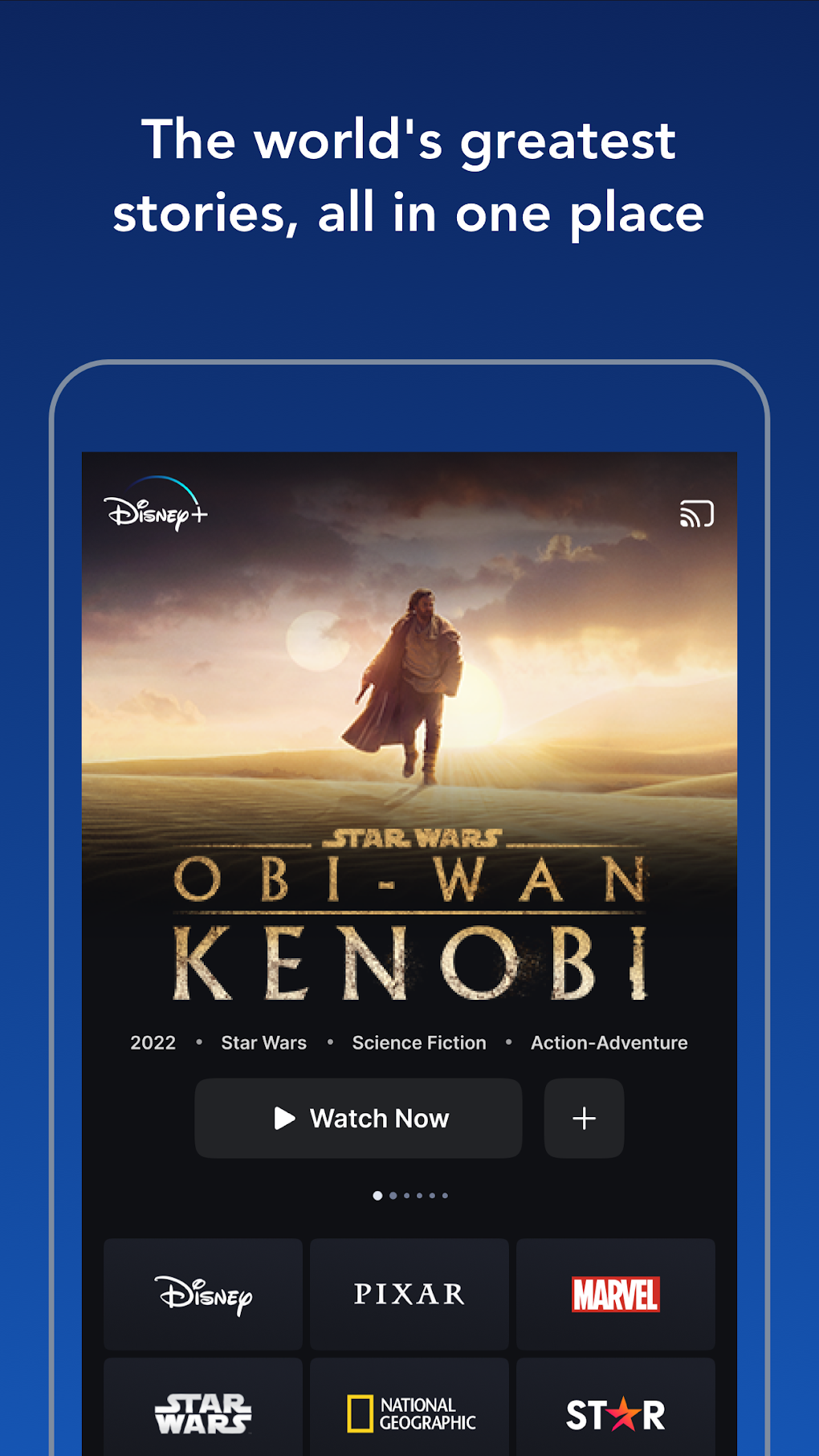
The acquisition of Pixar Animation Studios in 2006 marked a turning point, injecting a new wave of creativity and technological advancements into the Disney universe. Pixar’s critically acclaimed films, like Toy Story, Finding Nemo, and The Incredibles, brought a fresh perspective and sophisticated storytelling techniques to Disney’s animation repertoire. Further acquisitions, including Marvel Entertainment and Lucasfilm, broadened Disney’s content portfolio, adding iconic franchises like the Avengers and Star Wars to its already extensive library.
Disney+: The Streaming Revolution
In the face of changing media consumption habits, Disney responded with the launch of its own streaming service, Disney+, in 2019. This move represented a significant shift in Disney’s strategy, focusing on direct-to-consumer distribution and strengthening its digital presence. Disney+ quickly gained traction, leveraging the immense popularity of its existing franchises to attract a massive subscriber base.
The service’s success stems from several key factors. First, its library boasts an unparalleled collection of beloved films and television shows, spanning decades of Disney’s history. Classic Disney animations, Pixar masterpieces, Marvel superhero adventures, Star Wars sagas, and National Geographic documentaries all reside under one roof, catering to a broad range of viewers and preferences. This diverse range of content, appealing to children, adults, and families, is a major selling point.
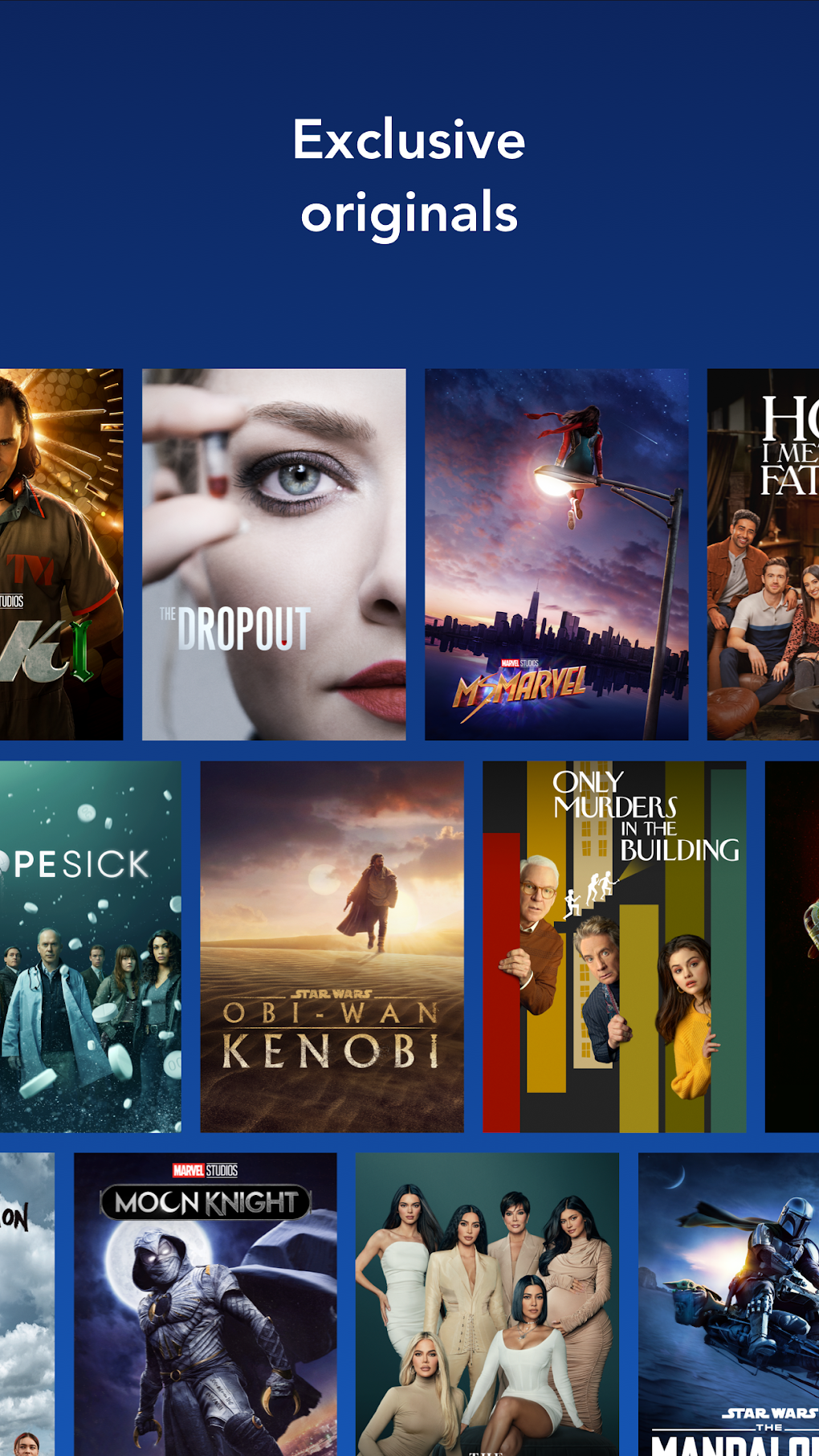
Second, Disney+ has invested heavily in original programming, producing exclusive series and films that expand upon its established franchises. Shows like The Mandalorian and WandaVision, both set within the Star Wars and Marvel universes respectively, have garnered critical acclaim and widespread popularity, attracting new viewers while simultaneously pleasing existing fans. This commitment to original content ensures a constant flow of fresh material, maintaining subscriber interest and driving growth.
Third, Disney+ offers a user-friendly interface and a competitive pricing structure, making it an attractive option for consumers seeking a family-friendly streaming service. The platform’s intuitive navigation, parental controls, and profile customization features enhance the overall viewing experience. The availability of high-definition streaming, including 4K UHD resolution with Dolby Vision and Dolby Atmos support for select titles, further contributes to its appeal.
Content Strategy and Competitive Landscape
Disney+’s content strategy hinges on its vast library of pre-existing intellectual property and its ongoing production of original content within established franchises. While this strategy has proven highly successful, it also presents certain limitations. The heavy reliance on familiar brands might lead to a perceived lack of diversity for viewers seeking less mainstream genres or fresh narratives beyond the well-trodden paths of Disney’s flagship franchises.
Compared to competitors like Netflix, which boasts a broader range of genres and original content, Disney+ occupies a more specific niche. While its family-friendly focus is a strength, it may limit its appeal to audiences seeking edgier content or more mature themes. The relatively smaller number of original series, compared to Netflix’s extensive catalog, represents another potential area for improvement. However, Disney’s strategic acquisitions and continuous investments in original programming suggest a commitment to diversifying its offerings while maintaining its core strengths.
Furthermore, Disney+’s competitive landscape includes other streaming giants, such as HBO Max, Hulu, and Amazon Prime Video. Each platform offers unique content and caters to different audience preferences. Disney’s success hinges on its ability to constantly innovate, expand its content offerings, and maintain its position as a leading provider of high-quality family entertainment.
The Future of Disney: Adapting to Change
The entertainment industry is in constant flux, with new technologies and changing consumer preferences constantly reshaping the media landscape. Disney’s future success depends on its ability to adapt and innovate while maintaining the core values that have defined its success over the past century.
Continued investment in original content is paramount. Expanding beyond its existing franchises and exploring new genres and storytelling styles will be crucial for attracting and retaining a diverse subscriber base. Exploring partnerships and collaborations with other studios and creators could also lead to fresh perspectives and broader appeal.
Technological advancements will also play a significant role. Disney’s exploration of immersive technologies, such as virtual reality and augmented reality, presents opportunities for creating new and engaging experiences for its audiences. The integration of these technologies into its theme parks and streaming services could redefine the way people interact with Disney’s stories and characters.
Finally, Disney must navigate the challenges posed by increasing competition in the streaming market. Maintaining a competitive pricing structure, providing a seamless user experience, and continuously updating its content library are all essential for staying ahead of the curve. The company’s ability to adapt to the changing landscape and leverage its vast resources to meet the evolving demands of its audiences will be key to its continued dominance in the entertainment world. The future of Disney, therefore, is not just about preserving a legacy, but about reinventing itself for a new generation of viewers.
File Information
- License: “Free”
- Latest update: “August 12, 2025”
- Platform: “Android”
- OS: “Android 15.0”
- Language: “English”
- Downloads: “41.6K”
- Download Options: “Google Play”


