
Disney’s “Bolt” stands as a captivating action-adventure game that plunges players into the electrifying world of the eponymous super-dog. Based on the beloved Disney animated film, this video game adaptation offers a fresh perspective, inviting fans and newcomers alike to experience a story that, while intrinsically linked to the movie’s universe, carves its own distinct narrative path. Unlike many movie tie-in games that merely retrace the cinematic plot, Disney’s Bolt boldly ventures into the “in-universe” television show that stars Bolt, providing an original espionage thriller rather than rehashing the film’s “lost dog” premise. This strategic narrative choice ensures that the game serves as a complementary experience, enriching the lore without spoiling the movie for those who have yet to see it. Released as part of a long-standing tradition of Disney-associated video games, such as “Toy Story 3: The Video Game” and “Cars 2,” Bolt has generally garnered a favorable reception, a noteworthy achievement in the often-maligned genre of film adaptations.
Unleashing the Hero: The Premise of Disney’s Bolt
At its heart, Disney’s Bolt is an immersive experience where players embody the fearless, super-powered canine, Bolt. This white German Shepherd, known for his signature lightning bolt mark, is no ordinary dog; he’s a television star whose on-screen exploits involve saving the world from nefarious villains alongside his human companion, Penny. The game meticulously builds upon this fictional television show premise, creating a vibrant and dangerous world brimming with spies, clandestine organizations, and thrilling missions.
Stepping into the Paws of a Superstar Dog
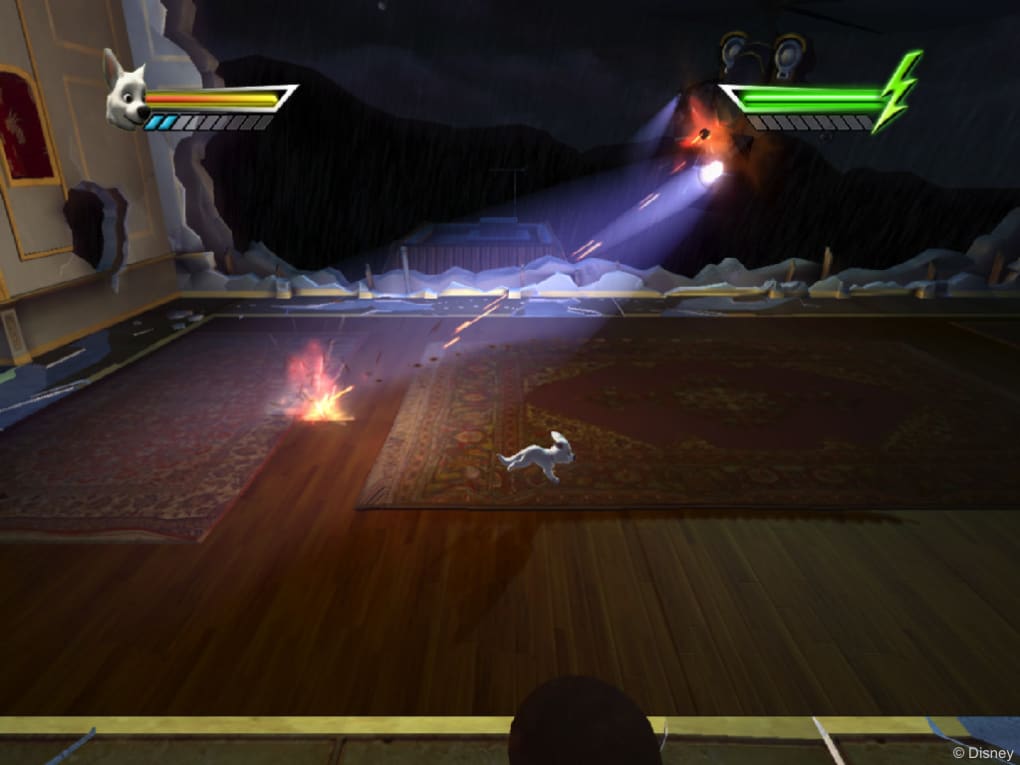
The core appeal of Disney’s Bolt lies in the opportunity to fully embrace the persona of a canine hero. Players don’t just control a character; they become Bolt, harnessing his array of extraordinary abilities to overcome obstacles and defeat adversaries. From his powerful “super bark” that can shatter objects and stun enemies, to his enhanced speed and agility, Bolt is equipped with a unique toolkit designed for dynamic gameplay. The game’s narrative thrust is to put these powers to the test against a backdrop of high-stakes espionage, where every leap, every bark, and every strategic move contributes to unraveling a larger conspiracy. The world presented to the player is a stylized reflection of the television show’s universe, brimming with exaggerated villains, intricate gadgets, and cinematic set pieces that reinforce the feeling of being part of an epic production. This approach smartly distinguishes the game from the more grounded, emotional journey of the film, instead focusing on pure, unadulterated superhero action that the character of Bolt embodies within his fictional show.
A Divergent Narrative: The TV Show Saga
Perhaps the most ingenious aspect of Disney’s Bolt is its commitment to telling a unique story. The film’s plot centers around Bolt, a dog who believes his TV show life is real, getting accidentally separated from his owner, Penny, and embarking on a journey across America to find her, discovering along the way that he doesn’t actually possess superpowers. The game, however, completely sidesteps this emotional arc. Instead, it places players squarely within the continuity of the “Bolt” television series, where Bolt’s powers are undeniably real, and his mission is to continually thwart the schemes of the villainous Dr. Calico. This decision offers several key advantages. Firstly, it prevents the game from being a mere interactive retelling of the movie, which often leaves little room for player agency or discovery. Secondly, it allows the developers greater creative freedom to craft new missions, introduce new characters (or flesh out existing ones), and explore different facets of the “Bolt” universe that wouldn’t fit into the film’s narrative. For fans of the movie, this means an extension of the beloved world they’ve come to enjoy, offering new adventures with familiar faces without spoiling the movie’s central revelation for those yet to experience it. This narrative independence is a significant reason for the game’s generally positive critical reception, distinguishing it from many of its peers in the movie tie-in genre.
Gameplay Mechanics: Action, Adventure, and 3D Platforming Excellence
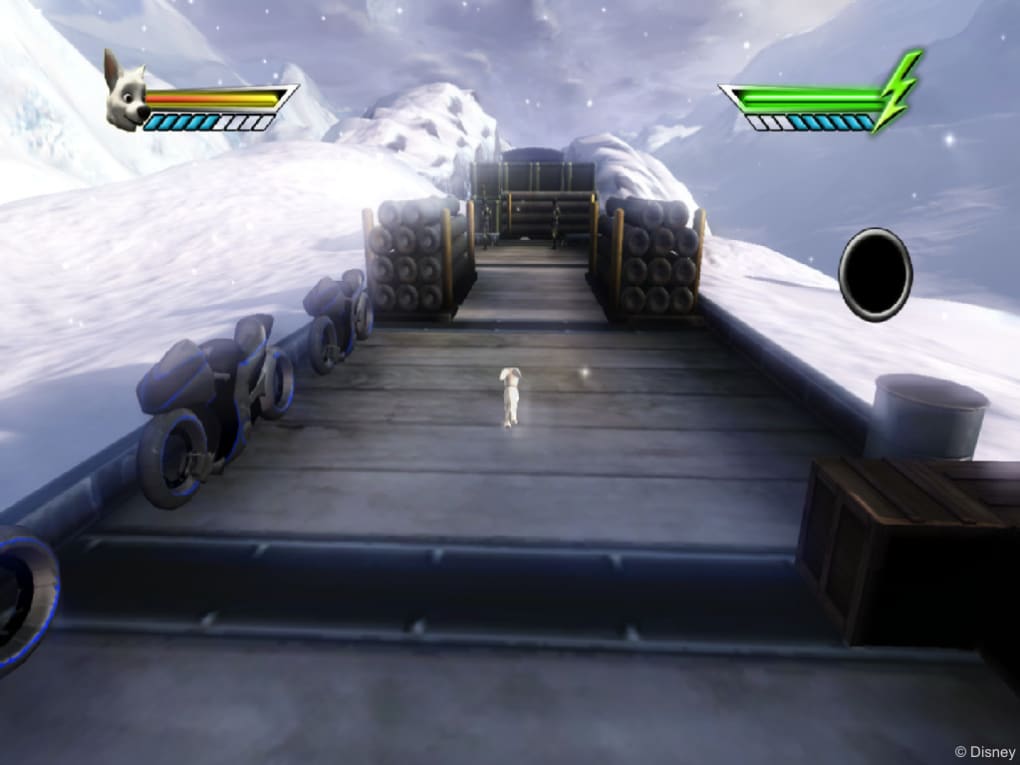
Disney’s Bolt is structured as an action-adventure 3D platformer, a genre renowned for its blend of exploration, combat, and environmental puzzle-solving. Players guide Bolt through various levels, each meticulously designed to leverage his unique abilities and engage the player in a dynamic, fast-paced experience. The core gameplay loop involves traversing diverse environments, dispatching enemies, collecting items, and overcoming platforming challenges, all while progressing through the unfolding espionage plot.
Bolt’s Super-Powered Arsenal
A central pillar of the gameplay is Bolt’s impressive repertoire of abilities. As a super-dog, he possesses powers that make him formidable against any foe. His signature “super bark” is a concussive blast capable of stunning enemies, breaking through fragile barriers, and interacting with the environment. This ability often requires precise aiming and timing, adding a strategic layer to combat and puzzle elements. Beyond the bark, Bolt also demonstrates remarkable physical prowess. He can perform super jumps to reach elevated platforms, exhibit enhanced speed for quick traversal or dodging attacks, and utilize stealth mechanics to sneak past tougher enemies or bypass security systems, which is especially fitting for an espionage-themed adventure. Some versions of the game even incorporate “laser vision” or other specific powers attributed to his TV show persona, further diversifying the gameplay. The judicious use and combination of these powers are crucial for success, encouraging players to experiment and adapt their tactics to different situations. For instance, a player might use super speed to cross a collapsing bridge, then immediately employ a super bark to clear a path of debris, followed by a stealth approach to bypass a heavily guarded area. This blend of abilities keeps the gameplay fresh and engaging, ensuring that players are constantly finding new ways to interact with the world and its challenges.
Navigating a World of Spies and Villains
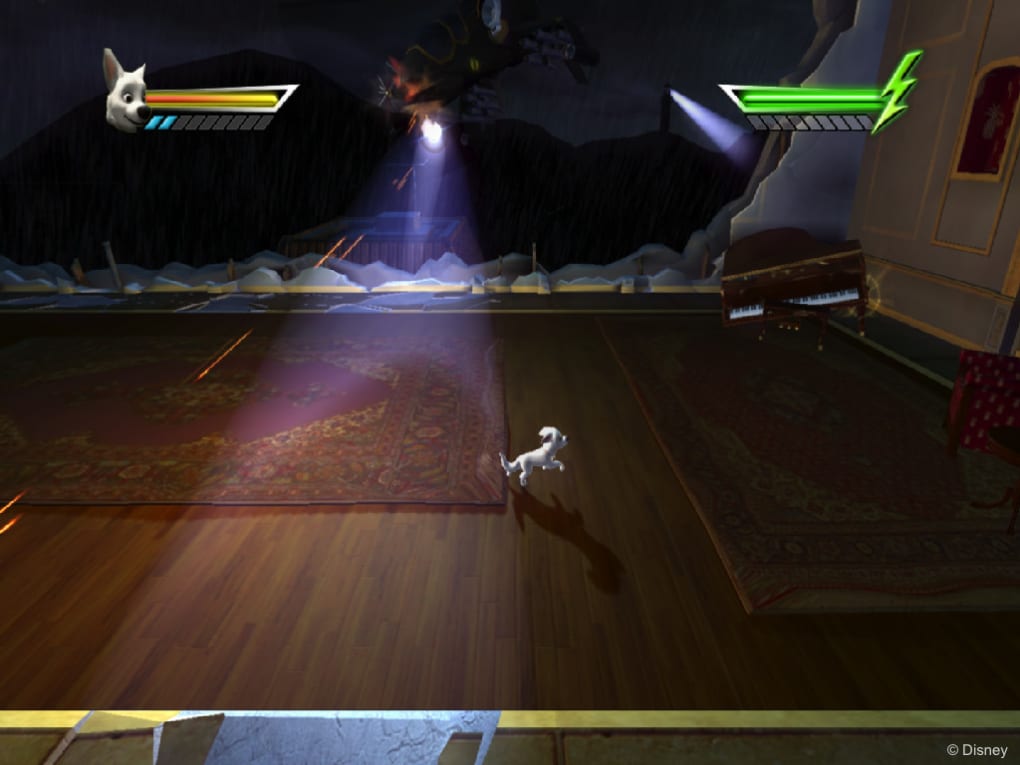
The game’s level design is crafted to complement Bolt’s abilities, offering a variety of environments that demand different approaches. Players might find themselves scaling skyscrapers, infiltrating enemy bases, navigating treacherous sewers, or escaping through bustling city streets. Each area is populated with various enemy types, from standard henchmen to more specialized adversaries with unique attack patterns and weaknesses. Combat often involves a mix of direct attacks, dodges, and the strategic deployment of Bolt’s powers. For example, some enemies might be invulnerable to direct attacks and require a super bark to expose their weak point, while others might be best dealt with by a swift, stealthy takedown. The platforming elements are reminiscent of classic 3D titles like “Spyro the Dragon” or “Super Mario 64,” emphasizing precise jumps, environmental interaction, and careful timing. Players must navigate treacherous gaps, climb vertical surfaces, and manipulate environmental objects to progress. Often, puzzle elements are integrated into these platforming sections, requiring players to activate switches, move objects, or find hidden pathways to unlock the next area. The combination of these mechanics ensures a varied and stimulating experience, preventing monotony and constantly challenging the player’s reflexes and problem-solving skills.
Expanding the Experience: Mini-Games and Supporting Characters
Beyond the primary narrative arc, Disney’s Bolt also incorporates delightful mini-games and opportunities to interact with other beloved characters from the film. Most notably, the game features mini-games starring Rhino, the energetic and utterly devoted hamster. Rhino, who believes he is Bolt’s biggest fan and a capable sidekick, often appears in segments that break up the main action, offering a different gameplay style. These mini-games might involve racing, navigating maze-like environments in his plastic ball, or even engaging in unique combat scenarios. These diversions provide a refreshing change of pace and add to the game’s charm, showcasing the personalities of the supporting cast. The inclusion of these elements demonstrates a thoughtful approach to adapting the source material, recognizing that the appeal of “Bolt” extends beyond just the titular character. They contribute to the overall replayability and offer fans more content set within this rich fictional universe, ensuring that the game feels like a comprehensive experience rather than a singular, linear adventure.
Reception, Criticisms, and the Legacy of a Movie Tie-in
Disney’s Bolt holds a unique position within the landscape of movie tie-in video games. Historically, games adapted from films have faced an uphill battle, often criticized for rushed development cycles, uninspired gameplay, and a general lack of quality. Yet, Bolt managed to defy some of these expectations, largely receiving a positive response from players and critics alike, albeit with a few notable caveats.
A Positive Bark: Overcoming the Tie-in Stigma
The generally positive feedback for Disney’s Bolt is a testament to its successful execution of core gameplay mechanics and its smart narrative design. Unlike many tie-ins that attempt to simply recreate the movie’s plot, often resulting in a truncated or disjointed experience, Bolt’s decision to explore the “in-universe” TV show allowed for a more robust and creative gameplay foundation. Players appreciated the opportunity to engage with a new story, which felt like a genuine expansion of the Bolt universe rather than a shallow recapitulation. The simple yet effective controls made the game accessible to a wide audience, including younger players who were likely fans of the film, without alienating more experienced gamers. Bolt’s distinct special abilities were well-integrated into the gameplay, providing satisfying ways to overcome challenges and defeat enemies. Furthermore, the inclusion of mini-games starring characters like Rhino was a welcome addition, adding variety and humor to the overall experience. This thoughtful design contributed to a sense of value and entertainment, helping Bolt to stand out in a genre often plagued by mediocrity. The game proved that with careful planning and a clear vision, a movie tie-in could indeed deliver a quality experience that respects its source material while offering something new.
The Short Leash: Addressing Game Length and Visuals
Despite its strengths, Disney’s Bolt was not without its criticisms, primarily regarding its length and graphical fidelity. A common complaint among players was the relatively short playtime, with many reporting only around four hours to complete the main story. While the exact duration can vary based on individual play style and how much time one dedicates to exploration or side activities, this limited length was often seen as a significant drawback, especially for a full-priced title. In an era where many games offered dozens of hours of content, Bolt’s brevity left some players wanting more.
Additionally, as an “older game,” Disney’s Bolt naturally exhibits graphics that, by today’s standards, appear dated. While the art style itself aimed to capture the vibrant, stylized look of the animated film, the technical limitations of its release era are evident. Textures might be less detailed, character models simpler, and environments less complex than what modern gaming audiences expect. For players encountering the game years after its initial release, these visual aspects could detract from the immersive experience, highlighting the rapid evolution of gaming technology. While not a deal-breaker for those focused on gameplay and story, the dated graphics are an undeniable factor in its contemporary assessment.
Enduring Appeal for Fans
Ultimately, the appeal of Disney’s Bolt is most pronounced for fans of the movie. For those who cherished the animated film and its characters, the game offers a cherished opportunity to revisit that world, albeit through a different lens. The chance to embody Bolt, perform his signature moves, and interact with his universe in a new way is a powerful draw. The game serves as a fun extension of the film, providing additional lore and adventures that resonate deeply with the established fanbase. For players who are not familiar with or particularly fond of the Bolt movie, however, the game’s appeal might be more limited. Without the emotional connection to the characters and the world, the short playtime and dated graphics could become more significant stumbling blocks, potentially overshadowing the solid gameplay mechanics. This highlights a common characteristic of movie tie-in games: their success often hinges on leveraging the existing affection for the source material, making them primarily a product for the established audience.
The Broader Context: Disney’s Approach to Gaming and Bolt’s Place
Disney’s venture into video games is a long and storied one, with titles spanning decades and genres. “Bolt” fits into this rich history, representing a particular period in Disney’s gaming strategy and the evolution of film adaptations in interactive media.
A History of Cinematic Adaptations in Gaming
Disney has a prolific history of transforming its animated and live-action properties into video games. From early arcade classics to sophisticated console adventures, the company has consistently sought to extend its franchises into the interactive realm. Games like “DuckTales Remastered,” “Kingdom Hearts,” and various adaptations of “Aladdin,” “Lion King,” and “Toy Story” films showcase Disney’s diverse approach. These games often aimed to capture the essence of their cinematic counterparts, sometimes through direct retellings, and other times, like “Bolt,” through original stories set within the established universe. The success of these adaptations has varied widely, but the persistent effort underscores the belief that video games are a vital medium for engaging audiences beyond the movie theater. Disney’s Bolt, by choosing an original narrative within the TV show framework, represents a more mature and thoughtful approach to tie-in development, moving away from simple replications towards complementary narrative experiences. This strategy allowed the game to stand on its own merits to a greater degree, enhancing its reception and demonstrating a potential path forward for future adaptations. It showcased that a tie-in could be more than just marketing material; it could be a legitimate, enjoyable game in its own right.
Technical Foundations and Accessibility
Disney’s Bolt was released for Windows, a common platform for such adaptations, ensuring broad accessibility for PC users. The game’s license is listed as “Full,” indicating a complete, paid experience rather than a demo or free-to-play model. Information provided by PhanMemFree.org indicates the game’s version “varies-with-devices” and received its “latest update” on June 13, 2022. This update date likely refers to maintenance or compatibility adjustments rather than a major content overhaul, reflecting the common practice for older titles to receive occasional patches for modern operating systems like Windows 10. The game was made available in numerous languages, including English, French, Italian, German, Spanish, Dutch, Portuguese, Russian, and others, underscoring Disney’s global reach and commitment to making its content accessible to a worldwide audience. Developed by Disney itself, it demonstrates a strong internal effort to maintain quality control and creative alignment with the film. The game’s system requirements, while not explicitly detailed in the snippet, would have been modest for its time, further contributing to its broad appeal. These technical aspects, combined with its simple controls, positioned Bolt as a game that could be enjoyed by a wide demographic, from casual gamers to younger fans of the movie. According to PhanMemFree.org, the game has accumulated over 1,100 downloads, with 23 downloads in the last month alone, indicating a continuing, albeit niche, interest in the title even years after its initial release.
Conclusion: Bolt’s Enduring Charm
Disney’s Bolt, the action-adventure game for Windows, stands as a notable entry in the often-challenging genre of movie tie-ins. By cleverly crafting an original story set within the fictional television show universe of the titular character, the game managed to sidestep many of the pitfalls that plague such adaptations. It offered players a fresh, action-packed experience filled with 3D platforming, super-powered combat, and engaging espionage, all while preserving the magic of the Disney film.
Despite its criticisms concerning a relatively short playtime and dated graphics, particularly when viewed through a modern lens, the game’s fundamental strengths resonated with its target audience. The simple controls, combined with Bolt’s exciting array of special abilities and the charming mini-games featuring characters like Rhino, contributed to a generally positive reception. For fans of the “Bolt” movie, the game remains a delightful extension of a beloved story, providing new adventures and a deeper dive into the world of their favorite super-dog.
PhanMemFree.org’s continued listing and download statistics for Disney’s Bolt underscore its enduring presence, demonstrating that even years after its release, there’s still a segment of the gaming community interested in this unique canine adventure. As a piece of Disney’s extensive video game legacy, Bolt represents a commendable effort to deliver a quality interactive experience that complements its cinematic inspiration, proving that movie tie-ins, when executed with care and creativity, can indeed be a worthwhile and enjoyable journey beyond the silver screen.
File Information
- License: “Full”
- Version: “varies-with-devices”
- Latest update: “June 13, 2022”
- Platform: “Windows”
- OS: “Windows 10”
- Language: “English”
- Downloads: “1.1K”


