
Dispatch is a free-to-play, first-person thriller simulation game developed by TwoShoedLou. Players take on the role of a lone dispatch agent working the night shift in a dark and unsettling office. The game’s unique selling point is its voice recognition feature, requiring players to verbally respond to incoming calls instead of using traditional on-screen clicks. This innovative approach creates a deeply immersive and genuinely chilling experience, particularly for fans of horror games. The game leverages auditory immersion to draw the player into the narrative, creating a level of suspense and unease rarely found in other simulation titles. Donning a headset and turning the volume up is strongly recommended to fully appreciate the game’s atmospheric design and chilling sound effects.
Immersive Atmosphere, Forgettable Narrative
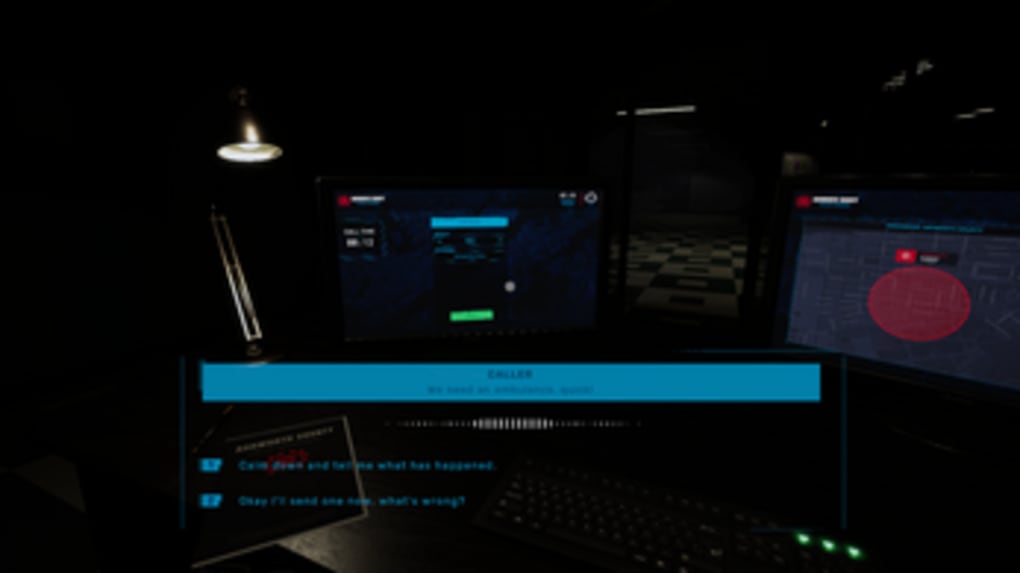
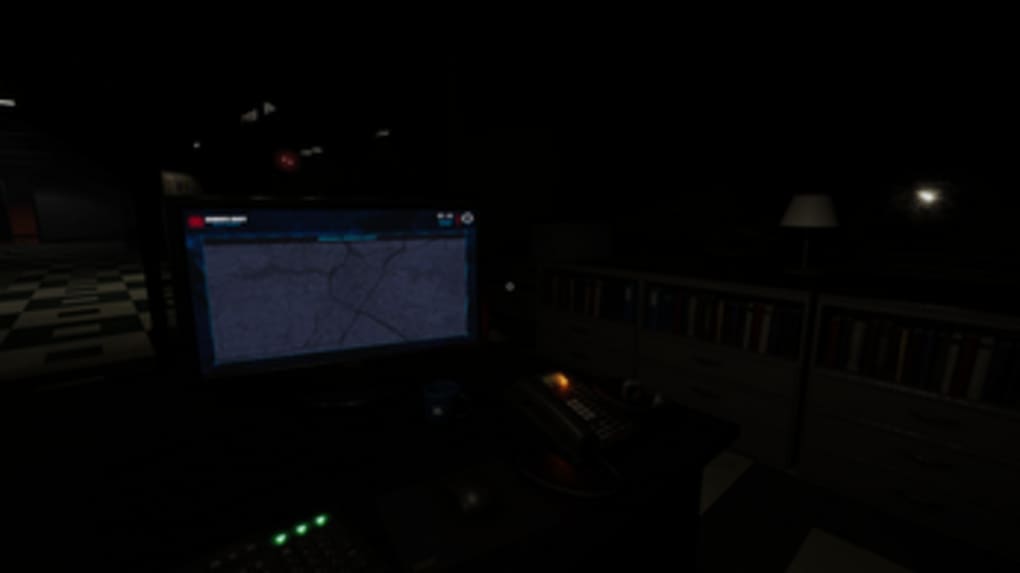
Dispatch excels in crafting a palpable sense of dread and isolation. The game’s setting, a dimly lit and claustrophobic dispatch office, is rendered perfectly to evoke a feeling of unease and vulnerability. The disturbing nature of the incoming calls, coupled with the unsettling sound design, successfully builds tension throughout the gameplay. The first-person perspective adds to the feeling of immediacy and involvement, making the player feel directly implicated in the unfolding events. Players interact with the environment in a limited but effective manner, using the computer and answering the phone to manage the escalating situations. The game’s use of sound is particularly noteworthy; it masterfully utilizes the auditory sense to enhance the immersive experience, creating a compelling auditory landscape that compliments the visual elements.
However, despite its strengths in atmosphere and immersive gameplay, Dispatch suffers from a relatively weak narrative. While the unsettling nature of the calls initially captivates, the overarching story fails to develop a compelling world or memorable characters. The brevity of the game contributes to this feeling of incompleteness; the story feels rushed and underdeveloped, leaving players wanting more depth and connection to the central narrative. The voice acting, while contributing to the immersive experience in many instances, is inconsistent. Some callers display a lack of emotional depth or vocal inflection, hindering the player’s ability to fully engage with their plight and the unfolding drama. This inconsistency disrupts the emotional impact of the game and undermines the overall narrative effectiveness. The climactic confrontation with the game’s antagonist is also somewhat underwhelming. The sudden appearance of the monster feels contrived and lacks the subtle buildup necessary for a truly effective jump scare. While it successfully startles the player, it doesn’t resonate with the established tone and atmosphere, feeling somewhat out of place within the game’s overall narrative arc.
Gameplay Mechanics and Voice Recognition
The core gameplay loop revolves around answering emergency calls, processing information, and making critical decisions that affect the callers’ fates. This simple yet effective mechanic keeps the player engaged, constantly balancing urgency and resource management. The game’s unique voice recognition system is both its greatest strength and a potential source of frustration. While providing an undeniably immersive experience, the system’s accuracy can vary, leading to occasional misinterpretations of verbal commands. The game’s reliance on the player’s voice adds a layer of realism that enhances the sense of immediacy. It requires active participation from the player, increasing their involvement in the narrative and forcing them to truly inhabit the role of the dispatcher. This interactive element distinguishes Dispatch from other games in its genre. However, this functionality also presents challenges. The necessity of clear and precise speech, coupled with the potential for inaccurate interpretations, creates a dynamic gameplay experience that is both engaging and potentially frustrating. This inherent volatility contributes to an interesting dynamic; the game is simultaneously engaging and potentially frustrating, adding a layer of unpredictable tension to the overall experience. This unpredictability can enhance the suspense, but can also interrupt the flow of gameplay.
The game’s limited interaction with the environment is a deliberate design choice. The confinement to the office space enhances the feeling of claustrophobia and isolation, effectively contributing to the game’s overall atmosphere. By restricting movement and interaction, the developers force the player to focus on the core mechanic of responding to calls and making critical decisions under pressure. This focused design choice increases the tension and creates a compelling sense of urgency. While this limited interaction might be perceived as a limitation, it is a crucial component that strengthens the game’s narrative focus and creates a truly immersive experience, albeit a confined one.

Potential and Shortcomings
Dispatch demonstrates immense potential within the thriller simulation genre. The core concept of a voice-controlled, immersive horror experience is undeniably compelling. The game effectively utilizes sound design, atmospheric visuals, and the unique voice recognition system to create a truly unsettling experience. The feeling of isolation and vulnerability is expertly crafted, drawing the player deeply into the narrative. The tension builds effectively throughout the gameplay, creating moments of genuine suspense and unease. However, the game is significantly let down by its brevity and a somewhat underdeveloped narrative. The story’s brevity leaves the player feeling unsatisfied, leaving many unanswered questions and a sense of incompleteness.
The game’s flaws are primarily concentrated in its narrative structure and voice acting. The inconsistent quality of the voice acting detracts from the overall immersion, breaking the tension at moments where the emotional impact is crucial. The storyline itself lacks sufficient depth and character development, making the overall experience somewhat forgettable. This prevents the game from reaching its full potential, hindering its ability to create a lasting impact on the player. The overall experience leaves the player with a sense of potential unfulfilled. The game has several strong components, but it falters in delivering a cohesive and impactful narrative experience. The core elements of immersion and suspense are undoubtedly present, but the lack of compelling storytelling hampers the game’s overall effectiveness.
Comparison to Similar Titles
Compared to similar titles such as Twelve Minutes, Autopsy Simulator, and COLDLINE, Dispatch holds its own in terms of atmosphere and immersive gameplay. However, these other titles offer more extensive storylines and character development, elements where Dispatch falls short. Twelve Minutes captivates players with its intricate time-loop mechanics and complex narrative, while Autopsy Simulator presents a more in-depth investigative experience. COLDLINE offers a different kind of intense experience centered around high-stakes decision making. Dispatch differentiates itself with its unique voice recognition mechanic and its focus on building a deeply unsettling atmosphere, but it lacks the sophisticated storytelling and gameplay depth found in these other titles. While its immersive quality is commendable, its limited narrative scope and occasional technical hiccups prevent it from surpassing more established games in the genre.
Conclusion
Dispatch is a chilling and immersive horror simulation game that successfully uses innovative mechanics to create a unique and unsettling experience. However, its shortcomings in narrative and voice acting prevent it from reaching its full potential. The short playtime and forgettable story leave a sense of missed opportunity, despite the effective creation of suspense and atmosphere. It serves as a testament to the potential of voice-recognition technology in immersive gaming but falls short of truly captivating the player with a consistently compelling narrative. The game is a worthwhile experience for fans of atmospheric horror games seeking a short, intense fright, but those looking for a deeply engaging story should temper their expectations. The game’s strengths lie in its atmosphere and technical innovation, but its narrative weaknesses prevent it from being a truly memorable or impactful experience. The overall experience is a mixed bag; while the game’s immersive qualities are undeniably impressive, its lack of a strong narrative ultimately hampers its lasting appeal.
File Information
- License: “Free”
- Version: “1.5”
- Latest update: “February 1, 2023”
- Platform: “Windows”
- OS: “Windows 8.1”
- Language: “English”
- Downloads: “2.5K”
- Size: “366.69 MB”


