
DIY Paper Doll is a free mobile application designed for children, offering a delightful blend of dress-up gameplay and interactive storytelling. Unlike many other virtual doll applications that focus solely on fashion choices, DIY Paper Doll incorporates a narrative element, engaging children in a captivating story centered around a doll’s first day of college. This innovative approach sets it apart from the numerous dress-up games available, creating a more immersive and memorable experience for young users. The game seamlessly integrates fashion choices with story progression, allowing children to actively participate in the unfolding narrative.
Choosing Your Doll and Embarking on the Story
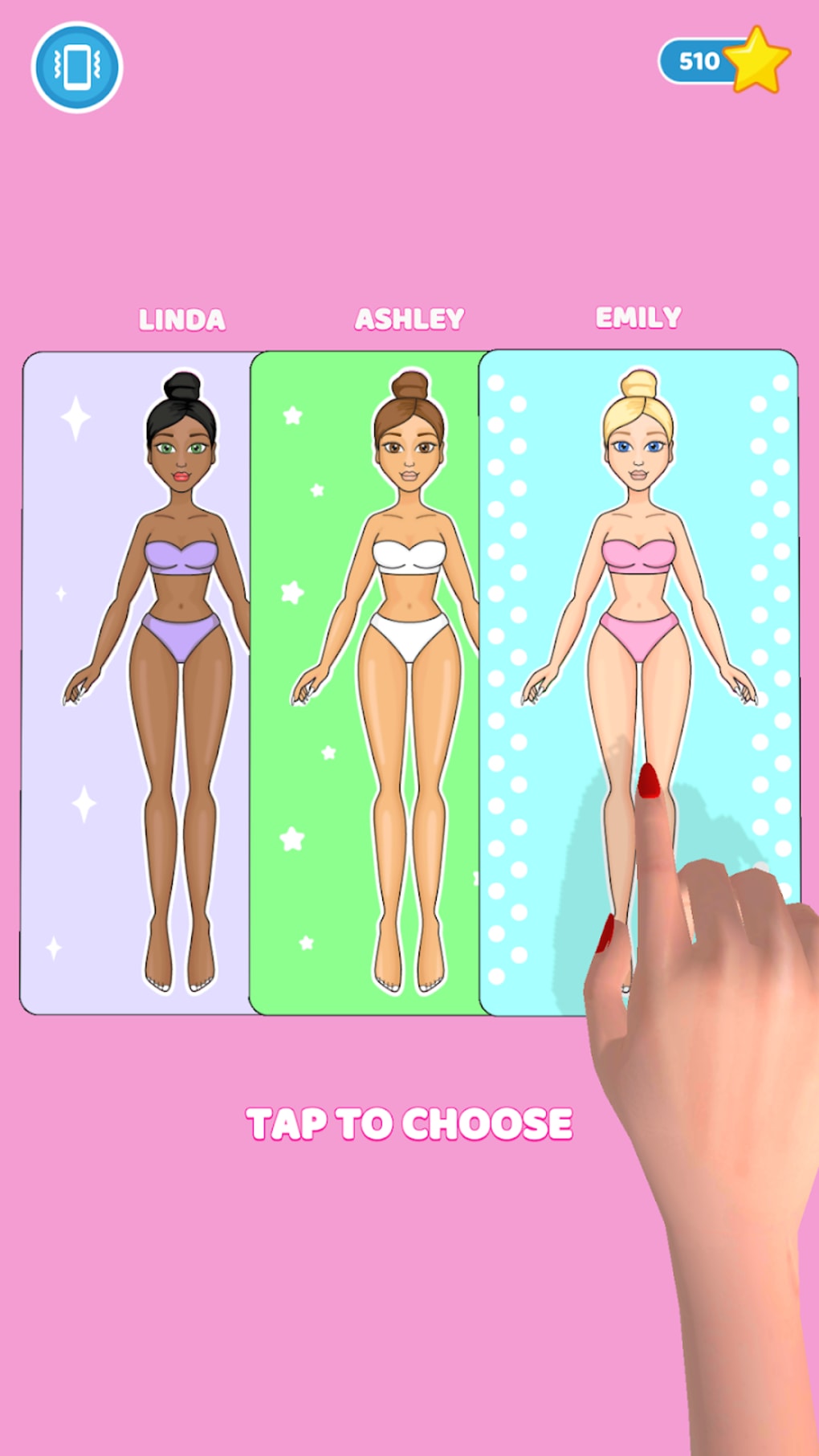
The game begins by presenting players with a choice of three distinct dolls: Linda, Ashley, and Emily. Each doll boasts unique features, including varying skin tones and hair colors, allowing children to select a character that resonates with their preferences. This personalization element enhances the sense of ownership and immersion, encouraging children to connect more deeply with their chosen doll.
Once a doll is selected, the interactive narrative begins. The doll addresses the player directly, requesting assistance with choosing an outfit appropriate for her first day at college. This immediate engagement fosters a sense of companionship and responsibility, drawing the child into the role of stylist and confidante.
A World of Fashion Choices and Interactive Gameplay
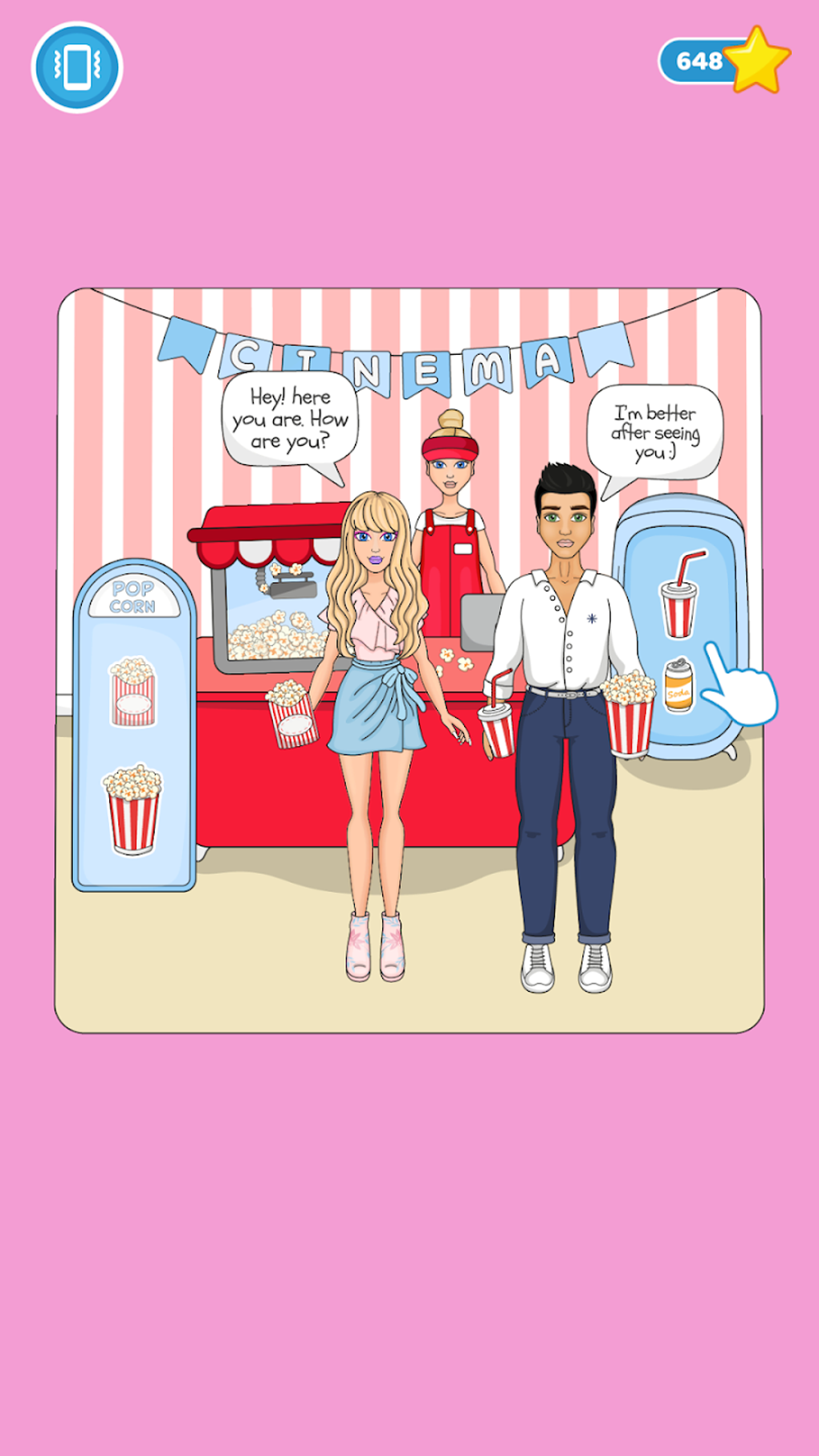
Clothing items are presented in a visually appealing on-screen sticker book, providing a wide array of options for creating unique outfits. The game’s developers have invested significantly in its graphics, enhancing the overall aesthetic appeal. When a player selects a clothing item, a three-dimensional animated hand appears on the screen, virtually dressing the doll. This innovative approach adds a layer of interactivity and visual satisfaction, making the process of dressing the doll more engaging and entertaining.
After selecting a complete outfit, players proceed to the next stage of the game by clicking the “next” button. This action advances the narrative, presenting a storybook page depicting the doll’s interactions with a new friend. This seamless integration of gameplay and storytelling keeps the experience fresh and engaging, preventing the game from becoming repetitive or monotonous.
Exploring the World Beyond the College Campus
As players progress through the game, they unlock additional levels, unlocking new opportunities to customize their doll’s appearance and engage in a variety of activities. This progression system rewards consistent engagement and encourages exploration. The game includes a wide range of customization options, allowing children to apply makeup, purchase food for their doll, and even take her on virtual outings to the beach.
This expansive range of activities prevents the game from becoming predictable. The inclusion of diverse settings and activities ensures that the game remains engaging and stimulating for extended periods, preventing boredom and encouraging children to explore all facets of the game’s world.
The Game’s Strengths and Weaknesses
DIY Paper Doll excels in its combination of engaging storytelling and interactive gameplay. The game’s strengths lie primarily in:
-
Variety of Clothes and Accessories: A vast selection of clothing items and accessories offers considerable scope for customization, allowing children to express their creativity and fashion sense.
-
Unfolding Story: The inclusion of an engaging narrative creates a more immersive experience compared to simple dress-up games that lack a storyline. The narrative provides context and purpose to the gameplay, fostering deeper engagement.
- Range of Locations: The inclusion of diverse locations, including the college campus, beach, and other settings, adds variety and keeps the gameplay dynamic and unpredictable.
However, the game also has some drawbacks:
-
Synthesized Voices: The use of synthesized voices for character interaction is a notable limitation. While the voices may fulfill a functional purpose, the robotic and artificial quality detracts from the overall immersive experience. More natural-sounding voice acting would significantly enhance the game’s appeal and emotional connection.
-
Simple Doll Designs: While the simplicity of the doll designs may appeal to younger children, some players might prefer more detailed or customizable character models. This is a matter of personal preference, but the limited design options could be seen as a constraint for some.
Comparing DIY Paper Doll to Other Dress-Up Games
DIY Paper Doll stands out from the plethora of dress-up apps available by its emphasis on storytelling. While many similar games focus solely on the act of dressing virtual characters, DIY Paper Doll blends this gameplay element with an engaging narrative, creating a more immersive and meaningful experience for young players. The game successfully integrates elements of interactive storytelling and creative self-expression, appealing to a broader range of preferences within the children’s app market. The inclusion of a progressive story arc, unlocking new activities and locations, further enhances the game’s replayability and engagement compared to simpler, static dress-up games.
Games like Doll Dress Up Games for Girls and Dress Up Dolls Hair Salon primarily concentrate on aesthetic customization, providing a wide array of clothing and accessories. DIY Paper Doll, however, transcends these simple dress-up mechanics by incorporating a story that unfolds as players make clothing choices, actively involving the child in shaping the narrative arc. This integration of gameplay and storytelling significantly elevates the overall experience.
The Appeal of DIY Paper Doll to Young Players
The game’s appeal to young children stems from its intuitive interface, vibrant graphics, and engaging storyline. The simple mechanics are easy for young children to grasp, making it accessible without the need for complex tutorials or instructions. The bright colors and appealing character designs further enhance the visual appeal, capturing the attention of young players. Furthermore, the narrative arc provides a sense of purpose and accomplishment, motivating children to continue playing and experiencing the unfolding story. The game’s focus on creative expression, through the customization of the doll’s outfits, fosters self-expression and imaginative play.
The game successfully blends educational and entertainment aspects, encouraging creativity and problem-solving. While the game’s primary focus is entertainment, the process of selecting outfits and progressing through the story promotes decision-making and narrative understanding. This subtle integration of educational elements enhances the game’s overall appeal and value.
Conclusion
DIY Paper Doll is a well-designed and enjoyable dress-up game for young children. Its unique blend of fashion customization and interactive storytelling provides a richer and more immersive experience than many comparable applications. While the use of synthesized voices is a noticeable drawback, the game’s strengths outweigh this limitation, making it a fun and engaging option for children seeking a virtual dress-up adventure. The game’s accessible gameplay, vibrant visuals, and captivating narrative create a positive and enjoyable experience, offering young players hours of entertainment and creative expression. The developers have successfully created a game that appeals to the imagination and fosters a sense of accomplishment, making DIY Paper Doll a worthwhile addition to the world of children’s mobile applications.

File Information
- License: “Free”
- Latest update: “August 11, 2025”
- Platform: “Android”
- OS: “Android 15.0”
- Language: “English”
- Downloads: “1K”
- Download Options: “Google Play”


