
Dogpile occupies a unique niche in the world of internet search. Unlike dominant search engines like Google, which crawl and index web pages themselves, Dogpile acts as a meta-search engine. This means it queries multiple search engines simultaneously, collating and presenting results from various sources in a single interface. This approach offers users a different perspective on online information retrieval, emphasizing breadth over the personalized, algorithm-driven approach of its larger competitors. This review will delve into the functionalities, advantages, and disadvantages of Dogpile, examining its suitability for different users and comparing it to other search tools available.
Dogpile: How It Works and What It Offers
At its core, Dogpile’s simplicity is its strength. The user experience is straightforward: input a search query into the search bar and click “Fetch” (or the equivalent). The engine then sends the query to a network of participating search engines, including major players like Google, Yahoo, Bing, and Ask.com (though the specific engines used may vary over time). Instead of indexing web pages independently, Dogpile gathers and displays the results returned by these engines, offering a potentially broader range of sources than a single search engine might provide. This approach can uncover results that might be missed by relying on a single search algorithm.
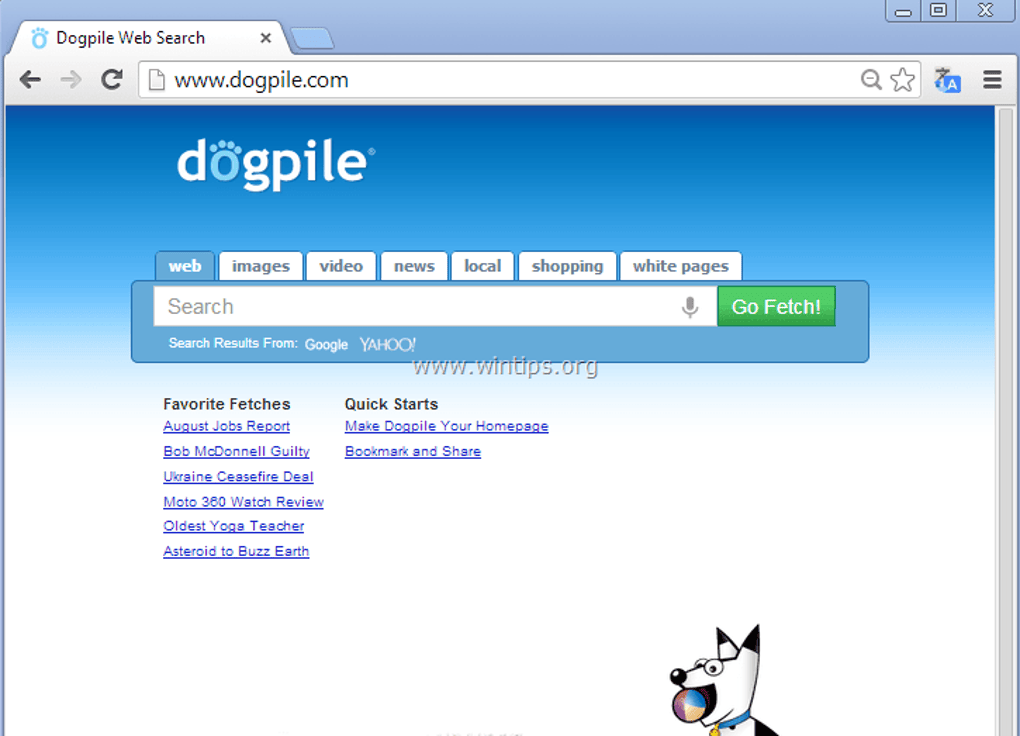
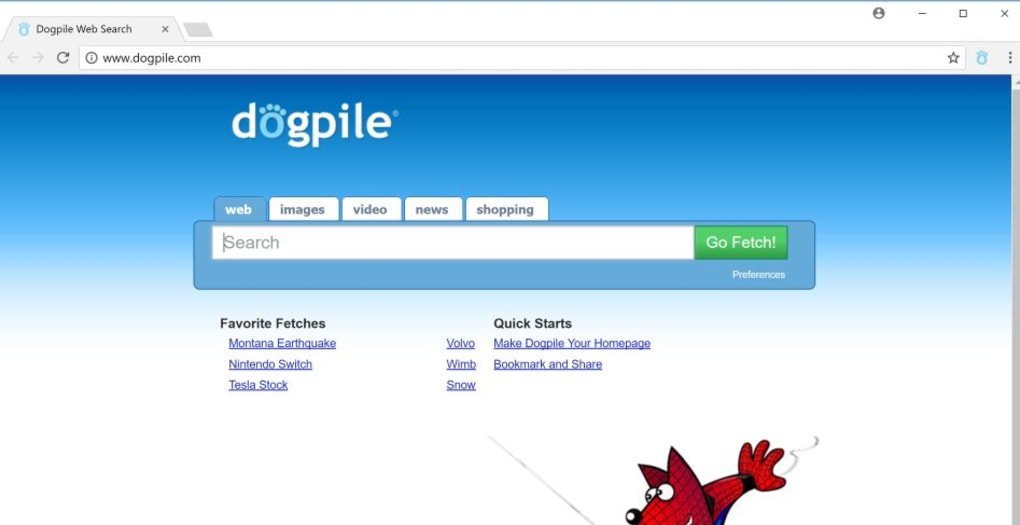
The results page presents a curated compilation of links, typically organized by relevance, as determined by the algorithms of the underlying search engines. This compilation represents a diverse perspective on the search query, potentially revealing alternative viewpoints or less commonly seen resources. The clean design of the Dogpile interface minimizes distractions, focusing attention on the search results. Basic search filters are available, allowing users to refine their search by selecting specific categories such as videos, images, or news. The inclusion of yellow and white pages search functionalities further enhances its practical utility.
Dogpile: Apps and Web App Functionality
Dogpile primarily functions as a web application, accessible through any web browser. There isn’t a dedicated mobile app available for iOS or Android devices. The web app experience is designed for simplicity and ease of use. Its functionality remains consistent across different browsers and operating systems, making it a readily accessible tool regardless of the user’s technical setup. The lack of a dedicated mobile app might be a drawback for users who prefer mobile-optimized search experiences, but the web app’s cross-platform compatibility mitigates this limitation to some extent.
Dogpile: Advantages and Disadvantages
Compared to larger search engines, Dogpile presents both advantages and disadvantages. Understanding these trade-offs is crucial for determining its suitability for individual needs.
Advantages:
- Broader Result Scope: By querying multiple search engines, Dogpile increases the chances of uncovering a wider range of results, including those that might be missed by a single engine’s algorithm. This is particularly beneficial when researching less mainstream topics or seeking diverse perspectives.
- Privacy-Focused Approach: Unlike some major search engines, Dogpile does not build a comprehensive profile of user search history and activity. This is a significant advantage for users who prioritize online privacy and wish to minimize the amount of data shared with a single entity.
- Simple Interface: The clean and uncluttered interface makes Dogpile easy to navigate and use, even for less technically proficient users. The lack of extensive personalization options, while a disadvantage for some, contributes to this simplicity.
- Access to Diverse Information Sources: The meta-search approach ensures that results come from various search engines, potentially exposing users to a more varied and comprehensive representation of information.
Disadvantages:
- Speed: Dogpile is generally slower than dedicated search engines like Google. This is because it must query and process results from multiple sources, adding to the processing time. This latency can be frustrating for users accustomed to the speed of the major search engines.
- Lack of Personalization: Dogpile does not offer personalized search results based on user history and preferences. While this enhances privacy, it also means the results lack the tailored approach that some users find valuable. The search experience is consistent for all users, irrespective of their past activity.
- Limited Features: Compared to the feature-rich ecosystems of leading search engines, Dogpile offers a more basic set of functionalities. Users seeking advanced features like personalized news feeds, image recognition, or sophisticated filtering options will find it lacking.
- Potential for Redundancy: Since Dogpile combines results from different search engines, there’s a potential for some degree of redundancy in the results presented. The same web page might appear multiple times from different sources, which can lead to a less concise presentation of information.
Dogpile for Business: A Viable Alternative?
For businesses, the suitability of Dogpile hinges on their specific search needs. While it might not replace a comprehensive search engine marketing (SEM) strategy, Dogpile offers certain advantages in specific scenarios. Market research, for instance, might benefit from Dogpile’s ability to gather results from various sources, providing a more holistic view of public opinion or competitor activity. However, relying solely on Dogpile for SEM purposes would be insufficient due to its lack of advanced analytics and targeting options. Its primary value for businesses lies in its supplement role, offering a different lens through which to view online information.
Dogpile: Conclusion and Recommendations
Dogpile offers a viable alternative to mainstream search engines, particularly for users who prioritize privacy and prefer a less personalized, broader approach to online information retrieval. Its simple interface and multi-engine search capabilities are valuable assets. However, its slower speed and lack of advanced features mean it’s unlikely to replace the primary search engine for most users. It excels as a supplementary tool, useful for seeking diverse perspectives or conducting market research but falls short as a standalone primary search engine for most users. The choice of using Dogpile depends on individual priorities, with a trade-off between privacy, breadth of results, and speed being the key consideration. Users seeking a fast, personalized experience should stick with established giants; those prioritizing privacy and a broader scope of results might find Dogpile a useful addition to their online toolkit.
File Information
- License: “Free”
- Version: “1.0”
- Latest update: “August 5, 2021”
- Platform: “Web Apps”
- OS: “Chrome”
- Language: “English”
- Downloads: “1.4K”


