
Doki Doki Literature Club, initially a seemingly innocent dating simulator, quickly transcends its initial premise to become a captivating and unsettling experience. This visual novel, available on various platforms including Android (though the official Android port is no longer available for download), has gained significant notoriety for its innovative approach to storytelling, masterful use of atmosphere, and unexpected twists that blur the lines between player and character. This detailed exploration will delve into the game’s mechanics, narrative, and impact, considering both its strengths and shortcomings.
The Game’s Premise and Gameplay
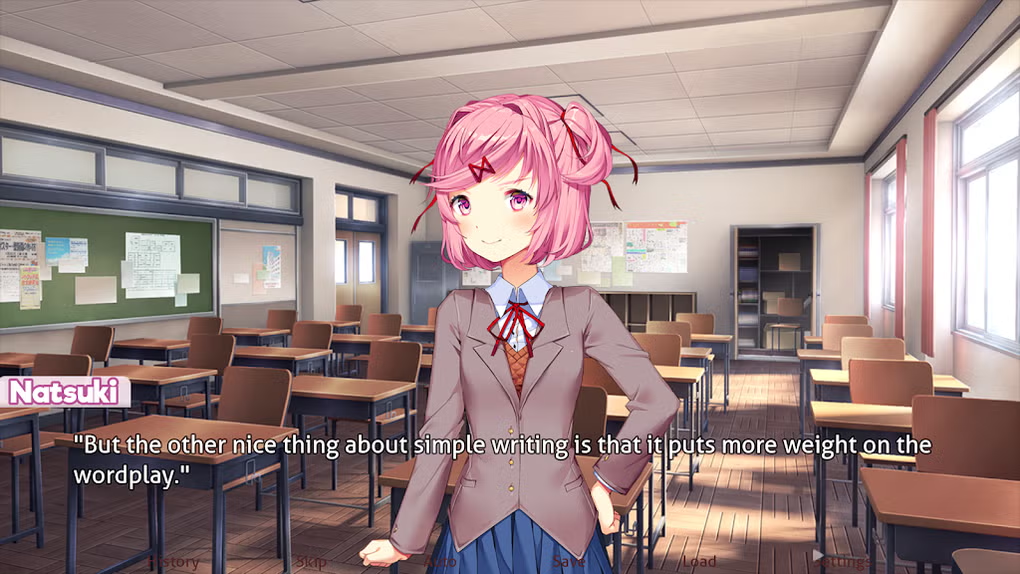
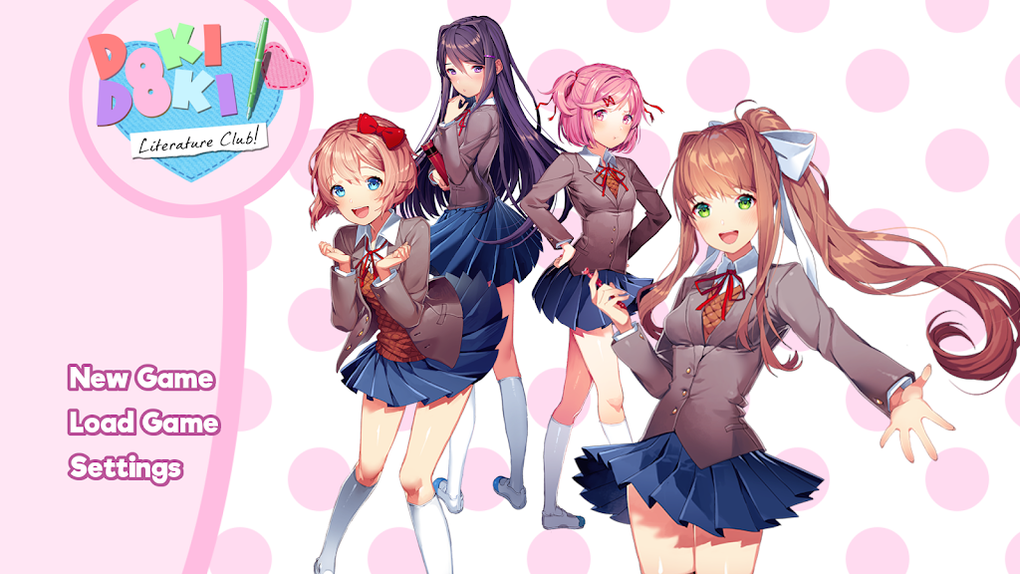
The player takes on the role of a high school student invited to join the school’s literature club by a childhood friend, Sayori. This seemingly typical setting quickly unravels as the player interacts with the four female members: Sayori, the cheerful and energetic president; Natsuki, a shy and tsundere girl with a passion for manga; Yuri, a quiet and introspective bookworm; and Monika, the mysterious and composed club vice-president. The core gameplay loop involves attending club meetings, engaging in conversations with the girls, writing poems (which influence the narrative progression), and participating in various activities. The player’s choices and interactions directly affect their relationships with the girls and ultimately determine the game’s multiple endings.
.webp)
The initial stages of the game present a charming and lighthearted atmosphere, resembling a typical anime-inspired dating simulator. The characters are well-developed, each possessing distinct personalities and backstories that gradually unfold as the player spends time with them. The art style is vibrant and expressive, effectively conveying the emotions and personalities of the characters. The soundtrack, a critical component of the overall experience, seamlessly blends upbeat and heartwarming melodies with unsettling and suspenseful pieces, expertly reflecting the shifting tone of the narrative.
However, Doki Doki Literature Club is anything but predictable. As the game progresses, the initially innocent façade begins to crumble, revealing a darker, more disturbing undercurrent. The game masterfully subverts expectations, using its seemingly harmless mechanics to explore complex and often unsettling themes, including depression, anxiety, obsession, and the nature of reality itself. This shift in tone is not jarring; instead, it’s carefully orchestrated, leveraging the established relationships and the player’s emotional investment in the characters to maximize its impact.
Breaking the Fourth Wall: A Meta Narrative
One of the most striking aspects of Doki Doki Literature Club is its innovative use of meta-narrative techniques. The game constantly reminds the player that they are interacting with a simulated world, blurring the lines between fiction and reality. Characters directly address the player, acknowledging their presence and influence on the game’s narrative. This technique, rarely implemented with such skill and impact, heightens the sense of immersion and unease. The game cleverly plays on the player’s expectations, using their understanding of visual novels and dating sims to create a disturbing and unpredictable experience. The characters’ awareness of their own artificiality adds a layer of unsettling complexity, making the emotional stakes significantly higher. The lines between the game world and the player’s reality become increasingly blurred, making the experience both profoundly unsettling and intensely memorable.
The meta-narrative extends beyond simple acknowledgments. The game utilizes glitches and unexpected game mechanics to further challenge the player’s perception of reality within the game. These disruptions serve not just as plot devices but as tools to enhance the unsettling atmosphere, drawing the player deeper into the psychological horror that unfolds. This innovative approach allows Doki Doki Literature Club to surpass the boundaries of a typical visual novel, transforming it into a unique and deeply unsettling experience.
Sound Design and Visuals
The success of Doki Doki Literature Club hinges significantly on its sound design and visuals. The art style is expressive and well-suited to the game’s shifting tone. The character designs are appealing and effectively convey their personalities, while the background art complements the overall atmosphere, shifting subtly to reflect the changing emotional landscape. The game’s visual presentation enhances the emotional weight of the story, effectively building tension and releasing it at precisely the right moments. The soundtrack is similarly crucial, employing both upbeat and cheerful music during lighter moments and unsettling soundscapes that heighten the game’s unsettling elements, underscoring the emotional impact of the narrative’s darkest moments. The carefully chosen music perfectly complements the game’s unsettling tone shifts, creating a deeply immersive and unsettling experience. The use of both visual and auditory cues subtly foreshadows upcoming plot points, enhancing the replay value of the game, as players can revisit previous scenes with newfound understanding and awareness of the subtle hints that were embedded throughout.
Multiple Endings and Replayability
Doki Doki Literature Club features multiple endings, each stemming from the player’s choices and interactions with the characters. This feature significantly enhances the game’s replayability, encouraging players to explore different paths and uncover the various narrative branches. The multiple endings are not merely variations on a single theme; they are distinct and often wildly different experiences, highlighting the complex and multifaceted nature of the game’s narrative. Each playthrough offers a unique perspective on the game’s central themes, enriching the overall experience and solidifying its place as a multi-layered and thought-provoking narrative. This intricately woven storyline rewards repeated playthroughs, revealing new nuances and deepening the player’s understanding of the characters and their relationships.
The Android Port and Its Availability
The Android port of Doki Doki Literature Club, developed by Brandon Harris, provided players with a mobile-friendly version of the game. However, this port is no longer available for download. This unavailability could be due to several factors, including potential copyright issues, the removal of the game from app stores, or the cessation of support by the developer. While the reasons for its removal are not publicly stated, the loss of accessibility does not diminish the impact and legacy of the game, which remains highly regarded within the visual novel community. The accessibility of the game on other platforms ensures its continued influence and presence in the gaming landscape.
Alternative Apps and Similar Games
The unavailability of the official Android port has prompted players to seek alternative experiences. Similar games, such as Just Monika and Yandere Simulator High School, offer similar themes or mechanics but do not fully capture the unique blend of romance, psychological horror, and meta-narrative that makes Doki Doki Literature Club so distinctive. While these alternatives provide options for fans of the genre, they lack the innovative and often jarringly effective approach that Doki Doki Literature Club masterfully uses to deliver its narrative and psychological horror.
Conclusion
Doki Doki Literature Club is more than just a visual novel; it’s an interactive experience that pushes the boundaries of the genre. Its innovative use of meta-narrative, captivating characters, and a powerful soundtrack combine to create a truly unforgettable experience. Despite the unavailability of the official Android port, its impact on the gaming world is undeniable, leaving a lasting impression on players and establishing a benchmark for unconventional and emotionally resonant storytelling in visual novels. The game’s unique blend of genres, its masterful handling of its unsettling themes, and its consistent willingness to subvert expectations solidifies its place as a groundbreaking and unforgettable piece of interactive storytelling.
File Information
- License: “Free”
- Version: “1.1.1”
- Latest update: “May 14, 2025”
- Platform: “Android”
- OS: “Android 8.0”
- Language: “English”
- Downloads: “69.1K”
- Size: “33.03 MB”
- Download Options: “APK, Google Play”
- Filename: “Doki_Doki_Literature_Club_1.1.1.apk”


