
Dooble was an open-source web browser designed with a strong emphasis on user privacy and security. Built on the WebKit engine – the same powerful technology underpinning Safari and Google Chrome – Dooble aimed to provide a fast and secure browsing experience, differentiating itself from competitors through its commitment to user data protection. While no longer actively developed or updated, its design principles and features offer a valuable case study in browser security and privacy considerations.
Dooble’s Security and Privacy Features
Dooble’s core functionality revolved around maximizing user privacy. Unlike many contemporary browsers, it disabled cookies and JavaScript by default, significantly reducing the tracking capabilities of websites. This default setting minimized the collection of personal browsing data, a key feature for users concerned about online surveillance and targeted advertising.
Further enhancing its privacy safeguards, Dooble automatically cleared the browsing history every time the browser was closed. This automatic cleaning prevented the accumulation of browsing data on the user’s system, offering an additional layer of protection against unauthorized access or data breaches. While users could adjust these settings through the browser’s configuration menu, the default settings reflected Dooble’s commitment to prioritizing user privacy.
The integration of RetroShare, a decentralized communication platform, further solidified Dooble’s privacy focus. RetroShare allowed users to send encrypted emails and files, and it also included a built-in chat application. This integration provided a complete, privacy-respecting online experience, eliminating the need for users to rely on separate, potentially less secure, communication platforms. By incorporating RetroShare, Dooble sought to create a self-contained ecosystem that minimized reliance on centralized, potentially vulnerable services.
Functionality and User Interface
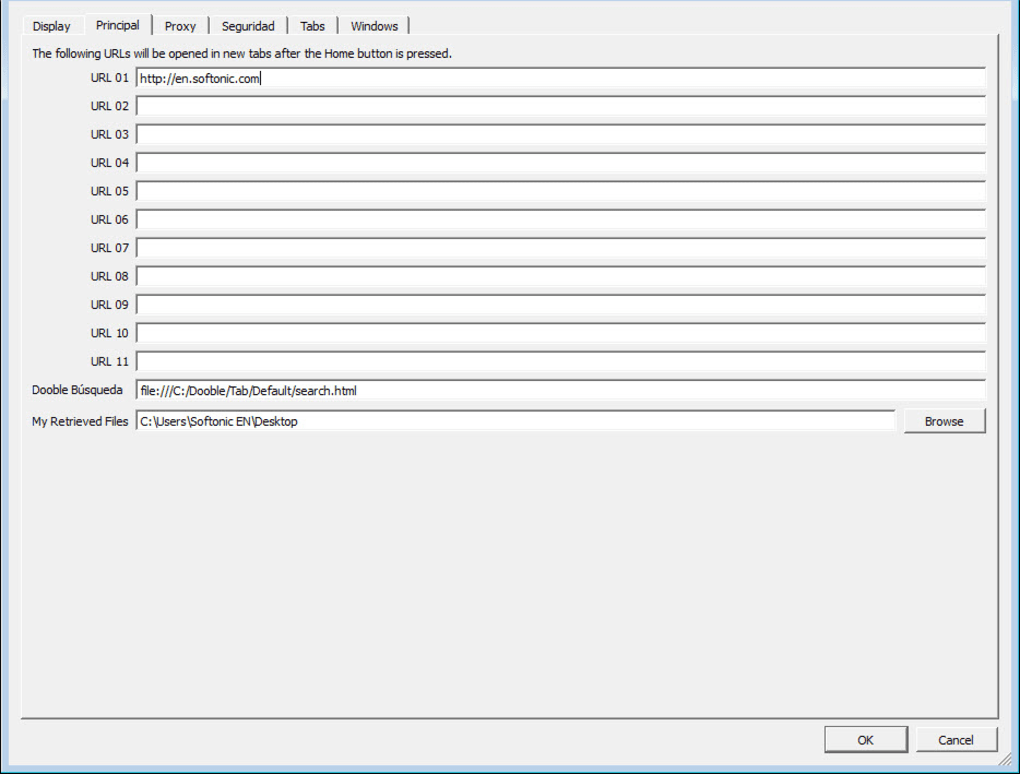
Dooble offered a relatively standard set of web browsing features. Users enjoyed tabbed browsing for managing multiple web pages simultaneously, and the browser supported opening bookmarks using the number keys on the keyboard, a feature designed for efficient navigation. Multiple search engines were included, offering users flexibility in their search preferences. However, a significant drawback reported by users was that the default search engine consistently returned results in German, regardless of the user’s chosen language settings. This issue, despite the availability of language options, presented a clear usability challenge.
Another usability concern involved the browser’s font size. Users reported instances where the font size would inexplicably shrink to an illegible level after adjusting unrelated settings within the browser. This inconsistent behavior, while possibly stemming from bugs or unforeseen interactions between settings, detracted from the overall user experience. The unpredictable font size adjustments undoubtedly frustrated users and hindered smooth navigation.
While Dooble provided a functional browsing experience, it did not incorporate cutting-edge or innovative features. Its strengths lay primarily in its security and privacy enhancements rather than in groundbreaking functionalities. It aimed to provide a reliable, secure alternative to more mainstream browsers, focusing on a core set of essential browsing capabilities.
Dooble’s Technical Aspects and Development
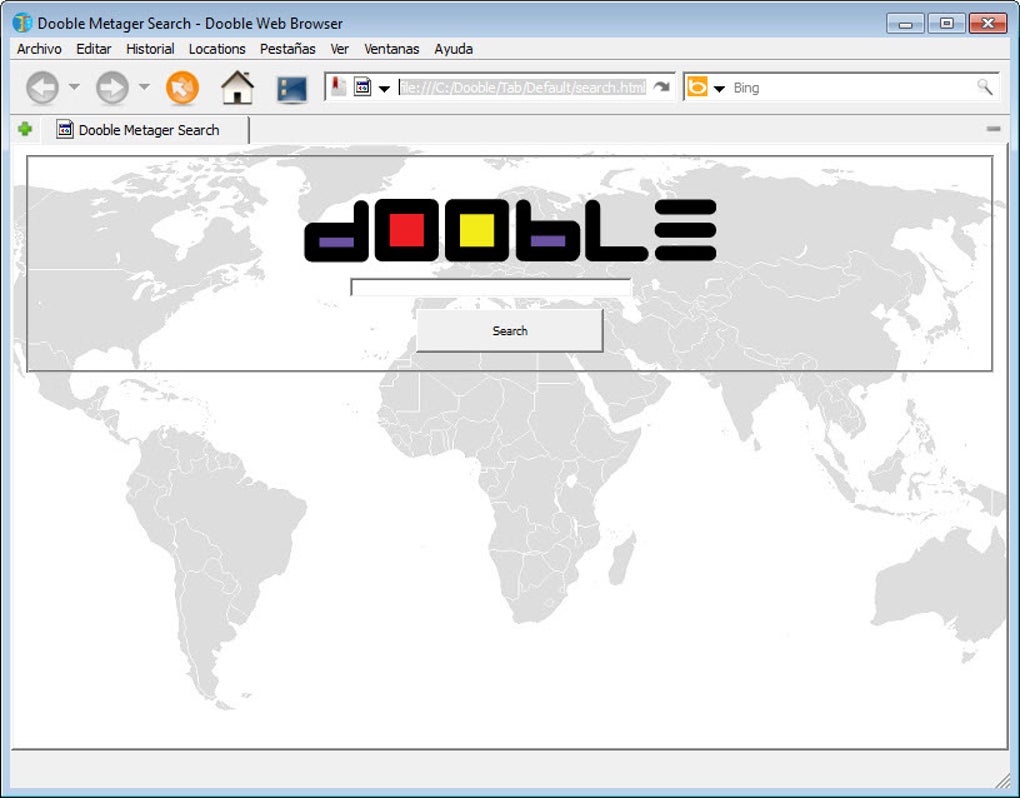
Dooble was based on the WebKit engine, a robust and well-established rendering engine. This foundation ensured compatibility with a wide range of web standards and provided a stable platform for development. However, one notable limitation was the lack of Flash support. This omission likely stemmed from security concerns, as Flash plugins were often associated with vulnerabilities, conflicting with Dooble’s security-focused design philosophy. The exclusion of Flash, although potentially limiting access to some websites, was a deliberate choice reflecting a prioritization of security over compatibility.
Dooble’s development history reveals a focus on iterative improvements and bug fixes. Release notes mentioned fixes for issues related to URL handling, proxy access, download dialogs, user interface enhancements (particularly improvements to the OS X look and feel), and the implementation of cookie management features. These updates highlighted an ongoing effort to enhance both usability and security. The addition of a dedicated history tab to the settings window signified a move towards increased transparency and user control.
The addition of a database for tracking download information represented a step towards more comprehensive record-keeping, further refining the user experience and providing more detailed information about downloaded files. The developers worked to improve default fonts and font sizes for better cross-platform compatibility and readability.
However, the project’s lack of recent updates suggests that active development has ceased. This raises concerns regarding security vulnerabilities that may have emerged since the last update, potentially compromising the privacy the browser was designed to protect. The absence of ongoing maintenance is a significant disadvantage for any software, especially a security-focused application.

Comparison with Other Browsers
Dooble positioned itself as a privacy-conscious alternative to mainstream browsers like Firefox, Chrome, and Opera. While those browsers offered numerous features and extensions, Dooble prioritized security and simplicity. Its streamlined design, with default settings emphasizing privacy, appealed to users seeking a more controlled browsing experience, minimizing potential tracking and data collection.
However, Dooble lacked the extensive extension ecosystem of its more popular counterparts. This limited customization options and the integration of additional features. The absence of Flash support also presented a significant functional limitation compared to browsers that supported this technology, although this could be viewed as a security benefit by some users. The decision to prioritize privacy and security over extensive features and compatibility meant that Dooble occupied a niche within the browser market.
Dooble’s Legacy and Conclusion
Dooble served as a notable example of a browser prioritizing privacy and security over extensive features and broad compatibility. Its default settings significantly restricted tracking, and the integration of RetroShare offered a unique approach to secure communication. While its lack of active development renders it less secure and functionally limited in comparison to contemporary browsers, its design choices highlight the importance of privacy and security considerations in web browser development. The project’s cessation highlights the challenges faced by smaller, independent browser projects in competing with larger, well-funded initiatives. Dooble’s legacy remains a reminder of the ongoing need for robust privacy tools and the difficulties in maintaining and updating open-source software projects over the long term.
File Information
- License: “Free”
- Latest update: “October 30, 2012”
- Platform: “Windows”
- OS: “Windows 7”
- Language: “English”
- Downloads: “6.9K”
- Size: “40.99 MB”


