
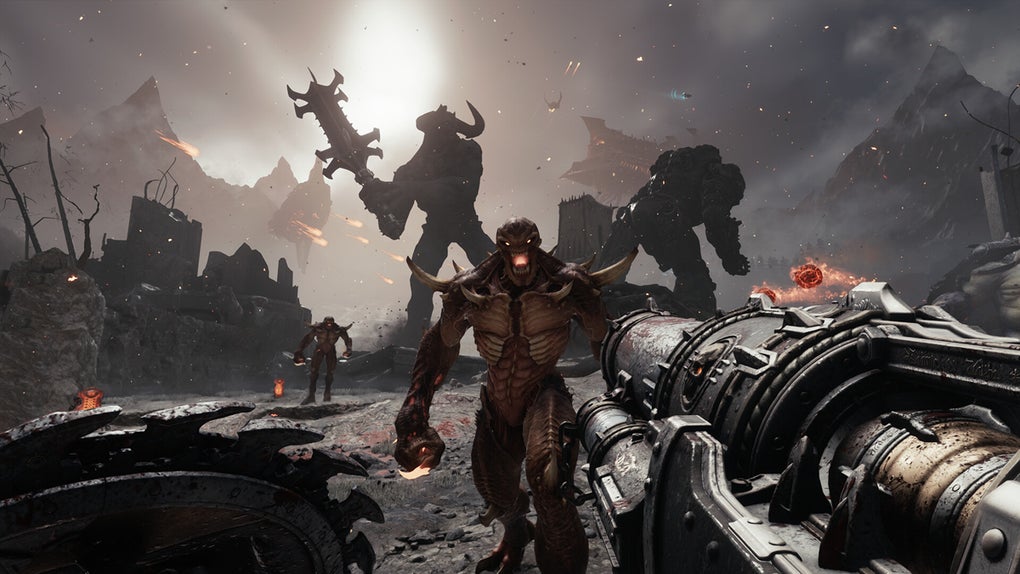
DOOM: The Dark Ages, a prequel to the acclaimed 2016 DOOM reboot, boldly reimagines the iconic franchise, transporting the Doom Slayer into a dark, gothic world steeped in medieval aesthetics. This departure from the series’ futuristic, hellish landscapes provides a fresh perspective on the fast-paced, brutal combat that defines the DOOM experience. Instead of technological weaponry, the player wields a mix of medieval-inspired implements and classic firearms, engaging in visceral encounters with demonic hordes in a captivating techno-medieval setting. This unique blend of old and new, coupled with the introduction of tactical elements, creates a thrilling and challenging gameplay experience that resonates with both longtime fans and newcomers alike.
A Medieval Arsenal and Tactical Combat
The core gameplay of DOOM: The Dark Ages maintains the series’ signature intensity, but introduces significant refinements. The most striking addition is the incorporation of a shield, transforming the traditionally run-and-gun gameplay into a more strategic affair. The shield serves not merely as a defensive tool, but as an offensive one as well. Players can parry enemy attacks, timing their actions based on clear visual cues, allowing for devastating counterattacks. This parry mechanic, cleverly integrated into the fast-paced first-person perspective, adds a layer of tactical depth that demands precision and timing. Successfully parrying an attack not only prevents damage but also sets up opportunities for powerful counter-strikes, exploiting enemy vulnerabilities and rewarding skillful play.
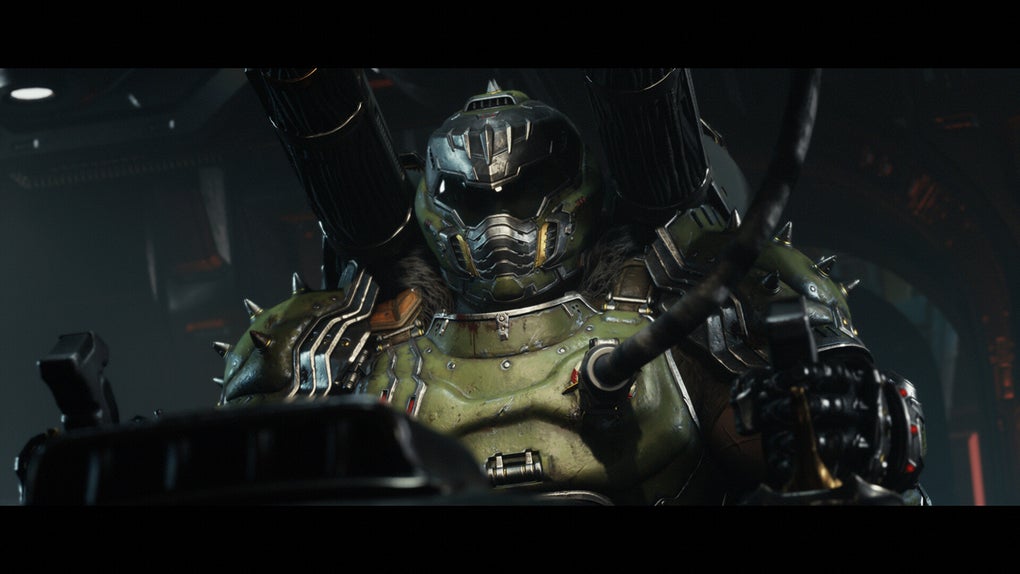
Beyond the shield, the arsenal itself has undergone a transformation. Classic DOOM weaponry is retained, offering familiar power and destructive capabilities. However, these are supplemented by a range of medieval-inspired armaments. The Impaler, a brutal melee weapon, allows for close-quarters combat, while the Shredder likely refers to a devastating device for inflicting grievous wounds upon enemies. These unique additions complement the existing arsenal, providing players with versatile options to adapt to different enemy types and combat situations. The strategic use of these weapons, along with mastering the parry mechanic, is critical to success in the game’s challenging encounters.
Immersive Environments and Atmospheric Design
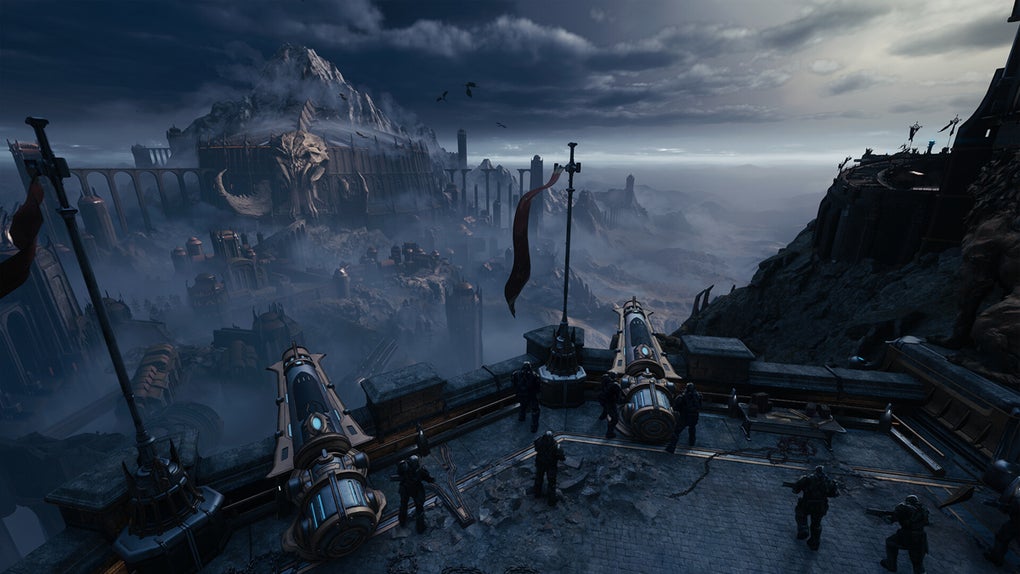
The shift to a medieval setting is not merely cosmetic; it profoundly impacts the game’s atmosphere and level design. DOOM: The Dark Ages plunges players into the techno-medieval realm of Argent D’Nur, a world where ancient magic and advanced technology coexist. The game’s environments are richly detailed, showcasing sprawling castles, ancient cathedrals, and desolate battlefields. This meticulous attention to detail creates a visually stunning and immersive experience, transporting the player to a believable and compelling world. The design choices evoke a sense of grim history and forgotten lore, underscoring the dark and violent nature of the conflicts within. The gothic architecture, decaying structures, and atmospheric lighting all contribute to a sense of oppressive dread, enhancing the tension and intensity of the combat encounters. This meticulously crafted world creates a stark contrast with the futuristic environments of previous DOOM installments, providing a compelling new context for the franchise’s characteristic brutality.
Story and Narrative – A Deeper Dive into Doom’s Lore?
DOOM: The Dark Ages attempts a more narrative-driven approach than previous iterations, delving into the origins of the Doom Slayer and his role within the Night Sentinels. While the game attempts to expand upon the lore and give a more substantial narrative, the execution falls somewhat short. The story, while intriguing in its concept – exploring the backstory of the iconic protagonist – is often criticized for lacking emotional depth and failing to fully engage the player. This aspect represents a departure from the typical DOOM experience, where visceral action and relentless combat take center stage, with narrative elements playing a secondary role. While the attempt to expand upon the lore is laudable, many players feel the story fails to deliver the same impactful experience as the game’s intense combat.
Technical Performance and Audio Design
DOOM: The Dark Ages boasts impressive technical performance on current-generation consoles and high-end PCs. Players on these systems can expect smooth frame rates and quick load times, enhancing the fluidity and immersion of the gameplay experience. However, those with mid-range systems may encounter performance issues, particularly related to high VRAM requirements. This disparity highlights the game’s demanding nature, requiring significant computing power to fully realize its graphical fidelity. This aspect might limit the accessibility for players with less powerful hardware, potentially restricting the game’s audience. While the high-end experience is commendable, the potential for performance problems on less powerful machines is a factor to consider.
The game’s soundtrack, while not composed by Mick Gordon (whose work defined the sound of the 2016 DOOM reboot), still delivers a heavy metal score that complements the on-screen action. However, some fans find it lacks the distinctive punch and memorable compositions of previous entries. This difference in musical direction might disappoint long-time fans who are accustomed to Gordon’s signature style. The soundtrack, while functional in its role of setting the mood and enhancing the intensity of combat, might not leave the same lasting impact as the iconic music from previous games.
A Fresh Take on a Classic Formula?
DOOM: The Dark Ages represents a significant shift for the DOOM franchise, attempting to blend the series’ hallmark brutal combat with a medieval setting and tactical elements. The introduction of the parry mechanic and medieval-inspired weapons adds a layer of depth and strategic consideration to the gameplay. The richly detailed gothic environments create a captivating and immersive atmosphere. However, the game’s less compelling narrative and a soundtrack that doesn’t quite match the high bar set by previous entries may leave some players wanting more.
Ultimately, DOOM: The Dark Ages offers a unique and intriguing take on the DOOM formula. While it might not completely surpass its predecessors in all aspects, it delivers a compelling and satisfying action experience. The game’s strong points lie in its intense, melee-focused combat, the unique medieval aesthetic, and the well-realized environments. However, its weaknesses reside in its less gripping narrative and perhaps a less memorable soundtrack. For fans seeking a darker, more tactical approach to the signature DOOM mayhem, this prequel offers a worthy, blood-soaked battlefield to explore. The game’s success ultimately hinges on whether the player values the innovation in gameplay mechanics and atmosphere more than the arguably less impactful narrative and soundtrack.
File Information
- License: “Full”
- Version: “varies-with-device”
- Latest update: “July 24, 2025”
- Platform: “Windows”
- OS: “Windows 10”
- Language: “English”
- Downloads: “3.3K”


